Ver en contexto
 Enviar
 Compartir
 Detalles

 Descargar
 Similares
 Radiografía
 Presentación de diapositivas
 Stats
StatsUntitled 120


 Ver más
Reproducción al óleo hecha a mano
Óleo sobre lienzo pintado a mano en el tamaño y marco de su elección, realizado por encargo por nuestros artistas. ( Switch to Print Switch to Digital Image)




P118B $10

P118H $10

P118W $10

P438Z $10

P508JH $12

P508YH $12

P805H $10

P805Z $10

P919BZ $10

P919G $10

P919XJ $10

P959ZH $10

P968JZ $12

W106C $8

W218G $10

W218JH $8

W218Y $10

W307PJ $10

W316G $10

W316PJ $8

W316Y $10

W398PJ $8

W4111J $10

W500HY $15

W500JH $15

W692G $12

W849H $8

W940BG $15

W953PJ $8




Elija entre nuestros tamaños predefinidos que respetan las proporciones originales de la obra.

Puede ingresar sus propias dimensiones para adaptarse a un marco o espacio específico. Si el tamaño seleccionado no coincide con las proporciones de la imagen original, recortaremos la obra o extenderemos la pintura con elementos adicionales pintados a mano. Se le enviará una maqueta digital para su aprobación antes de comenzar la producción.
Tenga en cuenta que la vista previa en pantalla no refleja el recorte o la extensión reales. Solo la maqueta mostrará con precisión la composición final.
Si bien existen tamaños personalizados, recomendamos seleccionar una dimensión de la lista predefinida para preservar las proporciones originales.
Tras realizar el pedido, el equipo de OriginalUniqueArt.com enviará un correo electrónico al cliente para solicitar instrucciones y proporcionarle una vista previa del boceto.
Envío a todo el mundo () en 3-4 semanas en lugar de las 5 semanas estándar. (8 septiembre). Sin comprometer la calidad.

Envío exprés gratuito a todo el mundo

Lienzo de lino de alta calidad

Seguro de envío total

Garantía de reembolso de impuestos aduaneros

Garantía de fidelidad cromática exacta

Política de devolución de 100 días (solo por defectos)

Garantía de devolución del 100% del dinero

Descuento por cantidad
 La opción de vidrio solo está disponible en tamaños inferiores a 110 cm.

Untitled 120
Técnica de reproducción
Dimensiones de la reproducción
-


Precio total final
$ 300
Mark Rothko’s ‘Untitled 120’: A Dialogue with Darkness
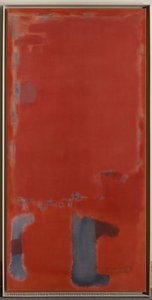
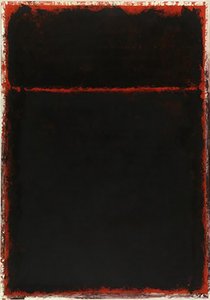
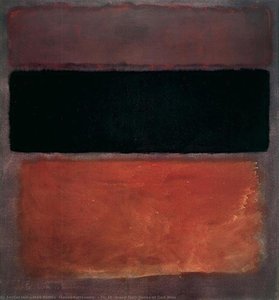
“Untitled 120” presents a deceptively simple composition – two stark red rectangles delineated by crisp white borders. Yet, within this apparent minimalism lies a profound meditation on human emotion and the weight of existence, characteristic of Mark Rothko’s mature style. This piece, likely created around 1968, embodies the culmination of decades spent exploring color fields as vehicles for conveying deep psychological states. The painting's power resides not in representational imagery but in its ability to evoke a visceral response – a sense of unease, contemplation, and perhaps even sorrow.
- The Rothko Aesthetic: Rothko’s work emerged from the abstract expressionist movement, yet he deliberately distanced himself from the gestural brushstrokes favored by his contemporaries. Instead, he developed a technique of layering thin washes of color – often applied with squeegees – to create luminous blocks that seem to float within the canvas.
- Color as Emotion: Rothko believed that color possessed an inherent emotional quality. The intense red, a hue frequently associated with passion, danger, and even blood, is tempered by the cool white, creating a dynamic tension. This interplay of warm and cool tones is central to the painting’s impact.
- Historical Context: Rothko was working during a period of significant social and political upheaval – the Vietnam War, civil rights struggles, and widespread anxieties about the future. These concerns undoubtedly informed his artistic explorations, leading him to confront themes of mortality and human suffering.
A Legacy Rooted in Trauma
Understanding “Untitled 120” requires acknowledging Mark Rothko’s deeply personal history. Born Markus Yakovlevich Rothkowitz in Daugavpils, Latvia (then part of the Russian Empire) in 1903, his early life was marked by displacement and hardship. His family's emigration to Portland, Oregon, in 1913, following pogroms and political instability in Russia, further shaped his worldview. The premature death of his father, a pharmacist and intellectual, at a young age left an indelible mark on Rothko’s psyche – a recurring motif reflected in the painting’s somber mood.
This biographical context is crucial to interpreting Rothko's work. His paintings are not merely abstract compositions; they are intensely personal expressions of grief, loss, and existential questioning. The red rectangles can be seen as symbolic representations of these unresolved emotions, demanding attention and inviting the viewer to confront their own anxieties about life and death.
Technique and Composition
The painting’s technical execution is meticulously controlled. Rothko's use of thin washes of color creates a remarkable sense of depth and luminosity. The squeegee technique, employed to spread and manipulate the paint, results in smooth, unbroken surfaces that seem to dissolve at the edges. This deliberate lack of detail forces the viewer to focus on the pure qualities of color and form.
- Layering and Transparency: Rothko built up his paintings through multiple layers of translucent washes, allowing the underlying colors to subtly influence the final effect.
- Negative Space: The white borders surrounding the red rectangles are not merely decorative; they contribute significantly to the painting’s composition by creating areas of negative space that further emphasize the forms and enhance their sense of isolation.
Collecting Rothko's Vision
"Untitled 120" represents a pivotal work in Mark Rothko’s oeuvre, offering a profound insight into his artistic vision. A hand-painted reproduction captures not only the visual impact of the original but also the emotional depth and technical mastery that define Rothko’s legacy. This piece is ideal for collectors seeking to enrich their spaces with works that provoke contemplation and evoke powerful emotions. Its stark simplicity makes it remarkably versatile, complementing a wide range of interior design styles – from minimalist modern to classic contemporary.
Biografía del artista
vida temprana e influencias
Mark Rothko (Marcus Rothkowitz), un reconocido artista estadounidense, nació el 25 de septiembre de 1903 en Dvinsk, Letonia. Su familia emigró a los Estados Unidos cuando tenía solo diez años. Este cambio cultural influyó más tarde en su estilo artístico.evolución artística
La obra temprana de Rothko se caracterizó por el **expresionismo abstracto**, un estilo que enfatizaba el proceso de creación del arte más que el producto final. Sus pinturas, como No. 18 (1948) y Untitled (1948), mostraban su enfoque único del color y la forma.- **Campo de color:** El uso de campos de color rectangulares audaces por Rothko, a menudo en marcado contraste entre sí, creó una sensación de profundidad y emoción.
- **Estructura orgánica:** Sus pinturas parecían respirar vida, como si los colores fueran entidades vivientes.
obras notables y exposiciones
- No. 10 (1950), una pintura que marcó un cambio significativo en el estilo de Rothko, ahora forma parte de la colección del Museo de Arte Moderno.
- Las murales de Seagram, una serie de pinturas encargadas para el restaurante Four Seasons, mostraron la capacidad de Rothko para adaptar su estilo a diferentes entornos.
- No. 3 (1950), una pintura que ejemplifica el uso de campos de color rectangulares audaces por Rothko.
vida tardía y legado
La vida de Rothko estuvo marcada por las luchas con la salud mental y un matrimonio tumultuoso. Falleció el 25 de febrero de 1970, a los 66 años. A pesar de sus desafíos, Rothko dejó una huella imborrable en el mundo del arte. Ocre y rojo sobre rojo (campo de color), una pintura que muestra el enfoque único del color de Rothko, se puede encontrar en la colección OriginalUniqueArt.com. La página de Wikipedia de Mark Rothko proporciona más información sobre su vida y estilo artístico.
Mark Rothko
1903 - 1970 , Letonia
Datos clave
- Artistas Que Influyeron:
- Edward Hopper
- Pablo Picasso
- Fecha De Muerte: 25 de febrero de 1970
- Fecha De Nacimiento: 25 de septiembre de 1903
- Influencia En Artistas:
- Minimalismo
- Arte contemporáneo
- Lugar De Nacimiento: Daugavpils, Letonia
- Movimiento Artístico: Expresionismo Abstracto
- Nacionalidad: Estadounidense
- Nombre Completo: Mark Rothko (Marcus Rothkowitz)
- Obras Notables:
- No. 18 (1948)
- No. 10 (1950)
- Murales Seagram
- No. 3 (1950)
Artículos relacionados

Blanco Sublime: Los 10 Cuadros Más Famosos Dominados por la Luz y el Color
Descubre los 10 cuadros blancos más emblemáticos de la historia del arte. Explora Monet, Van Gogh y Klimt, y su magistral uso de la luz y el color. Encuentra reproducciones de alta calidad e inspírate para tu decoración en .
Mark Rothko: Las 25 Obras Maestras que Definen la Expresión Abstracta | OriginalUniqueArt
Descubre las 25 obras maestras de Mark Rothko, pionero del expresionismo abstracto. Explora la historia, el significado y los colores vibrantes que definen su arte emocional. Reproducciones de alta calidad en OriginalUniqueArt.com.

Abstracción Geométrica: 10 Obras Maestras que Transformaron el Arte Moderno | OriginalUniqueArt
Descubre las 10 obras maestras de la abstracción geométrica que revolucionaron el arte moderno. Explora a Mondrian, Malevich y Kandinsky en OriginalUniqueArt.com. Reproducciones de alta calidad para tu hogar.

Expresionismo Abstracto: 10 Obras Maestras que Transformaron el Arte |
Descubre las 10 obras maestras del Expresionismo Abstracto: Pollock, Rothko y más. Explora la historia, técnica y significado de estos lienzos icónicos. Reproducciones de arte exclusivas en .

Kandinsky: Las 25 Obras Maestras del Pionero de la Abstracción | OriginalUniqueArt
Descubre las 25 obras maestras de Wassily Kandinsky, pionero del arte abstracto. Explora su expresionismo, composiciones únicas y la historia detrás de cada cuadro. Reproducciones de alta calidad para decorar tu hogar con arte moderno en OriginalUniqueArt.com.