- Inicio

- Impresión en lienzo
- Mark Rothko
- Nubes Blancas Sobre Morado
 Preview
 Encargar reproducción Comprar imagen en alta resolución
 Enviar
 Compartir
 Detalles
 Añadir a favoritos

 Descargar
 Similares
 Radiografía
 Presentación de diapositivas
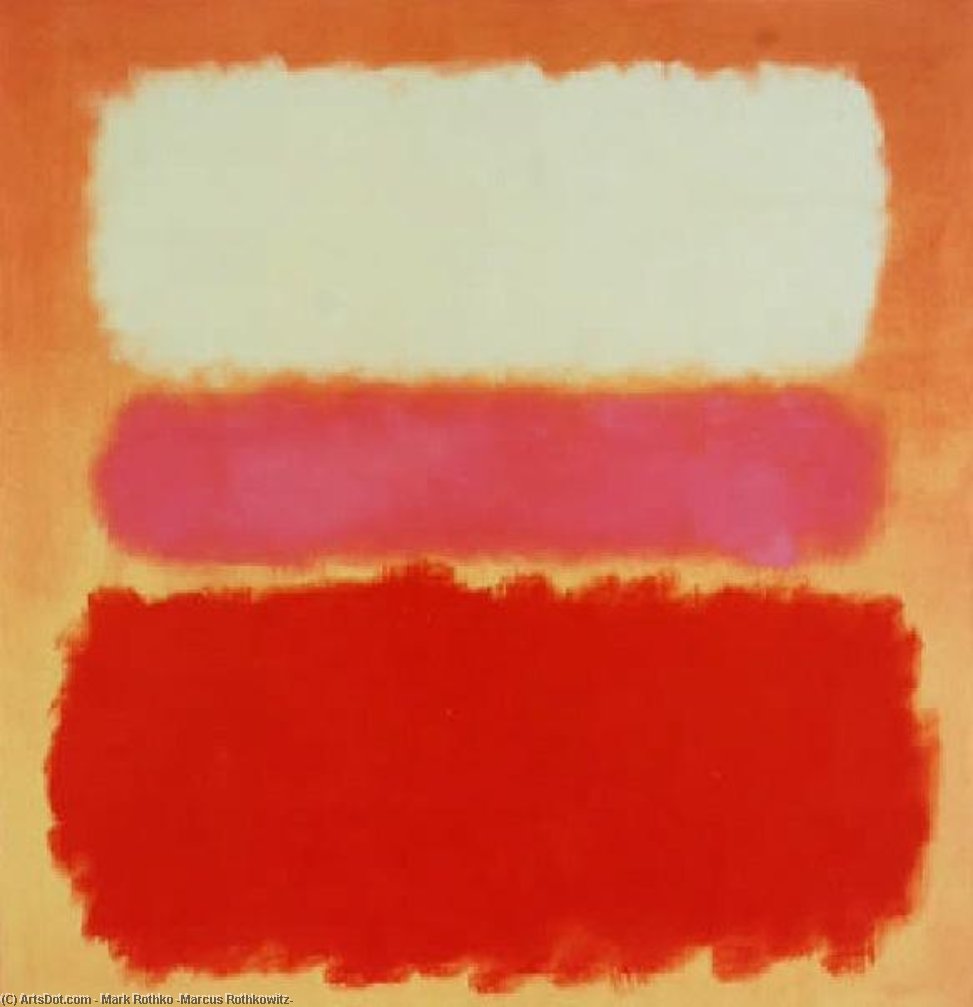
Nubes Blancas Sobre Morado


 Ver más
Giclée / Impresión de arte
Impresión giclée o en lienzo de calidad de museo con producción rápida y opciones de acabado flexibles.




P118B $10

P118H $10

P118W $10

P438Z $10

P508JH $12

P508YH $12

P805H $10

P805Z $10

P919BZ $10

P919G $10

P919XJ $10

P959ZH $10

P968JZ $12

W106C $8

W218G $10

W218JH $8

W218Y $10

W307PJ $10

W316G $10

W316PJ $8

W316Y $10

W398PJ $8

W4111J $10

W500HY $15

W500JH $15

W692G $12

W849H $8

W940BG $15

W953PJ $8




Elija entre nuestros tamaños predefinidos que respetan las proporciones originales de la obra.

Puede introducir sus propias dimensiones para adaptarse a un marco o espacio específico. Si el tamaño seleccionado no coincide con las proporciones de la imagen original, recortaremos la obra de arte o extenderemos la imagen con un borde con efecto espejo o de color sólido. Se enviará una maqueta digital para su aprobación antes de que comience la producción.
Tenga en cuenta que la vista previa en pantalla no refleja el recorte o la extensión real. Solo la maqueta mostrará con precisión la composición final.
Aunque existen tamaños personalizados, recomendamos seleccionar una dimensión de la lista predefinida para preservar las proporciones originales.
Entrega mundial () en 2 semanas en lugar de las 4/5 semanas estándar. (28 julio)

Envío exprés gratuito a todo el mundo

Lienzo de lino de alta calidad

Seguro de envío total

Garantía de reembolso de impuestos aduaneros

Garantía de fidelidad de color

Política de devolución de 60 días (solo por defectos)

Garantía de devolución del 100% del dinero

Descuento por pedido múltiple
 La opción de vidrio solo está disponible en tamaños inferiores a 110 cm.

Nubes Blancas Sobre Morado
Giclée / Impresión de arte
Tamaño de la reproducción
-


Precio total final
-
Descripción de la obra
White Cloud Over Purple: An Exploration of Rothko’s Emotional Landscape
Mark Rothko's White Cloud Over Purple stands as an emblem of Color Field painting and a profound meditation on human experience within the broader context of Abstract Expressionism. This meticulously crafted oil reproduction, available at https://OriginalUniqueArt.com/, transcends mere visual representation; it invites contemplation and evokes feelings rooted in existential concerns—a testament to Rothko’s revolutionary approach to artistic expression.Style and Technique: Floating Fields of Color
Rothko's distinctive style is instantly recognizable – large rectangular canvases populated by luminous blocks of color that seem to defy gravity, creating an illusion of depth and movement. Unlike Impressionism’s focus on capturing fleeting moments of light, Rothko sought to bypass sensory perception altogether, aiming instead for a direct connection with the viewer’s subconscious mind. The artist achieved this ethereal effect through thin layers of oil paint applied in a technique known as “all-over painting,” where pigment is spread evenly across the entire surface without discernible brushstrokes. This method prioritizes color itself as the primary vehicle for conveying emotion, eschewing representational imagery for pure chromatic resonance. The subtle gradations within each field contribute to an atmosphere of tranquility and contemplation—a deliberate departure from the turbulent dynamism characteristic of earlier modernist movements.Compositional Harmony: Balance Between Darkness and Light
The composition of White Cloud Over Purple is deceptively simple yet remarkably powerful. Two dominant rectangles – one a rich violet hue and the other a creamy white – dominate the canvas, positioned in asymmetrical alignment. This deliberate imbalance generates visual tension, mirroring the complexities inherent in human emotion. The placement of the white rectangle on the left side subtly balances the weight of the purple field, fostering a sense of equilibrium that belies its underlying dynamism. Rothko’s masterful use of color—particularly the juxtaposition of violet and white—is laden with symbolic significance. Violet traditionally represents spirituality, introspection, and mourning, while white embodies purity, innocence, and transcendence. Together, they suggest a dialogue between opposing forces – darkness and light – mirroring the human struggle for meaning amidst uncertainty.Historical Context: The Birth of Color Field Painting
White Cloud Over Purple emerged during the formative years of Abstract Expressionism in New York City (1940s-50s), a movement that championed spontaneity, emotional intensity, and the artist’s personal vision as paramount concerns. Influenced by Surrealist explorations of the unconscious and inspired by Eastern Orthodox iconography—particularly the use of halos—Rothko sought to create paintings that would elicit profound spiritual responses from viewers. He rejected traditional artistic conventions, rejecting perspective and illusionistic representation in favor of a radically reductive aesthetic. This bold decision aligned with the broader intellectual currents of the time, reflecting anxieties about nuclear annihilation and grappling with questions of faith and mortality—themes that resonated deeply within the cultural landscape of postwar America.Emotional Resonance: Beyond Representation
Ultimately, White Cloud Over Purple succeeds as an artwork precisely because it resists literal interpretation. Rothko’s intention wasn't to depict a specific scene or object but rather to evoke a feeling – a state of profound contemplation and emotional vulnerability. The luminous colors and expansive scale invite the viewer into a meditative space where visual stimuli dissolve into pure sensation, bypassing rational thought altogether. As Rothko himself famously stated, “I want people to experience something beyond sight.” White Cloud Over Purple embodies this ethos—a timeless masterpiece that continues to captivate audiences with its understated beauty and enduring capacity for emotional resonance.Biografía del artista
vida temprana e influencias
Mark Rothko (Marcus Rothkowitz), un reconocido artista estadounidense, nació el 25 de septiembre de 1903 en Dvinsk, Letonia. Su familia emigró a los Estados Unidos cuando tenía solo diez años. Este cambio cultural influyó más tarde en su estilo artístico.evolución artística
La obra temprana de Rothko se caracterizó por el **expresionismo abstracto**, un estilo que enfatizaba el proceso de creación del arte más que el producto final. Sus pinturas, como No. 18 (1948) y Untitled (1948), mostraban su enfoque único del color y la forma.- **Campo de color:** El uso de campos de color rectangulares audaces por Rothko, a menudo en marcado contraste entre sí, creó una sensación de profundidad y emoción.
- **Estructura orgánica:** Sus pinturas parecían respirar vida, como si los colores fueran entidades vivientes.
obras notables y exposiciones
- No. 10 (1950), una pintura que marcó un cambio significativo en el estilo de Rothko, ahora forma parte de la colección del Museo de Arte Moderno.
- Las murales de Seagram, una serie de pinturas encargadas para el restaurante Four Seasons, mostraron la capacidad de Rothko para adaptar su estilo a diferentes entornos.
- No. 3 (1950), una pintura que ejemplifica el uso de campos de color rectangulares audaces por Rothko.
vida tardía y legado
La vida de Rothko estuvo marcada por las luchas con la salud mental y un matrimonio tumultuoso. Falleció el 25 de febrero de 1970, a los 66 años. A pesar de sus desafíos, Rothko dejó una huella imborrable en el mundo del arte. Ocre y rojo sobre rojo (campo de color), una pintura que muestra el enfoque único del color de Rothko, se puede encontrar en la colección OriginalUniqueArt.com. La página de Wikipedia de Mark Rothko proporciona más información sobre su vida y estilo artístico.
Mark Rothko
1903 - 1970 , Letonia
Datos clave
- Artistas Que Influyeron:
- Edward Hopper
- Pablo Picasso
- Fecha De Muerte: 25 de febrero de 1970
- Fecha De Nacimiento: 25 de septiembre de 1903
- Influencia En Artistas:
- Minimalismo
- Arte contemporáneo
- Lugar De Nacimiento: Daugavpils, Letonia
- Movimiento Artístico: Expresionismo Abstracto
- Nacionalidad: Estadounidense
- Nombre Completo: Mark Rothko (Marcus Rothkowitz)
- Obras Notables:
- No. 18 (1948)
- No. 10 (1950)
- Murales Seagram
- No. 3 (1950)