

 Ver en contexto
 Enviar
 Compartir
 Detalles

 Descargar
 Similares
 Radiografía
 Presentación de diapositivas
 Estadísticas
Visitation
 Oil
Oil- WallArt
- High Renaissance
 1503
1503 232.0 x 146.0 cm
 Galería de los Uffizi
 Ver más
Giclée / Impresión de arte
Impresiones giclée o en lienzo de calidad de museo con producción rápida y opciones de acabado flexibles. ( Comprar pintura hecha a mano Cambiar a imagen digital)




P118B $10

P118H $10

P118W $10

P438Z $10

P508JH $12

P508YH $12

P805H $10

P805Z $10

P919BZ $10

P919G $10

P919XJ $10

P959ZH $10

P968JZ $12

W106C $8

W218G $10

W218JH $8

W218Y $10

W307PJ $10

W316G $10

W316PJ $8

W316Y $10

W398PJ $8

W4111J $10

W500HY $15

W500JH $15

W692G $12

W849H $8

W940BG $15

W953PJ $8




Elija entre nuestros tamaños predefinidos que respetan las proporciones originales de la obra.

Puede introducir sus propias dimensiones para adaptarse a un marco o espacio específico. Si el tamaño seleccionado no coincide con las proporciones de la imagen original, recortaremos la obra de arte o extenderemos la imagen con un borde con efecto espejo o de color sólido. Se enviará una maqueta digital para su aprobación antes de que comience la producción.
Tenga en cuenta que la vista previa en pantalla no refleja el recorte o la extensión real. Solo la maqueta mostrará con precisión la composición final.
Aunque existen tamaños personalizados, recomendamos seleccionar una dimensión de la lista predefinida para preservar las proporciones originales.
Envío a todo el mundo () en 2 semanas en lugar de las 4/5 semanas estándar. (13 septiembre)

Envío exprés gratuito a todo el mundo

Lienzo de lino de alta calidad

Seguro de envío total

Garantía de reembolso de impuestos aduaneros

Garantía de fidelidad cromática exacta

Política de devolución de 100 días (solo por defectos)

Garantía de devolución del 100% del dinero

Descuento por cantidad
 La opción de vidrio solo está disponible en tamaños inferiores a 110 cm.

Visitation
Giclée / Impresión de arte
Dimensiones de la reproducción
-


Precio total final
$ 80
The Serene Encounter: Mariotto Albertinelli’s “Visitation”
Mariotto Albertinelli's "Visitation," painted in 1503 and now residing within the hallowed halls of the Galleria degli Uffizi in Florence, is more than just a depiction of a biblical scene; it’s a masterful distillation of Renaissance ideals – a harmonious blend of classical grace, burgeoning naturalism, and profound spiritual contemplation. This intimate portrayal of Mary's visit to her cousin Elizabeth resonates with an almost palpable serenity, inviting the viewer into a moment of quiet reverence and offering a glimpse into the heart of Christian faith.
The painting immediately establishes its setting through a carefully constructed architectural backdrop: a classical arcade, reminiscent of Roman ruins yet imbued with a distinctly Florentine sensibility. This structure, subtly receding into the distance, provides depth and grandeur while simultaneously grounding the scene in a tangible reality. The muted pietra serena – a patterned marble effect – creates a sense of timelessness, anchoring the narrative within an enduring tradition of artistic representation.
A Dance of Light and Color
Albertinelli’s technical prowess is immediately evident in his masterful manipulation of light and color. He employs *chiaroscuro*, a technique borrowed from Leonardo da Vinci, to sculpt the figures, creating a dramatic interplay between illumination and shadow that lends them remarkable volume and presence. The soft glow bathing Mary and Elizabeth – originating from the left side of the composition – casts delicate shadows on their right sides, drawing our eyes directly to these central figures. The palette itself is restrained yet vibrant; the rich blues of Mary’s cloak contrast beautifully with the warm yellows adorning Elizabeth, while subtle greens and browns ground the scene in a believable landscape.
Noticeably, Albertinelli doesn't simply replicate the biblical narrative; he imbues it with an emotional resonance. The figures are not merely presented as subjects of religious devotion but as women engaged in a deeply personal exchange – a moment of shared understanding and mutual support. Their gestures—a gentle embrace, a look of quiet contemplation—speak volumes about their connection and the profound significance of this encounter.
Symbolism and Renaissance Ideals
Beyond its immediate visual appeal, “Visitation” is rich in symbolic meaning. The visit itself represents the fulfillment of prophecy – Elizabeth’s conception of John the Baptist foreshadowing the birth of Jesus. The clothing worn by Mary and Elizabeth—a blue cloak signifying purity and a yellow dress representing royalty and divine grace—further reinforces this symbolism. The architectural setting, with its echoes of classical antiquity, reflects the Renaissance fascination with reviving the artistic principles of ancient Greece and Rome, demonstrating a belief in human potential and the pursuit of beauty and harmony.
Furthermore, Albertinelli’s work embodies the humanist ideals prevalent during the High Renaissance. He elevates the ordinary—a simple visit between two women—to a moment of profound spiritual significance, suggesting that even the most commonplace events can be imbued with meaning and grace. The painting serves as a testament to the era's belief in the interconnectedness of all things – faith, art, and human experience.
A Timeless Masterpiece: Reproductions Available
For art enthusiasts and collectors seeking an authentic representation of this iconic Renaissance masterpiece, OriginalUniqueArt.com offers meticulously crafted oil painting reproductions of Mariotto Albertinelli’s “Visitation.” Utilizing traditional techniques and employing the finest materials, our artisans ensure that each reproduction captures not only the visual details but also the emotional depth and spiritual resonance of the original. These reproductions are a beautiful way to bring this timeless work of art into your home or office, allowing you to appreciate its beauty and significance for generations to come.
To learn more about Mariotto Albertinelli and his artistic legacy, visit Wikipedia. And explore our collection of Albertinelli reproductions at WGA.
Biografía del artista
Mariotto Albertinelli: Pintor del Renacimiento Florentino
- Nacido: Florencia, Italia (1474)
- Fallecido: 1515
Vida Temprana y Formación
Mariotto di Bigio di Bindo Albertinelli nació en Florencia como hijo de un dorado. Era hijo único, y su madre murió cuando tenía solo cinco años. Inicialmente formado como dorador hasta la edad de 12 años, luego se convirtió en alumno de Cosimo Rosselli, compartiendo estudios con Fra Bartolomeo. La estrecha amistad entre Albertinelli y Fra Bartolomeo los llevó a establecer un estudio conjunto en Florencia en 1494.
Desarrollo Artístico e Influencias
El estilo de Albertinelli demuestra la influencia de varios artistas destacados, incluyendo Perugino, Piero di Cosimo, Lorenzo di Credi y pintores flamencos. Sus primeras obras, producidas independientemente de Fra Bartolomeo, son estilísticamente distintas y revelan un gusto sofisticado por el detalle. Piero di Cosimo lo introdujo a las técnicas flamencas, enriqueciendo su paleta artística. Un período de independencia siguió la entrada de Fra Bartolomeo en la orden dominica en 1500, permitiendo a Albertinelli desarrollar su propia voz mientras aún mantenía una conexión con el estilo de su antiguo mentor.
Obras Principales y Colaboraciones
- La Visión (1503): Albergada en la Galería Uffizi, esta es considerada la obra maestra de Albertinelli. Representa la historia bíblica de Isabel visitando a María, mostrando su habilidad en composición, representación narrativa y mezclando influencias de Fra Bartolomeo y Perugino.
- Retablo para la Capilla de Congregazione di San Martino: Este retablo incluye paneles que representan la Visión, la Anunciación, la Natividad y la Circuncisión. Demuestra la capacidad de Albertinelli para crear una narrativa cohesiva en múltiples paneles.
- Tondo Kress: Inicialmente atribuido únicamente a Fra Bartolomeo, ahora se cree que Albertinelli utilizó el cartón de su socio en su creación, destacando su relación colaborativa.
- La Anunciación (1511): Una obra conjunta con Fra Bartolomeo, mostrando un período de convergencia estilística y colaboración.
Significado Histórico y Legado
La carrera artística de Albertinelli refleja los cambios dinámicos dentro de la pintura florentina durante el Alto Renacimiento. Su capacidad para sintetizar diversas influencias—la gracia de Perugino, el detalle flamenco y la técnica del sfumato de Leonardo—creó un estilo único que contribuyó a la riqueza del arte florentino. Formó a artistas notables como Jacopo da Pontormo, Innocenzo di Pietro Francucci da Imola y Giuliano Bugiardini, asegurando que su influencia se extendiera más allá de sus propias obras. A pesar de enfrentar dificultades financieras más adelante en la vida, Albertinelli dejó atrás un cuerpo de trabajo que demuestra su habilidad y versatilidad artística, consolidando su lugar dentro del Renacimiento florentino.

Mariotto Albertinelli
1474 - 1515 , Italia
Datos clave
- Artistas Influenciados:
- Jacopo da Pontormo
- Giuliano Bugiardini
- Artistas Que Influyeron:
- Perugino
- Piero di Cosimo
- Leonardo da Vinci
- Fra Bartolomeo
- Fecha De Fallecimiento: 1515
- Fecha De Nacimiento: 1474
- Lugar De Nacimiento: Florencia, Italia
- Movimiento Artístico: Renacimiento Florentino
- Nacionalidad: Italiana
- Nombre Completo: Mariotto Albertinelli
- Obras Notables:
- La Visitación (1503)
- Anunciación (1511)
Artículos relacionados

Divine Grace: An Art Historian's Journey Through Iconic Masterpieces of the Virgin Mary
Explore the profound beauty of Marian iconography through an art historian's lens. Discover iconic masterpieces by Raphael and Renaissance masters, celebrating the divine grace and timeless elegance of the Virgin Mary in classical fine art.
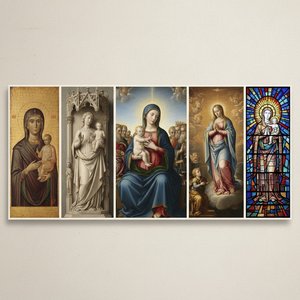
Divine Grace: A Journey Through the Most Iconic Depictions of the Virgin Mary in Art History
Embark on a profound journey through art history with our exploration of the most iconic depictions of the Virgin Mary. Discover the divine grace, symbolism, and masterful techniques found in Renaissance masterpieces and sacred iconography.
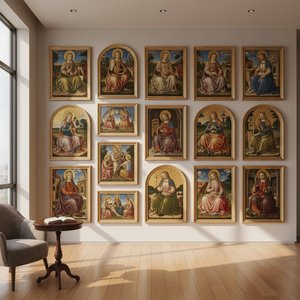
Fra Angelico: Las 25 Obras Maestras del Renacimiento para Decorar con Arte y Fe
Descubre las 25 obras maestras de Fra Angelico, el pintor renacentista que llenó el arte sacro de luz y fe. Explora su técnica, simbolismo y belleza en frescos e iconos. Encuentra reproducciones de alta calidad para decorar tu hogar con OriginalUniqueArt.com.
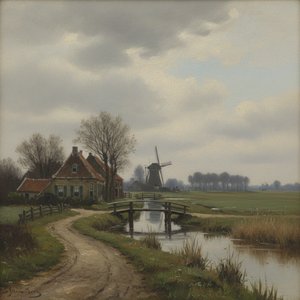
Jacob Henricus Maris: A Master of Dutch Atmospheric Realism & the Intimate Landscape
Explore the captivating world of Jacob Henricus Maris, a leading figure of the Dutch Hague School. Discover his atmospheric landscapes, signature brushstrokes & lasting influence on 19th-century art. Learn more at OriginalUniqueArt.
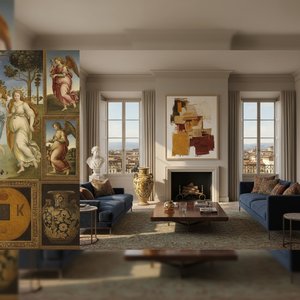
Los 25 Tesoros del Uffizi: Arte Renacentista para tu Hogar | OriginalUniqueArt
Descubre los 25 tesoros del Uffizi en Florencia: Botticelli, Leonardo da Vinci y más. Explora la historia, el arte renacentista y encuentra reproducciones de alta calidad para tu hogar. ¡Inspírate con OriginalUniqueArt.com!