

 Ver en contexto
 Enviar
 Compartir
 Detalles
 Guía
Guía

 Descargar
 Similares
 Radiografía
 Presentación de diapositivas
 Q&A
Q&A Estadísticas
St Jerome
 Oil On Panel
- Northern Renaissance
 1541
1541- Renaissance
 78.0 x 107.0 cm
 Koninklijk Museum voor Schone Kunsten
 Ver más
Giclée / Impresión de arte
Impresiones giclée o en lienzo de calidad de museo con producción rápida y opciones de acabado flexibles. ( Comprar pintura hecha a mano Cambiar a imagen digital)




P118B €10

P118H €10

P118W €10

P438Z €10

P508JH €12

P508YH €12

P805H €10

P805Z €10

P919BZ €10

P919G €10

P919XJ €10

P959ZH €10

P968JZ €12

W106C €8

W218G €10

W218JH €8

W218Y €10

W307PJ €10

W316G €10

W316PJ €8

W316Y €10

W398PJ €8

W4111J €10

W500HY €15

W500JH €15

W692G €12

W849H €8

W940BG €15

W953PJ €8




Elija entre nuestros tamaños predefinidos que respetan las proporciones originales de la obra.

Introduzca el ancho y el alto que necesite para adaptarse a su marco o pared. Una impresión solo puede recortarse, nunca hacerse más grande que la imagen original, por lo que un tamaño con una forma distinta perderá parte de la obra. Le enviaremos una maqueta digital para su aprobación antes de realizar cualquier impresión. La imagen que se muestra en esta página no refleja el recorte real; solo la maqueta lo hace.
Envío a todo el mundo () en 2 semanas en lugar de las 4/5 semanas estándar. (30 octubre)

Envío exprés gratuito a todo el mundo

Lienzo de lino de alta calidad

Seguro de envío total

Garantía de reembolso de aranceles aduaneros

Garantía de fidelidad cromática exacta

Política de devolución de 100 días (solo por defectos)

Garantía de devolución del 100% del dinero

Descuento por cantidad
 La opción de vidrio solo está disponible en tamaños inferiores a 110 cm.

St Jerome
Giclée / Impresión de arte
Dimensiones de la reproducción
-


Precio total final
€ 71
A Vision of Wisdom and Mortality
In the quiet, contemplative depths of Marinus Van Reymerswaele’s 1541 masterpiece, St Jerome, we are invited into a world where the pursuit of divine knowledge meets the heavy reality of human existence. This extraordinary oil on panel painting serves as a profound window into the Northern Renaissance, a period defined by an almost obsessive devotion to detail and a deep-seated fascination with the symbolic language of everyday objects. The central figure, an elderly scholar draped in a rich, cardinal-red robe, sits anchored at his desk, his weathered face and flowing beard telling a story of decades spent in rigorous study. As he leans over his work, the painting captures a singular moment of intellectual and spiritual intensity, drawing the viewer into a space where time seems to slow under the weight of profound thought.
The composition is a masterful dance of density and light, where every corner of the frame offers a new layer of meaning for the observant eye. Van Reymerswaele utilizes a shallow, crowded space that feels intimate yet intellectually overwhelming, much like the cluttered mind of a scholar. Scattered across the table are the tools of his devotion: heavy, leather-bound books, an inkwell poised with a quill, and the haunting presence of a skull—a classic memento mori designed to remind the viewer of the inevability of death. This juxtaposition of scholarly achievement with the symbol of mortality creates a powerful tension, suggesting that true wisdom lies in understanding our place within the fleeting cycle of life. The inclusion of musical instruments in the background further enriches this narrative, hinting at the harmony between the intellectual, the spiritual, and the sensory worlds.
Mastery of Texture and Light
Technically, St Jerome is a triumph of Flemish precision. Van Reymerswaele’s ability to manipulate oil paint allows for a breathtakingly tactile experience; one can almost feel the rough grain of the aged parchment, the cold smoothness of the bone skull, and the heavy, luxurious weight of the crimson fabric. The artist employs a sophisticated technique of layering thin, translucent glazes, which imbues the deeper tones with an inner luminosity. This method is particularly effective in the way light enters the scene—appearing to descend from an unseen source above, casting dramatic, soft-edged shadows that sculpt the figure’s features and give the objects a tangible, three-dimensional presence.
For the discerning collector or interior designer, this painting offers more than mere decoration; it provides a focal point of immense character and gravitas. The somber, earthy palette of deep browns, ochres, and reds lends itself beautifully to sophisticated, classical, or even moody contemporary interiors, where it can serve as an anchor of historical depth. To possess a reproduction of such a work is to bring a piece of the Northern Renaissance into the modern home—a constant, silent dialogue between the beauty of meticulous craftsmanship and the timeless human quest for meaning.
Preguntas y respuestas
¿Cómo se construye la composición cromática de "St Jerome" de Marinus Van Reymerswaele?
El análisis cromático de "St Jerome" de Marinus Van Reymerswaele presenta un Statement contraste y una Strong Color Unity armonía.
¿Dónde y para qué uso se recomienda "St Jerome"?
Se sugiere "St Jerome" para Focal, y el espacio recomendado es un Office.
¿Se encuentra "St Jerome" en el país de su creador?
No; la obra se encuentra en el extranjero. El país de nacimiento de Marinus Van Reymerswaele es Países Bajos, y el museo que alberga el original de "St Jerome" se encuentra en Bélgica.
Biografía del artista
El Enigmático Maestro de las Sombras de Amberes
En el bullicioso y mercantil corazón de los Países Bajos del siglo XVI, surgió un pintor cuyo pincel logró capturar la profunda tensión entre la devoción espiritual y la codicia terrenal. Marinus van Reymerswaele, un artista cuyo nombre mismo evoca la ciudad costera de Reimerswaal donde nació, sigue siendo uno de los enigmas más fascinantes del Renacimiento holandés. Su vida siguió la trayectoria típica de un artesano experto; tras estudiar en Lovaina, encontró su lugar profesional dentro del prestigioso Gremio de San Lucas de Amberes. Registrado como discípulo del vidriero Symon van Daestle, Reymerswaele poseía una mirada para el detalle y la luz que más tarde definiría su maestría sobre la textura y la atmósfera.
A medida que se establecía en Amberes, el epicentro del comercio europeo, su obra comenzó a reflejar la propia y compleja identidad de la ciudad. Dirigió un taller prolífico, un estudio vibrante capaz de producir numerosas versiones de sus temas más celebrados. Esta laboriosidad permitió que su lenguaje visual específico —una mezcla de realismo meticuloso y mordaz comentario social— impregnara las colecciones de la época. Sus pinturas no se limitaban a representar escenas; escenificaban dramas morales que reflejaban las ansiedades de una era atrapada entre la piedad medieval y la creciente marea del capitalismo.
Una Galería de Codicia y Gracia
Contemplar una obra atribuida a Reymerswaele es entrar en un espacio donde lo sagrado y lo profano colisionan. Fue un maestro de una iconografía muy específica y recurrente que cautivó la imaginación del público del siglo XVI. Sus composiciones solían centrarse en cuatro temas fundamentales que exploraban la condición humana a través de diversos prismas:
- El intenso estudio de San Jerónimo, que representa la devoción erudita y la contemplación religiosa.
- La bulliciosa actividad de los recaudadores de impuestos, funcionando como un comentario satírico sobre la avaricia y la corrupción.
- Un cambista y su esposa, capturando la intersección entre la vida doméstica y el comercio.
- El mundo legal, como un abogado en su despacho, reflejando la creciente complejidad de la burocedia cívica.
Su obra maestra, Dos recaudadores de impuestos, se erige como un ejemplo impactante del arte del Renacimiento nórdico. Mediante el uso de óleo sobre madera de roble, logró una sensación de profundidad y textura que dotó de vida a sus sujetos. La pintura sirve como un vívido comentario sobre la corrupción de los funcionarios fiscales, utilizando la detallada representación de las vestimentas y el entorno para asentar su sátira en una realidad reconocible. En estas obras, las pesadas y anticuadas prendas de sus personajes añaden una capa de crítica social, recordando al espectador el cambiante paisaje moral de la época.
Legado e Influencia Artística
El desarrollo estilístico de Marinus van Reymerswaele muestra la profunda influencia del pintor de Amberes Quentin Matsys. Esta conexión ayudó a moldear su capacidad para combinar elementos de realismo con un sentido del humor agudo y, a menudo, caricaturesco. Su trabajo se caracteriza por una atención al detalle que permite al espectador presenciar las minúsculas texturas de manuscritos, documentos legales y monedas, elementos que sirven como símbolos de la preocupación de la época por la riqueza y la ley.
Aunque trabajó extensamente en Amberes, su viaje finalmente lo llevó de regreso a los Países Bajos septentrionales. Tras trabajar en Amberes hasta al menos 1540, se trasladó a Goes, donde su vida llegó a su fin. Aunque muchos de sus paneles se conocen por atribución en lugar de firma, su impacto en la pintura de género sigue siendo innegable. Dejó tras de sí un legado visual que continúa cautivando, ofreciendo una mirada profunda a la mente de un artista que luchaba con la fe, el conocimiento y las sombras siempre presentes de la avaricia humana.
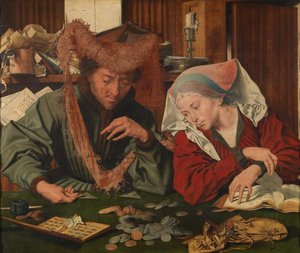
Marinus Van Reymerswaele
1490 - 1546 , Países Bajos
Datos clave
- Artistic Movement Or Style: Renacimiento nórdico
- Artists Who Influenced This Artist: ['Quentin Matsys']
- Date Of Birth: 1490
- Date Of Death: 1546
- Full Name: Marinus van Reymerswaele
- Nationality: Neerlandés
- Notable Artworks:
- Dos recaudadores de impuestos
- Los recaudadores de impuestos
- San Jerónimo en su estudio
- El cambista y su esposa
- Place Of Birth: Reimerswaal, Países Bajos
Artículos relacionados

Luz y Sombra: Las 25 Mejores Obras Maestras de Rembrandt van Rijn
Explora las 25 obras maestras de Rembrandt y su claroscuro. Encuentra reproducciones de museo en OriginalUniqueArt.com.
Renacimiento Nórdico: 10 Obras Maestras que Transformaron el Arte |
Descubre 10 obras maestras del Renacimiento Nórdico: Jan van Eyck, Durero y más. Explora la historia, el simbolismo y las técnicas de estos icónicos pintores. Encuentra reproducciones de arte exclusivas en .

El Renacimiento Septentrional: Florecimiento del Realismo y la Innovación Artística
Descubre el Renacimiento Septentrional y la maestría de los Primitivos Flamencos. Explora sus técnicas innovadoras, simbolismo oculto y obras icónicas con OriginalUniqueArt.
Renacimiento Flamenco Temprano: 10 Obras Maestras que Cambiaron la Historia del Arte | OriginalUniqueArt
Descubre las 10 obras maestras del Renacimiento Flamenco Temprano. Explora la historia de Jan van Eyck, Robert Campin y más. Reproducciones de arte en OriginalUniqueArt.com para decorar tu hogar con belleza y elegancia. ¡Explora la colección online!

Los 10 Maestros del Primitivo Flamenco: Obras que Definen un Arte Inigualable | OriginalUniqueArt
Descubre los 10 imprescindibles del Primitivo Flamenco: Jan van Eyck, Robert Campin y más. Explora la historia, simbolismo y técnica de estas obras maestras renacentistas tempranas. Encuentra reproducciones de arte de museo en OriginalUniqueArt.com.


