Menú

() ·

A painting made for you, by hand

Kimono

Reproducción al óleo hecha a mano

Óleo sobre lienzo pintado a mano en el tamaño y marco de su elección, realizado por encargo por nuestros artistas. ( Cambiar a impresiones Cambiar a imagen digital)

Descripción del objeto

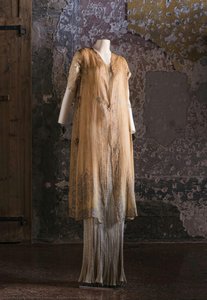
¿Te fascina el arte orientalista? Admira la belleza de este impresionante kimono creado por Mariano Fortuny, un icono del diseño textil español del siglo XX.

Biografía del artista

Mariano Fortuny (1871-1949) fue un pintor español reconocido por sus innovadoras telas, el vestido Delphos y diseños de iluminación teatral. Descubre su influencia orientalista, invenciones y legado artístico.

from ·

Chapter 1

How large should it be?

Slide to change the size; the picture on the left shows the frame at its real width. The proportions of the original are kept.

Tamaño estándar
a medida
CM
INCH

Elija entre nuestros tamaños predefinidos que respetan las proporciones originales de la obra.

ancho
altura

Indique el ancho y el alto que necesite para adaptarse a su marco o pared. Al tratarse de una obra pintada a mano, si requiere un tamaño con una proporción distinta, el artista puede pintar un poco más alrededor de la imagen o recortarla ligeramente; usted elige. Le enviaremos una maqueta digital para su aprobación antes de comenzar la pintura. La imagen que se muestra en esta página no refleja el resultado real; solo la maqueta lo hace.

Chapter 2

How should it arrive?

Choose the edges of the stretched canvas

Choose your frame

Corner sample of the WhiteWrap canvas edge finish, stretched on madera maciza bars
White €1
Corner sample of the BlurSideWrap canvas edge finish, stretched on madera maciza bars
Blurside €1
Corner sample of the ExtendedWrap canvas edge finish, stretched on madera maciza bars
Extended €1
Corner sample of the P118B picture frame: poliestireno moldeado, 5 cm wide and 3 cm thick
P118B €10
Corner sample of the P118H picture frame: poliestireno moldeado, 5 cm wide and 3 cm thick
P118H €10
Corner sample of the P118W picture frame: poliestireno moldeado, 5 cm wide and 3 cm thick
P118W €10
Corner sample of the P438Z picture frame: poliestireno moldeado, 5.5 cm wide and 3.5 cm thick
P438Z €10
Corner sample of the P508JH picture frame: poliestireno moldeado, 7 cm wide and 3.5 cm thick
P508JH €12
Corner sample of the P508YH picture frame: poliestireno moldeado, 7 cm wide and 3.5 cm thick
P508YH €12
Corner sample of the P805H picture frame: poliestireno moldeado, 5 cm wide and 3.5 cm thick
P805H €10
Corner sample of the P805Z picture frame: poliestireno moldeado, 5 cm wide and 3.5 cm thick
P805Z €10
Corner sample of the P919BZ picture frame: poliestireno moldeado, 7 cm wide and 3.5 cm thick
P919BZ €10
Corner sample of the P919G picture frame: poliestireno moldeado, 7 cm wide and 3.5 cm thick
P919G €10
Corner sample of the P919XJ picture frame: poliestireno moldeado, 7 cm wide and 3.5 cm thick
P919XJ €10
Corner sample of the P959ZH picture frame: poliestireno moldeado, 5 cm wide and 3 cm thick
P959ZH €10
Corner sample of the P968JZ picture frame: poliestireno moldeado, 6 cm wide and 4 cm thick
P968JZ €12
Corner sample of the W106C picture frame: madera maciza, 5 cm wide and 3 cm thick
W106C €8
Corner sample of the W218G picture frame: madera maciza, 5 cm wide and 3 cm thick
W218G €10
Corner sample of the W218JH picture frame: madera maciza, 5 cm wide and 3 cm thick
W218JH €8
Corner sample of the W218Y picture frame: madera maciza, 5 cm wide and 3 cm thick
W218Y €10
Corner sample of the W307PJ picture frame: madera maciza, 6 cm wide and 3 cm thick
W307PJ €10
Corner sample of the W316G picture frame: madera maciza, 6 cm wide and 3 cm thick
W316G €10
Corner sample of the W316PJ picture frame: madera maciza, 6 cm wide and 3 cm thick
W316PJ €8
Corner sample of the W316Y picture frame: madera maciza, 6 cm wide and 3 cm thick
W316Y €10
Corner sample of the W398PJ picture frame: madera maciza, 5 cm wide and 3 cm thick
W398PJ €8
Corner sample of the W4111J picture frame: madera maciza, 6.5 cm wide and 3.5 cm thick
W4111J €10
Corner sample of the W500HY picture frame: madera maciza, 7 cm wide and 5 cm thick
W500HY €15
Corner sample of the W500JH picture frame: madera maciza, 7 cm wide and 5 cm thick
W500JH €15
Corner sample of the W692G picture frame: madera maciza, 8 cm wide and 4 cm thick
W692G €12
Corner sample of the W849H picture frame: madera maciza, 5 cm wide and 3 cm thick
W849H €8
Corner sample of the W940BG picture frame: madera maciza, 7.5 cm wide and 4.5 cm thick
W940BG €15
Corner sample of the W953PJ picture frame: madera maciza, 6 cm wide and 3.5 cm thick
W953PJ €8
Corner sample of the H24-GOLD picture frame: madera tallada con estuco, 10 cm wide and 6 cm thick
H24-GOLD €30
Corner sample of the H24-SILVER picture frame: madera tallada con estuco, 10 cm wide and 6 cm thick
H24-SILVER €30
Corner sample of the H36-GOLD picture frame: madera tallada con estuco, 15 cm wide and 6.5 cm thick
H36-GOLD €45
Corner sample of the H36-SILVER picture frame: madera tallada con estuco, 15 cm wide and 6.5 cm thick
H36-SILVER €45

Moulding: . Overall size with the frame: .

Chapter 3

Who paints it, and should anything change?

Examples of what can be changed: Replace face with customer photo; Add pet (e.g., replace cat with dog); Include hidden message in background; Change background landscape or elements.
After order, OriginalUniqueArt.com team will email client for instructions and provide a mockup preview

Envío a todo el mundo () en 3-4 semanas en lugar de las 5 semanas estándar. (31 octubre). Sin comprometer la calidad.

Chapter 4

The finishing touches

A nameplate, as in a museum?

Detalles de la placa de bronce grabada

This elegant plaque features the artist's name and the title of the artwork, finely engraved for a timeless presentation.

It is made from bronze with a refined, elegant finish. The text is precisely laser-engraved for a sharp and permanent result. Measuring 9x2 cm, the plaque is compact yet easy to read. It's built to be durable and scratch-resistant, offering a professional, museum-quality look. Mounting is simple thanks to the included adhesive backing.

Detalles de la placa de acrílico transparente

The plaque includes essential engraved details such as the artist's name, the title of the artwork, the date it was created, the type of media used-like oil on canvas or watercolor-a brief description of the piece, and a QR code that links to the complete artwork information.

It is crafted from clear acrylic, offering a sleek, modern appearance. The text is UV-engraved in black to ensure strong visual contrast. With a size of 10x15 cm, it ensures optimal readability. It comes equipped with two metal hooks for secure wall mounting. The plaque is designed to be weather-resistant, making it suitable for various environments, and it includes interactive features that work seamlessly with smartphone scanning.

Detalles de la placa de acrílico negro

This elegant plaque includes engraved information such as the artist's name, the title of the artwork, the date it was created, the type of media used (like oil on canvas or watercolor), a short description of the artwork, and a QR code for quick access to more information.

The plaque itself is made from refined black acrylic with a premium finish. The text is laser-engraved in white for high contrast and readability. Its size is 10x15 cm, designed to be easy to read. It comes with two metal hooks for professional mounting. The design is sleek and fits any interior style. It is also weather-resistant and durable, with built-in digital integration for mobile compatibility.

A protective varnish?

When do you need it?

Chapter 5

Your painting, as you ordered it

Kimono

Técnica de reproducción

Dimensiones de la reproducción

-

Selección de artistas premium

Mayor nivel de detalle, delicadeza y tiempo de producción adicional

-

Enmarcado de reproducción

-

-

Para obras de arte o reproducciones que midan más de 105 cm (aproximadamente 41 pulgadas) en cualquiera de sus lados, el marco se enviará como un kit desmontado. Este método garantiza una entrega segura y evita daños durante el transporte.

Se requiere montaje profesional: este no es un producto para hacer usted mismo (DIY).
El kit debe ser ensamblado y el lienzo tensado por un enmarcador profesional con experiencia, utilizando cola para madera (no incluida), una tenaza para tensar lienzos y sargentos para mantener los bastidores alineados mientras la cola se seca. Un montaje incorrecto o una tensión desigual del lienzo pueden dañar la obra de arte de forma permanente y no están cubiertos por nuestra garantía.

  • Se incluyen todos los listones de madera maciza, cortados con precisión según las medidas.

  • Se ensambla con los tornillos incluidos, además de cola para madera para las uniones de las esquinas, la cual no se incluye y debe ser proporcionada por su enmarcador.

  • Se requieren herramientas profesionales que no están incluidas: un alicate para tensar lienzos (tensor) y abrazaderas para mantener los bastidores alineados mientras se seca el pegamento.

Importante:
Las uniones de las esquinas requieren cola para madera, los listones deben sujetarse con prensas hasta que la cola esté completamente seca, y para tensar el lienzo en el bastidor ensamblado se requiere una pinza para tensar lienzos. Ninguno de estos elementos está incluido en el kit. Por favor, contacte con un profesional del enmarcado con experiencia antes de realizar un pedido de este tamaño.

Cartela

-

-

Barniz protector

Barniz brillante (realza los colores y protege contra la luz y la humedad)

-

Personalizar mi obra

Ejemplos de lo que se puede personalizar: sustituir el rostro por una foto del cliente; añadir una mascota (por ejemplo, cambiar un gato por un perro); incluir un mensaje oculto en el fondo; cambiar el paisaje o los elementos del fondo.

-

Envío urgente

Envío a todo el mundo () en 3 o 4 semanas, en lugar de las 5 semanas habituales. (31 octubre). Sin comprometer la calidad.

-

Envío urgente

Envío internacional () en 5 semanas. (7 noviembre).

Incluido

Precio total final

€ 266

Precio total € 266

La opción de vidrio solo está disponible en tamaños inferiores a 110 cm.

Included with every order

  • Envío exprés gratuito a todo el mundo
  • Lienzo de lino de alta calidad
  • Seguro de envío total
  • Garantía de reembolso de aranceles aduaneros
  • Garantía de fidelidad cromática exacta
  • Política de devolución de 100 días (solo por defectos)
  • Garantía de devolución del 100% del dinero
  • Descuento por cantidad

Una Elegancia Oriental Inspirada en la Edad Media

Este impresionante vestido, atribuido al renombrado pintor y diseñador textil español Mariano Fortuny (1871-1949), representa una fascinante mezcla entre influencias medievales y el arte orientalista. La obra maestra, creada alrededor de 1940, captura la esencia de una época marcada por la sofisticación artística y la innovación técnica, ofreciendo una visión cautivadora del pasado que sigue inspirando hoy en día.

El Diseño Detallado: Un Juego de Líneas Orgánicas y Folículos Stylizados

La pieza destaca por su diseño complejo y meticulosamente elaborado. Predominan líneas curvas que evocan la belleza natural de las hojas, reflejando una sensibilidad estética común entre el arte europeo occidental y el oriental. Estos elementos vegetales estilizados crean un patrón continuo que guía la mirada hacia el centro de la composición, enfatizando la riqueza textural del tejido. La ejecución demuestra maestría en el uso del dibujo técnico para lograr efectos visuales sorprendentes.

Técnica Innovadora: Resist Dyeing y una Luz Indirecta Reveladora

Fortuny empleó una técnica revolucionaria conocida como resist dyeing (teñido por oposición), que permitió crear capas de color vibrantes y armoniosas sobre un tejido de lana o fibra natural similar. Esta habilidad artística fue fundamental para lograr la profundidad cromática característica del vestido, donde tonos verdes apagados, azules suaves y marrones cálidos dialogan entre sí creando una atmósfera evocadora de antigüedad y elegancia discreta. Además, el uso de iluminación indirecta – como se observa en las fotografías originales – resaltó los detalles más importantes del diseño, proyectando una luz suave que enfatizó la textura del tejido y aportó un carácter dramático al conjunto.

Simbolismo Profundo: Naturaleza, Tiempo y Tradición Artesanal

Más allá de su belleza estética, el vestido posee un significado simbólico profundo. Los motivos vegetales representan la fuerza vital de la naturaleza, pero también pueden interpretarse como símbolos del paso del tiempo y la sabiduría acumulada por generaciones de artesanos dedicados a preservar tradiciones culturales ancestrales. Esta combinación de elementos naturales y culturales refleja una visión del mundo caracterizada por el respeto hacia la historia y el arte, valores que siguen siendo relevantes en nuestra sociedad contemporánea.

Una Inspiración para el Diseño Interior Moderno

Este vestido excepcional ofrece una fuente inagotable de inspiración para aquellos interesados en el diseño interior moderno. Su paleta cromática suave pero sofisticada puede utilizarse como punto de partida para crear espacios armoniosos y elegantes, mientras que su textura rica y compleja puede replicarse en tejidos naturales como lana o seda para añadir profundidad y carácter a cualquier decoración. Una reproducción de alta calidad de esta obra maestra permitirá disfrutar de la belleza del pasado en un entorno contemporáneo, manteniendo viva la esencia de una época dorada para el arte textil español.

Preguntas y respuestas

¿A qué artista se le atribuye "Kimono"?

El artista detrás de "Kimono" es Mariano Fortuny. La obra está catalogada bajo el nombre de Mariano Fortuny.

¿Qué nivel de contraste tiene "Kimono" de Mariano Fortuny?

El nivel de contraste de "Kimono" de Mariano Fortuny es Declaración.

¿Qué tan armoniosa es la combinación de colores en "Kimono"?

Los colores de "Kimono" de Mariano Fortuny presentan una armonía Gran unidad cromática. La armonía describe la relación entre los colores.

More about this painting

Cambiar a impresiones Cambiar a imagen digital Enviar
Detalles Guía Añadir a favoritos Descargar Similares Presentación de diapositivas Q&A Estadísticas

In numbers

  • 1940the year it was painted
  • 29frames to choose from
  • standard sizes, in its own proportions
  • 5weeks to paint and deliver it
Mariano Fortuny

Mariano Fortuny

1871 - 1949, España

Quick facts about Mariano Fortuny

  • Artistic Movement Or Style: Orientalism art
  • Artists Or Movements Influenced By This Artist: ['Marcel Proust']
  • Artists Who Influenced This Artist: ['Richard Wagner']
  • Date Of Birth: May 11, 1871
  • Date Of Death: May 3, 1949
  • Full Name: Mariano Fortuny y Marsal
  • Nationality: Spanish
  • Notable Artworks:
    • Teagown
    • Portrait of Henriette Fortuny
  • Place Of Birth: Granada, Spain

Biografía del artista

Early Life and Inspiration

Mariano Fortuny y Marsal (Granada, May 11, 1871 – Venice, May 3, 1949) was a Spanish painter, inventor, sculptor, photographer, architect, and theatrical stage lighting designer. His father, Mariano Fortuny y Marsal, was a genre painter who tragically passed away when Mariano was just three years old, profoundly shaping his formative years. This event led to the family’s relocation to Paris, France, where Mariano's mother introduced him to textiles and fabrics—a pivotal influence on his artistic vision. From a young age, Fortuny demonstrated exceptional talent in painting, drawing, and sculpting, showcasing skills that quickly distinguished him from his peers. He studied at the École Supérieure des Beaux-Arts in Paris alongside Jean-Joseph Benjamin-Constant, absorbing stylistic influences that would permeate his subsequent work. His fascination with Richard Wagner’s operas fueled his artistic explorations and inspired him to delve into theatrical design—a passion he pursued relentlessly throughout his life.

Artistic Talents and Inventions

Fortuny's artistic prowess extended beyond painting; he mastered diverse mediums, including photography, sculpture, architecture, etching, and theatrical stage lighting. He revolutionized theater design with the invention of the fortuny cyclorama dome, a quarter dome constructed of plaster or cloth that utilized indirect lighting to create seamless transitions between scenes—a groundbreaking technique that dramatically enhanced visual impact. His treatise “Éclairage scénique” (1904) meticulously documented his discovery of reflecting light off different surfaces, altering its color, intensity, and properties—a scientific breakthrough that underpinned his theatrical innovations. Fortuny’s inventive spirit manifested in over twenty patented inventions between 1901 and 1934, transforming various industries and solidifying his reputation as a visionary innovator. Among his most notable achievements was the creation of the “Delphos gown,” a revolutionary textile design featuring intricate pleats that achieved its characteristic undulating texture through a complex mechanical process—a testament to Fortuny’s meticulous craftsmanship and artistic ingenuity.

Notable Contributions and Collaborations

Fortuny gained international acclaim in the 1920s, collaborating with prominent figures such as Richard Wagner and Marcel Proust. He served as stage designer for Wagner's operas, adapting his dome specifically for La Scala opera house in Milan—a feat of engineering that ensured its structural integrity during performances. His work profoundly impacted theatrical aesthetics, elevating visual storytelling to new heights. Fortuny’s artistic legacy extends beyond theater; he contributed significantly to the revival of classical motifs and techniques in decorative arts, influencing generations of artists. He collaborated closely with his brother-in-law Raimundo de Madrazo on numerous paintings—a testament to their shared artistic sensibilities and creative partnership.

Legacy and Later Life

Mariano Fortuny’s influence resonated throughout his life, culminating in his relocation to Venice in 1911 where he established a studio dedicated to preserving and disseminating his artistic heritage. He continued to experiment with new materials and techniques, pushing the boundaries of artistic expression—a characteristic trait that defined his creative journey. Fortuny's work inspired Marcel Proust’s masterpiece “À la recherche du temps perdu,” capturing the essence of Parisian intellectual life during the Belle Époque. His final years were marked by a dedication to perfecting his craft and honoring his artistic vision—a poignant reminder of his unwavering commitment to excellence. He passed away peacefully in Venice on May 3, 1949, leaving behind an enduring legacy as one of Spain’s most celebrated artists.

Selected Paintings by Mariano Fortuny

  • Teagown (Museum of Fine Arts, Boston)
  • Portrait of Henriette Fortuny

Datos clave

  • Location: Private Collection
  • Notable elements or techniques: Resist dyeing, Layered color effects
  • Year: 1910
  • Title: Kimono Coat
  • Movement: Orientalism

Test de conocimientos artísticos

Cada pregunta tiene una única respuesta correcta.

Pregunta 1:
¿Cuál es el estilo artístico predominante en esta obra?
Pregunta 2:
¿Qué técnica de tejido se utilizó para crear este vestido?
Pregunta 3:
¿Dónde encontramos ejemplos similares de esta estética textil?
Pregunta 4:
¿Qué elemento simbólico podría representar el patrón de hojas en este vestido?
Pregunta 5:
¿Quién fue Mariano Fortuny y qué innovación teatral destacó?