

 Ver en contexto
 Enviar
 Compartir
 Detalles

 Descargar
 Similares
 Radiografía
 Presentación de diapositivas
 Estadísticas
Lamentation
 Oil On Canvas
- WallArt
- Renaissance Venetian Painting
 1527
1527- Renaissance
 122.0 x 154.0 cm
 Museo del Hermitage
 Ver más
Giclée / Impresión de arte
Impresiones giclée o en lienzo de calidad de museo con producción rápida y opciones de acabado flexibles. ( Comprar pintura hecha a mano Cambiar a imagen digital)




P118B $10

P118H $10

P118W $10

P438Z $10

P508JH $12

P508YH $12

P805H $10

P805Z $10

P919BZ $10

P919G $10

P919XJ $10

P959ZH $10

P968JZ $12

W106C $8

W218G $10

W218JH $8

W218Y $10

W307PJ $10

W316G $10

W316PJ $8

W316Y $10

W398PJ $8

W4111J $10

W500HY $15

W500JH $15

W692G $12

W849H $8

W940BG $15

W953PJ $8




Elija entre nuestros tamaños predefinidos que respetan las proporciones originales de la obra.

Puede introducir sus propias dimensiones para adaptarse a un marco o espacio específico. Si el tamaño seleccionado no coincide con las proporciones de la imagen original, recortaremos la obra de arte o extenderemos la imagen con un borde con efecto espejo o de color sólido. Se enviará una maqueta digital para su aprobación antes de que comience la producción.
Tenga en cuenta que la vista previa en pantalla no refleja el recorte o la extensión real. Solo la maqueta mostrará con precisión la composición final.
Aunque existen tamaños personalizados, recomendamos seleccionar una dimensión de la lista predefinida para preservar las proporciones originales.
Envío a todo el mundo () en 2 semanas en lugar de las 4/5 semanas estándar. (8 septiembre)

Envío exprés gratuito a todo el mundo

Lienzo de lino de alta calidad

Seguro de envío total

Garantía de reembolso de impuestos aduaneros

Garantía de fidelidad cromática exacta

Política de devolución de 100 días (solo por defectos)

Garantía de devolución del 100% del dinero

Descuento por cantidad
 La opción de vidrio solo está disponible en tamaños inferiores a 110 cm.

Lamentation
Giclée / Impresión de arte
Dimensiones de la reproducción
-


Precio total final
$ 80
A Profound Echo of Sorrow: Exploring Basaiti's Lamentation
To stand before Marco Basaiti’s Lamentation is to be enveloped in an atmosphere thick with sacred grief. This monumental canvas, dating from 1527, does not merely depict a historical event; it captures the very essence of human sorrow meeting divine sacrifice. The scene unfolds outdoors against a rugged, rocky hillside, providing a stark, natural backdrop that heightens the drama unfolding at its heart. At the center, the figure of Christ, having endured the ultimate suffering on the cross, becomes the magnetic focal point for every eye in the composition. Surrounding him is a gathering of figures—at least twelve souls depicted with varying degrees of proximity and emotion—who form a complex tapestry of devotion, shock, and profound mourning.
Venetian Renaissance Mastery: Technique and Form
Basaiti’s handling of this dramatic subject showcases his skill as an artist bridging the gap between the late Quattrocento delicacy and the emerging power of the Cinquecento. While the narrative weight is immense, the execution retains a characteristic Venetian luminosity. Observe how the light seems to emanate not just from an external source, but from the very emotional core of the gathering itself. The composition is masterfully orchestrated; figures are arranged in layers, some kneeling low in palpable despair near the foreground, others standing back, their postures conveying varying degrees of contemplation and awe. The inclusion of elements like the visible bench anchors the scene slightly, giving structure to the surrounding chaos of emotion, while the overall palette speaks to the rich, earthy tones favored by Venetian masters.
Symbolism and Emotional Resonance
The symbolism within this Lamentation is deeply rooted in Christian iconography. Every gesture—the outstretched hand, the bowed head, the grouping of bodies—speaks volumes without uttering a word. The gathering itself symbolizes humanity’s eternal relationship with suffering and redemption. It invites the viewer into an intimate space of shared grief. For the modern collector or decorator, this piece offers more than mere decoration; it is a meditation object. Its palpable sense of reverence imbues any room it graces with a quiet dignity, transforming a space into a sanctuary for contemplation.
A Timeless Piece for Contemporary Spaces
Considering its size of 122 x 154 cm, this work possesses an imposing presence, making it ideal as a dramatic focal point in a grand hall, a chapel-inspired living area, or a formal reception room. When acquiring a high-quality reproduction of Basaiti’s hand-painted vision, one is not simply purchasing paint on canvas; one is inviting centuries of artistic devotion into your home. It speaks to enduring themes—loss, sacrifice, and ultimate hope—making it a piece that continues to resonate across the ages, connecting the contemporary viewer directly to the profound emotional currents of Renaissance Venice.
Biografía del artista
Marco Basaiti: El puente entre la pintura veneciana del Quattrocento y el Cinquecento
Marco Basaiti (c. 1470 – 1530) se erige como una figura fundamental en la Venecia del Renacimiento, representando un periodo de transición crucial entre las convenciones estilísticas del Quattrocento y la floreciente grandeza del Cinquecento. Aunque los detalles biográficos siguen siendo escasos —un testimonio de los desafíos que enfrentaba la documentación de artistas durante aquella era—, la investigación académica, extraída de firmas supervivientes y registros gremiales, dibuja el retrato de un artista profundamente integrado en el paisaje artístico de su tiempo. El relato de Vasari, aunque debatido en lo que respecta a la identidad de Basaiti (al creer que en realidad se trataba de dos individuos distintos), lo consolidó como un pintor veneciano prominente junto a luminarias como Giovanni Bellini y Cima da Conegliano.- Primeros años y formación: Nacido alrededor de 1470, ya fuera en Venecia o en Friuli, los orígenes familiares de Basaiti están envueltos en misterio —probablemente albaneses o griegos—, lo que refleja la tendencia prevalente de las comunidades extranjeras a mantener un relativo aislamiento dentro de la sociedad veneciana y, por consiguiente, limitando su presencia en los registros oficiales. El testamento fechado en 1526 ofrece pistas tentadoras sobre sus vínculos familiares, pero sigue sujeto al escrutinio académico en cuanto a su veracidad.
- La influencia de Bartolomeo Vivarini: La evidencia sugiere que la educación artística formativa de Basaiti ocurrió bajo la tutela de Bartolomeo Vivarini, cuyas innovaciones estilísticas impactaron profundamente en las primeras obras del maestro. La muerte de Vivarini a finales de la década de 1490 marcó un punto de inflexación significativo, impulsando a Basaiti a colaborar con el sobrino de Vivarini, Alvise Vivarini, una conexión corroborada por los encargos realizados tras el fallecimiento de Alvise.
Estilo y técnica artística: Raíces del Quattrocento abrazando la innovación del Cinquecento
A pesar de heredar las sensibilidades estilísticas del Quattrocento, Basaiti adaptó con destreza su enfoque para resonar con las corrientes estéticas en evolución del Cinquecento. Sus lienzos demuestran una mezcla magistral de ideales clásicos y observación humanista, algo particularmente evidente en sus retratos, que priorizan la precisión anatómica y el matiz psicológico. El uso del sfumato —una técnica pionera de Bellini— caracterizó muchas de sus pinturas, creando sutiles gradaciones de tono que dotan a las figuras de una cualelo etéreo. Además, las composiciones de Basaiti incorporaron a menudo complejos arreglos espaciales y efectos de iluminación dramáticos, señalando un alejamiento de las perspectivas más planas favorecidas en el arte veneciano temprano.- Encargos y colaboraciones notables: Basaiti alcanzó un renombre considerable gracias a los encargos realizados por mecenas influyentes, especialmente Alvise Vivarini, quien le confió la finalización de San Pedro entronizado y cuatro santos, un retablo inacabado que demostró la capacidad de Basaiti para ejecutar proyectos ambiciosos bajo presión.
Temática e iconografía: Retratos religiosos que reflejan la espiritualidad veneciana
La obra de Basaiti comprende predominantemente retratos —que a menudo representan a nobles y dignatarios eclesiásticos— y escenas religiosas. A diferencia de muchos de sus contemporáneos, que exploraron temas mitológicos, el enfoque artístico de Basaiti permaneció firmemente arraigado en la iconografía cristiana. Sus pinturas representan con frecuencia a santos y figuras bíblicas con un detalle meticuloso y gestos expresivos, transmitiendo una profunda contemplación espiritual.- Legado y trascendencia histórica: La contribución de Marco Basaiti a la pintura renacentista veneciana no reside meramente en sus obras individuales, sino también en su papel como conducto entre tradiciones estilísticas. Él encarna el dinamismo de la evolución artística, un testimonio de la posición perdurable de Venecia a la vanguardia de la innovación cultural europea durante el siglo XVI.
Investigación adicional y recursos
Para una exploración más profunda de la vida y obra de Marco Basaiti, consulte el registro completo ULAN del Getty Research Institute (
Marco Basaiti
1470 - 1530 , Italia
Datos clave
- Artistic Movement Or Style: Renaissance painting
- Artists Or Movements Influenced By This Artist: ['Giovanni Bellini']
- Artists Who Influenced This Artist: ['Bartolomeo Vivarini']
- Date Of Birth: c. 1470
- Date Of Death: 1530
- Full Name: Marco Basaiti
- Nationality: Italian
- Notable Artworks:
- Portrait of a Young Man
- Portrait of a Man in a Cap
- St Peter Enthroned and Four Saints
- Place Of Birth: Venice, Italy
Artículos relacionados

Sacred Narratives on Canvas: Exploring Religious Scenes & Their Enduring Influence
Explore the rich history of religious art from Giotto to the Renaissance masters with OriginalUniqueArt. Discover symbolism, techniques & enduring legacies. Museum-quality reproductions available.
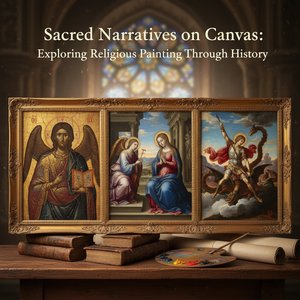
Sacred Narratives on Canvas: Exploring Religious Painting Through History
Explore the rich history of religious painting with OriginalUniqueArt.com! Discover iconic artworks, symbolism & techniques from antiquity to the Renaissance. Enhance your art appreciation today.

Sacred Visions: Exploring Faith & Devotion in Religious Art Across Cultures
Explore the rich history of religious art across cultures! Discover symbolism, Renaissance masterpieces & the power of color in devotional works. Expert insights for collectors and enthusiasts.
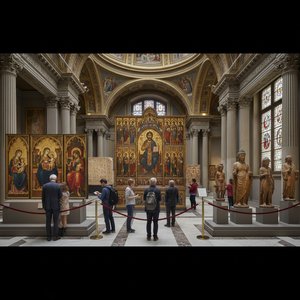
Sacred Narratives Embodied: A Comprehensive Exploration of Religious Iconography in Art History
Explore the rich history of religious iconography in art! Discover symbolism, movements & masterpieces from Byzantine to Renaissance periods. Expert insights for collectors and enthusiasts at OriginalUniqueArt.

Illuminating Belief: Faith & Symbolism Across Art History's Canvas
Explore the rich history of faith through art! Discover religious symbolism, Renaissance masterpieces & iconic artists. Expert analysis for collectors & enthusiasts. Learn more at OriginalUniqueArt.