
 Vista previa
 Compartir
 Compartir
 Ver detalles

 Descargar
 Ver similares
 Radiografía
 Presentación de diapositivas
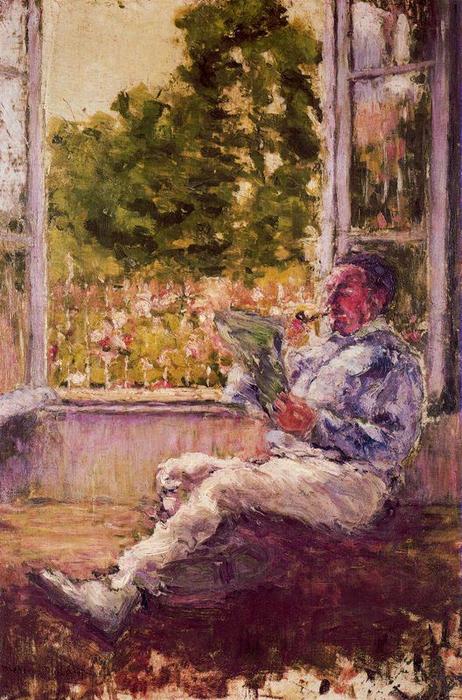
Man sitting beside a window

 Leer más
Adquiera una imagen digital de alta resolución y optimizada, muy superior a la vista previa en línea.
Cada archivo es preparado meticulosamente por nuestros especialistas internos mediante el uso de herramientas avanzadas y un experto retoque manual. Nos aseguramos de que cada imagen posea una claridad excepcional, una precisión cromática impecable y un detalle minucioso.
El archivo final se entrega por correo electrónico en un plazo de 72 horas, optimizado para su uso inmediato en entornos profesionales, editoriales y de impresión. Esta es la misma calidad en la que confían los estudios de diseño, las editoriales y las galerías de primer nivel.
Imagen Digital
Descarga un archivo de alta resolución para exhibición personal, impresión y proyectos creativos. ( Cambiar a impresión Cambiar a pintura hecha a mano)
Incluido en cada compra de imágenes digitales
Entrega digital experta, garantizada.
Al elegir OriginalUniqueArt.com, no solo está adquiriendo una imagen; está recibiendo una obra de arte digital mejorada profesionalmente, elaborada con precisión y respaldada por una garantía de satisfacción. Esto es todo lo que incluye su pedido, automáticamente:

Entrega rápida por email
Recibirá su archivo de imagen digital en alta resolución por correo electrónico en un plazo de 72 horas tras realizar su pedido, listo para su uso inmediato.

Archivo digital optimizado por IA
Su obra de arte se optimiza profesionalmente mediante herramientas avanzadas de IA y edición manual, garantizando el máximo detalle, claridad y precisión cromática.

Reenvío gratuito de por vida
¿Has borrado o perdido tu archivo por error? No te preocupes: te lo volveremos a enviar en cualquier momento, sin coste adicional.

Sin gastos de importación, siempre
Disfrute de su obra de arte al instante sin aduanas, aranceles ni gastos de envío; las descargas digitales siempre están libres de impuestos.

Garantía de precisión de color
Garantizamos que su imagen digital refleje los colores originales con la mayor fidelidad posible, mediante el uso de herramientas profesionales y gestión del color.

Garantía de satisfacción de 60 días
Si no está satisfecho con su imagen digital, la revisaremos o le reembolsaremos el 100% en un plazo de 60 días, sin preguntas.

100% Garantía de devolución de dinero
¿No está satisfecho? Obtenga un reembolso completo dentro de los 60 días posteriores a la recepción de su archivo digital, sin necesidad de explicaciones.

Descuentos por volumen
Compra 3 imágenes, ahorra 10% - Compra 5, ahorra 15% - Compra 10+, ahorra 20%. Ideal para proyectos creativos, galerías y agencias.
Descripción del coleccionable
A Window Into Duchamp’s Vision: Examining “Man Seated by a Window”
Marcel Duchamp's "Man Seated by a Window," painted in 1907, stands as an arresting testament to the artist’s burgeoning fascination with challenging conventional artistic boundaries. Created during his formative years amidst the vibrant currents of Impressionism and Cubism – movements he would soon dismantle – this deceptively simple canvas embodies Duchamp's nascent philosophical inquiries into the very essence of art itself. It’s a piece that invites contemplation not merely for its aesthetic qualities, but for the profound questions it poses about perception and representation.The Painting's Composition and Style
At first glance, “Man Seated by a Window” presents a tranquil scene: a solitary figure positioned before a window overlooking blossoming plants. The artist skillfully employs Post-Impressionist techniques—characterized by expressive brushstrokes and vibrant color palettes—to convey an atmosphere of contemplative repose. Unlike the meticulous realism championed by Impressionists, Duchamp deliberately eschews detailed depiction, prioritizing instead emotional resonance over photographic accuracy. This stylistic choice reflects his growing disillusionment with traditional artistic conventions and foreshadows his groundbreaking embrace of Conceptual Art. The muted blues and greens dominating the background harmonize beautifully with the warmer hues emanating from the flowers, creating a visual equilibrium that underscores the painting’s serene mood.Technique and Material Considerations
Duchamp executed “Man Seated by a Window” in oil on canvas—a medium he had begun to explore during his academic training—demonstrating an impressive command of artistic craft. However, his approach transcends mere technical proficiency; it's infused with a spirit of experimentation that anticipates Duchamp’s later innovations. The brushstrokes are loose and gestural, conveying movement and capturing the fleeting effects of light on the foliage outside the window. Notably, Duchamp deliberately avoids blending colors extensively, allowing individual pigments to retain their distinct identities—a technique that contributes significantly to the painting's textural richness and visual vibrancy.Historical Context: Impressionism’s Legacy and Duchamp’s Dissolution
“Man Seated by a Window” emerges from the crucible of Impressionism, a movement that revolutionized painting by prioritizing subjective experience over objective observation. Artists like Monet and Renoir sought to capture the ephemeral beauty of nature—the shimmering light, the shifting colors—rather than striving for precise likenesses. Duchamp’s rejection of Impressionistic ideals represents a decisive break with artistic tradition, signaling his commitment to dismantling established hierarchies and redefining notions of artistic value. He viewed Impressionism as aesthetically pleasing but intellectually stagnant, arguing that it lacked the capacity to grapple with fundamental philosophical dilemmas.Symbolic Resonance: The Window as Portal to Reflection
The window itself serves as a potent symbol within “Man Seated by a Window,” representing not merely an architectural feature but also a conduit for introspection and contemplation. As Duchamp himself noted, the figure seated before the window is engaged in "looking," suggesting that he is actively confronting his own thoughts and emotions—a process mirrored in the blossoming flowers outside. The juxtaposition of interior stillness and exterior vitality underscores the painting’s central theme: the relationship between inner consciousness and external reality. It's a visual meditation on the transformative power of observation and the importance of engaging with one's surroundings in a mindful manner.Emotional Impact: Tranquility Amidst Uncertainty
Despite its understated aesthetic qualities, “Man Seated by a Window” possesses an undeniable emotional impact—one characterized by tranquility, serenity, and a subtle hint of melancholy. The painting’s harmonious color scheme and expressive brushstrokes evoke feelings of peace and contentment, inviting viewers to savor the beauty of the natural world. Yet, beneath this surface calm lies a deeper resonance—a recognition that even in moments of repose, we remain confronted with existential questions about our place in the universe. Duchamp's masterpiece continues to captivate audiences today precisely because it speaks to the enduring human desire for connection—both with oneself and with the broader tapestry of existence.Biografía del artista
vida temprana y comienzos artísticos
marcel duchamp, un pintor, escultor, jugador de ajedrez y escritor francés-estadounidense, nació el 28 de julio de 1887 en Blainville-Crevon, Normandía, Francia. Su familia, conocida por sus inclinaciones culturales, fomentó su temprano interés por el arte. El viaje artístico de Duchamp comenzó con estilos postimpresionistas, experimentando con técnicas y temas clásicos.evolución artística y obras notables
- La obra de marcel duchamp está asociada con el cubismo, el arte conceptual y el dadaísmo, aunque fue cauteloso sobre su uso del término dada.
- Una de sus obras más famosas, Fountain (1917), una urinaria firmada 'r. mutt', es un ejemplo de sus readymades, desafiando la noción de lo que constituye el arte.
- Retrato de jugadores de ajedrez (1911), una obra cubista, muestra su interés por el juego y sus aspectos estratégicos.
- A ser mirado (desde el otro lado del vidrio) con un ojo, cerca de, casi una hora (1945) es otra obra notable, que refleja sus inclinaciones dadaístas.
influencia y legado
El impacto de Duchamp en el arte del siglo XX es inmenso. Él, junto con Pablo Picasso y Henri Matisse, definió las artes plásticas a principios del siglo XX. Su enfoque conceptual del arte ha influido en generaciones de artistas.- Explore más obras de Duchamp en OriginalUniqueArt: Marcel Duchamp | obras de arte
- Descubra el Museo Ohara de Arte, Japón, que presenta colecciones de arte occidental, incluidas algunas influenciadas por el estilo de Duchamp: Museo Ohara de Arte, Japón
- Aprenda más sobre Lettrism, un movimiento influenciado por el dadaísmo y el surrealismo, del que Duchamp formó parte: Movimiento artístico Lettrism
conclusión
El enigmático enfoque de arte de Marcel Duchamp, que combina elementos conceptuales y dadaístas, ha dejado una marca indeleble en el mundo del arte. Su legado continúa inspirando a los artistas e influyendo en el desarrollo del arte moderno y contemporáneo. Franck Scurti, un artista francés conocido por su arte conceptual, sigue los pasos de Duchamp, ampliando el legado de este pionero artista.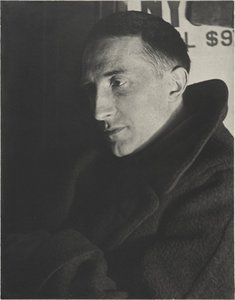
Marcel Duchamp
1887 - 1968 , Francia
Datos clave
- Artistas Influenciados Por: ['Franck Scurti']
- Fecha De Muerte: 1968
- Fecha De Nacimiento: 28 de julio de 1887
- Lugar De Nacimiento: Blainville-sur-Mer, Francia
- Movimiento Artístico:
- Cubismo
- Dadaísmo
- Arte conceptual
- Nacionalidad: Francesa-estadounidense
- Nombre Completo: Marcel Duchamp
- Obras Notables:
- Fuente
- Retrato de jugadores de ajedrez
- La novia desnudada
- L.H.O.O.Q.
- Boîte-en-valise

