

 Vista previa
 Compartir
 Compartir
 Ver detalles

 Descargar
 Ver artículos similares
 Radiografía
 Presentación de diapositivas
 Estadísticas
Noah y el arco
 Acrílico sobre lienzo
- Arte de pared
- Surrealism
 1963
1963- Edad Moderna
 33.0 x 28.0 cm
 Leer más
Reproducción al óleo hecha a mano
Óleo sobre lienzo pintado a mano en el tamaño y marco de su elección, realizado por encargo por nuestros artistas. ( Cambiar a formato impreso Ver versión en imagen digital)




P118B $10

P118H $10

P118W $10

P438Z $10

P508JH $12

P508YH $12

P805H $10

P805Z $10

P919BZ $10

P919G $10

P919XJ $10

P959ZH $10

P968JZ $12

W106C $8

W218G $10

W218JH $8

W218Y $10

W307PJ $10

W316G $10

W316PJ $8

W316Y $10

W398PJ $8

W4111J $10

W500HY $15

W500JH $15

W692G $12

W849H $8

W940BG $15

W953PJ $8




Elija entre nuestros tamaños predefinidos que respetan las proporciones originales de la obra.

Puede ingresar sus propias dimensiones para adaptarse a un marco o espacio específico. Si el tamaño seleccionado no coincide con las proporciones de la imagen original, recortaremos la obra o extenderemos la pintura con elementos adicionales pintados a mano. Se le enviará una maqueta digital para su aprobación antes de comenzar la producción.
Tenga en cuenta que la vista previa en pantalla no refleja el recorte o la extensión reales. Solo la maqueta mostrará con precisión la composición final.
Si bien existen tamaños personalizados, recomendamos seleccionar una dimensión de la lista predefinida para preservar las proporciones originales.
Tras realizar el pedido, el equipo de OriginalUniqueArt.com enviará un correo electrónico al cliente para solicitar instrucciones y proporcionarle una vista previa del boceto.
Envío a todo el mundo () en 3-4 semanas en lugar de las 5 semanas estándar. (15 septiembre). Sin comprometer la calidad.

Envío exprés gratuito a todo el mundo

Lienzo de lino de alta calidad

Seguro de envío completo

Garantía de reembolso de impuestos aduaneros

Garantía de fidelidad cromática exacta

Política de devolución de 100 días (solo por defectos)

Garantía de devolución del 100% del dinero

Oferta por volumen
 La opción de vidrio solo está disponible en tamaños inferiores a 110 cm.

Noah y el arco
Técnica de reproducción
Tamaño de la reproducción
-


Precio total
$ 300
A Sanctuary of Dreams: Exploring Marc Chagall’s ‘Noah's Ark’
Marc Chagall’s ‘Noah's Ark’, painted in 1963, is not merely an illustration of the biblical tale; it’s a vibrant distillation of memory, faith, and the enduring human spirit. Measuring a delicate 33 x 28 cm, this work possesses an intimacy that belies its grand subject matter. Chagall doesn't present us with a literal depiction of the flood or the ark’s construction. Instead, he offers a dreamscape – a swirling vortex of color and form populated by animals both familiar and fantastical, all sheltered within the embrace of the vessel. The painting is a testament to his unique artistic language, born from a childhood steeped in the folklore and religious traditions of Vitebsk, Belarus. It’s a style that defies easy categorization, drawing upon elements of Cubism, Symbolism, and Fauvism, yet remaining distinctly, undeniably Chagall.The Language of Symbols: A Visual Testament
To understand ‘Noah's Ark’, one must delve into the symbolic world that Chagall so masterfully constructed throughout his career. The ark itself isn’t portrayed as a sturdy, seaworthy vessel but rather as an almost ethereal haven, overflowing with life. Animals – cows, sheep, goats, horses, birds – are not arranged realistically; they seem to float and intertwine, representing the universal salvation offered by Noah. These creatures weren't simply chosen at random; each held significance within Jewish tradition and Chagall’s personal iconography. The presence of multiple figures, some standing, others reclining, suggests a collective humanity finding refuge from impending doom. A smaller boat in the background hints at the vastness of the flood and perhaps, the enduring hope for renewal. Even the bird soaring above isn't just an avian detail; it embodies freedom, peace, and the promise of a new beginning – a recurring motif throughout Chagall’s oeuvre. The painting is not about the disaster itself but about the preservation of life and the resilience of spirit in the face of adversity.Chagall’s Technique: A Symphony of Color and Form
Chagall's technique in ‘Noah's Ark’ is as captivating as its subject matter. He employs a vibrant palette, layering colors with a delicate touch that creates a luminous quality. The pastel medium allows for a fluidity and softness that perfectly complements the dreamlike atmosphere of the scene. Forms are simplified and often distorted, prioritizing emotional expression over strict realism. This deliberate distortion isn’t a flaw but rather a key element of his style – it imbues the painting with a sense of movement and energy. Chagall's brushstrokes aren’t hidden; they contribute to the overall texture and vibrancy of the work, revealing the artist’s hand in every detail. It is this masterful manipulation of color and form that allows him to convey not just what he *sees*, but what he *feels* about the story of Noah.A Legacy of Hope: Chagall and the Biblical Narrative
Chagall's engagement with biblical themes wasn’t accidental. Born into a Hasidic Jewish family, he was deeply familiar with the stories and traditions of his faith. In his later years, particularly after witnessing the horrors of World War II, these narratives took on new resonance. He created an entire series of paintings inspired by the Bible in the 1950s and 60s, culminating in the stunning stained-glass windows for the Hadassah Hospital Synagogue in Jerusalem. ‘Noah's Ark’ is a pivotal piece within this body of work, representing Chagall’s profound belief in the enduring power of hope and redemption. It stands as a testament to his ability to transform ancient stories into timeless works of art that continue to inspire and move audiences today. The painting isn’t just a depiction of a biblical event; it’s a universal message about survival, faith, and the beauty of life itself.Photo Description:
The image is a pastel drawing of Marc Chagall’s “Noah’s Ark”. It depicts a fantastical landscape populated by animals—cows, sheep, horses, birds—all nestled within a large boat. The composition exudes tranquility and conveys a sense of spiritual contemplation. The artist’s distinctive style—characterized by simplified forms and vibrant colors—captures the essence of Chagall's artistic vision.Size:
The dimensions of “Noah’s Ark” are 33 x 28 cm (approximately 13 x 11 inches), reflecting Chagall’s preference for intimate canvases that allow for nuanced expression. ## Date: Painted in 1963, this artwork embodies the artist's artistic maturity and reflects his unwavering commitment to exploring themes of faith and human resilience.Biografía del artista
Marc Chagall: Una Vida en Color e Imaginación
Primeros Años e Influencias
- Nacimiento y Origen: Marc Zakharovich Chagall nació el 6 de julio de 1887 (O.S. 24 de junio) en Liozna, cerca de Vitebsk, Bielorrusia, dentro de una familia judía hasidica.
- El Impacto de Vitebsk: Su infancia en Vitebsk, conocida como la “Toledo rusa”, moldeó profundamente su visión artística. La ciudad, con su mezcla única de culturas y su pintoresco paisaje – iglesias, sinagogas, bulliciosos mercados – se convirtió en motivos recurrentes en su obra.
- Tendencia Artística Temprana: A pesar de los modestos recursos de su familia, Chagall mostró un talento temprano para el arte, aprendiendo inicialmente de un pintor de letreros local antes de seguir una formación formal.
Desarrollo Artístico y Estilo
- Formación Temprana: Estudió en San Petersburgo con Léon Bakst y más tarde en París en la Academia de la Grande Chaumière, donde se encontró con movimientos vanguardistas.
- Fusión de Estilos: El estilo de Chagall es una síntesis única de diversas influencias. Absorbió elementos del Cubismo, el Simbolismo y el Fauvismo, pero nunca se adhirió por completo a un solo movimiento, forjando su propio camino distintivo.
- Características Clave: Su obra se caracteriza por colores vibrantes, imágenes oníricas, criaturas fantásticas y una sensación de nostalgia por su infancia en Vitebsk. A menudo presenta figuras flotantes, perspectivas distorsionadas y representaciones simbólicas.
Obras Maestras y Logros
- Maestros Tempranos: Pinturas como “Yo y el Pueblo” (1911) demuestran su exploración temprana de la memoria, la identidad y la relación entre el individuo y la comunidad.
- Revolución Rusa y Regreso a Vitebsk: Después de la Revolución Rusa, Chagall regresó a Vitebsk y se involucró en iniciativas culturales, estableciendo una escuela de arte. Sin embargo, pronto se desilusionó con las restricciones impuestas por el nuevo régimen.
- Reconocimiento Internacional: Eventualmente dejó Rusia y se estableció en Francia, donde su carrera floreció. Obras notables de este período incluyen “Sobre Vitebsk” (1920-1922) y numerosas pinturas inspiradas en las historias bíblicas como “El Sueño de Jacob.”
- Comisiones Tardías: Chagall recibió importantes comisiones más tarde en la vida, incluyendo el techo del Opera de París (1964), vidrieras para el sinagoga del Hospital Hebreo Hadassah en Jerusalén y la Catedral de Reims.
Influencias y Legado
- Influencias Artísticas: Fue influenciado por artistas como Vladimir Lukich Borovikovsky, cuyo retrato admiraba, así como por las corrientes más amplias del modernismo temprano.
- Impacto en Artistas Posteriores: El trabajo de Chagall ha inspirado a generaciones de artistas con su calidad lírica, profundidad emocional y poder imaginativo. Su influencia se puede ver en el Surrealismo y otros movimientos que adoptaron la fantasía y el simbolismo.
- Significado Histórico: Se considera uno de los personajes más importantes del arte del siglo XX, conectando el modernismo europeo con la identidad cultural judía. Su capacidad para sintetizar la experiencia personal, las leyendas y los temas universales continúa resonando entre audiencias en todo el mundo.
- El “Artista Judío Quintesencial”: Chagall es a menudo llamado el “artista judío quintesencial del siglo XX” debido a su exploración frecuente de temas, tradiciones y experiencias judías en su arte.
Muerte y Remembrance
- Últimos Años: Marc Chagall continuó pintando y creando hasta su muerte el 28 de marzo de 1985, a la edad de 97 años, en Saint-Paul-de-Vence, Francia.
- Legado Duradero: Su obra se exhibe en importantes museos alrededor del mundo, asegurando que su visión vibrante e imaginativa continúe inspirando y cautivando a los amantes del arte por generaciones venideras.
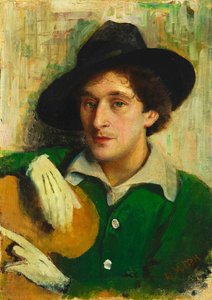
Marc Chagall
1887 - 1985 , belarus
Datos clave
- Artistas Influenciados: ['Surrealismo']
- Artistas Que Influyeron: ['Vladimir Lukich Borovikovsky']
- Fecha De Muerte: 28 de marzo de 1985
- Fecha De Nacimiento: 6 de julio de 1887
- Lugar De Nacimiento: Liozna, Bielorrusia
- Movimiento Artístico:
- Cubismo
- Simbolismo
- Fauvismo
- Nacionalidad: Ruso-Francés
- Nombre Completo: Marc Chagall (Moishe Shagal)
- Obras Notables:
- Yo y el Pueblo
- Sobre Vitebsk
- El Sueño de Jacob
- Liberación
- La Promenada
- Recién casados con París
- Pliushkin trata a Tchtchikov
- Bajo la nieve
- En el cielo sobre la Ópera
- La Mujer y las Rosas
- El pintor alado
- Pareja sobre un Fondo Rojo
- José ha sido reconocido
Artículos relacionados
Cubismo Expresionista: 10 Obras Maestras que Transformaron el Arte | OriginalUniqueArt
Descubre las 10 obras maestras del Cubismo Expresionista con OriginalUniqueArt. Explora la historia de Picasso, Braque y otros artistas clave. Encuentra reproducciones de arte exclusivas para transformar tu hogar. ¡Explora la colección completa en OriginalUniqueArt.com!

Franz Marc: Expressionism, Spirituality & the Animal Symbolism of a Modern Master
Explore the profound world of Franz Marc's Expressionist paintings. Discover his spiritual connection to animals, innovative use of color, and lasting impact on modern art history. Learn more at OriginalUniqueArt.
The Essence of Naïve Art: A Professional Guide to Unfiltered Creativity and Aesthetic Sincerity
Explore the profound beauty of Naïve Art. Discover its unique characteristics, historical significance, and how this unfiltered, sincere aesthetic can elevate professional interior design through high-quality, hand-painted reproductions.

Expresionismo Alemán: 10 Obras Maestras que Transformaron el Arte | OriginalUniqueArt
Descubre las 10 obras maestras del Expresionismo Alemán: Kirchner, Munch y más. Explora la historia, técnica y emoción detrás de estos lienzos icónicos. Reproducciones de arte de museo en OriginalUniqueArt.com. ¡Inspira tu hogar con arte!

Unlocking Emotion: A Beginner's Guide to the Raw Power of Symbolic Expressionism Art
Discover the raw emotion of Symbolic Expressionism. Our expert guide explores how masters like Munch use color and form to convey inner feelings, offering inspiration for collectors looking to bring powerful, soulful art into their modern homes.


