Ver en contexto
 Enviar
 Compartir
 Detalles

 Descargar
 Similares
 Radiografía
 Presentación de diapositivas
 Estadísticas
Count Étienne de Beaumont


 Ver más
Reproducción al óleo hecha a mano
Óleo sobre lienzo pintado a mano en el tamaño y marco de su elección, realizado por encargo por nuestros artistas. ( Cambiar a Impresión Cambiar a imagen digital)




P118B $10

P118H $10

P118W $10

P438Z $10

P508JH $12

P508YH $12

P805H $10

P805Z $10

P919BZ $10

P919G $10

P919XJ $10

P959ZH $10

P968JZ $12

W106C $8

W218G $10

W218JH $8

W218Y $10

W307PJ $10

W316G $10

W316PJ $8

W316Y $10

W398PJ $8

W4111J $10

W500HY $15

W500JH $15

W692G $12

W849H $8

W940BG $15

W953PJ $8




Elija entre nuestros tamaños predefinidos que respetan las proporciones originales de la obra.

Puede ingresar sus propias dimensiones para adaptarse a un marco o espacio específico. Si el tamaño seleccionado no coincide con las proporciones de la imagen original, recortaremos la obra o extenderemos la pintura con elementos adicionales pintados a mano. Se le enviará una maqueta digital para su aprobación antes de comenzar la producción.
Tenga en cuenta que la vista previa en pantalla no refleja el recorte o la extensión reales. Solo la maqueta mostrará con precisión la composición final.
Si bien existen tamaños personalizados, recomendamos seleccionar una dimensión de la lista predefinida para preservar las proporciones originales.
Tras realizar el pedido, el equipo de OriginalUniqueArt.com enviará un correo electrónico al cliente para solicitar instrucciones y proporcionarle una vista previa del boceto.
Envío a todo el mundo () en 3-4 semanas en lugar de las 5 semanas estándar. (13 septiembre). Sin comprometer la calidad.

Envío exprés gratuito a todo el mundo

Lienzo de lino de alta calidad

Seguro de envío total

Garantía de reembolso de impuestos aduaneros

Garantía de fidelidad cromática exacta

Política de devolución de 100 días (solo por defectos)

Garantía de devolución del 100% del dinero

Descuento por cantidad
 La opción de vidrio solo está disponible en tamaños inferiores a 110 cm.

Count Étienne de Beaumont
Técnica de reproducción
Dimensiones de la reproducción
-


Precio total final
$ 300
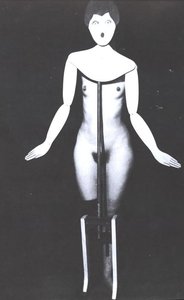
Portrait of Count Étienne de Beaumont – A Glimpse into Parisian Elegance
Man Ray’s portrait of Count Étienne de Beaumont isn't merely a likeness; it’s a carefully constructed tableau vivant, a frozen moment capturing the essence of 1920s Parisian high society. Executed in stark black and white, the image transcends simple representation, offering instead a sophisticated meditation on identity, status, and the allure of the era. The painting, twice published in Vogue during its time, reveals a deliberate layering of influences – from the formal portraiture traditions of the past to the burgeoning experimentation of early 20th-century photography and the nascent surrealist movement.
The Count himself—a figure of considerable presence—dominates the frame. His profile is rendered with an almost sculptural precision, his features sharp and defined against a subtly textured background. The lighting, soft and diffused, avoids harsh contrasts, instead sculpting the planes of his face and hinting at the luxurious fabrics of his attire. Notice how Ray’s technique deliberately minimizes detail in the background, drawing all attention to the subject's commanding gaze and carefully cultivated air of aloof sophistication. This strategic simplification is a hallmark of Man Ray’s approach – he wasn’t interested in documenting reality but rather in distilling it into its most potent visual elements.
The Context of Parisian Glamour
To fully appreciate the portrait, one must understand the vibrant social landscape of 1920s Paris. The Count Étienne de Beaumont was a prominent figure within this milieu – the host of lavish balls and gatherings that drew together artists, intellectuals, and socialites from across Europe. These events were legendary for their extravagance, their theatricality, and their role as crucial hubs for artistic exchange. Man Ray’s photograph captures not just a portrait but a fragment of this intoxicating atmosphere—a glimpse into a world of glittering gowns, whispered conversations, and the relentless pursuit of beauty and innovation.
The portrait's creation coincided with a period of intense artistic ferment. The Dada movement was challenging established notions of art and aesthetics, while Surrealism was exploring the realm of dreams and the subconscious. Man Ray, deeply immersed in these movements, brought his experimental sensibilities to bear on this commission, subtly incorporating elements of abstraction and distortion into the composition. The inclusion of Jean Cocteau, a close friend of the Count, further underscores the portrait’s significance within the artistic circles of the time – a testament to the Count's patronage and influence.
Technique and Artistic Choices
Ray employed a traditional silver gelatin print technique, lending the image a subtle graininess that adds to its vintage feel. This choice is deliberate; it’s not about achieving photographic sharpness but rather about evoking the materiality of the medium itself. The careful manipulation of light and shadow—a key element in Ray's style—creates a sense of depth and drama, emphasizing the Count’s aristocratic bearing. The composition, with its strong vertical lines and symmetrical arrangement, contributes to the portrait’s formal elegance, while subtle distortions – particularly in the rendering of the background – hint at the artist’s surrealist leanings.
Notably, the portrait stands in contrast to a separate commissioned depiction by Baron Meyer. While Meyer's version presents a more overtly celebratory and idealized image of the Count—a towering figure adorned with opulent attire—Ray’s photograph offers a more intimate and subtly critical perspective. The softer lighting, the slightly averted gaze, and the simplified background all contribute to a sense that Ray is revealing a more complex and perhaps less glamorous side of the Count's personality – a man both arrogant and vulnerable, aloof yet undeniably captivating.
Symbolism and Emotional Resonance
Beyond its technical merits, the portrait resonates with powerful symbolic meaning. The Count’s attire—a dark grey suit, crisp white shirt collar, and a neatly tied tie—conveys an aura of wealth, status, and authority. The small handkerchief in his breast pocket adds a touch of human vulnerability, suggesting that even behind this carefully constructed facade lies a more relatable individual. The overall effect is one of restrained elegance – a portrait that invites contemplation and rewards repeated viewing.
Man Ray’s “Portrait of Count Étienne de Beaumont” is not simply a representation of a man; it's an encapsulation of an era, a meditation on identity, and a testament to the artist’s unique vision. It remains a compelling work of art, offering a captivating glimpse into the glamorous world of 1920s Paris and the enigmatic personality of its most prominent figures.
Biografía del artista
Una vida iluminada por las sombras
Emmanuel Radnitzky, conocido en todo el mundo como Man Ray, fue un espíritu inquieto que desafió cualquier categorización sencilla. Nacido en 1890 en Filadelfia, hijo de padres inmigrantes judíos rusos, su viaje desde aspirante a pintor hasta pionero de la fotografía y el cine encarna el radical fermento artístico de principios del siglo XX. El cambio de “Manny” Radnitzencia al enigmático “Man Ray” dice mucho de un artista decidido a forjar una nueva identidad, una libre de convenciones. La mudanza de su familia a la ciudad de Nueva York resultó crucial, exponiéndolo a la floreciente escena modernista e instilándole una fascinación de por vida por la experimentación. Sus primeras influencias incluyeron la vanguardia europea exhibida en la galería 291 de Alfred Stieglitz y el crudo realismo de la Escuela Ashcan, una mezcla que influiría sutilmente en su obra posterior. Aunque inicialmente se dedicó a la pintura, fue la fotografía lo que finalmente se convirtió en el medio más potente de Ray para explorar los límites de la percepción y la realidad. No se limitaba a capturar imágenes; estaba inventando nuevas formas de *ver*. Sus primeros esfuerzos artísticos estuvieron marcados por el deseo de romper con los estilos tradicionales, influenciados por su contacto tanto con el modernismo europeo como con la energía pura de la vida neoyorquina. El Centro Ferrer, con sus tendencias anarquistas y su énfasis en la libre expresión, resultó particularmente formativo durante este periodo, fomentando un entorno donde la experimentación no solo era alentada, sino esperada.Dadá, Surrealismo y la búsqueda de lo imposible
La trayectoria artística de Man Ray dio un giro dramático con su encuentro con Marcel Duchamp en Nueva York alrededor de 1915. Este encuentro despertó una fascinación compartida por desafiar las nociones tradicionales del arte, conduciendo a exploraciones de los “ready-mades”: objetos manufacturados ordinarios elevados al estatus de obra de arte. Este espíritu rebelde impulsó a Ray hacia el corazón del movimiento Dada, una protesta antiarte nacida del desencanto de la Primera Guerra Mundial. En 1921, tomó la trascendental decisión de trasladarse a París, convirtiéndose en una figura central tanto en los círía Dadá como en los Surrealistas que florecían allí. Aunque nunca se alineó plenamente con ningún dogma artístico rígido, Ray abrazó la exploración surrealista de la mente inconsciente, los sueños y lo irracional. Su trabajo durante este periodo se caracteriza por una cualidad onírica, a menudo inquietante pero innegablemente cautivadora. No le interesaba representar la realidad tal como *es*, sino más bien como se *siente*: fragmentada, distorsionada e imbuida de significados ocultos. Este abrazo a lo subconsciente le permitió ir más allá de la mera representación hacia una exploración de los estados psicológicos y la resonancia emocional dentro de su arte. Sus colaboraciones con otros artistas surrealistas, como Salvador Dalí, consolidaron aún más su posición dentro del movimiento, aunque siempre mantuvo un grado de independencia en su visión artística.Rayogramas y la alquimia de la luz
Quizás Man Ray sea más celebrado por su invención del “rayograma”, una técnica fotográfica sin cámara que descubrió casi por accidente. Estas imágenes —creadas al colocar objetos directamente sobre papel sensible a la luz y exponerlos a la iluminación— dieron como resultado composiciones etéreas y fantasmales que desafiaban la representación fotográfica convencional. El rayograma no era simplemente un método alternativo; era una declaración filosófica sobre la naturaleza de la propia fotografía. Al eliminar la lente de la cámara, Ray despojó la ilusión de objetividad, revelando la subjetividad inherente al medio. No eran representaciones *de* las cosas, sino rather impresiones directas *de* ellas, impregnadas de un sentido de misterio y de otro mundo. Más allá de los rayogramas, sus retratos fotográficos —particularmente aquellos de artistas como Lee Miller (quien se convertiría tanto en su musa como en su colaboradora)— son reconocidos por sus composiciones impactantes y su profundidad psicológica. Experimentó incansablemente con la solarización, las exposiciones múltiples y la manipulación en el cuarto oscuro, empujando los límites de lo que la fotografía podía lograr. La solarización, en particular, se convirtió en una técnica distintiva, creando reversiones dramáticas de tono que añadían un elemento de extrañeza a sus retratos.Más allá de la quietud: El cine y un legado perdurable
La curiosidad artística de Man Ray se extendió más allá de las imágenes fijas hacia el reino de la cinematografía. Sus películas experimentales, como *Le Retour à la Raison* (1923) y *L'Étoile de Mer* (1928), se caracterizarte por su imaginería surrealista, técnicas de montaje poco convencionales y el rechazo a las convenciones narrativas. No eran historias contadas en un sentido tradicional; eran poemas visuales, exploraciones de la forma, el ritmo y lo subconsciente. A menudo empleaba técnicas innovadoras como la animación stop-motion y la superposición para crear efectos desorientadores y oníricos. Aunque su obra cinematográfica fue relativamente pequeña en volumen, tuvo una influencia profunda en las generaciones posteriores de cineastas de vanguardia. A lo largo de su larga carrera, Man Ray continuó desafiando las normas artísticas, negándose a ser confinado por etiquetas o expectativas. Murió en París en 1976, dejando tras de sí un cuerpo de trabajo que continúa inspirando y provocando. Su legado reside no solo en sus innovaciones técnicas, sino también en su compromiso inquebrantable con la libertad artística y su búsqueda incansable de lo imposible: un verdadero pionero que alteró para siempre nuestra percepción del arte y la realidad. Su influencia puede verse en diversas disciplinas, desde la fotografía y el cine contemporáneos hasta la moda y el diseño, demostrando el poder perdurable de su visión.Una influencia continua
- Fotografía: Las técnicas de Man Ray, particularmente el rayograma y la solarización, siguen siendo exploradas por fotógrafos contemporáneos.
- Surrealismo: Sus contribuciones consolidaron el lenguaje visual del movimiento e inspiraron a innumerables artistas de diversas disciplinas.
- Cine Experimental: Su trabajo pionero en el cine sentó las bases para las futuras generaciones de cineastas de vanguardia.
- Fotografía de Moda: El enfoque innovador de Ray hacia el retrato y la composición influyó en el desarrollo de la fotografía de moda moderna.

Man Ray
1890 - 1976 , Estados Unidos
Datos clave
- Artistic Movement Or Style: Dada, Surrealism
- Artists Or Movements Influenced By This Artist: ['Surrealism']
- Artists Who Influenced This Artist: ['Marcel Duchamp']
- Date Of Birth: August 27, 1890
- Date Of Death: November 18, 1976
- Full Name: Emmanuel Radnitzky
- Nationality: American
- Notable Artworks:
- Rayographs
- Le Retour à la Raison
- L'Étoile de Mer
- Place Of Birth: Philadelphia, USA
Artículos relacionados

Acerca de nosotros
Descubre nuestra historia! Llevamos el arte de clase mundial a tu vida gracias a una selección experta, creaciones personalizadas y vistas previas gratuitas. Aprobado por particulares y empresas desde el año 2000.
Pieter de Hooch: Illuminating Dutch Domestic Life & Golden Age Charm
Explore the captivating world of Pieter de Hooch, a master of Dutch Golden Age painting. Discover his innovative use of light, intimate domestic scenes, and lasting influence on art history. Learn more at OriginalUniqueArt.
Echoes of Time: Nostalgia, Technique & Cultural Significance in Vintage Paintings
Explore the captivating world of vintage paintings! Discover key styles, cultural significance & collecting tips from art experts at OriginalUniqueArt. Find authentic reproductions and elevate your home décor.

Goya: Las 25 Obras Maestras del Genio Español | Reproducciones de Arte en OriginalUniqueArt
Descubre las 25 obras maestras de Goya, el genio español. Explora retratos icónicos, 'Los Caprichos' y 'Las Pinturas Negras'. Reproducciones de arte en lienzo de alta calidad para decorar tu hogar con estilo. ¡Encuentra tu obra favorita en OriginalUniqueArt.com!
Echoes of Time: Exploring the Enduring Appeal of Vintage Artwork
Explore the captivating world of vintage art! Discover its history, enduring appeal, & how to build your own collection. Expert advice, custom reproductions & museum-quality prints at OriginalUniqueArt.