- Inicio

- Reproducción al óleo
- Man Ray
- Café Man Ray
 Comprar impresión Comprar imagen en alta resolución
 Enviar
 Compartir
 Detalles
 Añadir a favoritos

 Descargar
 Similares
 Radiografía
 Presentación de diapositivas
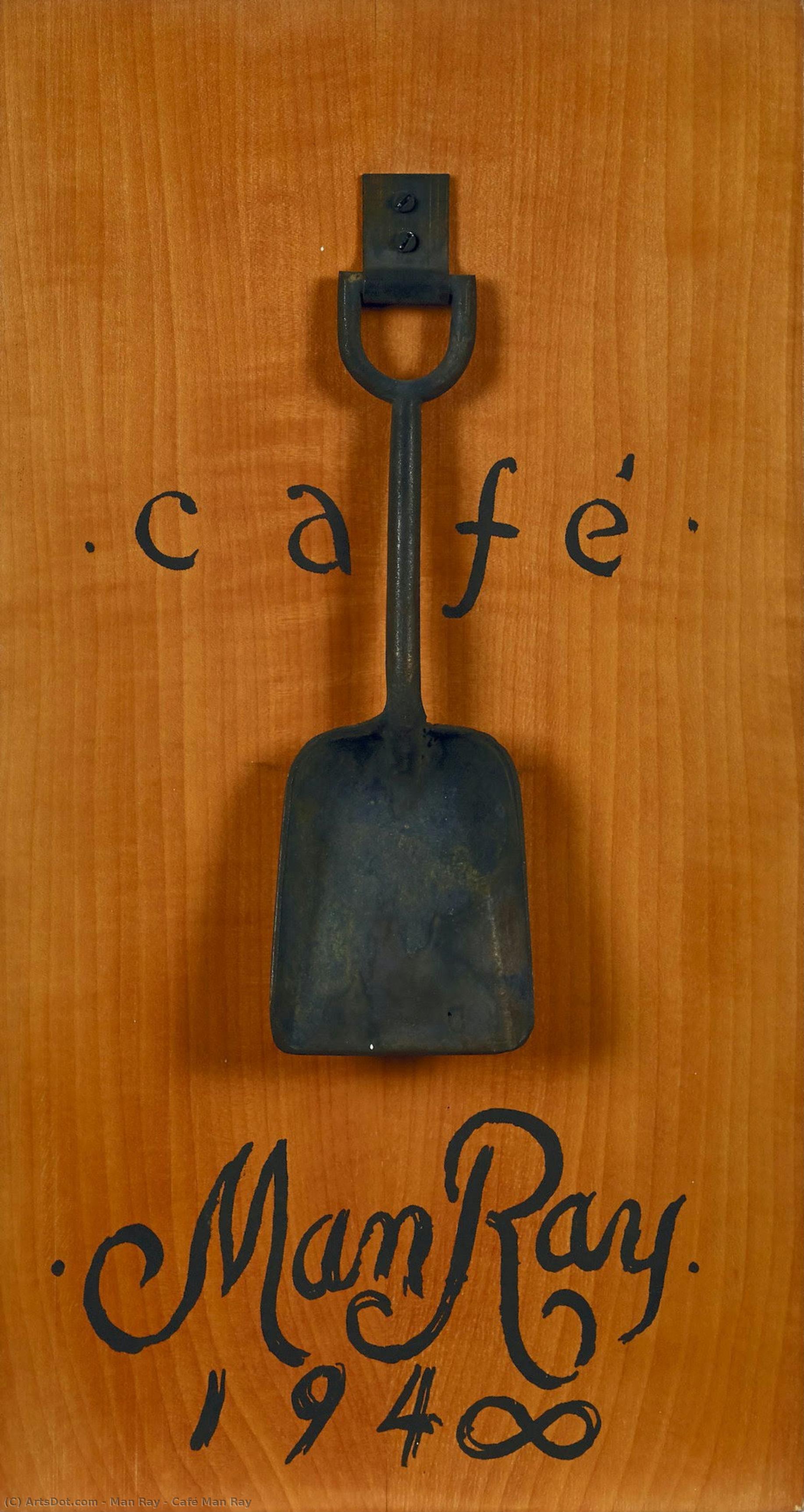
Café Man Ray


 Ver más
Reproducción al óleo hecha a mano
Óleo sobre lienzo pintado a mano en el tamaño y marco de su elección, realizado por encargo por nuestros artistas.




P118B $10

P118H $10

P118W $10

P438Z $10

P508JH $12

P508YH $12

P805H $10

P805Z $10

P919BZ $10

P919G $10

P919XJ $10

P959ZH $10

P968JZ $12

W106C $8

W218G $10

W218JH $8

W218Y $10

W307PJ $10

W316G $10

W316PJ $8

W316Y $10

W398PJ $8

W4111J $10

W500HY $15

W500JH $15

W692G $12

W849H $8

W940BG $15

W953PJ $8




Elija entre nuestros tamaños predefinidos que respetan las proporciones originales de la obra.

Puede ingresar sus propias dimensiones para adaptarse a un marco o espacio específico. Si el tamaño seleccionado no coincide con las proporciones de la imagen original, recortaremos la obra o extenderemos la pintura con elementos adicionales pintados a mano. Se le enviará una maqueta digital para su aprobación antes de comenzar la producción.
Tenga en cuenta que la vista previa en pantalla no refleja el recorte o la extensión reales. Solo la maqueta mostrará con precisión la composición final.
Si bien existen tamaños personalizados, recomendamos seleccionar una dimensión de la lista predefinida para preservar las proporciones originales.
Tras realizar el pedido, el equipo de OriginalUniqueArt.com enviará un correo electrónico al cliente para solicitar instrucciones y proporcionarle una vista previa del boceto.
Entrega mundial () en 3-4 semanas en lugar de las 5 semanas estándar. (18 julio). Sin compromisos con la calidad.

Envío exprés gratuito a todo el mundo

Lienzo de lino de alta calidad

Seguro de envío total

Garantía de reembolso de impuestos aduaneros

Garantía de fidelidad de color

Política de devolución de 60 días (solo por defectos)

Garantía de devolución del 100% del dinero

Descuento por pedido múltiple
 La opción de vidrio solo está disponible en tamaños inferiores a 110 cm.

Café Man Ray
Técnica de reproducción
Tamaño de la reproducción
-


Precio total final
-
Descripción de la obra
Café Man Ray: A Surrealist Reverie Revisited
The American artist Man Ray (1890-1976) fundamentally reshaped the perception of photography, elevating it from mere documentation to an expressive art form. His artistic journey commenced in New York with paintings—bold explorations of abstraction and symbolism—but a pivotal encounter with Dadaism, spearheaded by Marcel Duchamp in 1915, propelled his conceptual horizons far beyond conventional boundaries. Embracing the ready-made aesthetic championed by Duchamp, Man Ray’s groundbreaking sculptures exemplify this paradigm shift; perhaps most notably, “The Gift,” featuring a flattened iron affixed with tacks (1921), stands as an emblem of artistic innovation. Returning to Paris after World War I, he immersed himself in diverse creative pursuits—portraiture, fashion photography, and filmmaking—activities that solidified his position within the Surrealist movement and cemented his reputation as a visionary innovator.- Subject Matter: The artwork presents a meticulously crafted still life centered around a weathered shovel resting against a richly textured wooden panel. This seemingly unassuming composition belies a profound narrative of time, labor, and perhaps even nostalgia—themes that resonate deeply within the Surrealist tradition.
- Style: Man Ray’s approach leans toward realism infused with stylistic elements characteristic of Surrealism. The deliberate juxtaposition of textures—the rough surface of the shovel contrasted against the smooth grain of the wood—creates visual tension and invites contemplation about materiality and perception.
Technique & Materials: An Impressionistic Dialogue
The artwork’s execution employs oil paint or mixed media, demonstrating a masterful blending of techniques. Layers of pigment are applied with careful consideration to capture the nuances of light and shadow—a hallmark of Impressionism—while simultaneously incorporating textural elements that heighten visual interest. The artist’s meticulous attention to detail—evident in the rendering of the shovel’s contours and the subtle shading on the wooden panel—underscores his commitment to capturing a moment in time with unwavering accuracy.- Color Palette: Dominant hues consist of deep browns and blacks, punctuated by warm tones derived from the wood grain. This color scheme evokes feelings of warmth, solidity, and understated elegance—a stylistic choice consistent with Surrealist sensibilities.
- Composition: The artwork adopts a centered composition with a slight offset to the right, positioning the shovel slightly off-center to create visual balance. Text – ‘cafe’ and ‘Man Ray 1940’ – are seamlessly integrated into the design in a calligraphic style—a deliberate gesture that emphasizes both subject matter and artistic authorship.
Historical Context & Symbolism: Echoes of Dada & Surrealist Ideals
Born Emmanuel Radnitzky, Man Ray’s artistic trajectory mirrored the turbulent intellectual landscape of the early 20th century—a period marked by radical experimentation and a rejection of traditional conventions. Influenced by Dada’s embrace of chance and absurdity, he sought to challenge established norms and provoke viewers into questioning their assumptions about reality. The shovel itself serves as a potent symbol—representing labor, resilience, and perhaps even the cyclical nature of existence—reflecting core tenets of Surrealist thought.- Lighting: Directional lighting casts shadows that accentuate the shovel’s form and illuminate the intricate details of the wooden surface—a technique reminiscent of Impressionistic painting and contributing to the artwork's overall atmosphere of quiet contemplation.
Emotional Impact & Artistic Legacy
Ultimately, “Café Man Ray” transcends mere visual representation; it evokes a profound emotional response—one characterized by nostalgia for simpler times and an appreciation for the beauty of understated craftsmanship. Man Ray’s enduring legacy resides in his pioneering spirit—his unwavering dedication to artistic innovation—and his ability to capture fleeting moments of experience with remarkable sensitivity.Biografía del artista
A Life Illuminated by Shadows
Emmanuel Radnitzky, known to the world as Man Ray, was a restless spirit who defied easy categorization. Born in 1890 in Philadelphia to Russian Jewish immigrant parents, his journey from aspiring painter to pioneering photographer and filmmaker embodies the radical artistic ferment of the early 20th century. The shift from “Manny” Radnitzky to the enigmatic “Man Ray” itself speaks volumes about an artist determined to forge a new identity, one unbound by convention. His family’s move to New York City proved pivotal, exposing him to the burgeoning modernist scene and instilling in him a lifelong fascination with experimentation. Early influences included the European avant-garde showcased at Alfred Stieglitz's 291 gallery, and the raw realism of the Ashcan School – a blend that would subtly inform his later work. Though initially dedicated to painting, it was photography that ultimately became Ray’s most potent medium for exploring the boundaries of perception and reality. He wasn’t merely capturing images; he was inventing new ways of *seeing*.- Early Life & Artistic Beginnings: Man Ray’s formative years were marked by a profound engagement with art from a young age. His family’s relocation to Brooklyn instilled in him an appreciation for diverse artistic traditions, fostering his initial interest in painting and sculpture. He honed his skills at the National Academy of Design, absorbing techniques from established masters while simultaneously cultivating his own distinctive vision.
- The Dada Movement & Marcel Duchamp: Ray’s artistic breakthrough arrived with his encounter with Marcel Duchamp around 1915. This pivotal meeting ignited a shared passion for challenging conventional notions of art, propelling him into the heart of Dada—a defiant reaction to the horrors of World War I. Together they championed radical experimentation and questioned established aesthetic standards.
- Surrealism & Collaboration with Dalí: Ray embraced Surrealism’s exploration of the unconscious mind, forging a fruitful partnership with Salvador Dalí. His surrealist works—characterized by dreamlike imagery and unsettling juxtapositions—became emblems of the movement's aesthetic principles.
- Photography Innovations: Ray revolutionized photographic technique through inventions like rayography and solarization. These methods bypassed traditional optics, prioritizing intuition and capturing ephemeral qualities that defied conventional representation. He skillfully manipulated light and shadow to create evocative images that resonated with psychological depth.
- Film Experiments & Legacy: Beyond still photography, Ray ventured into filmmaking, crafting experimental films that pushed the boundaries of cinematic storytelling. His pioneering work influenced subsequent generations of avant-garde filmmakers and cemented his place as a visionary innovator.

Man Ray
1890 - 1976 , Estados Unidos
Datos clave
- Artistic Movement Or Style: Dada, Surrealism
- Artists Or Movements Influenced By This Artist: ['Surrealism']
- Artists Who Influenced This Artist: ['Marcel Duchamp']
- Date Of Birth: August 27, 1890
- Date Of Death: November 18, 1976
- Full Name: Emmanuel Radnitzky
- Nationality: American
- Notable Artworks:
- Rayographs
- Le Retour à la Raison
- L'Étoile de Mer
- Place Of Birth: Philadelphia, USA
Artículos relacionados
René Magritte: Las 25 Obras Maestras del Surrealismo para Inspirar tu Hogar
Descubre las 25 obras maestras de René Magritte, el rey del surrealismo. Explora su arte moderno, significado oculto y técnica única. Encuentra reproducciones de alta calidad e inspira tu hogar con OriginalUniqueArt.com.
10 Obras Maestras al Óleo sobre Tabla que Revolucionaron la Historia del Arte | OriginalUniqueArt
Descubre 10 obras maestras al óleo sobre tabla que revolucionaron el arte. Explora la historia de Van Gogh, Monet y otros artistas clave. Encuentra reproducciones de alta calidad e inspírate para decorar tu hogar con OriginalUniqueArt.com.
Las 25 Obras Maestras del MET: Arte, Historia y Decoración para tu Hogar
Descubre las 25 obras maestras del MET de Nueva York: Van Gogh, Monet, Rembrandt y más. Explora la historia, el arte y los colores que inspiran tu hogar. Reproducciones de museo en OriginalUniqueArt.com.

James Abbott McNeill Whistler: Las 25 Obras Maestras del Maestro del Arte y la Atmósfera | OriginalUniqueArt
Descubre las 25 obras maestras de James Abbott McNeill Whistler, el maestro del impresionismo y la armonía en arte. Explora retratos icónicos, nocturnos evocadores y su innovadora paleta de colores. Reproducciones de arte exclusivas en OriginalUniqueArt.com.
Las 25 Obras Maestras del National Gallery of Art: Arte, Historia y Decoración Exclusiva
Descubre las 25 obras maestras del National Gallery of Art, Washington. Explora la historia de Cézanne, Matisse, Picasso y más. Encuentra reproducciones de arte exclusivas e ideas para decorar tu hogar con lienzos inolvidables en OriginalUniqueArt.com.



