

 Ver en contexto
 Enviar
 Compartir
 Detalles
 Guía
Guía

 Descargar
 Similares
 Radiografía
 Presentación de diapositivas
 Estadísticas
Virgin and Child
 Oil
Oil- WallArt
- Spanish Renaissance
 1520
1520- Renaissance
 68.0 x 46.0 cm
 Museu do Caramulo
 Ver más
Giclée / Impresión de arte
Impresiones giclée o en lienzo de calidad de museo con producción rápida y opciones de acabado flexibles. ( Comprar pintura hecha a mano Cambiar a imagen digital)




P118B €10

P118H €10

P118W €10

P438Z €10

P508JH €12

P508YH €12

P805H €10

P805Z €10

P919BZ €10

P919G €10

P919XJ €10

P959ZH €10

P968JZ €12

W106C €8

W218G €10

W218JH €8

W218Y €10

W307PJ €10

W316G €10

W316PJ €8

W316Y €10

W398PJ €8

W4111J €10

W500HY €15

W500JH €15

W692G €12

W849H €8

W940BG €15

W953PJ €8




Elija entre nuestros tamaños predefinidos que respetan las proporciones originales de la obra.

Introduzca el ancho y el alto que necesite para adaptarse a su marco o pared. Una impresión solo puede recortarse, nunca hacerse más grande que la imagen original, por lo que un tamaño con una forma distinta perderá parte de la obra. Le enviaremos una maqueta digital para su aprobación antes de realizar cualquier impresión. La imagen que se muestra en esta página no refleja el recorte real; solo la maqueta lo hace.
Envío a todo el mundo () en 2 semanas en lugar de las 4/5 semanas estándar. (25 octubre)

Envío exprés gratuito a todo el mundo

Lienzo de lino de alta calidad

Seguro de envío total

Garantía de reembolso de aranceles aduaneros

Garantía de fidelidad cromática exacta

Política de devolución de 100 días (solo por defectos)

Garantía de devolución del 100% del dinero

Descuento por cantidad
 La opción de vidrio solo está disponible en tamaños inferiores a 110 cm.

Virgin and Child
Giclée / Impresión de arte
Dimensiones de la reproducción
-


Precio total final
€ 70
A Divine Encounter: The Tender Grace of Luis de Morales
In the quiet intimacy of Virgin and Child, we are invited into a sacred moment that transcends the boundaries of time. Painted around 1520, this masterpiece by the Spanish Renaissance master Luis de Morales—famously known as "El Divino"—serves as a profound testament to the power of devotional art. The composition centers on the tender connection between the Virgin Mary and her infant son, a scene rendered with such delicate realism that the viewer feels less like an observer and more like a silent witness to a celestial event. As the light catches the rich textures of the red drapery and the soft, luminous skin of the Christ child, one is immediately struck by the profound sense of peace and spiritual weight that permeates the canvas.
The artistry of Morales is defined by his ability to blend the meticulous detail of the Flemish tradition with the soulful, emotive depth characteristic of the Spanish Renaissance. In this particular work, the contrast between the vibrant, passionate red of Mary’s gown and the pure, ethereal white of the infant's swaddling clothes creates a visual rhythm that guides the eye toward their shared upward gaze. This upward movement suggests a communion with the divine, a moment where the earthly and the heavenly intersect. The technique employed here is nothing short of masterful; the subtle gradations of shadow and light—chiaroscuro—sculpt the figures, giving them a three-dimensional presence that breathes life into the pigment.
Symbolism and the Language of Devotion
Beyond its visual splendor, the painting carries a heavy symbolic resonance, representing maternal devotion, purity, and the eternal cycle of nurturing. Every element is carefully orchestrated to evoke a sense of reverence. The way the Virgin gently cradles her son, observing the instinctive gesture of the newborn baby tucking his hand through her red gown, speaks to the profound vulnerability and strength found in motherhood. For the discerning collector, this piece offers more than mere decoration; it provides an emotional anchor for any space, acting as a window into the spiritual intensity that defined the 16th-century Spanish soul.
The palette itself serves a narrative purpose. The deep, saturated reds evoke the passion and future sacrifice of the Christ child, while the soft, translucent veils and luminous skin tones suggest an otherworldly purity. This interplay of color and light creates a sophisticated atmosphere that is both grounded in human emotion and elevated by divine grace.
An Elegant Addition to the Curated Interior
For interior designers and art enthusiasts seeking to create a room of reflection and elegance, Virgin and Child serves as an ideal centerpiece. Its dignified presence and sophisticated composition make it a versatile choice for a variety of high-end settings, whether placed within a curated gallery wall or used as a focal point in a formal study. The painting’s ability to command attention through subtle emotion rather than overwhelming scale allows it to integrate seamlessly into spaces designed for contemplation.
Owning a reproduction of such a significant work allows one to bring the historical weight and spiritual beauty of the Spanish Renaissance into a modern home. It is an investment in atmosphere, offering a timeless aesthetic that resonates with anyone who appreciates the intersection of technical mastery and profound human connection.
Preguntas y respuestas
¿Qué uso y espacio se recomiendan para "Virgin and Child" de Luis De Morales?
Se recomienda el uso de (Mood) y su ubicación en (Bedroom) para "Virgin and Child" de Luis De Morales.
¿Para qué uso se recomienda una impresión de "Virgin and Child"?
Se recomienda una reproducción de "Virgin and Child" de Luis De Morales para Mood, basándose en el tema, la atmósfera y los colores de la obra.
¿Cuántas personas ven "Virgin and Child"?
Las estadísticas sobre "Virgin and Child" de Luis De Morales se encuentran en la página de Estadísticas de la obra: visitas mensuales de la pieza, visitas a las obras del artista y desgloses por país e idioma de los visitantes recientes.
Biografía del artista
Luis de Morales: El Pintor Divino de Badajoz
Luis de Morales (c. 1509 – 9 de mayo de 1586), conocido afectuosamente como “El Divino”, se erige como una de las figuras más veneradas del Renacimiento español; un pintor cuya profunda espiritualidad y asombroso realismo cautivaron a los espectadores durante su vida y continúan inspirando admiración siglos después. Nacido en Badajoz, Extremadura, la trayectoria artística de Morales se desarrolló bajo el trasfondo de unos florecientes ideales humanistas y un ferviente celo religioso, lo que lo convirtió en un maestro inigualable de la imaginería devocional y consolidó su legado como el artista por excelencia de su época.- Primeros años e influencias: Poco se sabe con certeza sobre los años formativos de Morales, más allá de los registros documentados que indican que nació en Badajoz alrededor de 1509. Es probable que su formación artística comenzara bajo la tutela de Hernando Sturmio, un pintor flamenco establecido en Badajoz, y posiblemente de Pedro de Campaña, un destacado artista radicado en Sevilla; lugares reconocidos por sus vibrantes tradiciones artísticas durante el Renacimiento.
- La escuela lombarda y ecos florentinos: Las primeras obras de Morales llevan las marcas inconfundibles de la escuela lombarda de Leonardo da Vinci, caracterizada por un sutil sfumato (contornos difuminados) y una perspectiva atmosférica. Simultáneamente, absorbiendo influencias de Miguel Ángel, cuyas monumentales esculturas le inculcaron un dominio magistral de la anatomía y el gesto expresivo, estas experiencias formativas impactaron profundamente su sensibilidad artística.
Un periodo definido por la precisión anatómica y la profundidad espiritual
La producción artística de Morales puede dividirse a grandes rasgos en dos periodos distintos, que reflejan la evolución de las tendencias estilísticas y las corrientes intelectuales de su tiempo. La primera fase, que abarcó aproximadamente desde 1539 hasta 1560, fue testigo de un compromiso continuo con la estética florentina —particularmente con el rigor anatómico de Miguel Ángel—, lo que dio lugar a pinturas impregnadas de una emoción palpable y tensión dramática. Obras como La Virgen del Pajarito ejemplifican este estilo temprano, mostrando un detalle meticuloso y transmitiendo una profunda contemplación espiritual.- El segundo florecimiento: Tras su matrimonio con Leonor de Chaves y su posterior traslado a Alcántara, Morales experimentó un notable renacimiento artístico. Este periodo fue testigo de la creación de obras maestras que desafiaron los límites de la técnica renacentista —especialmente en términos de precisión anatómica—, inspirándose en pintores alemanes y flamencos que defendían el claroscuro (el contraste entre luz y sombra) y la observación meticulosa de la naturaleza.
- Logros notables: Entre sus pinturas más celebradas se encuentran La Piedad (1560), albergada en la Catedral de Badajoz, una representación sobrecogedora de María lamentando la muerte de Jesús, testimonio de la habilidad inigualable de Morales para transmitir el dolor; San Juan de Ribera (1564), que reside en el Museo del Prado en Madrid; y el Ecce Homo, exhibido en la Hispanic Society of America. Estas obras permanecen como símbolos perdurables de la piedad renacentista y la excelencia artística.
Legado y reconocimiento
La influencia de Luis de Morales se extendió mucho más allá de su propia vida, estableciéndolo como una piedra angular del Renacimiento español y asegurando su lugar entre los más grandes pintores de su generación. Su inquebrantable devoción a los temas religiosos —expresada con un realismo impresionante y dotada de una emoción palpable— resonó profundamente en el público de toda Europa. Hoy en día, sus pinturas se encuentran en prestigiosas instituciones de todo el mundo, incluyendo el Museo del Prado en Madrid y Kingston Lacy House en Dorset, lo que atestigua su perdurable mérito artístico y su importancia histórica. El legado de Morales continúa inspirando tanto a artistas como a estudiosos, asegurando que “El Divino” siga siendo un faro de maestría espiritual para las generaciones venideras.Obras seleccionadas
- La Virgen del Pajarito (1546), conservada en la iglesia de San Agustín, en Madrid.
- La Piedad (1560), conservada en la Catedral de Badajoz.
- San Juan de Ribera (1564), en el Museo del Prado, Madrid.
- Ecce Homo, en Kingston Lacy House (National Trust), Dorset, Reino Unido.
- Virgen de la leche, en el Museo del Prado.
- San Jerónimo en el desierto, en la National Gallery of Ireland, Dublín.

Luis De Morales
1509 - 1586 , España
Datos clave
- Artistic Movement Or Style: Mannerism
- Artists Who Influenced This Artist:
- Michelangelo
- Raphael Sanzio
- Leonardo da Vinci
- Date Of Birth: c. 1509
- Date Of Death: Alcántara, c. 1586
- Full Name: Luis de Morales
- Nationality: Spanish
- Notable Artworks:
- La Virgen del Pajarito
- La Piedad
- San Juan de Ribera
- Ecce Homo
- Place Of Birth: Badajoz, Spain
Artículos relacionados
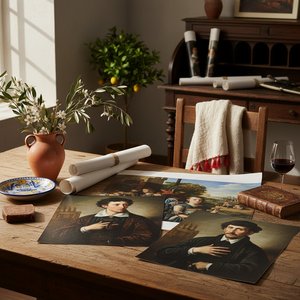
Las 25 Obras Maestras del Prado: Arte Español e Inspiración para tu Hogar
Descubre las 25 obras maestras del Museo del Prado: Velázquez, Goya, El Greco y más. Explora la historia, técnica y belleza de cada cuadro español. Encuentra reproducciones de arte exclusivas e inspira tu hogar con OriginalUniqueArt.com.
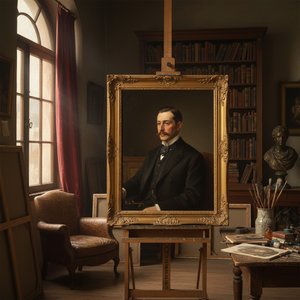
Rafael de Penagos: A Study in Spanish Portraiture & Artistic Identity
Explore the life & art of Rafael de Penagos, a leading Spanish Art Deco illustrator. Discover his iconic 'Penagos Woman', commercial work, and lasting legacy. Learn about this pivotal figure in 20th-century Spanish art history.

Goya: Las 25 Obras Maestras del Genio Español | Reproducciones de Arte en OriginalUniqueArt
Descubre las 25 obras maestras de Goya, el genio español. Explora retratos icónicos, 'Los Caprichos' y 'Las Pinturas Negras'. Reproducciones de arte en lienzo de alta calidad para decorar tu hogar con estilo. ¡Encuentra tu obra favorita en OriginalUniqueArt.com!
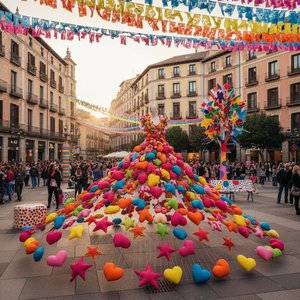
Águeda Ruiz de la Prada: A Study of Eclecticism & Emotional Resonance in Contemporary Spanish Painting
Discover the vibrant world of Ágatha Ruiz de la Prada, a leading figure in contemporary Spanish art. Explore her eclectic style, emotional depth & legacy – a must-read for discerning collectors.

Acerca de nosotros
Descubre nuestra historia! Llevamos el arte de clase mundial a tu vida gracias a una selección experta, creaciones personalizadas y vistas previas gratuitas. Aprobado por particulares y empresas desde el año 2000.


