

 Ver en contexto
 Enviar
 Compartir
 Detalles
 Guía
Guía

 Descargar
 Similares
 Radiografía
 Presentación de diapositivas
 Estadísticas
St Stephen
 Acrylic On Canvas
- WallArt
- Renaissance/Baroque
 67.0 x 50.0 cm
 Museo del Prado
 Ver más
Reproducción al óleo hecha a mano
Óleo sobre lienzo pintado a mano en el tamaño y marco de su elección, realizado por encargo por nuestros artistas. ( Cambiar a impresiones Cambiar a imagen digital)




P118B €10

P118H €10

P118W €10

P438Z €10

P508JH €12

P508YH €12

P805H €10

P805Z €10

P919BZ €10

P919G €10

P919XJ €10

P959ZH €10

P968JZ €12

W106C €8

W218G €10

W218JH €8

W218Y €10

W307PJ €10

W316G €10

W316PJ €8

W316Y €10

W398PJ €8

W4111J €10

W500HY €15

W500JH €15

W692G €12

W849H €8

W940BG €15

W953PJ €8




Elija entre nuestros tamaños predefinidos que respetan las proporciones originales de la obra.

Indique el ancho y el alto que necesite para adaptarse a su marco o pared. Al tratarse de una obra pintada a mano, si requiere un tamaño con una proporción distinta, el artista puede pintar un poco más alrededor de la imagen o recortarla ligeramente; usted elige. Le enviaremos una maqueta digital para su aprobación antes de comenzar la pintura. La imagen que se muestra en esta página no refleja el resultado real; solo la maqueta lo hace.
Tras realizar el pedido, el equipo de OriginalUniqueArt.com enviará un correo electrónico al cliente para solicitar instrucciones y proporcionarle una vista previa del boceto.
Envío a todo el mundo () en 3-4 semanas en lugar de las 5 semanas estándar. (26 octubre). Sin comprometer la calidad.

Envío exprés gratuito a todo el mundo

Lienzo de lino de alta calidad

Seguro de envío total

Garantía de reembolso de aranceles aduaneros

Garantía de fidelidad cromática exacta

Política de devolución de 100 días (solo por defectos)

Garantía de devolución del 100% del dinero

Descuento por cantidad
 La opción de vidrio solo está disponible en tamaños inferiores a 110 cm.

St Stephen
Técnica de reproducción
Dimensiones de la reproducción
-


Precio total final
€ 263
The Silent Witness: Luis de Morales’s St Stephen
Luis de Morales's "St Stephen" isn’t merely a painting; it’s a profound distillation of faith, sorrow, and the quiet dignity of martyrdom. Executed in the late 16th century during a period of fervent religious fervor in Badajoz, Spain, this work stands as a testament to the artist’s extraordinary ability to imbue biblical scenes with palpable emotion and anatomical realism—a hallmark of his distinctive style. The painting depicts St Stephen, the first Christian martyr, not in grand, triumphant pose, but rather in a moment of contemplative stillness, a figure rendered with an almost unnerving intimacy that draws the viewer into his inner world.
Morales’s artistic lineage is deeply rooted in the traditions of Spanish religious art, yet he transcends mere imitation. He masterfully blends elements of the Renaissance and Baroque, employing a meticulous attention to detail reminiscent of Flemish painting—particularly evident in the rendering of St Stephen's skin, which exhibits a remarkable sensitivity to light and shadow – pores, wrinkles, and subtle variations in tone that suggest both age and suffering. The composition is deliberately restrained, focusing entirely on the figure of the saint, set against a subtly rendered landscape that hints at the desolate terrain where he met his tragic end.
A Study in Light and Shadow: Technique and Materials
The painting’s power resides significantly in Morales's masterful manipulation of light. He utilizes *chiaroscuro*—the dramatic contrast between light and dark—to sculpt St Stephen’s form, emphasizing his vulnerability and the weight of his impending fate. The muted palette – dominated by earthy browns, ochres, and subtle blues – contributes to a sense of solemnity and gravity. The artist employed oil on panel, a technique favored for its ability to achieve rich colors and nuanced textures. Close examination reveals an incredibly detailed surface, achieved through countless layers of thin glazes—a painstaking process that speaks volumes about Morales’s dedication to his craft.
Notably, the painting's execution suggests a deep understanding of human anatomy, a skill honed through years of observation and study. The pose is naturalistic, conveying a sense of quiet resignation rather than dramatic anguish. The artist doesn’t shy away from depicting the physical realities of martyrdom – the bald head, the weathered face, the simple garment—transforming a biblical narrative into a deeply human experience.
Symbolism and Spiritual Resonance
Beyond its technical brilliance, “St Stephen” is rich in symbolic meaning. The saint’s posture, with his hand resting gently on his chest, evokes the image of Christ's sacrifice. The presence of the three stones—a direct reference to his brutal execution—underscores the painting’s central theme: unwavering faith in the face of persecution. The rocky landscape, sparsely populated and bathed in a melancholic light, serves as a potent metaphor for the desolate spiritual journey undertaken by those who choose to follow Christ.
Furthermore, St Stephen's baldness is not merely a detail of representation; it’s a deliberate allusion to his role as a deacon, signifying his service and humility. The painting invites contemplation on themes of sacrifice, faith, and the enduring power of spiritual conviction—themes that resonated deeply with viewers during Morales’s time and continue to hold profound significance today.
A Legacy of Devotion: Reproduction and Artistic Value
Reproductions of “St Stephen” offer a remarkable opportunity to experience the depth and emotional resonance of this extraordinary work. The meticulous detail, combined with Morales's masterful use of light and shadow, ensures that these reproductions capture the essence of the original painting—a testament to the artist’s skill and vision. Whether displayed in a private residence or a public space, this image serves as a powerful reminder of the enduring legacy of Spanish religious art and the timeless themes it explores.
Consider commissioning a hand-painted reproduction from OriginalUniqueArt.com – an authentic recreation that honors Morales’s artistic legacy while bringing his profound vision into your home or studio. It's more than just a picture; it’s a window into the soul of a master artist and a celebration of faith, sacrifice, and the enduring power of human spirit.
Preguntas y respuestas
¿Cómo se integra "St Stephen" en los temas y el estilo de Luis De Morales?
Dentro de la producción de Luis De Morales, "St Stephen" se enmarca en el estilo Renaissance/Baroque, junto a los temas de religious devotion, renaissance realism, spanish piety, morales’ style, martyrdom, biblical narrative”, “devotional imagery, spiritual focus”.
¿Quién es el autor de "St Stephen" y a qué movimiento pertenece?
"St Stephen" es una obra de Luis De Morales perteneciente al movimiento Renaissance/Baroque.
¿Qué proporciones tiene "St Stephen" de Luis De Morales y cuáles son sus dimensiones?
El formato de "St Stephen" es Portrait y la obra original mide 67 x 50 cm. Ambos datos son útiles al planificar una reproducción.
Biografía del artista
Luis de Morales: El Pintor Divino de Badajoz
Luis de Morales (c. 1509 – 9 de mayo de 1586), conocido afectuosamente como “El Divino”, se erige como una de las figuras más veneradas del Renacimiento español; un pintor cuya profunda espiritualidad y asombroso realismo cautivaron a los espectadores durante su vida y continúan inspirando admiración siglos después. Nacido en Badajoz, Extremadura, la trayectoria artística de Morales se desarrolló bajo el trasfondo de unos florecientes ideales humanistas y un ferviente celo religioso, lo que lo convirtió en un maestro inigualable de la imaginería devocional y consolidó su legado como el artista por excelencia de su época.- Primeros años e influencias: Poco se sabe con certeza sobre los años formativos de Morales, más allá de los registros documentados que indican que nació en Badajoz alrededor de 1509. Es probable que su formación artística comenzara bajo la tutela de Hernando Sturmio, un pintor flamenco establecido en Badajoz, y posiblemente de Pedro de Campaña, un destacado artista radicado en Sevilla; lugares reconocidos por sus vibrantes tradiciones artísticas durante el Renacimiento.
- La escuela lombarda y ecos florentinos: Las primeras obras de Morales llevan las marcas inconfundibles de la escuela lombarda de Leonardo da Vinci, caracterizada por un sutil sfumato (contornos difuminados) y una perspectiva atmosférica. Simultáneamente, absorbiendo influencias de Miguel Ángel, cuyas monumentales esculturas le inculcaron un dominio magistral de la anatomía y el gesto expresivo, estas experiencias formativas impactaron profundamente su sensibilidad artística.
Un periodo definido por la precisión anatómica y la profundidad espiritual
La producción artística de Morales puede dividirse a grandes rasgos en dos periodos distintos, que reflejan la evolución de las tendencias estilísticas y las corrientes intelectuales de su tiempo. La primera fase, que abarcó aproximadamente desde 1539 hasta 1560, fue testigo de un compromiso continuo con la estética florentina —particularmente con el rigor anatómico de Miguel Ángel—, lo que dio lugar a pinturas impregnadas de una emoción palpable y tensión dramática. Obras como La Virgen del Pajarito ejemplifican este estilo temprano, mostrando un detalle meticuloso y transmitiendo una profunda contemplación espiritual.- El segundo florecimiento: Tras su matrimonio con Leonor de Chaves y su posterior traslado a Alcántara, Morales experimentó un notable renacimiento artístico. Este periodo fue testigo de la creación de obras maestras que desafiaron los límites de la técnica renacentista —especialmente en términos de precisión anatómica—, inspirándose en pintores alemanes y flamencos que defendían el claroscuro (el contraste entre luz y sombra) y la observación meticulosa de la naturaleza.
- Logros notables: Entre sus pinturas más celebradas se encuentran La Piedad (1560), albergada en la Catedral de Badajoz, una representación sobrecogedora de María lamentando la muerte de Jesús, testimonio de la habilidad inigualable de Morales para transmitir el dolor; San Juan de Ribera (1564), que reside en el Museo del Prado en Madrid; y el Ecce Homo, exhibido en la Hispanic Society of America. Estas obras permanecen como símbolos perdurables de la piedad renacentista y la excelencia artística.
Legado y reconocimiento
La influencia de Luis de Morales se extendió mucho más allá de su propia vida, estableciéndolo como una piedra angular del Renacimiento español y asegurando su lugar entre los más grandes pintores de su generación. Su inquebrantable devoción a los temas religiosos —expresada con un realismo impresionante y dotada de una emoción palpable— resonó profundamente en el público de toda Europa. Hoy en día, sus pinturas se encuentran en prestigiosas instituciones de todo el mundo, incluyendo el Museo del Prado en Madrid y Kingston Lacy House en Dorset, lo que atestigua su perdurable mérito artístico y su importancia histórica. El legado de Morales continúa inspirando tanto a artistas como a estudiosos, asegurando que “El Divino” siga siendo un faro de maestría espiritual para las generaciones venideras.Obras seleccionadas
- La Virgen del Pajarito (1546), conservada en la iglesia de San Agustín, en Madrid.
- La Piedad (1560), conservada en la Catedral de Badajoz.
- San Juan de Ribera (1564), en el Museo del Prado, Madrid.
- Ecce Homo, en Kingston Lacy House (National Trust), Dorset, Reino Unido.
- Virgen de la leche, en el Museo del Prado.
- San Jerónimo en el desierto, en la National Gallery of Ireland, Dublín.

Luis De Morales
1509 - 1586 , España
Datos clave
- Artistic Movement Or Style: Mannerism
- Artists Who Influenced This Artist:
- Michelangelo
- Raphael Sanzio
- Leonardo da Vinci
- Date Of Birth: c. 1509
- Date Of Death: Alcántara, c. 1586
- Full Name: Luis de Morales
- Nationality: Spanish
- Notable Artworks:
- La Virgen del Pajarito
- La Piedad
- San Juan de Ribera
- Ecce Homo
- Place Of Birth: Badajoz, Spain
Artículos relacionados
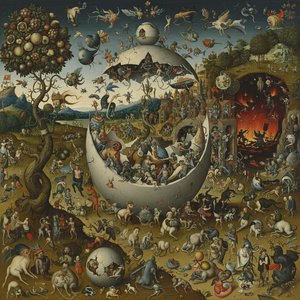
Hieronymus Bosch: Las 25 Obras Maestras del Genio Medieval | Arte y Decoración
Descubre las 25 obras maestras de Hieronymus Bosch, el enigmático pintor medieval. Explora 'El Jardín de las Delicias' y su simbolismo único. Reproducciones de arte de alta calidad para tu hogar en OriginalUniqueArt.com.

Goya: Las 25 Obras Maestras del Genio Español | Reproducciones de Arte en OriginalUniqueArt
Descubre las 25 obras maestras de Goya, el genio español. Explora retratos icónicos, 'Los Caprichos' y 'Las Pinturas Negras'. Reproducciones de arte en lienzo de alta calidad para decorar tu hogar con estilo. ¡Encuentra tu obra favorita en OriginalUniqueArt.com!

Acerca de nosotros
Descubre nuestra historia! Llevamos el arte de clase mundial a tu vida gracias a una selección experta, creaciones personalizadas y vistas previas gratuitas. Aprobado por particulares y empresas desde el año 2000.

El Óleo sobre Lienzo: Historia, Técnica y la Persistencia de un Medio Artístico Atemporal
Descubre la historia y técnica del óleo sobre lienzo. Explora reproducciones fieles hechas a mano, personalización artística y consejos de expertos con OriginalUniqueArt. ¡Colecciona arte con confianza!

El Greco: Las 25 Obras Maestras que Definen un Genio del Arte y la Fe
Descubre las 25 obras maestras de El Greco, el genio del Renacimiento español. Explora su arte religioso, manierismo y la historia detrás de cuadros icónicos como 'El Entierro del Conde de Orgaz'. Encuentra reproducciones de alta calidad en OriginalUniqueArt.com.


