
 Ver en contexto
 Enviar
 Compartir
 Detalles

 Descargar
 Similares
 Radiografía
 Presentación de diapositivas
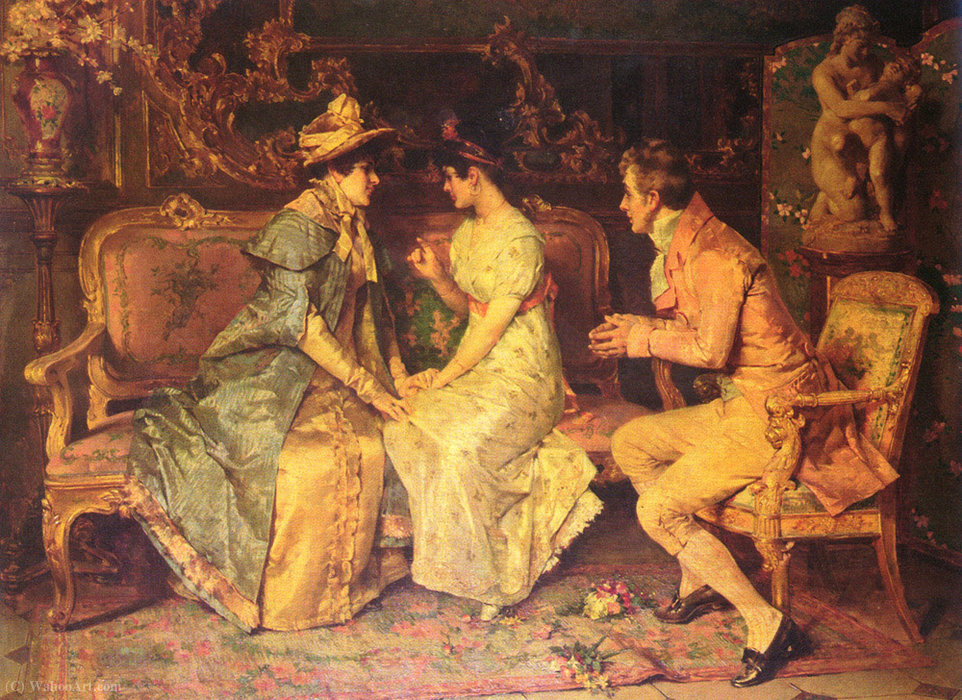
The suitor
 Ver más
Adquiera una imagen digital de alta resolución y optimizada, muy superior a la vista previa en línea.
Cada archivo es preparado meticulosamente por nuestros especialistas internos mediante el uso de herramientas avanzadas y un experto retoque manual. Nos aseguramos de que cada imagen posea una claridad excepcional, una precisión cromática impecable y un detalle minucioso.
El archivo final se entrega por correo electrónico en un plazo de 72 horas, optimizado para su uso inmediato en entornos profesionales, editoriales y de impresión. Esta es la misma calidad en la que confían los estudios de diseño, las editoriales y las galerías de primer nivel.
Imagen Digital
Descarga un archivo de alta resolución para exhibición personal, impresión y proyectos creativos. ( Comprar impresión Comprar pintura hecha a mano)
Incluido en cada pedido de imágenes digitales
Entrega digital experta, garantizada.
Al elegir OriginalUniqueArt.com, no solo está adquiriendo una imagen; está recibiendo una obra de arte digital mejorada profesionalmente, elaborada con precisión y respaldada por una garantía de satisfacción. Esto es todo lo que incluye su pedido, automáticamente:

Entrega rápida por email
Recibirá su archivo de imagen digital en alta resolución por correo electrónico en un plazo de 72 horas tras realizar su pedido, listo para su uso inmediato.

Archivo digital optimizado por IA
Su obra de arte se optimiza profesionalmente mediante herramientas avanzadas de IA y edición manual, garantizando el máximo detalle, claridad y precisión cromática.

Reenvío gratuito de por vida
¿Has borrado o perdido tu archivo por error? No te preocupes: te lo volveremos a enviar en cualquier momento, sin coste adicional.

Sin gastos de importación, siempre
Disfrute de su obra de arte al instante sin aduanas, aranceles ni gastos de envío; las descargas digitales siempre están libres de impuestos.

Garantía de fidelidad de color
Garantizamos que su imagen digital refleje los colores originales con la mayor fidelidad posible, mediante el uso de herramientas profesionales y gestión del color.

Garantía de satisfacción de 60 días
Si no está satisfecho con su imagen digital, la revisaremos o le reembolsaremos el 100% en un plazo de 60 días, sin preguntas.

100% Garantía de devolución de dinero
¿No está satisfecho? Obtenga un reembolso completo dentro de los 60 días posteriores a la recepción de su archivo digital, sin necesidad de explicaciones.

Descuentos por pedidos grandes
Compra 3 imágenes, ahorra 10% - Compra 5, ahorra 15% - Compra 10+, ahorra 20%. Ideal para proyectos creativos, galerías y agencias.
Biografía del artista
Luis Álvarez Catalá (1836 - 1901): A Painter of Northern Spain’s Soul
Luis Álvarez Catalá (born January 22, 1836 – died October 4, 1901) was a Spanish painter renowned for his depictions of rural life and historical scenes rooted in the traditions of Asturias and León. He achieved considerable acclaim during his lifetime as Director of the Museo del Prado from 1898 to 1901, cementing his legacy as a pivotal figure in late nineteenth-century Spanish art.Early Life and Artistic Formation
Catalá’s origins lay in Helmo, Asturias, where he spent formative summers amidst the landscapes that would profoundly inspire his artistic vision. His family's heritage instilled in him a deep connection to the region’s cultural identity—a connection that would permeate throughout his oeuvre. Following primary education in Oviedo, he pursued formal artistic training at the Escuela Especial de Pintura, Escultura y Grabado and subsequently enrolled at the Real Academia de Bellas Artes de San Fernando in Madrid, under the tutelage of Federico de Madrazo. This influential mentorship shaped his technique and aesthetic sensibilities, establishing him firmly within the academic tradition prevalent during his era.Rome and Artistic Breakthrough
In 1857, Catalá embarked on a transformative journey to Rome—a pilgrimage for aspiring artists seeking inspiration and honing their craft amidst Europe’s artistic epicenter. Alongside Eduardo Rosales and Vicente Palmaroli, he benefited from a generous scholarship, allowing him to immerse himself in the Roman artistic milieu. The experience proved decisive, culminating in the prestigious Gold Medal awarded at the First National Exposition of Florence for his painting “Calpurnia’s Dream,” which secured second place at the National Exhibition of Fine Arts in Spain in 1862. This accomplishment signaled a burgeoning talent and established him as one of Spain's most promising painters.Style and Technique: Costumbrismo and Detail
Catalá’s artistic style distinguished itself through its meticulous observation of everyday life—a characteristic known as costumbrismo. He captured the essence of rural Asturias and León with remarkable precision, portraying scenes imbued with vibrant colors and intricate details that conveyed a palpable sense of authenticity. His canvases weren't merely representations; they were windows into specific cultural contexts, reflecting the customs, traditions, and social realities of his time. This dedication to realism—combined with masterful brushwork—became a hallmark of his artistic practice.Directorate at the Museo del Prado and Legacy
Catalá’s appointment as Director of the Museo del Prado in 1898 marked a significant moment in Spanish art history. During his tenure, he championed ambitious acquisitions aimed at enriching the museum's collection—most notably securing several works by Francisco Goya, furthering the Prado’s reputation as a repository of artistic excellence. He oversaw the installation of Aniceto Marinas’ statue of Velázquez and spearheaded the publication of *Catálogo ilustrado de la sala de Velázquez*, meticulously documenting the museum’s celebrated Velázquez Gallery. His unwavering commitment to preserving and promoting Spanish art ensured that his influence would endure beyond his lifetime, securing his place as a pivotal figure in the Prado's history and cementing his contribution to the broader artistic landscape of Spain.Notable Works
* “The Filandón”: A captivating portrayal of a traditional evening gathering in León and Asturias, embodying Catalá’s masterful depiction of rural life. * “Calpurnia’s Dream”: Recognized for its second place at the National Exhibition of Fine Arts in Spain in 1862, showcasing his exceptional skill in capturing emotion and narrative within a historical context.
luis alvarez catala
1836 - 1901
Breves datos
- Artistic Movement Or Style: Costumbrista
- Artists Or Movements Influenced By This Artist: ['Diego Velázquez']
- Artists Who Influenced This Artist: ['Federico de Madrazo']
- Date Of Birth: January 22, 1836
- Date Of Death: October 4, 1901
- Full Name: Luis Álvarez Catalá
- Nationality: Spanish
- Notable Artworks:
- The Filandón
- The Suitor
- Calpurnia's Dream
- Place Of Birth: Madrid, Spain

