Ver en contexto
 Enviar
 Compartir
 Detalles

 Descargar
 Similares
 Radiografía
 Presentación de diapositivas
 Estadísticas
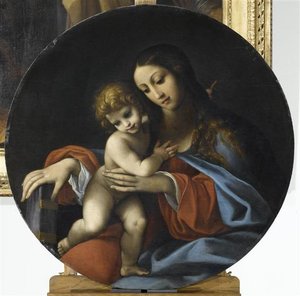
The Lamentation
 Oil On Canvas
- WallArt
- Baroque
 1582
1582- Early Modern
 95.0 x 173.0 cm
 Museo Metropolitano de Arte
 Ver más
Reproducción al óleo hecha a mano
Óleo sobre lienzo pintado a mano en el tamaño y marco de su elección, realizado por encargo por nuestros artistas. ( Cambiar a Impresión Cambiar a imagen digital)




P118B $10

P118H $10

P118W $10

P438Z $10

P508JH $12

P508YH $12

P805H $10

P805Z $10

P919BZ $10

P919G $10

P919XJ $10

P959ZH $10

P968JZ $12

W106C $8

W218G $10

W218JH $8

W218Y $10

W307PJ $10

W316G $10

W316PJ $8

W316Y $10

W398PJ $8

W4111J $10

W500HY $15

W500JH $15

W692G $12

W849H $8

W940BG $15

W953PJ $8




Elija entre nuestros tamaños predefinidos que respetan las proporciones originales de la obra.

Puede ingresar sus propias dimensiones para adaptarse a un marco o espacio específico. Si el tamaño seleccionado no coincide con las proporciones de la imagen original, recortaremos la obra o extenderemos la pintura con elementos adicionales pintados a mano. Se le enviará una maqueta digital para su aprobación antes de comenzar la producción.
Tenga en cuenta que la vista previa en pantalla no refleja el recorte o la extensión reales. Solo la maqueta mostrará con precisión la composición final.
Si bien existen tamaños personalizados, recomendamos seleccionar una dimensión de la lista predefinida para preservar las proporciones originales.
Tras realizar el pedido, el equipo de OriginalUniqueArt.com enviará un correo electrónico al cliente para solicitar instrucciones y proporcionarle una vista previa del boceto.
Envío a todo el mundo () en 3-4 semanas en lugar de las 5 semanas estándar. (9 septiembre). Sin comprometer la calidad.

Envío exprés gratuito a todo el mundo

Lienzo de lino de alta calidad

Seguro de envío total

Garantía de reembolso de impuestos aduaneros

Garantía de fidelidad cromática exacta

Política de devolución de 100 días (solo por defectos)

Garantía de devolución del 100% del dinero

Descuento por cantidad
 La opción de vidrio solo está disponible en tamaños inferiores a 110 cm.

The Lamentation
Técnica de reproducción
Dimensiones de la reproducción
-


Precio total final
$ 300
The Raw Humanity of Grief: An Encounter with The Lamentation
To stand before The Lamentation by Ludovico Carracci is to be enveloped in an atmosphere so thick with palpable sorrow that it feels almost breathable. This is not the polished, idealized grief often depicted in later art; rather, it is a raw, visceral outpouring of human emotion captured at its most agonizing peak. The scene presents a profound tableau of loss, centering on figures whose poses and expressions reject classical serenity for something far more immediate and startlingly real. Carracci masterfully directs our gaze across the composition, inviting us not merely to observe tragedy, but to feel its weight settle upon our own shoulders.
A Crucible Moment in Bolognese Baroque
Dating from 1582, this work stands as a vital document of artistic transition. It emerges directly from the intellectual ferment of Bologna, where the Carracci family established their academy. This institution was revolutionary, championing an approach that insisted upon direct observation—a commitment to drawing from the live model rather than relying solely on antique precedent. This dedication to empirical reality is what gives The Lamentation its arresting power. Critics of the time were shocked by the lack of idealization in Carracci’s depiction of Christ, a testament to his belief that true art must reflect the messy, beautiful truth of human existence. The very act of painting on three stitched-together tablecloths speaks to an urgency, a necessity to capture this moment before it faded.
Technique and Emotional Resonance
Observe the figures surrounding the central pair. Notice the Virgin Mary’s head thrown back in that experimental, almost desperate pose—it is arguably the most emotionally charged face within the entire frieze of mourners. Carracci employs a dramatic interplay of light and shadow, giving depth to the foreground while allowing background figures to recede into a palpable atmosphere of mourning. The composition itself guides the eye through layers of humanity: those closest to us seem almost touchable, their grief rendered with an unflinching honesty that transcends mere religious narrative. It is a masterclass in conveying profound pathos through careful study of the human form.
Symbolism and Enduring Impact
Beyond the immediate narrative of loss, The Lamentation resonates with universal themes: mortality, devotion, and the enduring bond between humanity. The black and white quality of the photograph only heightens this sense of timeless drama, stripping away the distraction of color to leave us with pure form and feeling. For the collector or decorator, owning a reproduction of this piece is acquiring more than just an image; it is acquiring a conduit to the passionate spirit of the early Baroque—a reminder that the most sublime art often springs from the deepest wells of human experience.
Biografía del artista
El Arquitecto del Barroco Boloñés
En el vibrante e intelectual corazón de Bolonia, una ciudad donde la tradición renacentista se encontró con el espíritu floreciente de una nueva era, Ludovico Carracci emergió como una fuerza transformadora en el arte europeo. Nacido en 1555, su vida estuvo inextricablemente ligada a los cimientos mismos de la Escuela Boloñesa. Como parte de la ilustre familia Carracci, junto a sus primos Annibale y Agostino, Ludovico no solo participó en un movimiento artístico; él ayudó a diseñar la transición desde la elegancia estilizada y a menudo artificial del Manierismo hacia el naturalismo profundo y emotivo del Barroco. Sus primeros años fueron moldeados por el taller de su padre, Prospero Carracci, un entorno que sirvió como crisol para la experimentación y santuario para el estudio del disegno: la observación meticulosa de la forma y la anatomía que se convertiría en el sello distintivo de su legado.
Mientras sus primos a menudo buscaban la fama en las grandes cortes de Roma, Ludovico permaneció profundamente arraigado en su natal Bolonia. Esta conexión inquebrantable le permitió cultivar un santuario artístico único, dirigiendo una academia que se convirtió en un faro para la siguiente generación de maestros, incluidos Guido Reni y Domenichino. Su obra representa una síntesis magistral de influencias históricas; se nutrió de la gracia divina de Rafael, la suave luminosidad de Correggio y el rico colorismo de Tiziano, pero infundió estos elementos clásicos con una nueva y dramática vitalidad. Al rechazar las poses atenuadas y a menudo forzadas de los pintores manieristas tardíos como Parmigianino, Ludovico abrazó una realidad más visceral, utilizando gestos audaces y una luz atmosférica y trémula para conmover las almas de sus espectadores.
Luz, Sombra e Intensidad Espiritual
El verdadero genio de Ludovico Carracci reside en su capacidad para manipular el claroscuro —el dramático juego entre luz y sombra— para que sirviera como conducto para la contemplación espiritual. Sus lienzos rara vez son meras representaciones de eventos bíblicos; son experiencias inmersivas diseñadas para evocar fervor religioso. En obras como Un ángel libera las almas del purgatorio, se puede presenciar cómo su uso de la luz no solo ilumina una escena, sino que participa activamente en su narrativa, tallando figuras de la oscuridad para resaltar momentos de compasión y gracia divina. Esta técnica, que recuerda al naturalismo emergente de Caravaggio, le permitió dotar incluso a los temas más sagrados de una emoción humana palpable.
Su maestría se extendió a diversos medios, desde la escala monumental de los frescos hasta la delicada precisión de los grabados y estampas. Ya fuera capturando la serena santidad de la Presentación en el Templo o la tensión muscular y heroica que se encuentra en su Desnudo masculino (¿Hércules?), hay un hilo constante de profundidad emocional que recorre toda su obra. Sus pinturas religiosas, como la Virgen Bargellini, muestran una capacidad para organizar grupos complejos de santos y ángeles en composiciones armoniosas pero dinámicas, donde cada pliegue de los ropajes y cada inclinación de una cabeza contribuyen a un sentido mayor de movimiento celestial.
Un Legado Duradero en el Canon Italiano
La importancia histórica de Ludovico Carracci no puede exagerarse. Fue una figura fundamental que ayudó a reinvigorar el arte italiano en un momento en que corría el riesgo de estancarse bajo el peso de sus propias tradiciones formalistas. Al defender un estilo que priorizaba la verdad emocional y la observación naturalista, proporcionó el modelo para los logros más celebrados de la era Barroca. Su influencia se irradió desde Bolonia, moldeando el lenguaje estético de gran parte de Europa y sentando las bases del naturalismo clásico que dominaría el siglo XVII.
Al reflexionar sobre su vida y obra, vemos a un artista que logró tender puentes entre dos mundos: la perfección estructurada del Renacimiento y la energía dramática y teatral del Barroco. Su capacidad para casar el rigor intelectual del disegno con un profundo sentido del colore y la resonancia emocional asegura su lugar como uno de los pintores más vitales de su época. A través de su devoción a su oficio y su compromiso con el poder espiritual del arte, Ludovico Carracci dejó una huella indeleble en la historia de la pintura occidental, recordándonos que la verdadera belleza reside en la intersección de la maestría técnica y el corazón humano.

Ludovico Carracci
1555 - 1619 , Italia
Datos clave
- Artistic Movement Or Style: Barroco Italiano
- Artists Or Movements Influenced By This Artist: ['Caravaggio']
- Artists Who Influenced This Artist:
- Miguel Ángel
- Rafael
- Date Of Birth: 21 abril 1555
- Date Of Death: 13 noviembre 1619 Bologna
- Full Name: Ludovico Carracci
- Nationality: Italiano
- Notable Artworks:
- Las Historias de Jasón
- La Virgen del Niño
- Place Of Birth: Bolonia, Italia
Artículos relacionados

Giclée Prints: Archival Quality & Aesthetic Nuances for the Discerning Collector
Explore the world of giclée prints with OriginalUniqueArt. Learn about archival quality, aesthetic nuances & investment potential. Expert guidance for discerning art collectors seeking museum-quality reproductions and lasting value.

The Dramatic Flourish: Exploring the Baroque Movement's Enduring Legacy in Art History
Explore the dramatic world of Baroque art! Discover iconic artists like Caravaggio & Rubens, defining techniques, and its lasting impact on art history. Expert insights for collectors & enthusiasts at OriginalUniqueArt.

Drama Barroca: Llevando la Grandeza y la Emoción a los Interiores Contemporáneos
Descubre cómo el drama y la grandeza del arte barroco pueden transformar tus interiores. Guía experta, inspiración y reproducciones de alta calidad en .

The Visceral Stage: Exploring Dramatic Narratives & Emotional Intensity in Baroque Art
Explore the dramatic world of Baroque art! Discover iconic masters like Caravaggio & Rembrandt, their techniques, and the movement's lasting impact. Expert insights for collectors & enthusiasts at OriginalUniqueArt.

Echoes of Time: Exploring the Enduring Appeal & Historical Context of Vintage Art Prints
Explore the captivating world of vintage art prints! Discover their history, collecting tips & enduring appeal. Expert insights on chromolithography and building a legacy collection with OriginalUniqueArt.