Vista previa
 Compartir
 Compartir
 Ver detalles
 Guía
Guía

 Descargar
 Ver artículos similares
 Radiografía
 Presentación de diapositivas
 Estadísticas
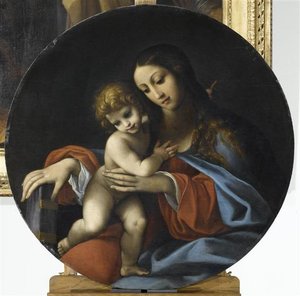
Presentation in the Temple
 Oil On Canvas
- WallArt
- Baroque
 1605
1605- Early Modern
 122.0 x 92.0 cm
 Museo Nacional Thyssen-Bornemisza
 Leer más
Giclée / Impresión de arte
Impresiones giclée o en lienzo de calidad de museo con producción rápida y opciones de acabado flexibles. ( Encargar reproducción pintada a mano Ver versión en imagen digital)




P118B $10

P118H $10

P118W $10

P438Z $10

P508JH $12

P508YH $12

P805H $10

P805Z $10

P919BZ $10

P919G $10

P919XJ $10

P959ZH $10

P968JZ $12

W106C $8

W218G $10

W218JH $8

W218Y $10

W307PJ $10

W316G $10

W316PJ $8

W316Y $10

W398PJ $8

W4111J $10

W500HY $15

W500JH $15

W692G $12

W849H $8

W940BG $15

W953PJ $8




Elija entre nuestros tamaños predefinidos que respetan las proporciones originales de la obra.

Puede introducir sus propias dimensiones para adaptarse a un marco o espacio específico. Si el tamaño seleccionado no coincide con las proporciones de la imagen original, recortaremos la obra de arte o extenderemos la imagen con un borde con efecto espejo o de color sólido. Se enviará una maqueta digital para su aprobación antes de que comience la producción.
Tenga en cuenta que la vista previa en pantalla no refleja el recorte o la extensión real. Solo la maqueta mostrará con precisión la composición final.
Aunque existen tamaños personalizados, recomendamos seleccionar una dimensión de la lista predefinida para preservar las proporciones originales.
Envío a todo el mundo () en 2 semanas en lugar de las 4/5 semanas estándar. (26 septiembre)

Envío exprés gratuito a todo el mundo

Lienzo de lino de alta calidad

Seguro de envío completo

Garantía de reembolso de impuestos aduaneros

Garantía de fidelidad cromática exacta

Política de devolución de 100 días (solo por defectos)

Garantía de devolución del 100% del dinero

Oferta por volumen
 La opción de vidrio solo está disponible en tamaños inferiores a 110 cm.

Presentation in the Temple
Giclée / Impresión de arte
Tamaño de la reproducción
-


Precio total
$ 80
A Symphony of Faith and Light
In the quiet sanctity of the Museo Thyssen-Bornemisza, there exists a moment frozen in time, a celestial encounter captured through the masterful hand of Ludovico Carracci. His Presentation in the Temple, executed around 1605, is far more than a mere religious depiction; it is a profound meditation on divinity and human devotion. The scene unfolds with a serene grace, as Mary presents the infant Jesus to the venerable Simeon and Anne within the hallowed halls of the Temple of Jerusalem. There is an immediate, palpable sense of peace that washes over the viewer, an atmosphere where the weight of sacred tradition meets the tender vulnerability of new life. For the discerning collector or lover of classical beauty, this work offers a window into a period when art served as a bridge between the earthly and the divine.
The composition is a masterclass in the Baroque aesthetic, specifically reflecting the transformative influence of the Carracci School. While many of his contemporaries sought to provoke through shock or extreme psychological tension, Ludovico Carracci pursued a harmonious balance that revitalized Italian painting. He skillfully blended the theatrical grandeur of the burgeoning Baroque era with a renewed commitment to humanist clarity. The figures are arranged with a deliberate, rhythmic elegance, guiding the eye through a narrative of reverence. This careful orchestration ensures that even as the scene possesses a dramatic scale, it never loses its intimate, spiritual core, making it an ideal centerpiece for spaces designed for contemplation and quiet sophistication.
The Mastery of Chiaroscuro and Form
Technically, the painting is a triumph of light and shadow. Carracci employs chiaroscuro—the dramatic interplay between deep, velvety shadows and brilliant highlights—to sculpt the figures with remarkable anatomical precision. This technique does not merely provide depth; it creates an ethereal glow that seems to emanate from Mary and the Christ child themselves, casting them as the luminous heart of the composition. The artist’s mastery is further revealed in the meticulous rendering of drapery, where subtle gradations of color are achieved through the delicate layering of glazes. These textures invite the eye to linger on the heavy, flowing fabrics, which possess a tactile quality that brings the historical scene into a startlingly present reality.
Beyond the technical brilliance lies a rich tapestry of symbolism that rewards deep observation. The presence of doves within the frame is not merely decorative; they serve as potent symbols of divine grace and foreshadow the future sacrifices inherent in the Christian narrative. Every element, from the soft light hitting the infant's skin to the solemn expressions of the elders, is imbued with meaning. For interior designers seeking to infuse a room with historical depth and emotional resonance, a high-quality reproduction of this masterpiece provides more than just decoration; it introduces a legacy of Bolognese Baroque excellence, offering a timeless elegance that complements both classical and contemporary environments.
Biografía del artista
El Arquitecto del Barroco Boloñés
En el vibrante e intelectual corazón de Bolonia, una ciudad donde la tradición renacentista se encontró con el espíritu floreciente de una nueva era, Ludovico Carracci emergió como una fuerza transformadora en el arte europeo. Nacido en 1555, su vida estuvo inextricablemente ligada a los cimientos mismos de la Escuela Boloñesa. Como parte de la ilustre familia Carracci, junto a sus primos Annibale y Agostino, Ludovico no solo participó en un movimiento artístico; él ayudó a diseñar la transición desde la elegancia estilizada y a menudo artificial del Manierismo hacia el naturalismo profundo y emotivo del Barroco. Sus primeros años fueron moldeados por el taller de su padre, Prospero Carracci, un entorno que sirvió como crisol para la experimentación y santuario para el estudio del disegno: la observación meticulosa de la forma y la anatomía que se convertiría en el sello distintivo de su legado.
Mientras sus primos a menudo buscaban la fama en las grandes cortes de Roma, Ludovico permaneció profundamente arraigado en su natal Bolonia. Esta conexión inquebrantable le permitió cultivar un santuario artístico único, dirigiendo una academia que se convirtió en un faro para la siguiente generación de maestros, incluidos Guido Reni y Domenichino. Su obra representa una síntesis magistral de influencias históricas; se nutrió de la gracia divina de Rafael, la suave luminosidad de Correggio y el rico colorismo de Tiziano, pero infundió estos elementos clásicos con una nueva y dramática vitalidad. Al rechazar las poses atenuadas y a menudo forzadas de los pintores manieristas tardíos como Parmigianino, Ludovico abrazó una realidad más visceral, utilizando gestos audaces y una luz atmosférica y trémula para conmover las almas de sus espectadores.
Luz, Sombra e Intensidad Espiritual
El verdadero genio de Ludovico Carracci reside en su capacidad para manipular el claroscuro —el dramático juego entre luz y sombra— para que sirviera como conducto para la contemplación espiritual. Sus lienzos rara vez son meras representaciones de eventos bíblicos; son experiencias inmersivas diseñadas para evocar fervor religioso. En obras como Un ángel libera las almas del purgatorio, se puede presenciar cómo su uso de la luz no solo ilumina una escena, sino que participa activamente en su narrativa, tallando figuras de la oscuridad para resaltar momentos de compasión y gracia divina. Esta técnica, que recuerda al naturalismo emergente de Caravaggio, le permitió dotar incluso a los temas más sagrados de una emoción humana palpable.
Su maestría se extendió a diversos medios, desde la escala monumental de los frescos hasta la delicada precisión de los grabados y estampas. Ya fuera capturando la serena santidad de la Presentación en el Templo o la tensión muscular y heroica que se encuentra en su Desnudo masculino (¿Hércules?), hay un hilo constante de profundidad emocional que recorre toda su obra. Sus pinturas religiosas, como la Virgen Bargellini, muestran una capacidad para organizar grupos complejos de santos y ángeles en composiciones armoniosas pero dinámicas, donde cada pliegue de los ropajes y cada inclinación de una cabeza contribuyen a un sentido mayor de movimiento celestial.
Un Legado Duradero en el Canon Italiano
La importancia histórica de Ludovico Carracci no puede exagerarse. Fue una figura fundamental que ayudó a reinvigorar el arte italiano en un momento en que corría el riesgo de estancarse bajo el peso de sus propias tradiciones formalistas. Al defender un estilo que priorizaba la verdad emocional y la observación naturalista, proporcionó el modelo para los logros más celebrados de la era Barroca. Su influencia se irradió desde Bolonia, moldeando el lenguaje estético de gran parte de Europa y sentando las bases del naturalismo clásico que dominaría el siglo XVII.
Al reflexionar sobre su vida y obra, vemos a un artista que logró tender puentes entre dos mundos: la perfección estructurada del Renacimiento y la energía dramática y teatral del Barroco. Su capacidad para casar el rigor intelectual del disegno con un profundo sentido del colore y la resonancia emocional asegura su lugar como uno de los pintores más vitales de su época. A través de su devoción a su oficio y su compromiso con el poder espiritual del arte, Ludovico Carracci dejó una huella indeleble en la historia de la pintura occidental, recordándonos que la verdadera belleza reside en la intersección de la maestría técnica y el corazón humano.

Ludovico Carracci
1555 - 1619 , Italia
Datos clave
- Artistic Movement Or Style: Barroco Italiano
- Artists Or Movements Influenced By This Artist: ['Caravaggio']
- Artists Who Influenced This Artist:
- Miguel Ángel
- Rafael
- Date Of Birth: 21 abril 1555
- Date Of Death: 13 noviembre 1619 Bologna
- Full Name: Ludovico Carracci
- Nationality: Italiano
- Notable Artworks:
- Las Historias de Jasón
- La Virgen del Niño
- Place Of Birth: Bolonia, Italia
Artículos relacionados
Annibale Carracci: Bridging Renaissance Ideals & Baroque Innovation
Explore the life & art of Annibale Carracci, a pivotal figure bridging Renaissance ideals with Baroque innovation. Discover his masterpieces and lasting influence on Italian painting.

Drama Barroca: Llevando la Grandeza y la Emoción a los Interiores Contemporáneos
Descubre cómo el drama y la grandeza del arte barroco pueden transformar tus interiores. Guía experta, inspiración y reproducciones de alta calidad en .

Giuseppe Maria Crespi: Pioneering Genre Painting & the Bolognese Baroque
Explore the life & art of Giuseppe Maria Crespi, a pivotal Bolognese Baroque painter. Discover his groundbreaking genre scenes, religious works, and lasting influence on Italian art history. Learn more at OriginalUniqueArt.

The Dramatic Flourish: Exploring the Baroque Movement's Enduring Legacy in Art History
Explore the dramatic world of Baroque art! Discover iconic artists like Caravaggio & Rubens, defining techniques, and its lasting impact on art history. Expert insights for collectors & enthusiasts at OriginalUniqueArt.

The Visceral Stage: Exploring Dramatic Narratives & Emotional Intensity in Baroque Art
Explore the dramatic world of Baroque art! Discover iconic masters like Caravaggio & Rembrandt, their techniques, and the movement's lasting impact. Expert insights for collectors & enthusiasts at OriginalUniqueArt.