

 Vista previa
 Compartir
 Compartir
 Ver detalles
 Guía
Guía

 Descargar
 Ver artículos similares
 Radiografía
 Presentación de diapositivas
 Estadísticas
Intimité


 Leer más
Giclée / Impresión de arte
Impresiones giclée o en lienzo de calidad de museo con producción rápida y opciones de acabado flexibles. ( Encargar reproducción pintada a mano Ver versión en imagen digital)




P118B €10

P118H €10

P118W €10

P438Z €10

P508JH €12

P508YH €12

P805H €10

P805Z €10

P919BZ €10

P919G €10

P919XJ €10

P959ZH €10

P968JZ €12

W106C €8

W218G €10

W218JH €8

W218Y €10

W307PJ €10

W316G €10

W316PJ €8

W316Y €10

W398PJ €8

W4111J €10

W500HY €15

W500JH €15

W692G €12

W849H €8

W940BG €15

W953PJ €8




Elija entre nuestros tamaños predefinidos que respetan las proporciones originales de la obra.

Introduzca el ancho y el alto que necesite para adaptarse a su marco o pared. Una impresión solo puede recortarse, nunca hacerse más grande que la imagen original, por lo que un tamaño con una forma distinta perderá parte de la obra. Le enviaremos una maqueta digital para su aprobación antes de realizar cualquier impresión. La imagen que se muestra en esta página no refleja el recorte real; solo la maqueta lo hace.
Envío a todo el mundo () en 2 semanas en lugar de las 4/5 semanas estándar. (24 octubre)

Envío exprés gratuito a todo el mundo

Lienzo de lino de alta calidad

Seguro de envío completo

Garantía de reembolso de impuestos aduaneros

Garantía de fidelidad cromática exacta

Política de devolución de 100 días (solo por defectos)

Garantía de devolución del 100% del dinero

Oferta por volumen
 La opción de vidrio solo está disponible en tamaños inferiores a 110 cm.

Intimité
Giclée / Impresión de arte
Tamaño de la reproducción
-


Precio total
€ 70
A Quiet Resonance: The Soul of Intimité
In the quiet corners of art history, certain works possess the unique ability to halt time, inviting the viewer into a sanctuary of stillness. Lucien Simon’s 1944 masterpiece, Intimité, is precisely such a work. This evocative portrait captures a profound moment of connection between two figures, seated amidst an abundance of floral arrangements that seem to breathe alongside them. The painting does not merely depict a room; it constructs an atmosphere of profound closeness and domestic peace. As the eye wanders through the composition, one encounters a delicate balance of human presence and botanical beauty, where the man and woman are enveloped by the soft, rhythmic placement of vases and greenery, creating a sense of being tucked away from the outside world.
The technique employed by Simon reflects his mastery of the "Dark Impressionist" style, a departure from the bright, sun-drenched palettes often associated with his contemporaries. Instead, he utilizes a more somber, grounded tonal range that lends the scene an incredible sense of weight and reality. Through masterful brushwork, the textures of the petals, the ceramic surfaces of the vases, and the soft fabrics of the subjects' clothing are rendered with a tactile quality. This controlled use of light and shadow—the interplay of chiaroscuro—serves to highlight the intimacy of the subject matter, drawing the viewer’s focus toward the subtle expressions and the shared space between the two figures, making the atmosphere feel both cozy and deeply contemplative.
Historical Context and Emotional Depth
Created in 1944, a period marked by significant global upheaval, Intimité offers a poignant contrast to the chaos of the era. While much of the world was embroiled in conflict, Simon turned his gaze inward, toward the enduring strength of human connection and the simple, restorative beauty of nature. This choice of subject matter carries a heavy symbolic weight; the flowers act as symbols of life, fragility, and renewal, while the seated figures represent a steadfastness amidst change. The painting serves as a visual poem about the importance of finding sanctuary within one's personal relationships and the quiet joys found in domesticity.
For the discerning collector or interior designer, this piece offers more than mere decoration; it provides an emotional anchor for a room. Its muted tones and rich textures make it an ideal centerpiece for spaces designed for reflection, such as a library, a study, or a sophisticated living area. A high-quality reproduction of Intimité allows the timeless elegance of Simon’s vision to inhabit modern interiors, bringing a sense of historical depth and a calming, sophisticated aura to any environment. It is an invitation to slow down, to breathe, and to appreciate the profound beauty found in life's most quiet, intimate moments.
Preguntas y respuestas
¿Quién es el autor y en qué año se creó "Intimité"?
Lucien Simon realizó "Intimité" en 1944.
¿Qué color predomina en la composición de "Intimité" de Lucien Simon?
El color dominante de "Intimité" de Lucien Simon es Espresso (#484342).
¿Qué uso y espacio se recomiendan para "Intimité" de Lucien Simon?
Se recomienda "Intimité" de Lucien Simon para Mood, idealmente en un/a Bedroom. El uso y el espacio juntos orientan dónde encaja una reproducción.
Biografía del artista
Una elegancia sombría: La visión del impresionismo oscuro
Lucien Joseph Simon fue mucho más que un cronista del paisaje francés; fue un maestro de las sombras atmosféricas que definen el alma bretona. Mientras que el movimiento impresionista en su sentido más amplio solía perseguir el brillo fugaz y bañado por el sol de la luz, Simon buscaba una verdad más profunda y resonante dentro de los tonos apagados de la tierra y el mar. Como miembro prominente de la Bande Noire, junto a artistas como Charles Cottet y Dauchez, rechazó la brillantez estridente de sus contemporáneos en favor de una paleta que abrazaba la melancolía y el misterio. Su obra captura el aire pesado y salino de la costa y la resistencia silenciosa y estoica de la vida rural, transformando escenas sencillas en profundas meditaciones sobre la existencia.Fundamentos académicos y la maestría de la forma
La brillantez técnica de la obra de Simon estaba arraigada en un riguroso linaje académico. Tras sus años formativos en el Lycée Louis-le-Grand, perfeccionó sus habilidades bajo la mirada atenta de Jules Didier antes de ingresar a la prestigiosa Académie Julian entre 1880 y 1883. Esta educación disciplinada le proporcionó el dominio estructural necesario para ejecutar composiciones complejas con precisión y emoción. Poseía una capacidad única para utilizar sutiles cambios tonales para definir las texturas de las telas, la calidez de la piel y el peso de una atmósfera. En obras maestras como Famille bigoudène en deuil, se observa esta maestría en su apogeo, donde la elegancia sombría del atuendo de luto y el dolor compartido de una familia se representan con un realismo palpable y sobrecogedor.Un legado de enseñanza e influencia perdurable
La contribución de Simon al mundo del arte se extendió mucho más allá de sus lienzos personales; fue una figura fundamental en el cultivo de las generaciones futuras. En 1902, cofundó la Académie de la Grande Chaumière junto a Alice Dannenberg, estableciendo un santuario vital para la exploración y el crecimiento artístico. Su papel como educador en la École nationale des beaux-arts consolidó aún más su importancia dentro de la tradición académica francesa. Incluso en sus últimos años, Simon continuó explorando temas de conexión profunda y paz doméstica, como se observa en la evocadora Intimité de 1944. La obra de su vida sigue siendo un testimonio del poder del "Impresionismo Oscuro", dejando tras de sí un legado que encuentra una belleza perdurable dentro de los rincones silenciosos y sombríos de la experiencia humana.
Lucien Simon
1861 - 1945 , Francia
Datos clave
- Artistic Movement Or Style: Impresionismo
- Artists Who Influenced This Artist: ['Jules Didier']
- Date Of Birth: 1861
- Date Of Death: 1945
- Full Name: Lucien Joseph Simon
- Nationality: Francés
- Notable Artworks:
- Fin de repas à kergaït
- Soirée à l’atelier
- A Self-Portrait
- Le Ramassage du Goémon
- Place Of Birth: Paris, Francia
Artículos relacionados

Paul Cézanne: Las 25 Obras Maestras que Definieron el Arte Moderno | OriginalUniqueArt
Descubre las 25 obras maestras de Paul Cézanne que revolucionaron el arte moderno. Explora su técnica, inspiración y significado en paisajes, bodegones y retratos. Reproducciones de alta calidad para decorar tu hogar con arte inolvidable. ¡Explora la colección completa en OriginalUniqueArt.com!

Silent Narratives: Exploring the Enduring Appeal of Still Life Painting Across Centuries
Explore the rich history of still life painting with OriginalUniqueArt. Discover Dutch Masters, decode vanitas symbolism & learn about collecting timeless art. Expert insights and museum-quality reproductions.

Impresionismo: 10 Obras Maestras que Capturan la Luz y el Momento
Descubre 10 obras maestras del impresionismo de Monet, Renoir y Degas. Explora la luz, el color y las historias detrás de estos icónicos cuadros. Reproducciones de arte en OriginalUniqueArt.com para decorar tu hogar con estilo.
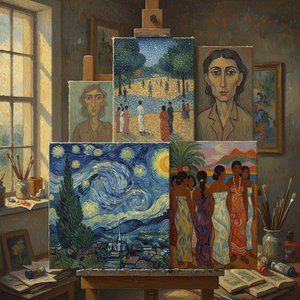
Más Allá del Impresionismo: Profundizando en la Emoción y el Simbolismo Postimpresionista
Descubre la profundidad emocional y el simbolismo del Postimpresionismo con OriginalUniqueArt. Análisis experto de Cézanne, Van Gogh, Gauguin y más. Explora la historia y el legado de este fascinante movimiento artístico.
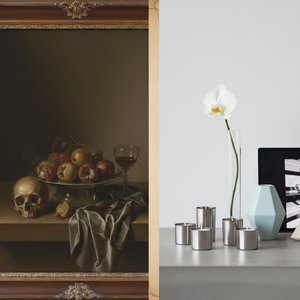
The Enduring Appeal of Still Life: A Historical & Contemporary Exploration
Explore the rich history & symbolism of still life painting with OriginalUniqueArt. Discover masterpieces from the Dutch Golden Age, learn about vanitas art, and find expert guidance for collecting timeless artworks.