

 Vista previa
 Compartir
 Compartir
 Ver detalles

 Descargar
 Ver similares
 Radiografía
 Presentación de diapositivas
Courtyard
 Ink On Paper
- Romanticism
 1940
1940- Modern
 36.0 x 29.0 cm
 Instituto Leo Baeck
 Leer más
Giclée / Impresión de arte
Impresiones giclée o en lienzo de calidad de museo con producción rápida y opciones de acabado flexibles. ( Comprar pintura hecha a mano Comprar imagen)




P118B $10

P118H $10

P118W $10

P438Z $10

P508JH $12

P508YH $12

P805H $10

P805Z $10

P919BZ $10

P919G $10

P919XJ $10

P959ZH $10

P968JZ $12

W106C $8

W218G $10

W218JH $8

W218Y $10

W307PJ $10

W316G $10

W316PJ $8

W316Y $10

W398PJ $8

W4111J $10

W500HY $15

W500JH $15

W692G $12

W849H $8

W940BG $15

W953PJ $8




Elija entre nuestros tamaños predefinidos que respetan las proporciones originales de la obra.

Puede introducir sus propias dimensiones para adaptarse a un marco o espacio específico. Si el tamaño seleccionado no coincide con las proporciones de la imagen original, recortaremos la obra de arte o extenderemos la imagen con un borde con efecto espejo o de color sólido. Se enviará una maqueta digital para su aprobación antes de que comience la producción.
Tenga en cuenta que la vista previa en pantalla no refleja el recorte o la extensión real. Solo la maqueta mostrará con precisión la composición final.
Aunque existen tamaños personalizados, recomendamos seleccionar una dimensión de la lista predefinida para preservar las proporciones originales.
Envío a todo el mundo () en 2 semanas en lugar de las 4/5 semanas estándar. (12 agosto)

Envío exprés gratuito a todo el mundo

Lienzo de lino de alta calidad

Seguro de envío completo

Garantía de reembolso de aranceles aduaneros

Garantía de fidelidad cromática exacta

Política de devolución de 60 días (solo por defectos)

Garantía de devolución del 100% del dinero

Oferta por volumen
 La opción de vidrio solo está disponible en tamaños inferiores a 110 cm.

Courtyard
Giclée / Impresión de arte
Tamaño de la reproducción
-


Precio total
$ 80
Descripción de la pieza
A Window into a Forgotten Realm
In the evocative monochrome drawing Courtyard, created in 1940 by Lucie Ritter Marcus, we are invited to peer through a weathered gate into a world where time seems to have surrendered to the slow, persistent pulse of nature. This captivating piece presents an overgrown and somewhat dilapidated garden scene, rendered with a profound sense of stillness. The composition is masterfully layered, guiding the viewer’s eye from the immediate architectural threshold into a secluded sanctuary filled with dense foliage, silent statues, and crumbling stone elements. There is an undeniable intimacy to this view; it feels less like a public landscape and more like a private memory, captured in the delicate interplay of light and shadow.
The technical execution of the work reveals Marcus’s extraordinary command over line and texture. Utilizing what appears to be the meticulous precision of pen and ink, she employs intricate hatching and cross-hatching to build depth and volume. These fine, linear strokes do more than just define shapes; they simulate the rough, tactile surfaces of weathered stone and the organic complexity of tangled branches. The palette is strictly monochromatic, relying on a sophisticated range of browns and greys to create an atmospheric perspective that pulls the viewer deeper into the garden's recesses. This technique lends the artwork a structural weight, reminiscent of the 18th-century landscape traditions of masters like Canaletto or Piranesi, yet it remains uniquely personal through its soft, diffused lighting.
Symbolism and the Passage of Time
Beyond its formal beauty, Courtyard serves as a poignant meditation on the themes of decay and reclamation. The presence of classical statues, partially obscured by encroaching vines, suggests a lingering connection to a more ordered, perhaps more prosperous, past. These figures act as silent sentinaries of history, embodying themes of remembrance and the enduring nature of beauty even amidst neglect. The way the vegetation aggressively reclaims the architectural forms creates a powerful tension between man-made permanence and the unstoppable force of the natural world. It is a scene that speaks to the cyclical nature of life—where what was once manicured and controlled eventually returns to the wild.
For the discerning collector or interior designer, this artwork offers a profound emotional resonance. Its somber yet beautiful atmosphere makes it an ideal centerpiece for spaces designed for contemplation, such as a library, study, or a quiet corner of a sophisticated living room. As a high-quality reproduction, Courtyard brings with it a sense of historical gravity and academic depth. It is not merely a decoration but a conversation piece that invites guests to linger on its details, finding within its shadows a sense of peace, mystery, and the haunting elegance of a world left behind.
Biografía del artista
primeros años y trasfondo
lucie ritter marcus, artista alemana, nació en Breslau en 1897. Su vida experimentó un giro trascendental cuando contrajo matrimonio con ernst marcus, un abogado germano-judío. Esta unión no solo moldeó su vida personal, sino que también influyó profundamente en su trayectoria artística.estilo artístico y temas
La obra de lucie ritter marcus se caracteriza por el uso del dibujo, predominantemente en blanco y negro. Sus temas abarcan desde desnudos hasta ilustraciones de la vida cotidiana, reflejando una conexión profunda con la experiencia humana; esta versatilidad pone de manifiesto su amplio espectro artístico.- obra comercial: al involucrarse con el arte comercial, marcus demostró su capacidad para adaptarse a diversos medios.
- obra personal: sus piezas personales ofrecen un vistazo a su mundo interior, reflejando a menudo temas de intimidad y vulnerabilidad.
- correspondencia profesional y efímera: estos elementos proporcionan una visión única de sus interacciones profesionales y del contexto en el que operó.
legado y colecciones
La obra de marcus se conserva en diversas colecciones, entre las que destacan:- the leo baeck institute (nueva york, estados unidos)
- center for jewish history
obras notables y ubicaciones
- lucie ritter marcus: río, pueblo y puente arqueado (26 x 27 cm, leo baeck institute, nueva york, estados unidos, pintura) - [https://OriginalUniqueArt.com/@@/d7rrkm-lucie-ritter-marcus-river-town-and-arched-bridge](descubra más sobre la obra de lucie ritter marcus en OriginalUniqueArt)conclusión
Lucie ritter marcus, con su diversa producción artística, ha dejado una huella indeleble en el mundo del arte. Su capacidad para navegar por diversos temas y medios la ha convertido en una figura fascinante en la historia del arte alemán. Al continuar explorando su legado, recordamos el profundo impacto que un artista puede tener en nuestra comprensión de la experiencia humana.- explore más sobre la vida y la obra de lucie ritter marcus en [https://OriginalUniqueArt.com/@/lucie-ritter-marcus](la página del artista en OriginalUniqueArt)
- descubra las obras maestras del musée victor hugo (paris, francia) con OriginalUniqueArt: [https://OriginalUniqueArt.com/@@/a@d3ap8p-discover-the-masterpieces-of-musee-victor-hugo-(paris-france)-with-OriginalUniqueArt](desvele los secretos del musée victor hugo)

Lucie Ritter Marcus
1897 - 1967 , Alemania
Datos clave
- Artistic Movement Or Style: Realismo
- Artists Or Movements Influenced By This Artist: ['Ninguno listado']
- Artists Who Influenced This Artist: ['Ninguno listado']
- Date Of Birth: 1897
- Full Name: John Berninger
- Nationality: Estadounidense
- Notable Artworks: ['']
- Place Of Birth: Allentown, Pensilvania
Artículos relacionados

Blanco Sublime: Los 10 Cuadros Más Famosos Dominados por la Luz y el Color
Descubre los 10 cuadros blancos más emblemáticos de la historia del arte. Explora Monet, Van Gogh y Klimt, y su magistral uso de la luz y el color. Encuentra reproducciones de alta calidad e inspírate para tu decoración en .

Las 10 Pinturas Más Famosas Dominadas por el Negro | Arte y Decoración
Descubre las 10 pinturas más impactantes dominadas por el negro. Explora obras maestras de Rembrandt, Goya y Rothko, su historia y significado. Encuentra reproducciones de arte exclusivas para transformar tu hogar en .

Monochrome Visions: Exploring the Aesthetic & Historical Significance of Black & White Photography
Explore the rich history & artistic power of black and white photography. From early techniques to iconic masters like Ansel Adams, discover why monochrome continues to captivate art lovers today. Expert insights for collectors.
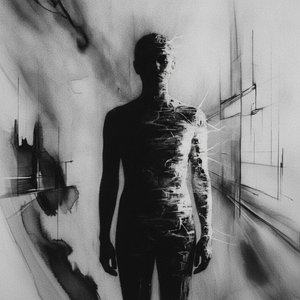
Shadow & Soul: Why Black & White Photography Remains the Ultimate Power Move in Modern Art
Discover why black & white photography remains a powerful force in contemporary art. Explore the impact of light, shadow, and texture through a visual journey of monochrome mastery and learn how to elevate your space with timeless grayscale aesthetics.

The Nuances of Graphite: Exploring Emotional Depth & Technical Mastery in Pencil Drawing
Explore the captivating world of graphite drawing! Discover its rich history, master essential techniques like chiaroscuro, and learn how artists evoke emotion through this timeless medium. Expert insights for art enthusiasts.

