Vista previa
 Compartir
 Compartir
 Ver detalles
 Guía
Guía

 Descargar
 Ver artículos similares
 Radiografía
 Presentación de diapositivas
 Estadísticas
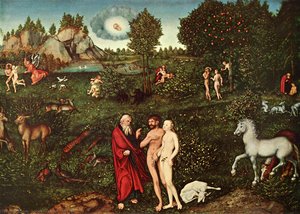
The Trinity


 Leer más
Reproducción al óleo hecha a mano
Óleo sobre lienzo pintado a mano en el tamaño y marco de su elección, realizado por encargo por nuestros artistas. ( Cambiar a formato impreso Ver versión en imagen digital)




P118B €10

P118H €10

P118W €10

P438Z €10

P508JH €12

P508YH €12

P805H €10

P805Z €10

P919BZ €10

P919G €10

P919XJ €10

P959ZH €10

P968JZ €12

W106C €8

W218G €10

W218JH €8

W218Y €10

W307PJ €10

W316G €10

W316PJ €8

W316Y €10

W398PJ €8

W4111J €10

W500HY €15

W500JH €15

W692G €12

W849H €8

W940BG €15

W953PJ €8




Elija entre nuestros tamaños predefinidos que respetan las proporciones originales de la obra.

Escriba el ancho y el alto que necesite para adaptarse a su marco o a su pared. Al ser una obra pintada a mano, para un tamaño con una forma distinta, el artista puede pintar un poco más alrededor de la imagen o recortar un poco; usted elige. Le enviaremos una maqueta digital para su aprobación antes de comenzar la pintura. La imagen que se muestra en esta página no refleja el resultado real; solo la maqueta lo hace.
Tras realizar el pedido, el equipo de OriginalUniqueArt.com enviará un correo electrónico al cliente para solicitar instrucciones y proporcionarle una vista previa del boceto.
Envío a todo el mundo () en 3-4 semanas en lugar de las 5 semanas estándar. (24 octubre). Sin comprometer la calidad.

Envío exprés gratuito a todo el mundo

Lienzo de lino de alta calidad

Seguro de envío completo

Garantía de reembolso de impuestos aduaneros

Garantía de fidelidad cromática exacta

Política de devolución de 100 días (solo por defectos)

Garantía de devolución del 100% del dinero

Oferta por volumen
 La opción de vidrio solo está disponible en tamaños inferiores a 110 cm.

The Trinity
Técnica de reproducción
Tamaño de la reproducción
-


Precio total
€ 263
A Divine Encounter: The Soul of Lucas Cranach’s Trinity
To stand before Lucas Cranach the Elder’s The Trinity is to step across the threshold of time and into the very heart of Christian theology rendered in breathtaking pigment. Painted around 1515, this monumental work serves as a cornerstone of the Northern Renaissance, acting as much more than a mere depiction of biblical scripture. It is a profound meditation on divinity, sacrifice, and eternal life. Through his masterful command of oil on panel, Cranach invites the viewer into a complex interplay of light and shadow, where the celestial and the earthly converge in a singular, breathtaking moment of spiritual revelation.
The composition is a masterclass in Renaissance precision, yet it breathes with an unexpected emotional depth. At its center, the figure of Jesus on the cross anchors the scene, surrounded by a celestial assembly of angels and divine figures that seem to pulse with life. Cranach’s technique allows for a rich color saturation and subtle gradations of tone that create an illusionistic depth, drawing the eye inward toward the central mystery of faith. The presence of numerous birds scattered throughout the scene—some soaring through the heavens, others perched quietly amidst the holy figures—adds a sense of movement and vitality to the otherwise solemn religious tableau, reminding us of the living, breathing nature of the divine presence.
The Intersection of Faith and History
Created during one of the most turbulent eras in European history, The Trinity is deeply embedded in the intellectual fervor of the burgeoning Protestant Reformation. As a court painter to the Electors of Saxony, Cranach was uniquely positioned at the crossroads of political power and religious upheaval. His close friendship with Martin Luther and his role in shaping the visual language of the Reformation are palpable within this work. While the painting adheres to the High Renaissance tradition of clarity and meticulous detail, it also captures the psychological nuance and the spiritual anxieties of a world in transition.
The symbolism within the piece is as layered as the pigments themselves. The Holy Trinity—God the Father, Christ, and the Holy Spirit—is presented not just as a theological concept, but as a palpable reality. For collectors and lovers of fine art, the painting offers a window into a period where art served as a vital vehicle for ideological messages. Every gesture, from the mourning angels to the watchful eyes of the heavenly host, is designed to evoke a sense of awe and reverence, making it an ideal centerpiece for those seeking to bring a sense of historical gravity and contemplative peace into a sophisticated interior space.
A Timeless Addition to the Collector's Gallery
For the discerning art enthusiast or interior designer, a high-quality reproduction of The Trinity offers more than just aesthetic beauty; it provides an opportunity to anchor a room with a sense of profound history and spiritual weight. The painting’s ability to command attention through its monumental scale and intricate detail makes it a versatile choice for grand halls, libraries, or private studies where art is intended to provoke thought and inspire quiet reflection.
Whether you are drawn to the technical brilliance of Cranach’s Northern Renaissance style or the evocative narrative of the Reformation era, this work remains eternally relevant. It stands as a testament to the enduring power of art to capture the intangible—the essence of faith, the weight of sacrifice, and the beauty of the divine. Owning a piece of this legacy allows one to surround themselves with the masterful craftsmanship of a true Renaissance master, ensuring that the conversation between the viewer and the artwork continues for generations to come.
Preguntas y respuestas
¿Permaneció "The Trinity" en el país de origen de su artista?
Sí, la obra se encuentra en el país de origen del artista. Lucas Cranach el Viejo nació en Alemania, y el original de "The Trinity" se encuentra en un museo de Alemania.
¿Cómo encaja "The Trinity" con los temas y el estilo de Lucas Cranach el Viejo?
"The Trinity" pertenece a la obra Northern Renaissance de Lucas Cranach el Viejo, cuyos temas recurrentes incluyen german renaissance style, lutheran reformation era, saxon court patronage, christian narrative tradition, iconic religious imagery.
¿Quién es el autor de "The Trinity" y a qué movimiento pertenece?
"The Trinity" fue creada por Lucas Cranach el Viejo con el estilo Northern Renaissance. El artista y el movimiento identifican la tradición de la obra.
Biografía del artista
Primeros años y formación
Lucas Cranach el Viejo, un destacado pintor y grabador del Renacimiento alemán, nació en 1472 en Kronach, Alta Franconia. Aunque la fecha exacta de su nacimiento es desconocida, se sabe que aprendió las artes del dibujo de su padre, Hans Maler, y posteriormente desarrolló sus habilidades bajo la tutela de maestros locales del sur alemán.Carrera y logros destacados
La habilidad de Cranach atrajo la atención del duque Federico III de Sajonia, también conocido como Federico el Sabio. En 1504, se convirtió en pintor de la corte de los electores de Sajonia en Wittenberg, un puesto que ocupó durante la mayor parte de su carrera.- Fue reconocido por sus retratos de príncipes alemanes y líderes de la Reforma protestante, incluyendo a Martín Lutero.
- Cranach también pintó temas religiosos, inicialmente dentro de la tradición católica, pero posteriormente explorando nuevas formas de expresar las preocupaciones luteranas en el arte.
- Su taller produjo numerosas obras, incluyendo versiones continuadas por su hijo Lucas Cranach el Joven, y otros artistas incluso después de su muerte.
Estilo artístico y evolución
El estilo artístico de Cranach evolucionó a lo largo de su carrera. Inicialmente influenciado por la escuela del Danubio, sus primeras obras muestran un uso poético del paisaje. A medida que se estableció en Wittenberg, desarrolló un estilo distintivo caracterizado por:- Retratos expresivos: Sus retratos capturan no solo la apariencia física de los sujetos, sino también su personalidad y estatus social.
- Temas religiosos innovadores: Cranach introdujo elementos luteranos en sus obras religiosas, desafiando las convenciones artísticas tradicionales.
- Uso del grabado: Fue un maestro grabador, produciendo numerosas xilografías y aguafortas que difundieron su arte a una audiencia más amplia.
Obras notables y colaboraciones
Entre las obras más destacadas de Lucas Cranach el Viejo se encuentran:- La Caza del Ciervo del Elector Federico III el Sabio (1529), una obra maestra que muestra su habilidad para capturar la esencia del estilo renacentista nórdico.
- Autorretrato, una representación impactante del artista, que exhibe su dominio de la luz y la sombra.
- El anuncio a Joaquín (1516-18), una escena llena de espíritu alegre, actualmente en el Museo de Bellas Artes de Budapest.
Legado e importancia histórica
El legado de Lucas Cranach el Viejo reside en sus significativas contribuciones al movimiento artístico del Renacimiento alemán. Como figura destacada del Renacimiento nórdico, su obra continúa inspirando a artistas y entusiastas del arte por igual. Su estrecha relación con Martín Lutero y su papel como propagandista visual de la Reforma Protestante lo convierten en una figura clave en la historia del arte y la cultura europea. Cranach no solo fue un artista talentoso, sino también un innovador que desafió las convenciones artísticas tradicionales y contribuyó a la difusión de nuevas ideas religiosas y políticas. Su taller prolífico y el legado artístico transmitido a sus hijos aseguraron su impacto duradero en el mundo del arte.
Lucas Cranach el Viejo
1472 - 1553 , Alemania
Datos clave
- Artistas Que Influyeron: ['Matthias Grünewald']
- Fecha De Muerte: 1553
- Fecha De Nacimiento: 1472
- Lugar De Nacimiento: Kronach, Alemania
- Movimiento Artístico: Renacimiento alemán
- Nacionalidad: Alemán
- Nombre Completo: Lucas Cranach el Mayor
- Obras Notables:
- Caza del Ciervo
- Retrato de Martín Lutero
- Autorretrato
Artículos relacionados
Oil on Panel: A Historical Survey of Technique, Support & Aesthetic Evolution
Explore the rich history of oil on panel painting! Discover Renaissance techniques, support structures & aesthetic evolution. Expert insights for art collectors and enthusiasts.

Mastering the Surface: The Timeless Elegance and Technical Brilliance of Oil on Panel Painting
Discover the enduring allure of oil on panel painting. Explore the technical mastery, historical significance, and luminous depth that define this prestigious medium, from Renaissance masters to modern fine art reproductions for discerning collectors.
Mastering the Surface: A Historical and Technical Guide to the Art of Oil on Panel Painting
Explore the profound history and technical brilliance of oil on panel painting. From Renaissance masters to modern techniques, discover why this rigid support offers unparalleled precision and permanence for fine art lovers and collectors.
The Timeless Charm of Oil on Board: Reimagining Texture and Light through the Impressionist Lens
Discover the profound intimacy of oil on panel. Explore how Impressionist masters used rigid supports to capture light, texture, and impasto depth through exquisite, handmade oil reproductions for discerning collectors.
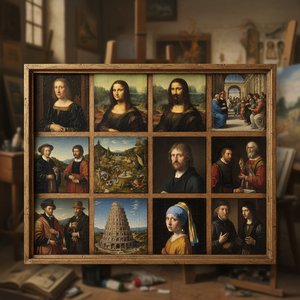
Las 10 Obras Maestras al Óleo sobre Panel que Transformaron la Historia del Arte |
Descubre las 10 obras maestras al óleo sobre panel que revolucionaron la historia del arte. Explora a Jan van Eyck, Botticelli y otros genios renacentistas. Reproducciones de arte exclusivas en para transformar tu hogar.