Vista previa
 Compartir
 Compartir
 Ver detalles
 Guía
Guía

 Descargar
 Ver artículos similares
 Radiografía
 Presentación de diapositivas
 Estadísticas
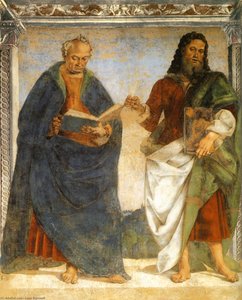
The Trinity, the Virgin and Two Saints
 Oil
Oil- WallArt
- High Renaissance
 1510
1510 272.0 x 180.0 cm
 Galería de los Uffizi
 Leer más
Giclée / Impresión de arte
Impresiones giclée o en lienzo de calidad de museo con producción rápida y opciones de acabado flexibles. ( Encargar reproducción pintada a mano Ver versión en imagen digital)




P118B $10

P118H $10

P118W $10

P438Z $10

P508JH $12

P508YH $12

P805H $10

P805Z $10

P919BZ $10

P919G $10

P919XJ $10

P959ZH $10

P968JZ $12

W106C $8

W218G $10

W218JH $8

W218Y $10

W307PJ $10

W316G $10

W316PJ $8

W316Y $10

W398PJ $8

W4111J $10

W500HY $15

W500JH $15

W692G $12

W849H $8

W940BG $15

W953PJ $8




Elija entre nuestros tamaños predefinidos que respetan las proporciones originales de la obra.

Puede introducir sus propias dimensiones para adaptarse a un marco o espacio específico. Si el tamaño seleccionado no coincide con las proporciones de la imagen original, recortaremos la obra de arte o extenderemos la imagen con un borde con efecto espejo o de color sólido. Se enviará una maqueta digital para su aprobación antes de que comience la producción.
Tenga en cuenta que la vista previa en pantalla no refleja el recorte o la extensión real. Solo la maqueta mostrará con precisión la composición final.
Aunque existen tamaños personalizados, recomendamos seleccionar una dimensión de la lista predefinida para preservar las proporciones originales.
Envío a todo el mundo () en 2 semanas en lugar de las 4/5 semanas estándar. (27 septiembre)

Envío exprés gratuito a todo el mundo

Lienzo de lino de alta calidad

Seguro de envío completo

Garantía de reembolso de impuestos aduaneros

Garantía de fidelidad cromática exacta

Política de devolución de 100 días (solo por defectos)

Garantía de devolución del 100% del dinero

Oferta por volumen
 La opción de vidrio solo está disponible en tamaños inferiores a 110 cm.

The Trinity, the Virgin and Two Saints
Giclée / Impresión de arte
Tamaño de la reproducción
-


Precio total
$ 80
Luca Signorelli’s Divine Embrace: A Study in Florentine High Renaissance
Luca Signorelli's “The Trinity, the Virgin and Two Saints,” painted around 1510, is more than just a religious depiction; it’s a profound meditation on faith, grace, and the intricate relationships within the Christian narrative. Born in Cortona, Italy, in 1450, Signorelli was a master of draftsmanship and foreshortening – techniques he employed here to create an astonishingly dynamic and deeply layered composition. The painting immediately draws the eye to the central figure: the Virgin Mary, rendered with a serene dignity that speaks volumes about her role as both mother and mediator between humanity and divinity. Her pose is deliberately balanced, reflecting the harmonious order of the universe she embodies, while the subtle folds of her garments hint at the earthly reality from which she emerges.
The scene unfolds within a carefully constructed architectural space, reminiscent of Florentine High Renaissance ideals. The backdrop isn’t merely decorative; it establishes a sense of depth and perspective, guiding the viewer's eye through the complex arrangement of figures. Notice the deliberate use of light – a soft, diffused illumination that highlights key elements while leaving others in shadow, creating an atmosphere of contemplative solemnity. Signorelli wasn’t simply illustrating a biblical story; he was crafting a visual theology, inviting viewers to contemplate the mysteries of faith and salvation.
The Trinity: A Symbol of Divine Unity
At the heart of the composition lies the depiction of the Holy Trinity – Father, Son, and Holy Spirit. Signorelli masterfully avoids overt symbolism, instead conveying this complex theological concept through a carefully orchestrated visual dialogue. The central figure, often interpreted as Christ, is flanked by the Archangels Michael and Gabriel, representing divine judgment and grace respectively. The arrangement isn’t haphazard; it's meticulously planned to create a sense of balance and harmony, reflecting the fundamental unity of God. The subtle gestures and expressions of these figures – Michael’s outstretched hand and Gabriel’s serene countenance – communicate profound spiritual truths without resorting to explicit iconography.
The inclusion of Saint Augustine and Saint Athanasius adds another layer of intellectual depth to the scene. These prominent theologians, representing reason and faith, underscore the importance of both intellect and spirituality in understanding God's will. Their placement alongside the central figures highlights the interconnectedness of divine revelation and human understanding.
Technique and Artistic Innovation
Signorelli’s technical skill is immediately apparent in the painting’s remarkably detailed rendering. He employed a technique known as *sfumato*, subtly blurring lines and edges to create an atmospheric effect, particularly noticeable in the drapery and the background architecture. This creates a sense of softness and depth, drawing the viewer into the scene. His mastery of foreshortening is equally impressive – evidenced by the figures on the left side of the painting, which appear to recede dramatically into space, creating a powerful illusion of three-dimensionality.
The color palette is restrained yet sophisticated, dominated by earthy tones—ochres, browns, and deep blues—that evoke a sense of solemnity and reverence. However, Signorelli also incorporates touches of vibrant color – particularly in the robes of the saints – to draw attention to key figures and enhance the overall visual impact. The painting’s surface is rich with texture, achieved through meticulous layering of paint and subtle variations in brushstroke.
A Legacy of Renaissance Beauty
“The Trinity, the Virgin and Two Saints” stands as a testament to Luca Signorelli's artistic genius and his deep understanding of religious iconography. It’s a painting that rewards careful study, revealing new layers of meaning with each viewing. The work was originally commissioned for pilgrims in Cortona, reflecting the artist’s connection to his community and his desire to inspire faith and devotion. Today, it resides in the Uffizi Gallery in Florence, where it continues to captivate viewers with its beauty, complexity, and profound spiritual message. A high-quality reproduction offers a remarkable opportunity to experience this masterpiece firsthand, bringing its timeless elegance and intellectual depth into your home or studio.
Biografía del artista
Primeros años y formación
Luca Signorelli, pintor del Renacimiento italiano, nació en Cortona, Toscana, alrededor de 1450. La fecha exacta de su nacimiento es incierta, pero se estima que fue entre 1441 y 1445. Se le conocía por su excepcional habilidad como dibujante y su uso innovador del claroscuro y la perspectiva lineal. Sus primeras influencias artísticas parecen haber surgido en Perugia, donde fue influenciado por los estilos de artistas como Benedetto Bonfigli, Fiorenzo di Lorenzo y Pinturicchio. Giorgio Vasari, el famoso historiador del arte, menciona que Luca fue aprendiz de Piero della Francesca gracias a su tío materno, Lazzaro Vasari.Trayectoria artística
La obra de Signorelli se puede encontrar en varios lugares, incluyendo Arezzo (1472) y Città di Castello (1474). Una de sus obras notables es la pintura "Escuela de Pan", que fue presentada a Lorenzo de' Medici. Esta pintura presenta una representación realista de la forma humana, mostrando la maestría de Signorelli en el claroscuro y la perspectiva lineal. Su habilidad para representar figuras en movimiento y su dominio del dibujo anatómico lo distinguieron. Se le considera un precursor de artistas como Miguel Ángel, especialmente por sus representaciones de figuras desnudas.Obras destacadas
- El Juicio Final (1499-1503), Catedral de Orvieto: Considerada su obra maestra, este enorme fresco muestra la habilidad de Signorelli para representar el apocalipsis y el juicio final.
- Políptico de San Medardo (1507): Un ejemplo destacado de su trabajo, que presenta una representación altamente detallada y naturalista de la forma humana.
- Frescos en la Capilla Nuova, Catedral de Orvieto: Estos frescos representan eventos relacionados con el Apocalipsis y el Juicio Final, destacando por su composición innovadora y figuras expresivas.
Influencias y desarrollo artístico
Signorelli fue influenciado por varios artistas importantes del Renacimiento temprano, incluyendo a Piero della Francesca, Verrocchio y Antonio Pollaiuolo. Su estilo evolucionó desde una influencia inicial de la pintura gótica hacia un enfoque más naturalista y expresivo. Su habilidad para representar figuras en movimiento y su dominio del dibujo anatómico lo distinguieron de sus contemporáneos. El estudio de las formas humanas y el uso de la perspectiva lineal fueron elementos clave en su desarrollo artístico.Significado histórico y legado
Luca Signorelli tuvo un impacto significativo en el desarrollo del arte del Renacimiento. Su habilidad para representar figuras en movimiento, su dominio del dibujo anatómico y su innovador uso del claroscuro influyeron a muchos artistas que le siguieron. Su obra maestra, "El Juicio Final" en la Catedral de Orvieto, es considerada un hito en la historia del arte italiano y una fuente de inspiración para generaciones de artistas. Su legado perdura a través de sus obras, que se encuentran en museos y catedrales de toda Italia.
Luca Signorelli
1450 - 1523 , Italia
Datos clave
- Artistas Que Influyeron:
- Piero della Francesca
- Benedetto Bonfigli
- Fecha De Muerte: 1523
- Fecha De Nacimiento: c. 1450
- Influencia En Artistas: Miguel Ángel
- Lugar De Nacimiento: Cortona, Italia
- Movimiento Artístico: Renacimiento italiano
- Nacionalidad: Italiana
- Nombre Completo: Luca Signorelli
- Obras Notables:
- El Juicio Final
- Políptico de San Medardo
Artículos relacionados

Divine Grace: An Art Historian's Journey Through Iconic Masterpieces of the Virgin Mary
Explore the profound beauty of Marian iconography through an art historian's lens. Discover iconic masterpieces by Raphael and Renaissance masters, celebrating the divine grace and timeless elegance of the Virgin Mary in classical fine art.
Divine Grace: A Journey Through the Most Iconic Depictions of the Virgin Mary in Art History
Embark on a profound journey through art history with our exploration of the most iconic depictions of the Virgin Mary. Discover the divine grace, symbolism, and masterful techniques found in Renaissance masterpieces and sacred iconography.

Luca Signorelli: Renaissance Innovation & Dramatic Foreshadowing of Modern Artistic Expression
Explore the revolutionary art of Luca Signorelli, a High Renaissance master renowned for his dramatic frescoes & anatomical precision. Discover his lasting impact on art history and techniques like foreshortening.
Jacob Henricus Maris: A Master of Dutch Atmospheric Realism & the Intimate Landscape
Explore the captivating world of Jacob Henricus Maris, a leading figure of the Dutch Hague School. Discover his atmospheric landscapes, signature brushstrokes & lasting influence on 19th-century art. Learn more at OriginalUniqueArt.
Fra Angelico: Las 25 Obras Maestras del Renacimiento para Decorar con Arte y Fe
Descubre las 25 obras maestras de Fra Angelico, el pintor renacentista que llenó el arte sacro de luz y fe. Explora su técnica, simbolismo y belleza en frescos e iconos. Encuentra reproducciones de alta calidad para decorar tu hogar con OriginalUniqueArt.com.