Ver en contexto
 Enviar
 Compartir
 Detalles
 Guía
Guía

 Descargar
 Similares
 Radiografía
 Presentación de diapositivas
 Preguntas y respuestas
 Estadísticas
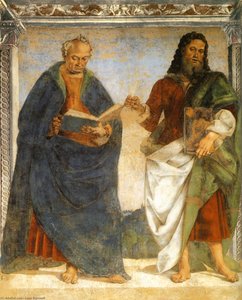
Four Demons with a Book

- 335.0 x 284.0 cm


 Ver más
Giclée / Impresión de arte
Impresiones giclée o en lienzo de calidad de museo con producción rápida y opciones de acabado flexibles. ( Comprar pintura hecha a mano Cambiar a imagen digital)




P118B €10

P118H €10

P118W €10

P438Z €10

P508JH €12

P508YH €12

P805H €10

P805Z €10

P919BZ €10

P919G €10

P919XJ €10

P959ZH €10

P968JZ €12

W106C €8

W218G €10

W218JH €8

W218Y €10

W307PJ €10

W316G €10

W316PJ €8

W316Y €10

W398PJ €8

W4111J €10

W500HY €15

W500JH €15

W692G €12

W849H €8

W940BG €15

W953PJ €8




Elija entre nuestros tamaños predefinidos que respetan las proporciones originales de la obra.

Introduzca el ancho y el alto que necesite para adaptarse a su marco o pared. Una impresión solo puede recortarse, nunca hacerse más grande que la imagen original, por lo que un tamaño con una forma distinta perderá parte de la obra. Le enviaremos una maqueta digital para su aprobación antes de realizar cualquier impresión. La imagen que se muestra en esta página no refleja el recorte real; solo la maqueta lo hace.
Envío a todo el mundo () en 2 semanas en lugar de las 4/5 semanas estándar. (6 noviembre)

Envío exprés gratuito a todo el mundo

Lienzo de lino de alta calidad

Seguro de envío total

Garantía de reembolso de aranceles aduaneros

Garantía de fidelidad cromática exacta

Política de devolución de 100 días (solo por defectos)

Garantía de devolución del 100% del dinero

Descuento por cantidad
 La opción de vidrio solo está disponible en tamaños inferiores a 110 cm.

Four Demons with a Book
Giclée / Impresión de arte
Dimensiones de la reproducción
-


Precio total final
€ 72
The Genesis of a Masterpiece: Luca Signorelli's Preparatory Drawing
Luca Signorelli’s “Four Demons with a Book,” a remarkably detailed preparatory study for the monumental fresco cycle adorning Orvieto Cathedral, offers a captivating glimpse into the mind of one of the High Renaissance’s most potent visual storytellers. More than just a sketch, it's a concentrated distillation of ideas, a vibrant testament to Signorelli’s meticulous draftsmanship and his profound understanding of human psychology – particularly as manifested through the unsettling interplay of demonic figures and forbidden knowledge. The drawing itself, rendered in charcoal or silverpoint on aged paper, possesses an immediate power, radiating a palpable sense of urgency and contained chaos.
The work’s genesis lies within the Cappella Nova, a space already steeped in religious narrative through earlier frescoes by Fra Angelico. Signorelli was tasked with expanding this existing framework, creating a dramatic visual representation of the Apocalypse – a subject demanding both grandeur and terrifying intimacy. This preparatory study isn't merely a preliminary sketch; it’s a crucial stage in the artist’s process, revealing his initial compositional choices, anatomical explorations, and the evolution of individual figures before they were unleashed upon the vast cathedral walls.
A Symphony of Line: Technique and Composition
Signorelli's mastery is immediately evident in the drawing’s intensely linear quality. Hatching and cross-hatching dominate, building up volume with a remarkable degree of precision and control. The figures aren’t simply outlined; they are sculpted through layers of carefully applied lines, conveying not just their physical form but also the texture of skin, clothing, and even the suggestion of demonic musculature. The limited palette – primarily shades of gray and white – amplifies this effect, creating a dramatic chiaroscuro that emphasizes the figures’ powerful presence against an implied darkness. The composition itself is deliberately claustrophobic, with the demons crowding together in a dynamic, almost violent arrangement. There's no background; the focus remains entirely on these unsettling characters and their interaction with the central object of contemplation – the book.
The drawing’s flattened perspective, characteristic of preparatory studies, lends it an immediacy and intimacy rarely found in finished works. It feels as though we are witnessing Signorelli wrestling with his ideas directly, capturing a fleeting moment of creative struggle. The subtle erasures and adjustments visible throughout the piece further underscore this sense of process, revealing the artist’s willingness to experiment and refine his vision.
Symbolism and Psychological Depth
The subject matter – four demonic figures clustered around a book – is laden with symbolic weight. Demons, traditionally representing temptation, sin, and the forces of evil, are inherently unsettling. Their muscular physiques and aggressive postures convey power and menace. The book, however, introduces an element of ambiguity. It’s not simply a symbol of knowledge; it suggests a dangerous, potentially corrupting influence – a forbidden text promising enlightenment but ultimately leading to damnation. The positioning of the demons, particularly one holding the book aloft with a look of intense concentration, hints at a struggle between intellect and faith, reason and revelation.
Signorelli’s genius lies in his ability to imbue these archetypal figures with psychological depth. The expressions on their faces – ranging from rage and suspicion to curiosity and perhaps even a hint of despair – suggest a complex internal landscape. The drawing isn't merely a depiction of demons; it’s an exploration of the human condition, confronting us with our own vulnerabilities and temptations.
A Legacy in Stone and Charcoal
“Four Demons with a Book” stands as a pivotal work in Signorelli’s oeuvre, foreshadowing the dramatic intensity and psychological complexity that would define his masterpiece at Orvieto. It's a testament to his extraordinary draftsmanship, his profound understanding of human anatomy, and his ability to translate complex theological ideas into visually arresting imagery. The drawing offers a rare opportunity to connect with the creative process of one of the Renaissance’s most influential artists, revealing the meticulous care and intellectual rigor that underpinned his monumental achievements. Reproductions of this captivating study offer a window into a world of dramatic tension, profound symbolism, and enduring artistic power.
Preguntas y respuestas
¿Cuál es el tono predominante de "Four Demons with a Book" de Luca Signorelli?
Un tono Green to Violet Spectrum recorre "Four Demons with a Book" de Luca Signorelli.
¿Cómo puedo descubrir obras de arte similares a "Four Demons with a Book" de Luca Signorelli?
La página de Obras similares de "Four Demons with a Book" de Luca Signorelli muestra obras relacionadas.
¿Cuáles son los derechos de reproducción de "Four Demons with a Book" en Biblioteca de Pierpont Morgan?
El estado de los derechos de autor de "Four Demons with a Book" de Luca Signorelli es claro: la obra es en el dominio público: sus derechos de autor han expirado. Su presencia en Biblioteca de Pierpont Morgan no cambia dicho estado.
Biografía del artista
Primeros años y formación
Luca Signorelli, pintor del Renacimiento italiano, nació en Cortona, Toscana, alrededor de 1450. La fecha exacta de su nacimiento es incierta, pero se estima que fue entre 1441 y 1445. Se le conocía por su excepcional habilidad como dibujante y su uso innovador del claroscuro y la perspectiva lineal. Sus primeras influencias artísticas parecen haber surgido en Perugia, donde fue influenciado por los estilos de artistas como Benedetto Bonfigli, Fiorenzo di Lorenzo y Pinturicchio. Giorgio Vasari, el famoso historiador del arte, menciona que Luca fue aprendiz de Piero della Francesca gracias a su tío materno, Lazzaro Vasari.Trayectoria artística
La obra de Signorelli se puede encontrar en varios lugares, incluyendo Arezzo (1472) y Città di Castello (1474). Una de sus obras notables es la pintura "Escuela de Pan", que fue presentada a Lorenzo de' Medici. Esta pintura presenta una representación realista de la forma humana, mostrando la maestría de Signorelli en el claroscuro y la perspectiva lineal. Su habilidad para representar figuras en movimiento y su dominio del dibujo anatómico lo distinguieron. Se le considera un precursor de artistas como Miguel Ángel, especialmente por sus representaciones de figuras desnudas.Obras destacadas
- El Juicio Final (1499-1503), Catedral de Orvieto: Considerada su obra maestra, este enorme fresco muestra la habilidad de Signorelli para representar el apocalipsis y el juicio final.
- Políptico de San Medardo (1507): Un ejemplo destacado de su trabajo, que presenta una representación altamente detallada y naturalista de la forma humana.
- Frescos en la Capilla Nuova, Catedral de Orvieto: Estos frescos representan eventos relacionados con el Apocalipsis y el Juicio Final, destacando por su composición innovadora y figuras expresivas.
Influencias y desarrollo artístico
Signorelli fue influenciado por varios artistas importantes del Renacimiento temprano, incluyendo a Piero della Francesca, Verrocchio y Antonio Pollaiuolo. Su estilo evolucionó desde una influencia inicial de la pintura gótica hacia un enfoque más naturalista y expresivo. Su habilidad para representar figuras en movimiento y su dominio del dibujo anatómico lo distinguieron de sus contemporáneos. El estudio de las formas humanas y el uso de la perspectiva lineal fueron elementos clave en su desarrollo artístico.Significado histórico y legado
Luca Signorelli tuvo un impacto significativo en el desarrollo del arte del Renacimiento. Su habilidad para representar figuras en movimiento, su dominio del dibujo anatómico y su innovador uso del claroscuro influyeron a muchos artistas que le siguieron. Su obra maestra, "El Juicio Final" en la Catedral de Orvieto, es considerada un hito en la historia del arte italiano y una fuente de inspiración para generaciones de artistas. Su legado perdura a través de sus obras, que se encuentran en museos y catedrales de toda Italia.
Luca Signorelli
1450 - 1523 , Italia
Datos clave
- Artistas Que Influyeron:
- Piero della Francesca
- Benedetto Bonfigli
- Fecha De Muerte: 1523
- Fecha De Nacimiento: c. 1450
- Influencia En Artistas: Miguel Ángel
- Lugar De Nacimiento: Cortona, Italia
- Movimiento Artístico: Renacimiento italiano
- Nacionalidad: Italiana
- Nombre Completo: Luca Signorelli
- Obras Notables:
- El Juicio Final
- Políptico de San Medardo
Artículos relacionados
The Nuances of Graphite: Exploring Emotional Depth & Technical Mastery in Pencil Drawing
Explore the captivating world of graphite drawing! Discover its rich history, master essential techniques like chiaroscuro, and learn how artists evoke emotion through this timeless medium. Expert insights for art enthusiasts.
The Power of Graphite: Mastering Depth, Texture, and Detail in the Art of Pencil Drawing
Explore the profound artistry of graphite drawing. Discover professional techniques for mastering depth, texture, and detail through a lens of art history, from classical sketches to modern masterpieces. Elevate your understanding of the pencil medium with our expert guide.
The Eloquent Line: Exploring the Artistic Significance of Sketches Across Movements and Media
Explore the profound artistic significance of sketches throughout history. From Renaissance masters to modern innovators like Van Gogh & Guston, discover how these foundational works reveal technique, emotion, and vision. Learn more at OriginalUniqueArt.

El Arte del Grafito: Guía Técnica para Dominar la Luz y el Detalle en tus Dibujos
Domina el dibujo con grafito mediante técnicas de luces y sombras profesionales. ¡Aprende a crear realismo académico ahora!
Raw Energy: Why Sketch Studies are the Ultimate Urban Vibe for Your Walls
Elevate your space with the raw energy of sketch studies. Discover how the unfiltered power of charcoal, line, and gesture creates the ultimate urban vibe for modern interiors. Expert trends in contemporary wall art curation for the design-conscious professional.