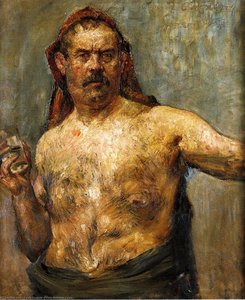
Vista previa
 Compartir
 Compartir
 Ver detalles
 Guía
Guía

 Descargar
 Ver artículos similares
 Radiografía
 Presentación de diapositivas
 Estadísticas
The Walchensee in Winter
 Acrílico sobre lienzo
- Arte de pared
- Expressionism
 1923
1923 70.0 x 90.0 cm
 Städel Museum
 Leer más
Giclée / Impresión de arte
Impresiones giclée o en lienzo de calidad de museo con producción rápida y opciones de acabado flexibles. ( Encargar reproducción pintada a mano Ver versión en imagen digital)




P118B €10

P118H €10

P118W €10

P438Z €10

P508JH €12

P508YH €12

P805H €10

P805Z €10

P919BZ €10

P919G €10

P919XJ €10

P959ZH €10

P968JZ €12

W106C €8

W218G €10

W218JH €8

W218Y €10

W307PJ €10

W316G €10

W316PJ €8

W316Y €10

W398PJ €8

W4111J €10

W500HY €15

W500JH €15

W692G €12

W849H €8

W940BG €15

W953PJ €8




Elija entre nuestros tamaños predefinidos que respetan las proporciones originales de la obra.

Introduzca el ancho y el alto que necesite para adaptarse a su marco o pared. Una impresión solo puede recortarse, nunca hacerse más grande que la imagen original, por lo que un tamaño con una forma distinta perderá parte de la obra. Le enviaremos una maqueta digital para su aprobación antes de realizar cualquier impresión. La imagen que se muestra en esta página no refleja el recorte real; solo la maqueta lo hace.
Envío a todo el mundo () en 2 semanas en lugar de las 4/5 semanas estándar. (24 octubre)

Envío exprés gratuito a todo el mundo

Lienzo de lino de alta calidad

Seguro de envío completo

Garantía de reembolso de impuestos aduaneros

Garantía de fidelidad cromática exacta

Política de devolución de 100 días (solo por defectos)

Garantía de devolución del 100% del dinero

Oferta por volumen
 La opción de vidrio solo está disponible en tamaños inferiores a 110 cm.

The Walchensee in Winter
Giclée / Impresión de arte
Tamaño de la reproducción
-


Precio total
€ 70
The Frozen Majesty of Walchensee: Lovis Corinth’s Winter Vision
Lovis Corinth's "The Walchensee in Winter," painted in 1923, isn’t merely a landscape; it’s a distilled essence of Bavarian soul – a poignant meditation on solitude, resilience, and the raw beauty of nature confronting its harshest season. This oil-on-canvas masterpiece, now housed at the National Gallery of Art in Washington D.C., transports us to a world sculpted by ice and shadow, where the stillness of the frozen lake mirrors the artist’s own introspective state following a debilitating stroke.
Corinth, a pivotal figure bridging Impressionism and Expressionism, was deeply influenced by his surroundings. Born in East Prussia, he spent much of his career in Munich and Berlin, absorbing the vibrant energy of urban life while simultaneously seeking refuge in the tranquil landscapes of Bavaria. The Walchensee region, with its dramatic mountains and crystalline waters, became a recurring subject – a source of both inspiration and solace. This particular winter scene captures not just the visual spectacle of a frozen lake but also the emotional weight of a landscape enduring a period of dormancy.
A Symphony of Color and Texture
The painting’s power lies in Corinth's masterful manipulation of color and texture. He eschews the bright, optimistic hues often associated with Impressionism, instead employing a muted palette dominated by deep blues, greys, and browns – mirroring the somber tones of a winter landscape. Yet, within this restrained range, he introduces flashes of vibrant turquoise and emerald green, hinting at the hidden life beneath the frozen surface. The brushstrokes are thick and expressive, creating a palpable sense of texture; you can almost feel the roughness of the bark on the birch trees, the slickness of the ice, and the subtle ripples in the water.
Corinth’s technique is particularly noteworthy for its layering. He builds up the image through multiple thin glazes, creating a luminous quality that seems to emanate from within the canvas. This layering also contributes to the painting's sense of depth – the distant mountains recede into a hazy blue, while the foreground trees appear remarkably close and tactile. The use of drypoint adds a subtle etching-like quality to the surface, enhancing the textural contrasts.
Symbolism in the Frozen Landscape
The scene is rich with symbolic resonance. The frozen lake itself represents not just winter’s dormancy but also a period of personal struggle for Corinth – a reflection of his physical limitations following his stroke. The solitary figures in the foreground, barely discernible amidst the trees, evoke a sense of human vulnerability and resilience against the elements. The presence of the canoes suggests a yearning for connection and movement within a static environment.
Furthermore, the stark beauty of the winter landscape can be interpreted as an allegory for life’s challenges – periods of hardship and uncertainty that ultimately lead to growth and renewal. The mountains in the background, shrouded in mist, symbolize enduring strength and stability, while the frozen lake represents the need for acceptance and adaptation.
A Legacy of Emotional Intensity
"The Walchensee in Winter" is more than just a beautiful painting; it’s a profound expression of human emotion. Corinth's ability to capture the essence of a landscape – its beauty, its solitude, and its inherent drama – is truly remarkable. The painting’s enduring appeal lies in its capacity to evoke a sense of quiet contemplation and emotional resonance. It invites us to pause, reflect, and appreciate the power of nature to both challenge and inspire us. Reproductions of this work offer a window into Corinth's deeply personal vision, allowing viewers to experience the same sense of awe and introspection that he felt when capturing this frozen moment in time.
Preguntas y respuestas
¿Cuál es la luminosidad percibida de "The Walchensee in Winter" de Lovis Corinth?
En términos generales, "The Walchensee in Winter" se registra con una luminosidad de brillante. La luminosidad percibida describe qué tan clara u oscura parece la obra.
¿Quién es el artista detrás de "The Walchensee in Winter"?
"The Walchensee in Winter" fue creada por Lovis Corinth. La información en esta página describe la obra original de Lovis Corinth.
¿Qué atmósfera transmite "The Walchensee in Winter"?
El ambiente general de "The Walchensee in Winter" de Lovis Corinth es Calma. Esta atmósfera describe la esencia general de la obra.
Biografía del artista
Primeros años y educación
Lovis Corinth, nacido Franz Heinrich Louis el 21 de julio de 1858 en Tapiau, Prusia, fue un artista y escritor alemán cuya obra madura como pintor y grabador realizó una síntesis del impresionismo y el expresionismo. La vida temprana de Corinth se caracterizó por su talento para dibujar, lo que le llevó a estudiar pintura en la Academia de Königsberg en 1876.Desarrollo artístico
El desarrollo artístico de Corinth fue influenciado por varias figuras clave y movimientos:- El trabajo temprano de Lovis Corinth era naturalista en su enfoque, alentado por su instructor Otto Günther.
- Estudió bajo Ludwig von Löfftz en la Academia de Bellas Artes de Múnich, que enfatizaba la cuidadosa observación de los colores y los valores.
- Corinth también fue influenciado por Courbet y la Escuela Barbizon, así como por las obras de Rubens durante su tiempo en Amberes.
Obras notables y estilo
Algunas de las obras notables de Corinth incluyen:- En el Matadero (78 x 89 cm, Staatsgalerie Stuttgart, Alemania), que muestra su uso del óleo sobre lienzo.
- Autorretrato (47 x 53 cm, Kunsthalle Bremen, Alemania), demostrando su habilidad en el dibujo.
- Semi desnudo femenino con sombrero (283 x 383 cm, Kunstpalast, Düsseldorf, Alemania), destacando su uso del lápiz.
Legado y vida posterior
La vida posterior de Corinth se marcó por su presidencia de la Secesión de Berlín desde 1915 hasta 1925. También publicó numerosos ensayos sobre historia del arte, incluido "Das Erlenen der Malerei" ("Sobre aprender a pintar") en 1908. Corinth falleció el 17 de julio de 1925, después de un derrame cerebral en 1911 que lo había paralizado parcialmente. Enlaces clave:
Lovis Corinth
1858 - 1925 , Países Bajos
Datos clave
- Artistas Que Influyeron:
- Courbet
- Rubens
- Löfftz
- Fecha De Fallecimiento: 17 de julio de 1925
- Fecha De Nacimiento: 21 de julio de 1858
- Influenciado A Artistas:
- Kirchner
- Beckmann
- Baselitz
- Lugar De Nacimiento: Tauwade, Países Bajos
- Movimiento Artístico: Impresionismo y Expresionismo
- Nacionalidad: Alemán
- Nombre Completo: Lovis Corinth (Franz Heinrich Louis)
- Obras Notables:
- En el Matadero
- Autorretrato
- Mujer semi-nuda con sombrero
Artículos relacionados

Lovis Corinth: Bridging Impressionism & Expressionism – A Study of Artistic Evolution
Explore the fascinating artistic journey of Lovis Corinth, a pivotal figure bridging Impressionism & Expressionism. Discover his evolution, key works, and lasting impact on modern art with OriginalUniqueArt.

Evocations of Place: A Historical Journey Through Landscape Art
Explore the rich history of landscape art with OriginalUniqueArt. Discover renowned artists, movements like Impressionism & tonalism, and expert guidance for collecting timeless pieces. Find your perfect serene escape today!

Evocations of Place: A Historical Journey Through Landscape Art
Explore the rich history of landscape art with OriginalUniqueArt. Discover renowned artists, movements like Impressionism & Romanticism, and expert guidance for collecting timeless pieces. Find your perfect serene escape today!

John Constable: Las 25 Obras Maestras del Paisaje Inglés | OriginalUniqueArt
Descubre las 25 obras maestras de John Constable, el pintor romántico inglés que capturó la belleza del paisaje. Explora su técnica, historia y significado en OriginalUniqueArt.com. Reproducciones de arte de alta calidad para tu hogar.

Paisajes Románticos: 10 Obras Maestras que Definieron un Movimiento Artístico
Descubre los 10 paisajes románticos más influyentes de artistas como Caspar David Friedrich y Turner. Explora la belleza, el simbolismo y las técnicas del movimiento romántico. Reproducciones de arte exclusivas en OriginalUniqueArt.com.