Vista previa
 Compartir
 Compartir
 Ver detalles
 Guía
Guía

 Descargar
 Ver artículos similares
 Radiografía
 Presentación de diapositivas
 Estadísticas
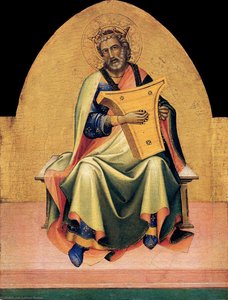
Natividad
 Témpera sobre tabla
- Arte de pared
- Renacimiento temprano
 1390
1390- Renacimiento
 26.0 x 61.0 cm
 Staatliche Museen zu Berlin
 Leer más
Giclée / Impresión de arte
Impresiones giclée o en lienzo de calidad de museo con producción rápida y opciones de acabado flexibles. ( Encargar reproducción pintada a mano Ver versión en imagen digital)




P118B €10

P118H €10

P118W €10

P438Z €10

P508JH €12

P508YH €12

P805H €10

P805Z €10

P919BZ €10

P919G €10

P919XJ €10

P959ZH €10

P968JZ €12

W106C €8

W218G €10

W218JH €8

W218Y €10

W307PJ €10

W316G €10

W316PJ €8

W316Y €10

W398PJ €8

W4111J €10

W500HY €15

W500JH €15

W692G €12

W849H €8

W940BG €15

W953PJ €8




Elija entre nuestros tamaños predefinidos que respetan las proporciones originales de la obra.

Introduzca el ancho y el alto que necesite para adaptarse a su marco o pared. Una impresión solo puede recortarse, nunca hacerse más grande que la imagen original, por lo que un tamaño con una forma distinta perderá parte de la obra. Le enviaremos una maqueta digital para su aprobación antes de realizar cualquier impresión. La imagen que se muestra en esta página no refleja el recorte real; solo la maqueta lo hace.
Envío a todo el mundo () en 2 semanas en lugar de las 4/5 semanas estándar. (25 octubre)

Envío exprés gratuito a todo el mundo

Lienzo de lino de alta calidad

Seguro de envío completo

Garantía de reembolso de impuestos aduaneros

Garantía de fidelidad cromática exacta

Política de devolución de 100 días (solo por defectos)

Garantía de devolución del 100% del dinero

Oferta por volumen
 La opción de vidrio solo está disponible en tamaños inferiores a 110 cm.

Natividad
Giclée / Impresión de arte
Tamaño de la reproducción
-


Precio total
€ 70
A Vision of Sacred Wonder: Lorenzo Monaco’s Nativity
In the quiet transition between the medieval world and the dawn of the Renaissance, few artists captured the intersection of divine mystery and human tenderness as poignantly as Lorenzo Monaco. His Nativity, a masterpiece conceived around 1390, serves as a luminous window into the soul of early Florentine devotion. As a monk of the Camaldolese order, Monaco did not merely paint a scene; he channeled a spiritual vision intended to anchor the faithful in the profound reality of Christ's birth. The artwork presents a sacred tableau where the ruggedness of the earth meets the ethereal light of heaven, inviting the viewer into a moment of eternal stillness.
The composition is a masterclass in balanced storytelling, utilizing a pyramidal structure that guides the eye with rhythmic grace toward the central figures of Mary and the infant Jesus. Set against a backdrop of rocky, Tuscan-inspired landscapes, the scene feels both grounded in the natural world and elevated by spiritual significance. The artist employs a sophisticated use of chiaroscuro, where dramatic contrasts between light and shadow breathe life into the folds of drapery and the weathered textures of the landscape. This interplay of light does more than define form; it creates an atmosphere of solemnity and awe, highlighting the miraculous nature of the event unfolding within the humble manger.
The Alchemy of Tempera and Symbolism
To behold this work is to witness the delicate alchemy of the tempera technique. Monaco utilized thin, meticulous layers of pigment mixed with egg yolk, a process that allows light to penetrate the surface and reflect back from within the wood panel. This creates a characteristic luminosity, making the warm earth tones—ochres, deep browns, and burnished golds—glow with an inner warmth. The subtle infusion of blue in Mary’s robes provides a celestial counterpoint to the terrestrial palette, symbolizing her purity and her unique role as the vessel of the divine. Every brushstroke is a testament to the patience of the monastic tradition, where art was an extension of prayer.
Beyond its technical brilliance, the painting is rich with symbolic resonance that speaks to the heart of any collector or admirer of sacred art. The presence of the animals, such as the donkey, serves as a quiet reminder of humility and the innocence of creation, while the geometric precision of the landscape reflects the burgeoning humanist interest in order and natural observation. For the interior designer or art enthusiast, this piece offers more than mere decoration; it provides a focal point of profound emotional depth. It evokes a sense of peace, reverence, and timelessness, making it an exquisite addition to spaces designed for contemplation, reflection, and the celebration of classical beauty.
Preguntas y respuestas
¿De qué manera "Natividad" de Lorenzo Monaco vincula el Renacimiento temprano con el país de origen del artista?
La obra de Renacimiento temprano "Natividad" fue realizada por un artista nacido en Italia.
¿Cómo se combinan el medio y el movimiento en "Natividad"?
"Natividad" está realizada en Témpera sobre tabla, con el estilo Renacimiento temprano.
¿Qué ubicación se adapta mejor al formato de "Natividad" de Lorenzo Monaco?
Con su formato Panorámico, se sugiere una reproducción de "Natividad" para un Salón principal.
Biografía del artista
Primeros Años y Formación
- Nacido: Siena, Italia (c. 1370)
- Fallecido: c. 1425
- Se sabe poco sobre la vida temprana de Lorenzo Monaco excepto que fue aprendiz en Florencia.
- Fue influenciado por las obras de Giotto y sus seguidores, Spinello Aretino y Agnolo Gaddi. Esta exposición moldeó su desarrollo artístico.
Carrera Artística y Estilo
- En 1390, Lorenzo se unió al monasterio camaldulense de Santa Maria degli Angeli, convirtiéndose en conocido como "Lawrence el Monje".
- Sus primeras obras (década de 1390) muestran una fuerte influencia del estilo gótico internacional, junto con influencias de Lorenzo Ghiberti y Gherardo Starnina.
- El estilo de Monaco se caracteriza por:
- Linealismo tenso
- Una gama cromática fría inicialmente
- Posteriormente, una adopción de elementos góticos internacionales
- Figuras alargadas con drapería sinuosa
- Bordes nítidos y colores brillantes (oro y lapislázuli)
- Gestos insinuados y un sentido del espacio minimizado
- Constantemente representaba imágenes con un fuerte valor espiritual, a menudo distanciado del realismo.
Obras Principales
- Pietà: Alojada en la Galleria dell'Accademia, Florencia – Demuestra línea nerviosa y tensión emocional.
- Coronación de la Virgen: Ahora en el Uffizi – Presenta un gran número de santos con formas sinuosas y colores brillantes.
- Políptico de Monteoliveto: En la Galleria dell'Accademia – Exhibe una espiritualidad que presagia a Fra Angelico.
- Adoración de los Magos (1420-1422): Los acortamientos parecen surrealistas debido a la ausencia de perspectiva geométrica, pero mantiene una alta calidad pictórica.
- Historias de la Virgen en la Capilla Bartolini Salimbeni: Uno de sus pocos frescos.
Influencias y Legado
- La obra de Monaco fue influenciada por Giotto, Spinello Aretino, Agnolo Gaddi, Lorenzo Ghiberti y Gherardo Starnina.
- Permaneció en gran medida imperturbable por las innovaciones de Masaccio y Filippo Brunelleschi, manteniendo su estilo distintivo.
- Giorgio Vasari incluyó una biografía de Monaco en sus "Vidas", señalando su muerte por una infección no identificada.
- A pesar de la información biográfica limitada, las contribuciones de Lorenzo Monaco al arte gótico tardío-renacentista temprano son significativas. Su mezcla única de estilos y enfoque espiritual dejaron un impacto duradero en artistas posteriores.
Significado Histórico
- Considerado el último exponente importante del estilo Giotto antes de la revolución renacentista.
- Puenteó la brecha entre las tradiciones góticas tardías y los principios artísticos emergentes del Renacimiento.
- Su énfasis en la espiritualidad y las formas estilizadas representan una estética distinta dentro de la pintura florentina.

Lorenzo Monaco
1370 - 1425 , Italia
Datos clave
- Artistas Influenciados Por Este Artista: ['Masaccio']
- Artistas Que Influyeron:
- Giotto
- Spinello Aretino
- Agnolo Gaddi
- Fecha De Muerte: c. 1425
- Fecha De Nacimiento: c. 1370
- Lugar De Nacimiento: Siena, Italia
- Movimiento Artístico: Gótico tardío-Renacimiento temprano
- Nacionalidad: Italiana
- Nombre Completo: Lorenzo Monaco
- Obras Notables:
- Pietà
- Coronación de la Virgen
- Adoración de los Magos
Artículos relacionados
Mastering the Surface: A Historical and Technical Guide to the Art of Oil on Panel Painting
Explore the profound history and technical brilliance of oil on panel painting. From Renaissance masters to modern techniques, discover why this rigid support offers unparalleled precision and permanence for fine art lovers and collectors.

The Enduring Legacy of Oil on Canvas: Technique, History & Aesthetic Impact
Explore the rich history & techniques of oil painting – from Renaissance masters to Impressionism. Discover pigments, layering methods, and why this timeless medium endures. Expert insights for artists & art enthusiasts.

Oil on Board: A Historical Survey of Technique, Aesthetic Qualities & Enduring Appeal
Explore the rich history of oil on board painting! Discover techniques, aesthetic qualities & enduring appeal from early masters to modern practice. Expert insights for collectors and art enthusiasts.

El Óleo sobre Lienzo: Historia, Técnica y la Persistencia de un Medio Artístico Atemporal
Descubre la historia y técnica del óleo sobre lienzo. Explora reproducciones fieles hechas a mano, personalización artística y consejos de expertos con OriginalUniqueArt. ¡Colecciona arte con confianza!

The Enduring Power of Painting: A Historical & Contemporary Exploration of Form and Emotion
Explore the rich history & enduring techniques of oil painting with OriginalUniqueArt. Discover masterpieces, learn about art collecting, and find authentic handmade reproductions crafted by skilled artists.