Vista previa
 Compartir
 Compartir
 Ver detalles
 Guía
Guía

 Descargar
 Ver artículos similares
 Radiografía
 Presentación de diapositivas
 Estadísticas
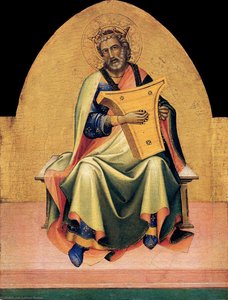
Abraham
 Acrylic On Canvas
- WallArt
 1408
1408 66.0 x 43.0 cm
 Museo Metropolitano de Arte
 Leer más
Giclée / Impresión de arte
Impresiones giclée o en lienzo de calidad de museo con producción rápida y opciones de acabado flexibles. ( Encargar reproducción pintada a mano Ver versión en imagen digital)




P118B €10

P118H €10

P118W €10

P438Z €10

P508JH €12

P508YH €12

P805H €10

P805Z €10

P919BZ €10

P919G €10

P919XJ €10

P959ZH €10

P968JZ €12

W106C €8

W218G €10

W218JH €8

W218Y €10

W307PJ €10

W316G €10

W316PJ €8

W316Y €10

W398PJ €8

W4111J €10

W500HY €15

W500JH €15

W692G €12

W849H €8

W940BG €15

W953PJ €8




Elija entre nuestros tamaños predefinidos que respetan las proporciones originales de la obra.

Introduzca el ancho y el alto que necesite para adaptarse a su marco o pared. Una impresión solo puede recortarse, nunca hacerse más grande que la imagen original, por lo que un tamaño con una forma distinta perderá parte de la obra. Le enviaremos una maqueta digital para su aprobación antes de realizar cualquier impresión. La imagen que se muestra en esta página no refleja el recorte real; solo la maqueta lo hace.
Envío a todo el mundo () en 2 semanas en lugar de las 4/5 semanas estándar. (22 octubre)

Envío exprés gratuito a todo el mundo

Lienzo de lino de alta calidad

Seguro de envío completo

Garantía de reembolso de impuestos aduaneros

Garantía de fidelidad cromática exacta

Política de devolución de 100 días (solo por defectos)

Garantía de devolución del 100% del dinero

Oferta por volumen
 La opción de vidrio solo está disponible en tamaños inferiores a 110 cm.

Abraham
Giclée / Impresión de arte
Tamaño de la reproducción
-


Precio total
€ 70
A Glimpse into Faith: Abraham by Lorenzo Monaco
Lorenzo Monaco’s “Abraham,” painted around 1408-10 in Florence, isn't merely a depiction of a biblical scene; it’s a profound meditation on faith, sacrifice, and the enduring promise of divine grace. This remarkable panel painting, now residing within the walls of The Metropolitan Museum of Art, offers a rare window into the artistic sensibilities of a pivotal figure bridging the late Gothic and burgeoning Renaissance periods. Monaco, known as “Lawrence the Monk” for his dedication to the Camaldolese order, imbued his work with an introspective quality rarely seen in contemporary Florentine painting, marking him as a distinct voice amidst the stylistic shifts of the time.
The composition is strikingly intimate, centering on Abraham seated upon a simple stone bench – a deliberate choice that elevates the scene beyond mere narrative illustration. He’s not presented as a heroic patriarch, but rather as a man wrestling with an agonizing decision. His posture, slightly hunched and contemplative, conveys a deep sense of sorrow mingled with resolute acceptance. Beside him kneels Isaac, his son, embodying innocence and vulnerability – a poignant counterpoint to the weighty burden borne by his father. The figures are rendered in a style characteristic of Monaco’s mature work: elongated forms, subtly defined features, and a restrained palette dominated by earthy tones—ochre, umber, and muted blues—all contributing to an atmosphere of solemn dignity.
The Symbolism of Sacrifice
At the heart of “Abraham” lies the powerful symbolism of sacrifice. The scene depicts Abraham preparing to offer Isaac as a burnt offering – a prefiguration of Christ’s crucifixion, a motif that would become increasingly prominent in Renaissance art. However, Monaco doesn't portray this act with overt drama or violence. Instead, he focuses on the emotional weight of the moment, capturing the quiet desperation and profound love between father and son. The knife resting at Abraham’s feet isn’t emphasized; it serves as a stark reminder of the impending tragedy without dominating the composition. The inclusion of the ram caught in the thicket – a last-minute substitution offered by God – subtly underscores the theme of divine intervention and the possibility of redemption.
Beyond the immediate narrative, the painting’s symbolism extends to the architectural setting. The simple stone bench suggests humility and earthly grounding, while the distant landscape hints at a connection to the divine realm. The careful arrangement of attributes – David holding his psaltery (a symbol of kingship and prophecy), Moses clutching the tablets of the Ten Commandments, Noah with his ark—further enriches the painting’s layered meaning, positioning Abraham within a lineage of faith and obedience.
Monaco's Artistic Legacy
Lorenzo Monaco’s artistic journey is particularly fascinating because he represents a transitional figure. Trained in the traditions of Giotto and his followers, he skillfully adapted these influences to develop a distinctly personal style. His work reflects the growing emphasis on psychological realism and emotional depth that would characterize the Renaissance, yet retains a lingering connection to the spiritual intensity of the late Gothic period. His dedication to monastic life profoundly shaped his artistic vision, imbuing his paintings with an introspective quality and a focus on themes of faith, piety, and human suffering.
The “Abraham” panel exemplifies Monaco’s mastery of tempera paint—a medium known for its luminous colors and rich textures. The gold ground, typical of devotional works of the time, adds to the painting's spiritual aura, while the meticulous detail in rendering fabrics and facial expressions reveals his exceptional technical skill. It is a testament to Monaco’s ability to synthesize artistic innovation with profound spiritual conviction, solidifying his place as one of Florence’s most important artists of the 15th century.
A Reproduction for Reflection
Today, reproductions of “Abraham” continue to resonate with viewers, offering an opportunity to contemplate timeless themes of faith, sacrifice, and the enduring power of love. Whether displayed in a private residence or a public gallery, this painting serves as a reminder of humanity’s capacity for both profound suffering and unwavering devotion. Consider commissioning a high-quality reproduction from 1st Art Gallery – a faithful recreation that captures the essence of Monaco's masterpiece, allowing you to bring its contemplative beauty into your own space.
Preguntas y respuestas
¿Puedo usar la realidad aumentada para ver "Abraham" de Lorenzo Monaco en mi habitación?
"Abraham" tiene una vista previa en realidad aumentada: la página de Vista previa AR de la obra permite visualizarla en su propio espacio mediante un dispositivo compatible.
¿Qué representa "Abraham" de Lorenzo Monaco?
Los temas presentes en "Abraham" de Lorenzo Monaco incluyen abraham, prophets, sacrifice, faith, family, old testament, religion, medieval. En conjunto, resumen la temática de la obra.
¿Cómo se realizó "Abraham" y cuáles son sus dimensiones?
La técnica de "Abraham" de Lorenzo Monaco es Acrylic On Canvas y sus dimensiones registradas son 66 x 43 cm.
Biografía del artista
Primeros Años y Formación
- Nacido: Siena, Italia (c. 1370)
- Fallecido: c. 1425
- Se sabe poco sobre la vida temprana de Lorenzo Monaco excepto que fue aprendiz en Florencia.
- Fue influenciado por las obras de Giotto y sus seguidores, Spinello Aretino y Agnolo Gaddi. Esta exposición moldeó su desarrollo artístico.
Carrera Artística y Estilo
- En 1390, Lorenzo se unió al monasterio camaldulense de Santa Maria degli Angeli, convirtiéndose en conocido como "Lawrence el Monje".
- Sus primeras obras (década de 1390) muestran una fuerte influencia del estilo gótico internacional, junto con influencias de Lorenzo Ghiberti y Gherardo Starnina.
- El estilo de Monaco se caracteriza por:
- Linealismo tenso
- Una gama cromática fría inicialmente
- Posteriormente, una adopción de elementos góticos internacionales
- Figuras alargadas con drapería sinuosa
- Bordes nítidos y colores brillantes (oro y lapislázuli)
- Gestos insinuados y un sentido del espacio minimizado
- Constantemente representaba imágenes con un fuerte valor espiritual, a menudo distanciado del realismo.
Obras Principales
- Pietà: Alojada en la Galleria dell'Accademia, Florencia – Demuestra línea nerviosa y tensión emocional.
- Coronación de la Virgen: Ahora en el Uffizi – Presenta un gran número de santos con formas sinuosas y colores brillantes.
- Políptico de Monteoliveto: En la Galleria dell'Accademia – Exhibe una espiritualidad que presagia a Fra Angelico.
- Adoración de los Magos (1420-1422): Los acortamientos parecen surrealistas debido a la ausencia de perspectiva geométrica, pero mantiene una alta calidad pictórica.
- Historias de la Virgen en la Capilla Bartolini Salimbeni: Uno de sus pocos frescos.
Influencias y Legado
- La obra de Monaco fue influenciada por Giotto, Spinello Aretino, Agnolo Gaddi, Lorenzo Ghiberti y Gherardo Starnina.
- Permaneció en gran medida imperturbable por las innovaciones de Masaccio y Filippo Brunelleschi, manteniendo su estilo distintivo.
- Giorgio Vasari incluyó una biografía de Monaco en sus "Vidas", señalando su muerte por una infección no identificada.
- A pesar de la información biográfica limitada, las contribuciones de Lorenzo Monaco al arte gótico tardío-renacentista temprano son significativas. Su mezcla única de estilos y enfoque espiritual dejaron un impacto duradero en artistas posteriores.
Significado Histórico
- Considerado el último exponente importante del estilo Giotto antes de la revolución renacentista.
- Puenteó la brecha entre las tradiciones góticas tardías y los principios artísticos emergentes del Renacimiento.
- Su énfasis en la espiritualidad y las formas estilizadas representan una estética distinta dentro de la pintura florentina.

Lorenzo Monaco
1370 - 1425 , Italia
Datos clave
- Artistas Influenciados Por Este Artista: ['Masaccio']
- Artistas Que Influyeron:
- Giotto
- Spinello Aretino
- Agnolo Gaddi
- Fecha De Muerte: c. 1425
- Fecha De Nacimiento: c. 1370
- Lugar De Nacimiento: Siena, Italia
- Movimiento Artístico: Gótico tardío-Renacimiento temprano
- Nacionalidad: Italiana
- Nombre Completo: Lorenzo Monaco
- Obras Notables:
- Pietà
- Coronación de la Virgen
- Adoración de los Magos
Artículos relacionados

Gothic Vibes: From Dark Shadows to Bold Modern Edge | The Ultimate Trend Forecast
Explore the evolution of Gothic vibes, from historical shadows to bold modern edge. Discover how dark aesthetics, noir interiors, and contemporary subcultures are redefining modern design through a high-impact, trend-focused lens.
Shadows & Splendor: A Journey Through the Soul of Gothic Art and Architectural Grandeur
Embark on a profound journey through the spiritual intensity of Gothic art. Explore the architectural marvels, luminous stained glass, and sacred sculptures that define this era of grandeur and human devotion.
Late Gothic Art: The Divine Transition from Medieval Symbolism to Renaissance Naturalism
Explore the profound transition of Late Gothic art from medieval symbolism to Renaissance naturalism. Discover the elegance of International Gothic, the legacy of Master Theodoric, and the evolution of European courtly masterpieces through an expert art-historical lens.
Gothic Art Guide for Hotel Designers: Leveraging Dramatic Shadows and Architectural Grandeur in Luxury Interiors
Elevate hospitality interiors with our expert guide to Gothic art. Discover how to leverage dramatic shadows, architectural grandeur, and high-end reproductions to create sophisticated, atmospheric hotel spaces that captivate guests.

International Gothic Style: The Elegant Dawn of European Art History and the Transition to Renaissance Naturalism
Explore the elegance of International Gothic art. Discover how masters like Simone Martini bridged medieval symbolism and Renaissance naturalism through courtly grace, luminous gold, and intricate detail in this expert guide to European art history.