Compartir
 Compartir
 Ver detalles
 Guía
Guía

 Descargar
 Ver artículos similares
 Presentación de diapositivas
 Estadísticas
St Stephen


 Leer más
Giclée / Impresión de arte
Impresiones giclée o en lienzo de calidad de museo con producción rápida y opciones de acabado flexibles. ( Encargar reproducción pintada a mano Ver versión en imagen digital)




































Elija entre nuestros tamaños predefinidos que respetan las proporciones originales de la obra.

Introduzca el ancho y el alto que necesite para adaptarse a su marco o pared. Una impresión solo puede recortarse, nunca hacerse más grande que la imagen original, por lo que un tamaño con una forma distinta perderá parte de la obra. Le enviaremos una maqueta digital para su aprobación antes de realizar cualquier impresión. La imagen que se muestra en esta página no refleja el recorte real; solo la maqueta lo hace.
Envío a todo el mundo () en 2 semanas en lugar de las 4/5 semanas estándar. (23 octubre)

Envío exprés gratuito a todo el mundo

Lienzo de lino de alta calidad

Seguro de envío completo

Garantía de reembolso de impuestos aduaneros

Garantía de fidelidad cromática exacta

Política de devolución de 100 días (solo por defectos)

Garantía de devolución del 100% del dinero

Oferta por volumen
 La opción de vidrio solo está disponible en tamaños inferiores a 110 cm.

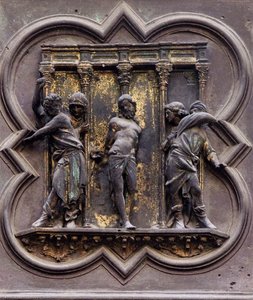
St Stephen
Giclée / Impresión de arte
Tamaño de la reproducción
-


Precio total
€ 70
A Bronze Testament: Lorenzo Ghiberti’s St Stephen
Lorenzo di Bartolo Ghiberti's bronze sculpture of Saint Stephen, crafted in 1428, stands as a poignant testament to the burgeoning artistic spirit of Renaissance Florence. More than simply a depiction of a biblical figure, this work embodies the era’s fascination with humanism, technical mastery, and the profound symbolism woven into every facet of religious art. The statue, currently residing within the Museo di Orsanmichele in Florence, offers a captivating glimpse into the mind of a master sculptor who would later create the legendary “Gates of Paradise” for the Baptistery.
Ghiberti’s skill is immediately apparent in the remarkably lifelike portrayal of Saint Stephen. The figure, rendered in meticulously cast bronze, possesses an arresting sense of stillness and contemplative grace. He stands in a three-quarter pose, his gaze directed upwards with an expression that suggests both serenity and a hint of sorrow – perhaps reflecting on his martyrdom. Note the subtle curve of his spine, the delicate drape of his garment, and the carefully modeled folds that imbue the fabric with a tangible weight and texture. The artist’s attention to anatomical detail is exceptional, demonstrating a deep understanding of human form gleaned from both classical studies and direct observation.
The Renaissance Embrace: Style and Technique
This sculpture firmly places itself within the High Renaissance style, a period characterized by a renewed interest in classical antiquity and a commitment to realism. Ghiberti’s technique showcases his mastery of bronze casting – a process that demanded immense skill and precision. The smooth, polished surface of the bronze reflects light beautifully, creating an almost luminous quality. The use of *contrapposto*, where the figure's weight is shifted onto one leg, adds to the sense of naturalism and dynamism, preventing the statue from appearing static. Ghiberti’s innovative approach to depicting drapery—avoiding overly complex folds—allowed him to focus on conveying the essence of the figure rather than getting bogged down in minute details.
Furthermore, Ghiberti's work reflects a shift towards greater emotional depth and psychological complexity within religious sculpture. Unlike earlier depictions that often prioritized idealized beauty, this Saint Stephen conveys a sense of vulnerability and inner turmoil—a characteristic that would become increasingly prevalent throughout the Renaissance. The closed eyes, coupled with his raised hand, suggest a moment of prayer or reflection, inviting viewers to contemplate the saint’s sacrifice.
A Symbol of Sacrifice and Martyrdom
Saint Stephen is, of course, intrinsically linked to the story of his martyrdom – he was stoned to death for refusing to worship false idols. This narrative underscores the sculpture's central theme: unwavering faith in the face of adversity. The act of sacrifice itself becomes a powerful symbol of devotion and resistance against injustice. The statue’s posture—a quiet acceptance of fate—mirrors the saint’s dignified demeanor during his final moments.
Beyond its religious significance, Saint Stephen also represents the broader humanist ideals of the Renaissance. The emphasis on human form, emotion, and individual experience aligns with the era's growing interest in celebrating human potential and achievement. Ghiberti’s sculpture, therefore, transcends a simple depiction of a biblical figure; it embodies the spirit of a transformative period in Western art history.
Collecting the Legacy: Reproductions and Inspiration
While the original bronze remains a treasured artifact within Florence's artistic heritage, high-quality reproductions offer an accessible way to experience Ghiberti’s genius. Reproductions capture the essence of the sculpture’s form, texture, and emotional impact with remarkable fidelity. These are ideal additions for collectors seeking to bring Renaissance artistry into their homes or offices, providing a touch of timeless elegance and intellectual depth.
Consider how Saint Stephen's serene countenance and contemplative pose can contribute to a space that fosters reflection and tranquility. The sculpture’s inherent symbolism—sacrifice, faith, and resilience—makes it a powerful statement piece, capable of sparking conversation and inspiring contemplation. Whether you are an art enthusiast, a collector, or simply seeking a beautiful and meaningful addition to your surroundings, Ghiberti's St Stephen offers a profound connection to the artistic legacy of Renaissance Florence.
Preguntas y respuestas
¿Se encuentra "St Stephen" de Lorenzo Ghiberti en el país de origen del artista?
Sí, la obra se encuentra en el país de origen del artista. "St Stephen" se encuentra en Italia, mientras que Lorenzo Ghiberti nació en Italia.
¿Los colores de "St Stephen" de Lorenzo Ghiberti son intensos o tenues?
El color de "St Stephen" presenta una saturación de Muted y una intensidad de Monochromatic.
¿Dónde puedo encontrar estadísticas sobre "St Stephen" de Lorenzo Ghiberti?
Existe una página de Estadísticas para "St Stephen". En ella se registran las visitas mensuales de la obra y de otras obras del artista, con desgloses por país e idioma.
Biografía del artista
Lorenzo Ghiberti: Vida y Legado
Primeros Años y Formación
- Nacido en 1378 en Pelago, cerca de Florencia, Italia, Lorenzo di Bartolo – más tarde conocido como Lorenzo Ghiberti – comenzó su viaje artístico bajo la tutela de su padrastro, Bartolo di Michele, un orfebre.
- Recibió formación formal en pintura de Gherardo Starnina, ampliando sus habilidades más allá del trabajo con metales.
- El brote de la peste en 1400 lo llevó a Rimini, donde trabajó para Carlo I Malatesta, ayudando con frescos y desarrollando aún más su sensibilidad artística.
La Concurso de las Puertas del Baptisterio y Primer Éxito
- En 1401, Ghiberti regresó a Florencia y participó en un famoso concurso para diseñar las puertas de bronce para el Baptisterio de Florencia.
- Triunfó sobre competidores como Filippo Brunelleschi con su panel que representa el *Sacrificio de Isaac*, mostrando una habilidad e innovación notables.
- Esta victoria lanzó su carrera y le aseguró la comisión para las Puertas del Norte del Baptisterio.
Las Puertas del Norte y del Sur
- Ghiberti pasó más de dos décadas creando las Puertas del Norte (completadas en 1424), que presentan escenas de la vida de Juan el Bautista.
- Su taller se convirtió en un centro para el talento artístico, nutriendo a futuros maestros como Donatello, Masolino y Paolo Uccello.
- Después del éxito de las Puertas del Norte, Ghiberti fue comisionado para crear un segundo conjunto – las Puertas del Este (completadas en 1452).
Las “Puertas del Paraíso”
- Las Puertas del Este, famosamente llamadas las “*Puertas del Paraíso*” por Miguel Ángel, representan la obra maestra de Ghiberti.
- Estas puertas representan escenas del Antiguo Testamento con un realismo, perspectiva y detalle artístico sin precedentes.
- Cada panel es un testimonio de su maestría en el fundido de bronce y la escultura relief.
Estilo Artístico e Influencias
- El estilo de Ghiberti fusionó la elegancia gótica con los principios emergentes del humanismo renacentista.
- Se inspiró en la antigüedad clásica, incorporando elementos del arte y la escultura romanos en su trabajo.
- Su meticuloso cuidado por el detalle, las representaciones naturalistas y el uso innovador de la perspectiva lo distinguieron de sus contemporáneos.
Commentarii y Legado
- Ghiberti escribió *Commentarii*, un tratado valioso sobre historia del arte, teoría y técnica – considerado uno de los primeros autobiografías de un artista.
- Murió en Florencia en 1455, dejando atrás un legado duradero como uno de los escultores más importantes del Renacimiento Temprano.
- Su obra influyó profundamente a las generaciones posteriores de artistas, dando forma al curso de la historia del arte occidental.
Significado Histórico
- Las contribuciones de Ghiberti fueron fundamentales para establecer Florencia como un centro artístico líder durante el Renacimiento.
- Las “Puertas del Paraíso” se convirtieron en un símbolo del orgullo cívico y el logro artístico florentino.
- Sus técnicas innovadoras y temas humanistas ayudaron a definir los ideales estéticos de la época, allanando el camino para futuros maestros como Leonardo da Vinci y Miguel Ángel.
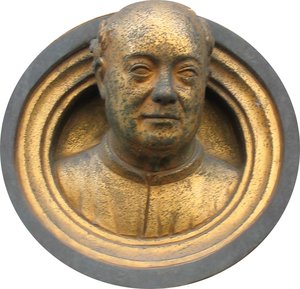
Lorenzo Ghiberti
1378 - 1455 , Italia
Datos clave
- Artistic Movement Or Style: Early Renaissance
- Artists Or Movements Influenced By This Artist:
- Donatello
- Masolino
- Paolo Uccello
- Artists Who Influenced This Artist:
- Gherardo Starnina
- Bartolo di Michele
- Date Of Birth: c. 1378
- Full Name: Lorenzo di Bartolo Ghiberti
- Nationality: Italian
- Notable Artworks:
- Puerta del Paraíso
- Sacrificio de Isaac
- Descubrimiento de la copa dorada
- Place Of Birth: Florence, Italia
Artículos relacionados

Las 10 Obras Maestras de Bronce que Revolucionaron la Historia del Arte | OriginalUniqueArt
Descubre las 10 esculturas de bronce más influyentes de la historia del arte. Explora obras maestras de Rodin, Degas y otros genios. Encuentra reproducciones de arte de calidad museo en OriginalUniqueArt.com.

The Enduring Legacy of Bronze: A Historical & Artistic Exploration for the Collector
Explore the rich history & enduring appeal of bronze sculpture with expert insights for collectors at OriginalUniqueArt. Learn about casting techniques, iconic artists, collecting tips & contemporary interpretations.
The Enduring Legacy of Bronze: History, Technique & Artistic Expression for the Collector
Explore the rich history & enduring appeal of bronze sculpture with expert insights for collectors at OriginalUniqueArt. Learn about casting techniques, iconic artists, and collecting tips.

Esculturas de Bronce Legendarias: 10 Obras Maestras que Transformaron el Arte | OriginalUniqueArt
Descubre las 10 esculturas de bronce más legendarias que revolucionaron el arte. Explora la historia de Rodin, Degas y otros maestros del bronce. Encuentra reproducciones de alta calidad e inspiración para tu hogar en OriginalUniqueArt.com.

The Enduring Legacy of Bronze Sculpture: A Collector's Guide to Form & Cultural Significance
Explore the rich history & enduring appeal of bronze sculpture with expert insights for collectors at OriginalUniqueArt. Learn about casting techniques, iconic artists, and collecting tips to build a discerning art collection.