Cambiar a impresiones
 Ver más







































 Para obras de arte o reproducciones que midan más de 105 cm (aproximadamente 41 pulgadas) en cualquiera de sus lados, el marco se enviará como un kit desmontado. Este método garantiza una entrega segura y evita daños durante el transporte.


A Glimpse of Parisian Life: Lesser Ury’s “The Pont Royal”
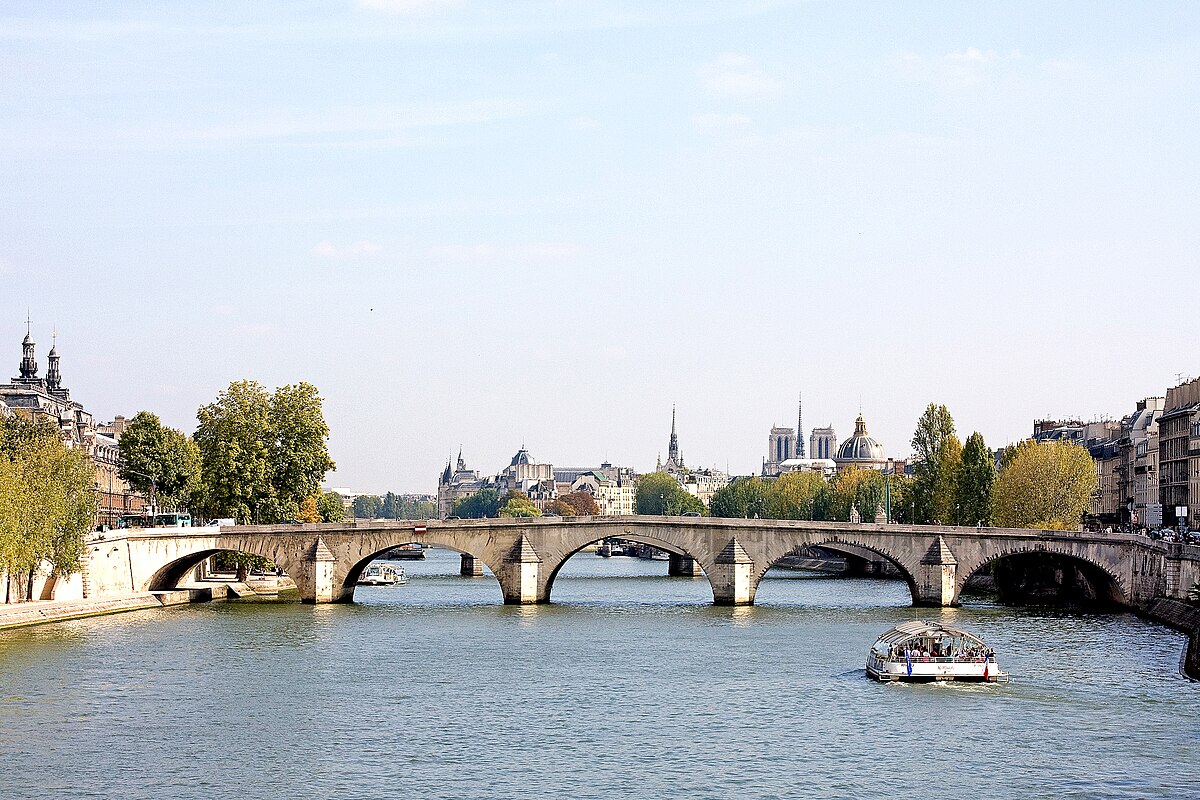
Lesser Ury's "The Pont Royal in Paris," painted in 1928, isn’t merely a depiction of a bridge; it’s a carefully constructed tableau of urban life, imbued with the melancholic beauty characteristic of his Impressionistic style. Born in Birnbaum, Poland, and deeply influenced by the Düsseldorf school, Ury possessed an extraordinary ability to capture fleeting moments – the shimmer of light on water, the muted tones of twilight, and the subtle shifts in mood within a bustling cityscape. This particular work transports us to a winter evening along the Seine, offering a poignant observation of Paris’s vibrant energy juxtaposed with a sense of quiet contemplation.
Impressionistic Techniques and a Masterful Palette
Ury’s technique is distinctly Impressionistic, prioritizing the subjective experience of light and color over precise representation. He employs loose brushstrokes, layering hues to create an atmospheric effect—a deliberate blurring of edges that evokes the ephemeral quality of the scene. Notice how he uses broken color – small dabs of complementary shades – to suggest reflected light on the water’s surface and the wet cobblestones of the street. The muted palette, dominated by blues, greys, and browns, contributes significantly to the painting's mood, conveying a sense of cool stillness amidst the activity below. The artist skillfully utilizes *plein air* techniques, working directly from observation, which is evident in the subtle variations of tone and color that capture the nuances of the Parisian winter.
A Bridge Between Worlds: Symbolism and Context
The Pont Royal itself holds a rich historical significance. Constructed in 1685, it has witnessed centuries of Parisian life – from royal processions to revolutionary fervor. Ury’s painting isn't simply a record of the bridge; it’s an exploration of its role as a connector—a physical and metaphorical link between the Right Bank and the Left, between past and present. The figures strolling along the sidewalk, the vehicles traversing the bridge, all contribute to this sense of movement and connection. The painting subtly reflects the changing social landscape of Paris during the interwar period, capturing a moment of relative calm before the storm of World War II.
Capturing Emotion: A Moment of Reflection
Beyond its technical mastery, “The Pont Royal in Paris” resonates with an underlying sense of melancholy and introspection. The subdued lighting, the blurred figures, and the quiet stillness of the scene evoke a feeling of detachment—a recognition of the transient nature of life and beauty. Ury’s ability to distill such complex emotions into a single image is a testament to his artistic vision. It's a painting that invites viewers to pause, observe, and contemplate the subtle poetry of everyday moments. Reproductions of this piece offer a beautiful way to bring a touch of Parisian charm and contemplative mood into any space.
Preguntas y respuestas
¿Está "The Pont Royal in Paris" disponible como una impresión de bellas artes?
Para obtener una impresión de "The Pont Royal in Paris" de Lesser Ury, simplemente pídala en su página de Impresión de arte de bellas artes: una impresión de bellas artes sobre lienzo de algodón o papel de lienzo de archivo.
¿Puedo usar la realidad aumentada para ver "The Pont Royal in Paris" de Lesser Ury en mi habitación?
Puedes visualizar "The Pont Royal in Paris" de Lesser Ury en tu propia pared con la página de Vista previa en RA de la obra, utilizando realidad aumentada en un dispositivo compatible.
¿A qué etapa de la trayectoria de Lesser Ury pertenece "The Pont Royal in Paris"?
Dentro de la trayectoria de Lesser Ury, "The Pont Royal in Paris" pertenece al Late Period. Esta etapa permite compararla con otras obras del artista.
 Ver en contexto
 Enviar
 Compartir
 Detalles
 Guía
Guía

 Descargar
 Similares
 Radiografía
 Presentación de diapositivas
 Preguntas y respuestas
 Estadísticas