Ver en contexto
 Enviar
 Compartir
 Detalles
 Guía
Guía

 Descargar
 Similares
 Radiografía
 Presentación de diapositivas
 Q&A
Q&A Estadísticas
La Madonna de la Carnación
 Óleo
Óleo- Arte de pared
- The Madonna of the Carnation exemplifies the Renai
 1478
1478- Renacimiento
 62.0 x 47.0 cm
 Pinacoteca Antigua de Múnich
 Ver más
Giclée / Impresión de arte
Impresiones giclée o en lienzo de calidad de museo con producción rápida y opciones de acabado flexibles. ( Comprar pintura hecha a mano Cambiar a imagen digital)




P118B €10

P118H €10

P118W €10

P438Z €10

P508JH €12

P508YH €12

P805H €10

P805Z €10

P919BZ €10

P919G €10

P919XJ €10

P959ZH €10

P968JZ €12

W106C €8

W218G €10

W218JH €8

W218Y €10

W307PJ €10

W316G €10

W316PJ €8

W316Y €10

W398PJ €8

W4111J €10

W500HY €15

W500JH €15

W692G €12

W849H €8

W940BG €15

W953PJ €8




Elija entre nuestros tamaños predefinidos que respetan las proporciones originales de la obra.

Introduzca el ancho y el alto que necesite para adaptarse a su marco o pared. Una impresión solo puede recortarse, nunca hacerse más grande que la imagen original, por lo que un tamaño con una forma distinta perderá parte de la obra. Le enviaremos una maqueta digital para su aprobación antes de realizar cualquier impresión. La imagen que se muestra en esta página no refleja el recorte real; solo la maqueta lo hace.
Envío a todo el mundo () en 2 semanas en lugar de las 4/5 semanas estándar. (30 octubre)

Envío exprés gratuito a todo el mundo

Lienzo de lino de alta calidad

Seguro de envío total

Garantía de reembolso de aranceles aduaneros

Garantía de fidelidad cromática exacta

Política de devolución de 100 días (solo por defectos)

Garantía de devolución del 100% del dinero

Descuento por cantidad
 La opción de vidrio solo está disponible en tamaños inferiores a 110 cm.

La Madonna de la Carnación
Giclée / Impresión de arte
Dimensiones de la reproducción
-


Precio total final
€ 71
The Madonna of the Carnation by LEONARDO da Vinci
Leonardo da Vinci's Madonna of the Carnation, a masterpiece permanently residing in the Alte Pinakothek in Munich, is far more than a simple depiction of the Virgin Mary and Child. It’s a profound meditation on light, shadow, emotion, and the very essence of Renaissance humanism—a work that continues to captivate viewers centuries after its creation around 1478-1480.
Initially attributed to Leonardo's apprentice, Andrea del Verrocchio, art historical scrutiny has firmly established this painting as a pivotal early work by the master himself. The genesis of this attribution lies in the remarkable sophistication evident within the composition: the masterful manipulation of light and shadow, the delicate rendering of fabrics and textures, and most notably, the profound psychological depth conveyed through the faces of Mary and Jesus. Leonardo’s signature style—a subtle sfumato technique that blurs lines and creates an ethereal quality—is immediately apparent, particularly in the luminous glow surrounding the figures and the soft, almost dreamlike atmosphere of the scene.
A Symphony of Light and Shadow
The painting’s central motif is undeniably Mary, seated gracefully with her infant son. She’s not presented as a static figure but rather as a woman imbued with quiet dignity and maternal tenderness. Her gaze, directed downwards, subtly communicates a sense of introspection—a poignant contrast to the upward glance of the child, who appears to be seeking connection with his mother. This deliberate asymmetry in their eye contact is a key element of the painting’s emotional complexity.
Leonardo’s genius shines through in his treatment of the carnation held delicately in Mary’s left hand. The flower, rendered in exquisite detail—its velvety petals and subtle shadows—is more than just an ornamental addition; it carries potent symbolic weight. Red flowers, particularly carnations, have long been associated with the Passion of Christ, representing both sacrifice and remembrance. The way the flower is partially obscured by shadow further emphasizes this connection, suggesting a veiled reference to the suffering endured by Jesus.
Setting and Composition: A Window into Renaissance Space
The setting of the portrait—a room bathed in light emanating from two windows on either side—is meticulously rendered. This architectural detail isn’t merely decorative; it serves to create a sense of depth, volume, and spatial realism that was revolutionary for its time. The composition itself is carefully balanced, drawing the viewer's eye towards the central figures while subtly incorporating elements of Leonardo’s earlier work, such as the Annunciation. The echoes of this earlier piece—the similar treatment of hair, drapery, and floral arrangements—demonstrate Leonardo’s evolving style and his willingness to build upon established artistic traditions.
Leonardo da Vinci: A Polymathic Vision
To fully appreciate the Madonna of the Carnation, it’s essential to remember Leonardo da Vinci's extraordinary breadth as a polymath. He was not simply a painter but also an engineer, scientist, anatomist, and inventor—a true Renaissance man whose insatiable curiosity fueled his artistic endeavors. His deep understanding of human anatomy, for example, is evident in the remarkably lifelike depiction of Mary’s face and hands.
At OriginalUniqueArt, we are proud to offer meticulously crafted oil painting reproductions of this iconic artwork. Our skilled artists painstakingly recreate every detail—from the subtle nuances of light and shadow to the delicate texture of the fabrics—ensuring that you can experience the beauty and emotional power of Leonardo’s masterpiece in your own home. Explore our reproduction today.
Experience the Legacy
The Madonna of the Carnation stands as a testament to Leonardo da Vinci’s unparalleled artistic genius and his profound understanding of human emotion and spirituality. It's a painting that invites contemplation, prompting viewers to consider not only its aesthetic beauty but also the complex symbolism embedded within its composition. Learn more about this fascinating artwork on Wikipedia. Consider exploring other Renaissance masterpieces at OriginalUniqueArt, including Orazio Pigato’s ‘Vase of Flowers’, a beautiful example of the era's floral still life tradition.
Photo Description: The image is a painting of a woman holding a baby in her arms. The woman appears to be the Virgin Mary, as she is depicted with a halo above her head. She is wearing a blue dress and has a crown on her head. The baby being held by the woman is also wearing a crown. The painting features several windows in the background, which add depth and light to the scene. There are two people visible in the image, one of them being the Virgin Mary holding the baby. The other person appears to be a child standing next to the woman.
Size: 62 x 47 cm
Date: 1478
Preguntas y respuestas
¿Existe una ficha informativa sobre "La Madonna de la Carnación" de Leonardo da Vinci para estudiantes?
La guía de "La Madonna de la Carnación" es la página Ficha informativa de la obra: una ficha imprimible que presenta la pieza con su pie de foto, línea de crédito y tabla de datos (artista, fechas, técnica, tamaño original, colección).
¿Qué representa "La Madonna de la Carnación"?
"La Madonna de la Carnación" de Leonardo da Vinci representa: virgin mary, child jesus, carnation, light shadow, renaissance art, leonardo da vinci, religious painting, florence.
¿Es "La Madonna de la Carnación" representativo de la temática habitual de Leonardo da Vinci?
Entre los temas recurrentes de Leonardo da Vinci —humanist vision, classical tradition, religious symbolism, psychological depth, leonardo’s signature style, early renaissance masterpiece, iconic representation of virgin mary— "La Madonna de la Carnación" aporta su propio enfoque sobre virgin mary, child jesus, carnation, light shadow, renaissance art, leonardo da vinci, religious painting, florence.
Biografía del artista
Leonardo da Vinci: Vida y Legado
Primeros Años y Aprendizaje (1452-1482)
Leonardo di ser Piero da Vinci (15 de abril de 1452 – 2 de mayo de 1519) nació fuera del matrimonio cerca de Vinci, en la República de Florencia. Su educación temprana incluyó lectura, escritura y aritmética, aunque las instrucciones formales en latín llegaron más tarde. A los catorce años, comenzó un aprendizaje con Andrea del Verrocchio, un destacado artista florentino. Esta formación inmersiva le expuso a la pintura, la escultura y las artes mecánicas, sentando las bases para su genio multifacético.
Primer Periodo Milanés (1482-1499)
En 1482, Leonardo entró al servicio de Ludovico Sforza, Duque de Milán. Él no era solo un artista; funcionó como ingeniero, arquitecto y escultor para la corte. Este período vio que diseñara fortificaciones militares, elaborados decorados escénicos y esculturas (muchas inconclusas). Una comisión monumental durante este tiempo fue La Última Cena, un fresco pintado en el refectorio del monasterio de Santa María delle Grazie – una obra que influiría profundamente en el arte occidental.
Regreso a Florencia y Maestros de la Alta Renacimiento (1500-1506)
Tras la invasión francesa de Milán en 1499, Leonardo regresó a Florencia durante un período álgido del desarrollo artístico. Si bien produjo menos obras que antes, su impacto fue inmenso. Esta época vio el comienzo del trabajo en Mona Lisa (La Gioconda), probablemente la pintura más famosa del mundo, y la refinación de sus técnicas.
Años Tardíos y Patronazgo Francés (1506-1519)
Los años tardíos de Leonardo estuvieron marcados por viajes entre Florencia, Milán y Roma, buscado por su experiencia pero a menudo dejando proyectos inconclusos. En 1516, aceptó la invitación del Rey Francisco I para vivir y trabajar en el Château du Clos Lucé cerca de Amboise en Francia. Murió allí en 1519, dejando atrás un vasto legado de exploración artística y científica.
Influencias y Desarrollo Artístico
- Las primeras influencias incluyeron a su maestro Verrocchio y la tradición artística florentina más amplia.
- Un profundo interés en la observación lo llevó a estudiar meticulosamente el mundo natural.
- Se alejó de la iconografía religiosa tradicional, favoreciendo representaciones realistas de las emociones humanas y la anatomía.
- Su desarrollo de sfumato – una técnica que utiliza sutiles gradaciones de luz y sombra para crear contornos borrosos y perspectiva atmosférica – revolucionó la pintura y contribuyó significativamente a su estilo distintivo.
Logros Principales
- Pintura: Mona Lisa, La Última Cena, Virgen de las Rocas, Anunciación
- Dibujo y Bocetos: Amplios estudios anatómicos, diseños de ingeniería (máquinas voladoras, armas), ilustraciones botánicas.
- Ciencia e Ingeniería: Trabajo pionero en anatomía, óptica, hidráulica, geología y cartografía. Conceptualizó invenciones siglos por delante de su tiempo.
Significado Histórico
El impacto de Leonardo da Vinci en la historia del arte es inmensurable. Sus pinturas son celebradas por su realismo, profundidad psicológica y técnicas innovadoras. Elevaron el estatus de los artistas de hábiles artesanos a figuras intelectuales. Más allá de sus logros artísticos, sus investigaciones científicas e invenciones prefiguraron muchos descubrimientos modernos. Sigue siendo un símbolo de la curiosidad humana, la creatividad y la búsqueda del conocimiento – una verdadera encarnación del espíritu renacentista. Su legado continúa inspirando asombro y fascinación siglos después de su muerte, consolidando su lugar como una de las figuras más notables de la historia.
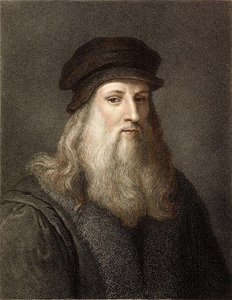
Leonardo da Vinci
1452 - 1519 , Italia
Datos clave
- Artistas Que Influyeron: ['Andrea del Verrocchio']
- Fecha De Muerte: 2 de mayo de 1519
- Fecha De Nacimiento: 15 de abril de 1452
- Lugar De Nacimiento: Vicenza, Italia
- Movimiento Artístico: Alto Renacimiento
- Nacionalidad: Italiano
- Nombre Completo: Leonardo da Vinci
- Obras Notables:
- Mona Lisa (La Gioconda)
- La Última Cena
- Virgen de las Rocas
- Anunciación
Artículos relacionados
Leonardo da Vinci: Síntesis del Arte, la Ciencia y la Observación Humana en el Renacimiento – Una Reinterpretación para el Coleccionista
Descubra la síntesis del arte y la ciencia en Leonardo da Vinci. Análisis profundo de sus obras maestras, técnicas innovadoras y legado para coleccionistas exigentes. Una reinterpretación experta.

Las 25 obras maestras imprescindibles del Museo del Louvre en París
Explora las 25 joyas del Louvre, de Da Vinci a Delacroix. ¡Descubre estas obras maestras en OriginalUniqueArt.com!

Obras Maestras de Leonardo da Vinci: Las 25 Joyas del Genio Renacentista
Explora las 25 obras maestras de Leonardo da Vinci y su genio renacentista. ¡Descubre toda la colección en OriginalUniqueArt.com!
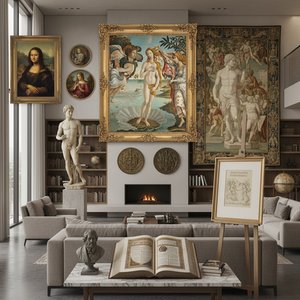
Renacimiento Humanista: 10 Obras Maestras que Cambiaron la Historia del Arte | OriginalUniqueArt
Descubre 10 obras maestras del Renacimiento Humanista: Leonardo, Miguel Ángel y Rafael. Explora la historia, técnica y belleza de estos iconos del arte italiano. Reproducciones de alta calidad en OriginalUniqueArt.com. ¡Encuentra tu obra perfecta!

Las 25 obras maestras imprescindibles de la Galería Uffizi en Florencia
Explora 25 joyas del Renacimiento en la Galería Uffizi, de Botticelli a Da Vinci. ¡Descubre estas obras maestras en OriginalUniqueArt.com!