Ver en contexto
 Enviar
 Compartir
 Detalles
 Guía
Guía

 Descargar
 Similares
 Radiografía
 Presentación de diapositivas
 Q&A
Q&A Estadísticas
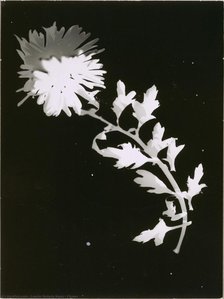
Paul Hartland Carnival. Composition with two masks .


 Ver más
Giclée / Impresión de arte
Impresiones giclée o en lienzo de calidad de museo con producción rápida y opciones de acabado flexibles. ( Comprar pintura hecha a mano Cambiar a imagen digital)




P118B €10

P118H €10

P118W €10

P438Z €10

P508JH €12

P508YH €12

P805H €10

P805Z €10

P919BZ €10

P919G €10

P919XJ €10

P959ZH €10

P968JZ €12

W106C €8

W218G €10

W218JH €8

W218Y €10

W307PJ €10

W316G €10

W316PJ €8

W316Y €10

W398PJ €8

W4111J €10

W500HY €15

W500JH €15

W692G €12

W849H €8

W940BG €15

W953PJ €8




Elija entre nuestros tamaños predefinidos que respetan las proporciones originales de la obra.

Introduzca el ancho y el alto que necesite para adaptarse a su marco o pared. Una impresión solo puede recortarse, nunca hacerse más grande que la imagen original, por lo que un tamaño con una forma distinta perderá parte de la obra. Le enviaremos una maqueta digital para su aprobación antes de realizar cualquier impresión. La imagen que se muestra en esta página no refleja el recorte real; solo la maqueta lo hace.
Envío a todo el mundo () en 2 semanas en lugar de las 4/5 semanas estándar. (30 octubre)

Envío exprés gratuito a todo el mundo

Lienzo de lino de alta calidad

Seguro de envío total

Garantía de reembolso de aranceles aduaneros

Garantía de fidelidad cromática exacta

Política de devolución de 100 días (solo por defectos)

Garantía de devolución del 100% del dinero

Descuento por cantidad
 La opción de vidrio solo está disponible en tamaños inferiores a 110 cm.

Paul Hartland Carnival. Composition with two masks .
Giclée / Impresión de arte
Dimensiones de la reproducción
-


Precio total final
€ 71
The Dreamlike World of László Moholy-Nagy: Unveiling “Paul Hartland Carnival”
László Moholy-Nagy’s “Paul Hartland Carnival. Composition with two masks.”, created in 1934, isn't merely a painting; it’s an immersive journey into the subconscious, a vibrant collision of memory and illusion rendered in bold colors and fragmented forms. This artwork, now available as a high-quality reproduction through OriginalUniqueArt.com, stands as a testament to Moholy-Nagy’s pioneering spirit – his relentless experimentation with photography, collage, and the very nature of perception. It's a piece that immediately demands attention, pulling the viewer into its dreamlike atmosphere and prompting questions about identity, representation, and the power of visual language.
At first glance, the composition appears chaotic—two figures, their faces obscured by layers of textured material, dominate the central space. However, a closer look reveals a carefully orchestrated balance. Sharp angular lines intersect with softer curves, creating a dynamic tension that mirrors the complexities of human experience. The use of reflective surfaces – cellophane, perhaps, or other translucent materials – adds an ethereal quality, blurring the boundaries between reality and illusion. Fragments of what seem to be photographs, printed matter, and even architectural elements are interwoven, suggesting a world constructed from disparate memories and experiences.
A Pioneer of “New Vision”: Moholy-Nagy’s Artistic Philosophy
To fully appreciate “Paul Hartland Carnival,” it's crucial to understand the context of Moholy-Nagy’s artistic philosophy, which he termed "New Vision." Rejecting traditional notions of representation, he believed that photography could reveal hidden aspects of reality – a world beyond what the eye perceives. This concept profoundly influenced his work, leading him to experiment with photograms (images created by placing objects directly on light-sensitive paper) and other techniques designed to manipulate perception. He sought to capture not just appearances but also the *feeling* of a subject, translating it into visual form.
The artwork’s vibrant color palette – dominated by reds, yellows, and blues – further reinforces this sense of heightened emotion and subjective experience. These aren't naturalistic colors; they are deliberately chosen to evoke specific moods and sensations. The use of contrasting hues creates a dynamic visual rhythm, drawing the eye across the composition and adding to its overall intensity.
Historical Context: Dadaism, Constructivism, and the Dawn of Modernity
“Paul Hartland Carnival” was created during a period of profound social and artistic upheaval. The early 1930s witnessed the rise of Dadaism in Europe, a movement that challenged traditional notions of art and embraced absurdity and anti-establishment sentiment. Simultaneously, Constructivism – a Russian avant-garde movement focused on geometric abstraction and industrial materials – was gaining momentum. Moholy-Nagy’s work reflects these influences, blending elements of both styles while forging his own unique visual language.
His time at the Bauhaus school in Weimar further shaped his artistic approach, emphasizing design principles and exploring new technologies. The artwork's fragmented composition and use of unconventional materials can be seen as a direct response to the rapidly changing world around him – a world grappling with industrialization, urbanization, and the anxieties of modernity. It’s a visual echo of the era’s dynamism and uncertainty.
Symbolism and Emotional Resonance: A Portrait of the Psyche
While the specific meaning of “Paul Hartland Carnival” remains open to interpretation, it's clear that the two masked figures represent something deeper than mere portraits. They could symbolize duality, hidden identities, or perhaps the fragmented nature of selfhood. The masks themselves suggest a deliberate concealment, inviting us to question what lies beneath the surface.
Ultimately, this artwork is an invitation to engage with our own subconscious – to explore the layers of memory, emotion, and experience that shape our perceptions. It’s a powerful reminder of the transformative potential of art, capable of transporting us beyond the realm of the literal and into the depths of the human psyche. A reproduction of “Paul Hartland Carnival” offers a captivating glimpse into Moholy-Nagy's visionary world, bringing this extraordinary piece to your home or office.
Preguntas y respuestas
¿En qué año se creó "Paul Hartland Carnival. Composition with two masks ." de László Moholy-Nagy?
"Paul Hartland Carnival. Composition with two masks ." data de 1934. Esta fecha sitúa la obra dentro de la trayectoria de László Moholy-Nagy y de su época.
¿Qué nivel de luminancia tiene "Paul Hartland Carnival. Composition with two masks ." de László Moholy-Nagy?
"Paul Hartland Carnival. Composition with two masks ." de László Moholy-Nagy tiene una luminancia de Bright Balance. La luminancia describe cuánta luz parecen reflejar los colores.
¿Qué tamaño se recomienda para "Paul Hartland Carnival. Composition with two masks ." en un Living Room?
Para un Living Room, se recomienda imprimir "Paul Hartland Carnival. Composition with two masks ." en un tamaño de Large.
Biografía del artista
László Moholy-Nagy: Pionero del Arte Moderno y el Bauhaus
- Nacido: Bacs-Kajala, Hungría (1895)
- Fallecido: 1946
László Moholy-Nagy fue un influyente pintor, fotógrafo, escultor y diseñador húngaro. Es conocido por sus significativas contribuciones a la escuela Bauhaus y su trabajo pionero en Constructivismo, tipografía, fotografía y arte cinético. Su filosofía artística se centró en integrar la tecnología y la industria en las artes, abogando por una nueva visión de la creatividad que abrazara el mundo moderno.
Primeros Años e Influencias
- Primeros años y familia: Nacido László Weisz en Bacsborsód, Hungría, en una familia judía, más tarde adoptó el apellido Moholy-Nagy. Su primo fue el renombrado director de orquesta Sir Georg Solti.
- Educación y servicio militar: Inicialmente estudió derecho en Budapest antes de servir en la Primera Guerra Mundial, sufriendo una lesión grave. Este período lo expuso a movimientos de vanguardia a través de revistas como "Jelenkor" y el círculo “activista” alrededor de la revista "Ma" de Lajos Kassák.
- Formación artística temprana: Tras su servicio militar, estudió con el artista fauvista húngaro Róbert Berény, demostrando un interés temprano en las tendencias artísticas modernas. Brevemente apoyó la República Soviética Húngara.
- Influencias clave: Moholy-Nagy estuvo fuertemente influenciado por el Constructivismo y el Suprematismo, movimientos que enfatizaban la abstracción geométrica y los materiales industriales. Estas influencias son evidentes en sus obras posteriores.
Los Años Bauhaus y "Nueva Visión"
- Ingreso al Bauhaus: En 1923, Moholy-Nagy se unió a la escuela Bauhaus en Weimar, Alemania, inicialmente co-enseñando el curso preliminar con Josef Albers y eventualmente reemplazando a Johannes Itten como jefe del taller de metal.
- Cambio de dirección del Bauhaus: Su llegada marcó un cambio alejándose del Expresionismo hacia un enfoque más constructivista y orientado al diseño, alineándose con los objetivos originales de la escuela.
- "Nueva Visión" (Neues Sehen): Moholy-Nagy es más famoso por acuñar el término "Nueva Visión", que defendía la capacidad de la cámara para revelar aspectos de la realidad invisibles al ojo humano. Este concepto sustentó su experimentación fotográfica y artística.
- Fotogramas: Pionero en la técnica del fotograma – creando imágenes colocando objetos directamente sobre papel fotosensible, sin una cámara – demostrando enfoques innovadores a la fotografía.
- Experimentación con materiales y tecnología: Moholy-Nagy abrazó materiales industriales como metal, plexiglás e iluminación eléctrica en sus esculturas y diseños, reflejando su creencia en la integración del arte y la tecnología.
Logros e Innovaciones Principales
- "Lichtrequisit einer elektrischen bühne" (Modulador de luz-espacio): Completada en 1930, esta escultura cinética utilizaba piezas móviles y luz proyectada para crear patrones dinámicos en las superficies circundantes, considerada una precursora tanto del arte cinético como del arte lumínico.
- Fotografía y cine: Su trabajo fotográfico exploró la abstracción, la textura y el movimiento, a menudo utilizando técnicas no convencionales como el fotomontaje y la iluminación experimental. También se aventuró en el cine.
- Legado docente: Como educador en el Bauhaus y más tarde en el New Bauhaus en Chicago (que fundó), Moholy-Nagy influyó profundamente en generaciones de artistas y diseñadores.
- Diseño escénico y publicidad: Más allá de su práctica artística, diseñó escenarios para producciones teatrales y creó campañas publicitarias, demostrando una versatilidad que reflejaba su filosofía de diseño.
Significado Histórico
- Pionero del arte moderno: László Moholy-Nagy se erige como una figura clave en el arte moderno del siglo XX, uniendo la brecha entre pintura, escultura, fotografía y diseño industrial.
- Influencia en el diseño Bauhaus: Sus contribuciones a la escuela Bauhaus fueron fundamentales para dar forma a su plan de estudios y estética, dejando un impacto duradero en la educación en diseño en todo el mundo.
- Defensor de la integración tecnológica: El énfasis de Moholy-Nagy en integrar la tecnología en el arte anticipó muchos desarrollos en las prácticas artísticas contemporáneas.
- Legado de "Nueva Visión": Su concepto de “Nueva Visión” continúa inspirando a artistas y fotógrafos a explorar las posibilidades de la percepción y la representación a través de técnicas innovadoras.

László Moholy-Nagy
1895 - 1946 , Hungría
Datos clave
- Artistas Influenciados:
- Marianne Brandt
- György Kepes
- Andor Weininger
- Artistas Que Influyeron: ['Robert Berény']
- Fecha De Fallecimiento: 24 de noviembre de 1946
- Fecha De Nacimiento: 20 de julio de 1895
- Lugar De Nacimiento: Bacs-Kajala, Hungría
- Movimiento Artístico: Constructivismo, Bauhaus
- Nacionalidad: Húngaro
- Nombre Completo: László Moholy-Nagy
- Obras Notables:
- Pequeña Composición
- Flor
- Psicosis Masiva
- Sin título
- La Tormenta
- Fotograma
Artículos relacionados
Pop Surrealismo: Una Colisión de Cultura, Sueños y el Subconsciente en el Arte de la Posguerra
Descubre el fascinante mundo del Pop Surrealismo. Explora sus orígenes, artistas clave como Mark Ryden y su impacto en el arte contemporáneo. Guía experta para coleccionistas.
Unveiling the Mystery: A Journey Through the World's Most Iconic Mask Artworks
Embark on a profound journey through the world's most iconic mask artworks. Explore the spiritual depth, intricate craftsmanship, and rich cultural heritage of global traditions, from Chhau to Gomira, in this expert-led exploration of ancestral artistry and symbolic beauty.
Pop Surrealism Unveiled: The Sophisticated Intersection of Vibrant Pop Art and Dreamlike Subconscious Landscapes
Explore the captivating world of Pop Surrealism. Discover how vibrant Pop Art meets dreamlike subconscious imagery through the works of masters like Jeff Soto and Ryan Heshka. An expert guide for discerning collectors seeking to understand this profound contemporary art movement.
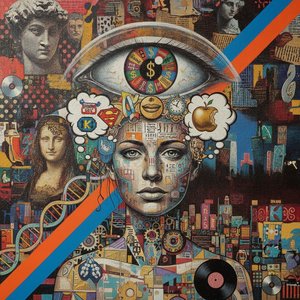
More Than Meets the Eye: Decoding the Hidden Symbols and Bold Layers of Allegorical Pop Art
Unlock the secrets of Pop Art. From Warhol's influence to aggressive modern aesthetics, we decode the bold layers and hidden symbols in contemporary icons. Elevate your urban space with high-impact, hand-painted reproductions and custom commissions designed for the bold.

Pop Surrealism: A Sophisticated Convergence of Cultural Icons and Dreamlike Landscapes
Embark on a curated journey through Pop Surrealism, where vibrant cultural icons collide with the profound depths of the subconscious. An authoritative exploration for discerning collectors seeking to masterfully integrate dreamlike landscapes and bold aesthetics into modern interiors.