

 Ver en contexto
 Enviar
 Compartir
 Detalles

 Descargar
 Similares
 Radiografía
 Presentación de diapositivas
The Mill. October. Ligachevo
 Oil
Oil- WallArt
- Post-Impressionism
 1913
1913- Modern
 60.0 x 81.0 cm
 Ver más
Giclée / Impresión de arte
Impresiones giclée o en lienzo de calidad de museo con producción rápida y opciones de acabado flexibles. ( Comprar pintura hecha a mano Comprar imagen)




P118B $10

P118H $10

P118W $10

P438Z $10

P508JH $12

P508YH $12

P805H $10

P805Z $10

P919BZ $10

P919G $10

P919XJ $10

P959ZH $10

P968JZ $12

W106C $8

W218G $10

W218JH $8

W218Y $10

W307PJ $10

W316G $10

W316PJ $8

W316Y $10

W398PJ $8

W4111J $10

W500HY $15

W500JH $15

W692G $12

W849H $8

W940BG $15

W953PJ $8




Elija entre nuestros tamaños predefinidos que respetan las proporciones originales de la obra.

Puede introducir sus propias dimensiones para adaptarse a un marco o espacio específico. Si el tamaño seleccionado no coincide con las proporciones de la imagen original, recortaremos la obra de arte o extenderemos la imagen con un borde con efecto espejo o de color sólido. Se enviará una maqueta digital para su aprobación antes de que comience la producción.
Tenga en cuenta que la vista previa en pantalla no refleja el recorte o la extensión real. Solo la maqueta mostrará con precisión la composición final.
Aunque existen tamaños personalizados, recomendamos seleccionar una dimensión de la lista predefinida para preservar las proporciones originales.
Envío a todo el mundo () en 2 semanas en lugar de las 4/5 semanas estándar. (28 agosto)

Envío exprés gratuito a todo el mundo

Lienzo de lino de alta calidad

Seguro de envío total

Garantía de reembolso de impuestos aduaneros

Garantía de fidelidad cromática exacta

Política de devolución de 60 días (solo por defectos)

Garantía de devolución del 100% del dinero

Descuento por cantidad
 La opción de vidrio solo está disponible en tamaños inferiores a 110 cm.

The Mill. October. Ligachevo
Giclée / Impresión de arte
Dimensiones de la reproducción
-


Precio total final
$ 80
A Symphony of Rural Life in October
In the evocative masterpiece "The Mill. October. Ligachevo," Konstantin Yuon invites the viewer into a poignant, breathing moment of Russian pastoral life. Painted in 1913, this post-impressionist gem captures more than just a landscape; it captures the very soul of a community intertwined with the rhythms of the earth. The scene unfolds around a rustic barn or cabin, serving as the heart of a bustling countryside gathering. As the eyes wander through the composition, one discovers a rich tapestry of life: at least thirteen figures are woven into the scenery, engaged in the quiet, industrious activities that define rural existence. A horse stands sentinel near the center-right, while a loyal dog rests near the periphery, and cows graze peacefully throughout the meadow. This is not a static portrait but a living, breathing tableau where every element—from the weathered wood of the fences to the scattered livestock—contributes to a profound sense of communal harmony.
The technique employed by Yuon reflects his sophisticated command over light and texture, hallmarks of his training at the Moscow School of Painting, Sculpture and Architecture. Through a post-impressionist lens, he utilizes a palette that mirrors the cooling, golden-brown hues of an October afternoon. The brushwork is deliberate yet fluid, capturing the atmospheric weight of the autumn air. There is a palpable sense of movement in the way the light hits the figures and the animals, creating a shimmering effect that suggests the fleeting nature of the season. For the discerning collector or interior designer, this painting offers a remarkable depth; its ability to command attention through subtle tonal shifts makes it an ideal centerpiece for spaces that value warmth, heritage, and a connection to the natural world.
Historical Resonance and Emotional Depth
To understand this work is to understand the transitional era of Russian art in which Yuon operated. Moving between the light-drenched philosophies of Impressionism and the grounded reality of what would later become Soviet Realism, Yuon found his most profound expression in these seasonal landscapes. "The Mill. October. Ligachevo" serves as a nostalgic window into a way of life that was on the precipice of monumental change. The symbolism within the piece is subtle yet pervasive; the mill and the barn represent stability and the sustenance provided by the land, while the gathering of people suggests the enduring strength of human connection against the backdrop of the changing seasons. The autumn setting itself acts as a metaphor for maturity and the quiet preparation for the coming winter.
For those seeking to adorn a home or gallery with a high-quality reproduction, this painting offers an unparalleled emotional impact. It evokes a sense of nostalgia and tranquility, making it a perfect choice for creating a sanctuary-like atmosphere in a sophisticated interior. The artwork does not merely decorate a wall; it tells a story of resilience, community, and the timeless beauty of the Russian countryside. Whether placed in a sunlit study or a grand living area, Yuon’s work brings with it an aura of historical importance and an invitation to reflect on the simple, profound beauty of life in rhythm with nature.
Biografía del artista
Primeros años y educación
Konstantin Fiódorovich Yuon o Juon, un renombrado pintor ruso, nació el 24 de octubre de 1875 en Moscú, proveniente de una familia de origen suizo-ruso. Su hermano Paul Juon fue un notable compositor. De 1892 a 1898, Konstantin estudió en la Escuela de Pintura, Escultura y Arquitectura de Moscú, donde recibió la guía de distinguidos maestros como Constantin Savitski y Constantin Korovin.Evolución artística y estilo
El trabajo temprano de Konstantin se caracterizó por un estilo impresionista en paisajes con una nota simbolista, como se ve en sus pinturas A la Trinidad (1903) y el Bulevar Tverskoi (1909). Posteriormente, experimentó con paisajes líricos, combinándolos con elementos de la miniatura de Palekh y las artes iconográficas. A medida que avanzaba la era soviética, el estilo de Konstantin se desplazó hacia un enfoque más académico, adoptando el realismo socialista, como lo demuestra su pintura Desfile en la Plaza Roja el 7 de noviembre de 1941.Logros y aspectos destacados profesionales
- Co-fundador de la Unión de Artistas Rusos y la Asociación de Artistas de Rusia Revolucionaria
- Director del Instituto de Investigación de la Academia de Artes (1948–1950)
- Primer secretario de la Unión de Artistas Soviéticos (1956–1958)
- Recipiente del Premio Stalin (1943) y la Orden de Lenin, entre otros honores
Legado y presencia en línea
La obra de Konstantin Yuon se puede encontrar en varias plataformas en línea, incluyendo OriginalUniqueArt.com, que presenta una extensa colección de sus pinturas. Para obtener más información sobre Konstantin Yuon y sus contribuciones artísticas, visite wikiart.org.Obras notables y colecciones
- Nuevo Planeta (101 x 71 cm, simbolismo, témpera), expuesta en la Galería Tretiakov de Moscú
- Enredadera de Frijol (125.7 cm x 47.9 cm, papel), un boceto de una planta de frijol con un poema del monje zen Ōbaku Musen Jōzen
Museos e instituciones artísticas
- Museo de Arte de Taganrog (Rusia), que presenta una impresionante colección de obras de arte rusas y europeas
- El Museo de Arte Regional de Ryazan (Ryazan, Rusia), que exhibe una amplia gama de estilos y movimientos artísticos

Konstantin Yuon
1875 - 1958 , Rusia
Datos clave
- Artistas Que Influyeron:
- Constantin Savitsky
- Constantin Korovin
- Fecha De Fallecimiento: 1958
- Fecha De Nacimiento: 24 de octubre de 1875
- Influenciado Por:
- Arte de los iconos
- Miniaturas Palekh
- Lugar De Nacimiento: Moscú, Rusia
- Movimiento Artístico:
- Impresionismo
- Simbolismo
- Realismo socialista
- Nacionalidad: Ruso
- Nombre Completo: Konstantin Yuon
- Obras Notables:
- A la Trinidad (1903)
- Bulevar Tverskoy (1909)
- Nuevo planeta
- Parada en la Plaza Roja
Artículos relacionados
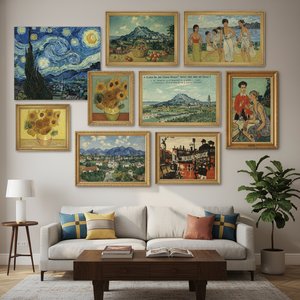
Los 10 Maestros del Postimpresionismo: Obras que Revolucionaron el Arte |
Descubre los 10 cuadros más influyentes del Postimpresionismo: Van Gogh, Monet, Cézanne y más. Explora la historia, técnica y significado de estas obras maestras. Reproducciones de arte en para decorar tu hogar con estilo.
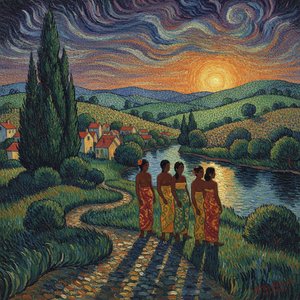
Beyond Impressionism: Exploring the Emotional Depth and Vibrant Mastery of Post-Impressionist Art
Discover the profound evolution of art beyond Impressionism. Explore the emotional depth, vibrant colors, and revolutionary techniques of Post-Impressionist masters like Van Gogh and Cézanne in this expert guide to art history's most expressive movement.

Beyond Impressionism: Exploring the Emotional Depth and Vibrant Textures of Post-Impressionist Landscapes
Discover the profound emotional depth of Post-Impressionist landscapes. Explore how masters like Van Gogh revolutionized art through vibrant color, textured impasto, and symbolic expression in this expert guide to the movement that redefined modern art history.
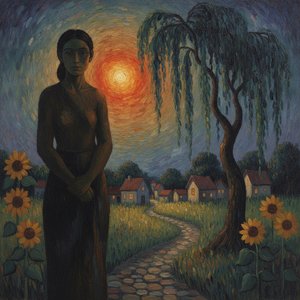
Beyond the Light: Discovering the Soul and Emotional Depth of Post-Impressionism
Embark on a cultural journey through Post-Impressionism. Discover the profound emotional depth of masters like Van Gogh and Cézanne, exploring how they moved beyond light to capture the very soul of human experience through vibrant color and symbolic form.
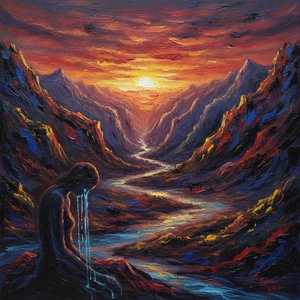
Capturing Emotion: A Journey Through the Soul of Expressionist Landscapes
Explore the profound emotional depth of Expressionist landscapes. Discover how Post-Impressionist masters moved beyond light to capture the soul through vibrant color and form. A curated journey for true art lovers seeking the beauty of expressive mastery.


