

 Ver en contexto
 Enviar
 Compartir
 Detalles
 Guía
Guía

 Descargar
 Similares
 Radiografía
 Presentación de diapositivas
 Q&A
Q&A Estadísticas
Still-Life
 Painting
- WallArt
- Realism
 Modern
 52.0 x 39.0 cm
 Iwami Art Museo
 Ver más
Giclée / Impresión de arte
Impresiones giclée o en lienzo de calidad de museo con producción rápida y opciones de acabado flexibles. ( Comprar pintura hecha a mano Cambiar a imagen digital)




P118B €10

P118H €10

P118W €10

P438Z €10

P508JH €12

P508YH €12

P805H €10

P805Z €10

P919BZ €10

P919G €10

P919XJ €10

P959ZH €10

P968JZ €12

W106C €8

W218G €10

W218JH €8

W218Y €10

W307PJ €10

W316G €10

W316PJ €8

W316Y €10

W398PJ €8

W4111J €10

W500HY €15

W500JH €15

W692G €12

W849H €8

W940BG €15

W953PJ €8




Elija entre nuestros tamaños predefinidos que respetan las proporciones originales de la obra.

Introduzca el ancho y el alto que necesite para adaptarse a su marco o pared. Una impresión solo puede recortarse, nunca hacerse más grande que la imagen original, por lo que un tamaño con una forma distinta perderá parte de la obra. Le enviaremos una maqueta digital para su aprobación antes de realizar cualquier impresión. La imagen que se muestra en esta página no refleja el recorte real; solo la maqueta lo hace.
Envío a todo el mundo () en 2 semanas en lugar de las 4/5 semanas estándar. (30 octubre)

Envío exprés gratuito a todo el mundo

Lienzo de lino de alta calidad

Seguro de envío total

Garantía de reembolso de aranceles aduaneros

Garantía de fidelidad cromática exacta

Política de devolución de 100 días (solo por defectos)

Garantía de devolución del 100% del dinero

Descuento por cantidad
 La opción de vidrio solo está disponible en tamaños inferiores a 110 cm.

Still-Life
Giclée / Impresión de arte
Dimensiones de la reproducción
-


Precio total final
€ 71
A Quiet Radiance: The Intimate World of Kishida Ryusei
In the delicate interplay of light and shadow captured within this exquisite Still-Life, we encounter the profound mastery of Kishida Ryusei, a pivotal figure in the evolution of Japanese modern art. This painting is not merely a depiction of fruit upon a table; it is a window into a period of quiet introspection. Created during a time when the artist was forced by illness to retreat from the mutable energy of Tokyo to the serene landscapes of Kugenuma, the work breathes with the stillness of a life lived in contemplation. The composition centers around a vase, acting as an anchor for a rhythmic arrangement of apples and oranges that seem to glow with an inner vitality. Through his meticulous approach, Kishida invites us into a private moment where the mundane is elevated to the level of the sacred.
The technique employed here reveals a fascinating synthesis of Eastern sensibility and Western realism. Influenced by the Northern Renaissance masters like Dürer, Kishida demonstrates an extraordinary command over texture and volume. One can almost feel the smooth, taut skin of the red apples and the textured rind of the oranges. The artist’s ability to capture the way light dances across the surface of the Kyoto-sourced decanter and tea caddy creates a mysterious, almost ethereal atmosphere. This is not the fleeting impressionism of his early years, but a deeply grounded realism that seeks to find the eternal within the ephemeral. Each brushstroke serves to define form with such precision that the objects possess a weight and presence that command the viewer's full attention.
An Emotional Anchor for the Modern Interior
For the discerning collector or interior designer, this piece offers much more than aesthetic beauty; it provides an emotional anchor for any space. The warm palette of reds, oranges, and earthy tones creates a sense of comfort and stability, making it an ideal centerpiece for a sophisticated study, a quiet dining nook, or a curated gallery. The scene, set against the simple backdrop of a room wall, allows the vibrant subjects to take center stage, offering a moment of pause in an otherwise busy world. Whether placed in a sunlit corner or a more shadowed alcove, the painting's ability to capture light ensures it remains a living part of its environment.
To possess such a reproduction is to bring a piece of Japanese art history into one's home—a legacy of yōga-style realism that bridges the gap between tradition and modernity. The arrangement of three apples and two oranges, meticulously placed around the central vase, creates a balanced visual harmony that resonates with anyone seeking peace and order within their surroundings. It is an invitation to slow down, to observe the beauty in the simple, and to appreciate the enduring power of a perfectly captured moment.
Preguntas y respuestas
¿Se puede descargar la imagen de "Still-Life"?
Puede descargar "Still-Life" de Kishida Ryūsei desde la página de Descargar imagen digital de la obra, como descarga de una imagen digital en alta resolución.
¿Quién es el autor de "Still-Life"?
El artista detrás de "Still-Life" es Kishida Ryūsei. La obra está catalogada bajo el nombre de Kishida Ryūsei.
¿Qué sentimiento transmite "Still-Life"?
"Still-Life" de Kishida Ryūsei transmite un tono emocional Reflective.
Biografía del artista
early life and artistic career
Kishida Ryūsei (岸田劉生, Kishida Ryūsei, June 23, 1891 – December 20, 1929), a japanese painter, was born in Osaka. During his lifetime, he became renowned for his realistic yōga-style portraiture, as well as his nihonga paintings in the 1920s. He was a devoted follower of the Dutch painter Vincent van Gogh and later of artists of the Northern Renaissance such as Albrecht Dürer and Jan van Eyck. Missing: 岸田 劉生, Osaka, 1891, A conspicuous force in yoga (Western-style Japanese painting) during the Meiji, Taisho, and Showa eras, Kishida was a solitary figure, greatly influenced by modern French painting and focused on developing his own style of yoga painting. Following a path that was anything but straight, Kishida gradually found his unique style as he moved closer to the secrets of the world of painting.artistic style and influences
Kishida's work is characterized by its blend of traditional japanese techniques with western influences. His yōga-style portraiture is notable for its realism, while his nihonga paintings reflect a deep understanding of japan's rich cultural heritage. He meticulously studied the works of Van Gogh and Dürer, absorbing their expressive brushstrokes and compositional principles—elements that would become integral to his distinctive artistic vision. Notable works include his portraits, which capture the essence of his subjects with remarkable accuracy. His nihonga paintings, on the other hand, showcase his mastery of traditional japanese art forms, often incorporating subtle, nuanced elements. He skillfully employed layering techniques and glazing methods inherited from centuries of japanese painting tradition to achieve luminous effects and convey profound emotion.significant contributions and legacy
Kishida Ryūsei's contributions to japanese art are undeniable. His unique blend of styles has influenced generations of artists. Some of his notable works can be found in various museums and collections, including: Shizuoka Prefectural Museum of Art, which features an impressive collection of his portraits. Yasuda Kasai Museum of Art, dedicated to showcasing the works of japanese artists, including kishida's nihonga masterpieces. His paintings—particularly “Portrait of Reiko with a Doll” and “Saeki Yūzō: La Cloche”—are considered seminal examples of Taisho-period art, demonstrating the transformative impact of western artistic ideas on japanese aesthetics. His dedication to capturing human emotion through meticulous observation and skillful execution solidified his place as one of japan’s most important painters of the early 20th century.selected works and exhibitions
Kishida's oeuvre includes “Portrait of Koya Yoshio,” which exemplifies his ability to convey psychological depth within a formal portrait setting—a skill honed through extensive study of european masters. His work was exhibited at Yasuda Kasai Museum of Art, where it continues to inspire admiration for its innovative approach to nihonga painting and its profound engagement with humanist themes. Explore more of kishida's works on OriginalUniqueArt.com. Discover the nihonga art movement, which influenced kishida’s nihonga paintings, and its significance in japanese art history. References: The Art of Japanese Paper Ki
Kishida Ryūsei
1891 - 1929 , Japón
Datos clave
- Artistic Movement Or Style: Yoga y Nihonga
- Artists Or Movements Influenced By This Artist: ['Fusain Society']
- Artists Who Influenced This Artist:
- Vincent van Gogh
- Albrecht Dürer
- Jan van Eyck
- Date Of Birth: Jun 23, 1891
- Date Of Death: Dec 20, 1929
- Full Name: Kishida Ryusei
- Nationality: Japonés
- Notable Artworks:
- Retrato de Reiko con una muñeca
- Saeki Yūzō: La Cloche
- Place Of Birth: Osaka, Japón
Artículos relacionados

Silent Narratives: Exploring the Enduring Appeal of Still Life Painting Across Centuries
Explore the rich history of still life painting with OriginalUniqueArt. Discover Dutch Masters, decode vanitas symbolism & learn about collecting timeless art. Expert insights and museum-quality reproductions.
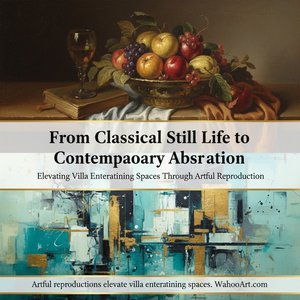
De la Naturaleza Muerta Clásica a la Abstracción Contemporánea: Elevando los Espacios de Entretenimiento en Villas a Través de Reproducciones Artísticas
Descubre la evolución del bodegón y cómo integrar reproducciones artísticas de alta calidad en tu villa. Expertos en arte, selección exclusiva y asesoramiento personalizado.

Crimson Threads of Narrative: Exploring Symbolism & Representation in Artworks Featuring the Red Dress
Explore the rich symbolism of the red dress in art history! From ancient power displays to iconic portraits like Cézanne’s 'Madame Cezanne', discover the cultural and artistic significance behind this captivating color. Expert analysis & insights.
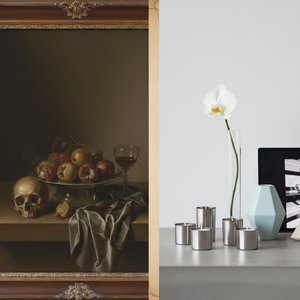
The Enduring Appeal of Still Life: A Historical & Contemporary Exploration
Explore the rich history & symbolism of still life painting with OriginalUniqueArt. Discover masterpieces from the Dutch Golden Age, learn about vanitas art, and find expert guidance for collecting timeless artworks.
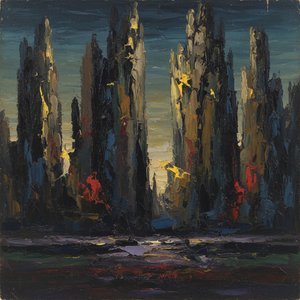
Clyfford Still's Abstract Expressionism: A Study of Color, Form & the Existential Landscape
Explore the profound world of Clyfford Still's Abstract Expressionism with OriginalUniqueArt. Discover his unique style, existential themes & investment potential. Expert analysis for discerning collectors.