

 Enviar
 Compartir
 Detalles
 Guía
Guía

 Descargar
 Similares
 Presentación de diapositivas
 Estadísticas
Dendera Temple
 Digital Photography
- Photo
- Contemporary Realism
 2009
2009- Contemporary
 Centro de Investigación Estadounidense en Egipto
 Ver más
La obra de arte que se muestra en esta página está protegida por las leyes de propiedad intelectual, lo que significa que no podemos crear ni vender legalmente una reproducción idéntica. Esta protección se hace cumplir en virtud de acuerdos internacionales como el Convenio de Berna y por las leyes nacionales, incluidas aquellas establecidas por el Ley de derechos de autor de los EE. UU. - Título 17.
Como una alternativa respetuosa y legal, ofrecemos obras de arte personalizadas y pintadas a mano inspiradas en la original. Nuestros expertos y profesionales del arte estudian cuidadosamente el estilo, el sentimiento y la esencia artística de la obra original para crear una pieza nueva y única que evoque la misma sensación, siendo al mismo tiempo una creación original por derecho propio.
Este método cumple plenamente con las normativas de derechos de autor, ya que no implica la copia ni la duplicación de la obra protegida. En su lugar, se trata de una reinterpretación creativa: una nueva pintura influenciada por la original, pero que no es idéntica a ella.
Reproducción al óleo hecha a mano
Óleo sobre lienzo pintado a mano en el tamaño y marco de su elección, realizado por encargo por nuestros artistas. ( Cambiar a impresiones Cambiar a imagen digital)




































Elija entre nuestros tamaños predefinidos que respetan las proporciones originales de la obra.

Indique el ancho y el alto que necesite para adaptarse a su marco o pared. Al tratarse de una obra pintada a mano, si requiere un tamaño con una proporción distinta, el artista puede pintar un poco más alrededor de la imagen o recortarla ligeramente; usted elige. Le enviaremos una maqueta digital para su aprobación antes de comenzar la pintura. La imagen que se muestra en esta página no refleja el resultado real; solo la maqueta lo hace.
Tras realizar el pedido, el equipo de OriginalUniqueArt.com enviará un correo electrónico al cliente para solicitar instrucciones y proporcionarle una vista previa del boceto.
Envío a todo el mundo () en 3-4 semanas en lugar de las 5 semanas estándar. (28 octubre). Sin comprometer la calidad.

Envío exprés gratuito a todo el mundo

Lienzo de lino de alta calidad

Seguro de envío total

Garantía de reembolso de aranceles aduaneros

Garantía de fidelidad cromática exacta

Política de devolución de 100 días (solo por defectos)

Garantía de devolución del 100% del dinero

Descuento por cantidad
 La opción de vidrio solo está disponible en tamaños inferiores a 110 cm.

Dendera Temple
Técnica de reproducción
Dimensiones de la reproducción
-


Precio total final
€ 264
Biografía del artista
La lente visionaria de Kenneth Garrett
En la intersección entre el rigor científico y una profunda expresión artística se encuentra la obra de Kenneth Garrett, un fotógrafo cuyo lente sirve como puente entre el mundo moderno y los ecos de la antigüedad. Nacido en Columbia, Missouri, en 1953, los primeros años de vida de Garrett estuvieron definidos por una fascinación dual: la mecánica de la narrativa visual y los misterios de la investigación científica. Esta base única le permitió desarrollar una perspectiva que trasciende la mera documentación; él no se limita a fotografiar lo que queda del pasado, sino que busca infundir vida a las piedras silenciosas y a los artefactos desgastados de civilizaciones perdidas. Su trayectoria es una de observación meticulosa, donde cada sombra y textura es tratada como una pieza vital de un rompecabezas histórico mucho más amplio.
La evolución artística de Garrett se vio profundamente moldeada por su inmersión en los paisajes de la antigüedad global. Impulsado por una curiosidad insaciable, emprendió extensas expediciones al corazón de mundos antiguos, notablemente dentro de los terrenos bañados por el sol de Egipto y las densas y legendarias selvas de México. Estos viajes fueron más que simples visitas turísticas; fueron periodos profundos de estudio que le permitieron presenciar excavaciones activas e interactuar con la misma tierra donde se desenterraba la historia. Fue a través de estas experiencias que su estilo maduró, alejándose del espectáculo superficial que suele encontrarse en la fotografía de viajes para avanzar hacia un enfoque profundamente disciplinado, centrado en las realidades tangibles de eras pasadas.
Maestría técnica y profundidad narrativa
Lo que distingue la obra de Garrett dentro del ámbito de la fotografía documental es su uso sofisticado de la luz y la tecnología para revelar lo invisible. Posee una capacidad poco común para manipular la iluminación, empleando frecuentemente técnicas de Alto Rango Dinámico (HDR) para extraer detalles de las grietas más profundas de los hallazgos arqueológicos. Al equilibrar luces extremas y sombras sutiles, ilumina texturas y contornos que, de otro modo, escaparían al ojo desnudo, permitiendo a los espectadores apreciar los intrincados tallados de los relieves mayas o el grano erosionado de la piedra caliza egipcia con una claridad sorprendente. Sus imágenes se caracterizan por una mezcla deliberada de precisión técnica y una sensibilidad casi poética hacia la forma.
La importancia de su trabajo puede medirse, quizás, por su impacto en la comunidad científica global y en la conciencia pública. A través de sus colaboraciones con instituciones prestigiosas, Garrett ha elevado la investigación arqueológica a una narrativa visual cautivadora que resuena mucho más allá de los círculos académicos:
- National Geographic: La publicación de más de setenta fotografías en esta legendaria revista ha llevado las maravillas de la paleontología y la arqueología a millones de personas, fomentando un sentido global de asombro por la historia de nuestro planeta.
- La Institución Smithsonian: Su imaginería ha sido destacada por el Smithsonian, contribuyendo a la preservación y difusión del patrimonio cultural mediante una poderosa narrativa visual.
- Documentación Científica: Más allá de lo estético, su trabajo sirve como un registro vital de los sitios arqueológicos, capturando la esencia de artefactos y entornos durante momentos críticos de descubrimiento.
Un legado de preservación del pasado
En última instancia, la obra de Kenneth Garrett es un acto de preservación. En una era en la que gran parte de nuestro patrimonio global se ve amenazado por el tiempo y el cambio ambiental, su archivo fotográfico se erige como un testimonio de la majestuosidad perdurable del logro humano. Él no solo captura imágenes; crea ventanas al pasado, invitando al espectador a contemplar el ascenso y la caída de los imperios y las maravillas geológicas que dieron forma a nuestro mundo. A través de su maestría de la luz y su compromiso inquebrantable con la verdad histórica, Garrett asegura que las historias grabadas en piedra y hueso nunca se pierdan realmente, sino que continúen inspirando asombro para las generaciones venideras.

Kenneth Garrett
1953 - , Estados Unidos
Datos clave
- Artistic Movement Or Style: Fotografía arqueológica
- Artists Or Movements Influenced By This Artist: ['National Geographic']
- Date Of Birth: 1953
- Full Name: Kenneth Garrett
- Nationality: Americano
- Notable Artworks: ['Kom El Dikka Amphitheatre']
- Place Of Birth: Columbia, Estados Unidos
Artículos relacionados

La Psicología de la Imagen Lúdica: Explorando la Pintura Humorística y Caprichosa como Catalizador del Bienestar Emocional y la Conexión Social
Explora el poder del arte humorístico para el bienestar emocional y la conexión social. Descubre su historia, beneficios psicológicos y cómo encontrar obras únicas en OriginalUniqueArt.

Marianne North: Las 25 Obras Maestras de una Artista Victoriana en OriginalUniqueArt
Descubre las 25 obras maestras de Marianne North, la artista victoriana que capturó la belleza exótica de la botánica. Pinturas vibrantes y llenas de historia. Reproducciones de arte exclusivas en OriginalUniqueArt.com.

Aggressive Pop Art: The Bold Rebellion of Confrontational Imagery and its Impact on Modern Aesthetics
Explore the provocative world of Aggressive Pop Art. Discover how confrontational imagery, bold saturated hues, and mass media deconstruction redefined modern aesthetics through an expert art-historical lens.

The Subconscious Canvas: Exploring Dream Imagery in Art History & Contemporary Practice
Explore the captivating world of dream imagery in art history & contemporary practice. Discover key artists, symbolism, investment potential & expert insights for collectors at OriginalUniqueArt.
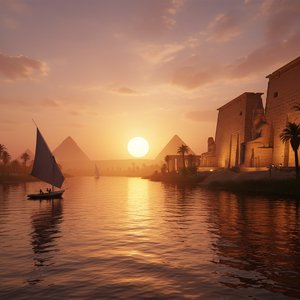
Golden Hour on the Nile: Symbolism & Artistic Legacy of Egyptian Sunsets
Explore the rich symbolism of Egyptian sunset paintings & their artistic legacy. Discover how color, ritual, and landscape shaped ancient beliefs – a guide for discerning collectors.
