Vista previa
 Compartir
 Compartir
 Ver detalles

 Descargar
 Ver similares
 Radiografía
 Presentación de diapositivas
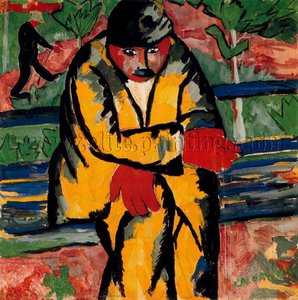
Composición Suprematista


 Leer más
Giclée / Impresión de arte
Impresiones giclée o en lienzo de calidad de museo con producción rápida y opciones de acabado flexibles. ( Encargar reproducción pintada a mano Comprar descarga)




P118B $10

P118H $10

P118W $10

P438Z $10

P508JH $12

P508YH $12

P805H $10

P805Z $10

P919BZ $10

P919G $10

P919XJ $10

P959ZH $10

P968JZ $12

W106C $8

W218G $10

W218JH $8

W218Y $10

W307PJ $10

W316G $10

W316PJ $8

W316Y $10

W398PJ $8

W4111J $10

W500HY $15

W500JH $15

W692G $12

W849H $8

W940BG $15

W953PJ $8




Elija entre nuestros tamaños predefinidos que respetan las proporciones originales de la obra.

Puede introducir sus propias dimensiones para adaptarse a un marco o espacio específico. Si el tamaño seleccionado no coincide con las proporciones de la imagen original, recortaremos la obra de arte o extenderemos la imagen con un borde con efecto espejo o de color sólido. Se enviará una maqueta digital para su aprobación antes de que comience la producción.
Tenga en cuenta que la vista previa en pantalla no refleja el recorte o la extensión real. Solo la maqueta mostrará con precisión la composición final.
Aunque existen tamaños personalizados, recomendamos seleccionar una dimensión de la lista predefinida para preservar las proporciones originales.
Envío a todo el mundo () en 2 semanas en lugar de las 4/5 semanas estándar. (22 agosto)

Envío exprés gratuito a todo el mundo

Lienzo de lino de alta calidad

Seguro de envío completo

Garantía de reembolso de aranceles aduaneros

Garantía de fidelidad cromática exacta

Política de devolución de 60 días (solo por defectos)

Garantía de devolución del 100% del dinero

Oferta por volumen
 La opción de vidrio solo está disponible en tamaños inferiores a 110 cm.

Composición Suprematista
Giclée / Impresión de arte
Tamaño de la reproducción
-


Precio total
$ 80
Descripción de la pieza
Kazimir Malevich: A Pioneer of Abstract Art
Kazimir Severinovich Malevich (February 23, 1879 – May 15, 1935) stands as a monumental figure in the history of art, recognized globally for his groundbreaking contribution to abstract expressionism and his unwavering belief in the transformative power of pure artistic feeling. Born in Kyiv Oblast, Ukraine, to Polish parents, Malevich’s formative years instilled within him an appreciation for Ukrainian folk culture—a heritage that subtly influenced his artistic vision. His pursuit of formal training began in Kyiv but quickly propelled him toward Moscow and, ultimately, into the vibrant crucible of European avant-garde movements. This journey exposed him to Impressionism, Symbolism, Cubism, and Fauvism, experiences that served as stepping stones towards forging his distinctive style—a style characterized by radical simplicity and uncompromising dedication to geometric abstraction. ## Early Life and Influences Malevich’s upbringing fostered a deep connection with the rural Ukrainian landscape and its traditions. These influences subtly permeated his artistic sensibilities, shaping his understanding of visual language and informing his later explorations into non-representational art forms. His fascination with Russian folklore and mythology—particularly tales of heroic figures and mystical landscapes—provided inspiration for recurring motifs in his oeuvre. He was particularly drawn to the ideas of Nikolai Konstantinovich Mikhailovskii, whose writings on Russian peasant culture championed the notion that art should reflect the soul of its people. This conviction would become a cornerstone of Malevich’s artistic philosophy. ## Artistic Development & Key Movements Before embracing Suprematism, Malevich experimented with diverse styles—Impressionism, Symbolism, Cubism, and Fauvism—demonstrating an intellectual curiosity that transcended stylistic conventions. However, it was his encounter with the Parisian avant-garde in 1912 that irrevocably altered his artistic trajectory. The influence of Cézanne’s geometric simplification and Picasso’s fractured perspectives ignited within him a desire to liberate painting from the constraints of depicting reality—a yearning for an art form liberated from illusionistic representation. This impulse culminated in his pivotal involvement with Cubism, where he collaborated closely with Pablo Picasso and Georges Braque on groundbreaking projects that challenged conventional notions of spatial perspective. ## Suprematism: The Birth of Pure Feeling Malevich’s revolutionary breakthrough arrived in 1915 with *Black Square*, arguably the foundational work of Suprematism—a movement he established as a response to the prevailing artistic trends of his time. Rejecting representational art altogether, Malevich sought to express “the supremacy of pure feeling” through basic geometric forms—primarily squares and rectangles—arranged on a monochrome canvas. This audacious decision signaled a decisive break from tradition and embodied Malevich’s conviction that art should transcend mere imitation of nature, accessing instead the realm of spiritual truth. He famously declared: "I have overcome the lining of the colored sky." ## Technique & Materials Executed in oil paint on canvas, *Black Square* exemplifies Malevich's meticulous attention to detail and his mastery of geometric rendering—a technique honed through years of experimentation with various artistic mediums. The artist employed a subtle layering process, applying thin washes of pigment onto the canvas surface to achieve an ethereal luminosity that belied its austere appearance. Careful brushstrokes contribute to textural nuances, grounding the abstract forms in a tangible reality while simultaneously conveying a sense of dynamism and visual intrigue. Malevich’s unwavering commitment to simplicity—reducing painting to its elemental components—served as a guiding principle throughout his artistic career. ## Historical Context: The Russian Revolution & Artistic Transformation Malevich's artistic vision was inextricably linked to the tumultuous socio-political landscape of Russia during the early 20th century—specifically, the outbreak of the Bolshevik Revolution in 1917. Witnessing firsthand the upheaval and violence that engulfed the nation fueled his desire to create an art form capable of articulating the profound transformations occurring within Russian society. He believed Suprematism could serve as a vehicle for expressing the spiritual aspirations of the revolutionary era—a belief solidified by his association with Vladimir Lenin and Leon Trotsky, who championed avant-garde artistic experimentation as a means of advancing socialist ideals. Malevich’s uncompromising stance on artistic freedom resonated deeply with fellow artists and intellectuals who sought to redefine the role of art in shaping cultural consciousness. ## Symbolism & Emotional Resonance Despite its apparent lack of recognizable imagery—a deliberate rejection of representational conventions—*Black Square* is laden with symbolic significance. The black square itself represents emptiness, negation, and the annihilation of traditional artistic hierarchies—a visual metaphor for Malevich’s desire to dismantle established aesthetic norms and liberate art from the shackles of illusionistic representation. Simultaneously, it embodies the concept of “zero”—the primordial state from which all creation emerges—reflecting Malevich's conviction that Suprematism offered a pathway toward accessing a deeper level of consciousness. The artwork invites contemplation on themes of spirituality, transcendence, and the fundamental nature of artistic expression—themes that continue to inspire artists and viewers alike. ## Impact & Legacy Kazimir Malevich’s Suprematism profoundly influenced subsequent generations of artists—establishing itself as a cornerstone of abstract art history and shaping movements like Minimalism and Conceptual Art. His pioneering exploration of geometric abstraction challenged conventional notions of visual perception and artistic representation, paving the way for radical innovations in artistic practice. Malevich's unwavering belief in the transformative power of pure form—a conviction that underpinned his entire artistic philosophy—remains a testament to his enduring legacy as one of the most visionary artists of the 20th century. His work continues to provoke debate and inspire creativity, ensuring that Kazimir Malevich’s contribution to art history will endure for centuries to come.Biografía del artista
Kazimir Malevich: Un pionero del arte abstracto
Primeros años e influencias
- Nacido en el Óblast de Kyiv, Ucrania, en 1878, en una familia polaca, la vida temprana de Kazimir Severinovich Malevich fue moldeada por el paisaje rural ucraniano y su rica cultura popular.
- Su crianza le inculcó un aprecio por las expresiones artísticas tradicionales que más tarde influirían sutilmente en su obra.
- La formación formal comenzó en Kyiv, pero Malevich rápidamente buscó horizontes artísticos más amplios, moviéndose hacia Moscú y finalmente relacionándose con los movimientos vanguardistas europeos emergentes.
- Influencias clave: La exposición temprana al arte popular, combinada con un deseo de expresión moderna, formó la base de su estilo único.
Desarrollo artístico y movimientos clave
- Inicialmente, Malevich exploró varios estilos, incluyendo Impresionismo, Simbolismo, Fauvismo, y Cubismo. Un viaje decisivo a París en 1912 le expuso a los últimos avances en el arte europeo.
- Gradualmente se alejó de las formas representacionales, buscando un lenguaje artístico puramente basado en formas geométricas y color.
- Esto llevó al desarrollo de Suprematismo alrededor de 1915 – un movimiento abstracto centrado en “la supremacía del sentimiento puro” en el arte.
- El Suprematismo rechazó cualquier intento de representar objetos del mundo visible, priorizando en cambio las formas geométricas básicas como cuadrados, círculos y rectángulos.
Logros importantes y obras notables
- Cuadrado Negro (1915): Probablemente su obra más famosa, representa una ruptura radical con el arte tradicional y se considera una pieza fundacional de la pintura abstracta.
- Blanco sobre Blanco (1918): Una serie que explora la pureza de la forma y el color, presentando formas geométricas blancas contra un fondo blanco – llevando la abstracción a sus límites.
- Stroyuschiysya dom [Casa bajo construcción] (1916): Un ejemplo temprano del Suprematismo que muestra su perspectiva única sobre la cultura ucraniana a través de formas abstractas.
- También escribió extensamente sobre teoría del arte, articulando los principios filosóficos detrás del Suprematismo y abogando por una nueva conciencia artística.
Significado histórico y legado
- La obra de Malevich impactó profundamente el desarrollo del arte abstracto del siglo XX, influyendo en movimientos como Minimalismo y Constructivismo.
- Desafió las nociones convencionales de representación y allanó el camino para el arte no objetivo.
- Sus ideas sobre el sentimiento puro y la abstracción geométrica siguen resonando con los artistas de hoy en día.
- A pesar de enfrentar persecución política bajo Stalin – inicialmente apoyado, luego reprimido – Malevich perseveró en su práctica y enseñanza.
- Influencia en artistas posteriores: Influyó directamente a artistas como El Lissitzky e indirectamente moldeó a innumerables otros a través del perdurable legado del Suprematismo.
Vida tardía y muerte
- En sus últimos años, Malevich revisó la pintura figurativa, intentando sintetizar sus principios abstractos con formas representacionales.
- Continuó enseñando y escribiendo sobre arte hasta su muerte en Leningrado (ahora San Petersburgo) en 1935.
- Su obra permaneció relativamente oscura durante décadas después de su muerte, pero experimentó un resurgimiento de interés a mediados del siglo XX, consolidando su lugar como una de las figuras más importantes de la historia del arte moderno.

Kazimir Malevich
1878 - 1935 , Ucrania
Datos clave
- Artistas Que Influyeron:
- Impresionismo
- Simbolismo
- Fauvismo
- Cubismo
- Estilo Artístico: Suprematismo, Arte Abstracto
- Fecha De Muerte: 15 de mayo de 1935
- Fecha De Nacimiento: 23 de febrero de 1878
- Influenciado A Artistas:
- El Lissitzky
- Minimalismo
- Constructivismo
- Lugar De Nacimiento: Óblast de Kyiv, Ucrania
- Nacionalidad: Ucraniano, Ruso
- Nombre Completo: Kazimir Malevich
- Obras Notables:
- Cuadrado Negro
- Blanco sobre Blanco
- Casa bajo construcción
- Elementos Suprematistas
Artículos relacionados
Kazimir Malevich: Las 25 Obras Maestras del Suprematismo para Inspirar tu Hogar
Descubre las 25 obras maestras de Kazimir Malevich, pionero del Suprematismo. Explora la historia, el significado y la belleza del arte abstracto moderno. Reproducciones de alta calidad para inspirar tu hogar en OriginalUniqueArt.com.

Abstracción Geométrica: 10 Obras Maestras que Transformaron el Arte Moderno | OriginalUniqueArt
Descubre las 10 obras maestras de la abstracción geométrica que revolucionaron el arte moderno. Explora a Mondrian, Malevich y Kandinsky en OriginalUniqueArt.com. Reproducciones de alta calidad para tu hogar.

Beyond Form & Color: Geometric Abstraction's Evolution in 20th/21st Century Art
Explore the evolution of geometric abstraction from Cubism to contemporary art. Discover key artists like Malevich & Mondrian, investment insights, and expert collecting advice at OriginalUniqueArt.

Suprematism Explained: The Radical Geometry and Pure Feeling of Kazimir Malevich
Explore the radical world of Suprematism. Discover how Kazimir Malevich revolutionized modern art through pure geometric abstraction, non-objective form, and the supremacy of feeling. An essential guide for art students and collectors seeking deep historical context.
Kazimir Malevich: Pioneering Suprematism & the Quest for Non-Objective Art
Explore the revolutionary art of Kazimir Malevich & his groundbreaking Suprematism movement. Discover the origins, core principles, and lasting impact of this pivotal force in modern abstract painting.


![Circulo Negro [1913]](/media/artworks/images-thumb/62/67/6267e452b0c8476772a6511e19ce1616.jpg)