Arte Abstracto · 1989
Sin título (Karl Schmid, 1989)
Karl Schmid (1914–1998) creó Sin título. Data de 1989. Pertenece al movimiento Arte Abstracto. Está realizado en Acrílico sobre papel. Se conserva en USI Università della Svizzera italiana, en Lugano, Switzerland. Sus dimensiones son 80 × 80 cm.
- 1989
- Acrílico sobre papel
- 80 × 80 cm
- USI Università della Svizzera italiana, Lugano

 Ver en contexto

 Óleo pintado a mano
 Enviar
 Compartir
 Ficha técnica


 Descargar
 Similares
 Radiografía
 Presentación de diapositivas
 Preguntas y respuestas

 Estadísticas
Sin título en breve
- Título
- Sin título
- Artista
- Karl Schmid (1914–1998)
- Lugar de nacimiento del artista
- Zurich, Suiza
- Fecha
- 1989
- Técnica
- Acrílico sobre papel
- Dimensiones
- 80 × 80 cm
- Dónde verlo
- USI Università della Svizzera italiana, Lugano, Switzerland
- Movimiento
- Arte Abstracto
- Tema
- abstracto, colorido, formas geométricas, pintura acrílica, composición vibrante, arte moderno
¿Qué representa Sin título?
A Symphony of Form and Color in Karl Schmid's Untitled
To stand before this vibrant composition, an Untitled work by Karl Schmid from 1989, is to encounter a joyous explosion of pure visual energy. It is not merely a painting; it is a meticulously orchestrated dialogue between disparate shapes and brilliant hues. The surface itself, executed with acrylic paint on what appears to be paper, invites the eye into a dynamic field where structure meets spontaneity. One cannot help but feel the artist’s hand guiding the viewer through an intricate map of color relationships—a journey that is both intellectually stimulating and deeply emotionally resonant.
Exploring Technique and Composition
Schmid's approach here showcases a masterful handling of abstract elements. The canvas, measuring 80 x 80 cm, is segmented into numerous distinct areas, each boasting its own unique chromatic signature. We see the assertive presence of reds juxtaposed against cool blues, while sunny yellows dance alongside deep purples and grounding grays. These colors do not simply coexist; they interact. Some shapes appear to flow seamlessly into their neighbors, suggesting organic connections, while others stand as bold, self-contained meditations on color theory. This careful balancing act—the connection versus the isolation—is what gives the piece its palpable sense of rhythm and life.
The Context of a Swiss Visionary
Understanding Karl Schmid’s background enriches our appreciation for this abstract burst. A Swiss artist whose career spanned decades, his work often bridged the tangible world with conceptual thought. While his biography speaks to his deep engagement with sculpture and anatomical study—disciplines requiring immense precision—this piece demonstrates a different kind of craftsmanship: the architecture of pure color. His life experiences, marked by observation and resilience, seem channeled here into an abstract vocabulary, suggesting that even in moments of fragmentation or complexity, there exists an underlying, beautiful pattern waiting to be revealed.
Symbolism and Emotional Resonance
What does this riot of color symbolize? In the hands of an artist like Schmid, it suggests a celebration of modern existence—a vibrant tapestry woven from disparate experiences. The sheer variety of colors speaks to the multifaceted nature of human emotion itself: joy (yellow), passion (red), tranquility (blue), and mystery (purple). For the collector or designer considering this piece for their space, it promises not just decoration, but a focal point of spirited conversation. It is an artwork that refuses to be passive; it demands engagement, injecting immediate vitality into any room it graces.
Bringing Abstract Life Home
For those seeking art that breathes and pulses with life, this reproduction offers an unparalleled opportunity. The vibrancy captured in the original 1989 work translates beautifully, allowing you to incorporate a piece of dynamic modern art into your decor scheme. Whether placed above a console table or serving as a striking centerpiece, this Untitled painting by Karl Schmid acts as an immediate uplifting force—a colorful testament to the beauty found in organized chaos.
¿En qué museo se encuentra Sin título?
USI Università della Svizzera italiana
Lugano, Switzerland
Un Faro de Exploración Interdisciplinaria: USI Università della Svizzera italiana Enclavada en el pintoresco paisaje de Lugano, Suiza, la USI Università della Svizzera italiana se erige como algo mucho más profundo que una simple institución de educación superior; es un núcleo dinámico donde el rigor académico converge con el compromiso público. Fundada en 1995, la USI logró distinguirse rápidamente, no por poseer grandiosas colecciones históricas, sino a través de su innovador “Museo del Aprendizaje”, un espacio dedicado a mostrar el pulso mismo de la investigación en curso y el descubrimiento intelectual. No estamos ante un repositorio de artefactos estáticos, sino ante una exhibición viva que respira con la energía del conocimiento contemporáneo, ofreciendo a los visitantes una mirada sin precedelo a la vanguardia de los estudios internacionales, la economía, la gobernanza global y mucho más.
Imágenes en alta resolución de Sin título

Protected by copyright: these files are for personal reference, not a licence to republish.
Karl Schmid, Sin título (1989), USI Università della Svizzera italiana.
Preguntas sobre Sin título respondidas
¿En qué museo se encuentra la obra original "Sin título"?
"Sin título" de Karl Schmid se encuentra en exhibición en USI Università della Svizzera italiana, Lugano, Switzerland. La información del museo se refiere a la obra original, no a reproducciones.
¿En qué año se creó "Sin título" de Karl Schmid?
"Sin título" data de 1989. Esta fecha sitúa la obra dentro de la trayectoria de Karl Schmid y de su época.
¿Qué técnica se utilizó para "Sin título" de Karl Schmid?
La técnica de "Sin título" de Karl Schmid es Acrílico sobre papel. Las reproducciones pretenden recrear la apariencia de esta técnica.
¿Cuáles son las dimensiones reales de "Sin título" de Karl Schmid?
La obra original "Sin título" de Karl Schmid mide 80 x 80 cm.
¿Qué temas aparecen en "Sin título" de Karl Schmid?
Los temas presentes en "Sin título" de Karl Schmid incluyen abstracto, colorido, formas geométricas, pintura acrílica, composición vibrante, arte moderno, los cuales resumen la temática de la obra.
¿Es "Sin título" de dominio público?
Información sobre los derechos de autor de "Sin título" de Karl Schmid: la obra es aún protegido por derechos de autor. Esto determina si las reproducciones de la imagen pueden realizarse libremente.
¿Quién es el autor de "Sin título"?
El artista detrás de "Sin título" es Karl Schmid. La obra está catalogada bajo el nombre de Karl Schmid.
¿A qué corriente artística pertenece "Sin título" de Karl Schmid?
"Sin título" de Karl Schmid pertenece al movimiento Arte Abstracto. Este movimiento aporta el contexto estilístico de la obra.
¿Qué edad tenía Karl Schmid cuando creó "Sin título"?
Cuando se creó "Sin título" en 1989, Karl Schmid —nacido/a en 1914— tenía 75 años.
Sobre el artista, Karl Schmid

1914–1998, Suiza
Karl Schmid
Una vida forjada en la resiliencia y la precisión La vida de Karl Schmid fue un testimonio profundo de la capacidad del espíritu humano para hallar la belleza en medio de la adversidad. Nacido en Zúrich en 1914, sus primeros años estuvieron ensombrecidos por la tragedia personal y la inestabilidad; la pérdida de su padre durante la Gran Guerra y las complejas luchas de salud mental de su madre crearon un entorno que exigía una resiliencia inmensa. Sin embargo, fue precisamente en este crisol de dificultades donde Schmid desarrolló una mirada excepcionalmente aguda para las complejidades de la existencia. Su formación no se limitó únicamente a un estudio tradicional, sino que se nutrió del mundo táctil y disciplinado de la artesanía.
Otras obras de Karl Schmid
 Punto de vista sin título 11986
 Sin título Lado 11989
 Obra Espiritual (orig. Spirituelles Werk)1986
 Del peral y la paciencia (orig. Aus Birnbaum und Geduld)1962
Ensayos sobre Sin título
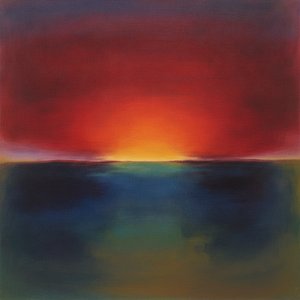 Color y Emoción: Las 25 Obras Maestras de Mark RothkoSumérgete en la emoción del expresionismo abstracto con las 25 mejores obras de Mark Rothko. Explora su técnica de color y encuentra reprod…
 Chromatic Command: Mastering Color Harmony and Visual Tension in Fine ArtMaster color theory through the lens of masters like Paul Klee. Explore visual tension and texture in modern abstraction now.
 Abstracción Geométrica: 10 Obras Maestras que Transformaron el Arte Moderno | OriginalUniqueArtDescubre las 10 obras maestras de la abstracción geométrica que revolucionaron el arte moderno. Explora a Mondrian, Malevich y Kandinsky en…