
 Ver en contexto
 Enviar
 Compartir
 Detalles
 Guía
Guía

 Descargar
 Similares
 Radiografía
 Presentación de diapositivas
 Preguntas y respuestas
 Estadísticas
Päsesick-Kaskutäu

- 23.0 x 30.0 cm


 Ver más
Giclée / Impresión de arte
Impresiones giclée o en lienzo de calidad de museo con producción rápida y opciones de acabado flexibles. ( Comprar pintura hecha a mano Cambiar a imagen digital)




P118B €10

P118H €10

P118W €10

P438Z €10

P508JH €12

P508YH €12

P805H €10

P805Z €10

P919BZ €10

P919G €10

P919XJ €10

P959ZH €10

P968JZ €12

W106C €8

W218G €10

W218JH €8

W218Y €10

W307PJ €10

W316G €10

W316PJ €8

W316Y €10

W398PJ €8

W4111J €10

W500HY €15

W500JH €15

W692G €12

W849H €8

W940BG €15

W953PJ €8




Elija entre nuestros tamaños predefinidos que respetan las proporciones originales de la obra.

Introduzca el ancho y el alto que necesite para adaptarse a su marco o pared. Una impresión solo puede recortarse, nunca hacerse más grande que la imagen original, por lo que un tamaño con una forma distinta perderá parte de la obra. Le enviaremos una maqueta digital para su aprobación antes de realizar cualquier impresión. La imagen que se muestra en esta página no refleja el recorte real; solo la maqueta lo hace.
Envío a todo el mundo () en 2 semanas en lugar de las 4/5 semanas estándar. (8 noviembre)

Envío exprés gratuito a todo el mundo

Lienzo de lino de alta calidad

Seguro de envío total

Garantía de reembolso de aranceles aduaneros

Garantía de fidelidad cromática exacta

Política de devolución de 100 días (solo por defectos)

Garantía de devolución del 100% del dinero

Descuento por cantidad
 La opción de vidrio solo está disponible en tamaños inferiores a 110 cm.

Päsesick-Kaskutäu
Giclée / Impresión de arte
Dimensiones de la reproducción
-


Precio total final
€ 72
The Enigmatic Figure of Päsesick-Kaskutäu
Karl Bodmer’s “Päsesick-Kaskutäu” isn't merely a portrait; it’s a meticulously rendered snapshot of a fleeting moment in the vast, untamed landscape of 19th-century North America. Painted in 1833 during Prince Maximilian zu Wied-Neuwied’s expedition along the Missouri River, the image captures an Assiniboine man – identified as Päsesick-Kaskutäu – standing atop a windswept hill, rifle in hand, against a dramatic backdrop of towering mountains. The painting immediately draws the viewer into a scene brimming with both stoic resilience and quiet contemplation. Bodmer’s skill lies not just in his technical proficiency but in his ability to imbue this single figure with an almost palpable sense of history and cultural significance.
A Chronicle of the Maximilian Expedition
The context surrounding “Päsesick-Kaskutäu” is crucial to understanding its profound impact. Prince Maximilian’s expedition, a grand undertaking funded by the German aristocracy, aimed to document the natural history and indigenous cultures of the American West. Bodmer was tasked with visually recording this journey, creating a series of watercolors, drawings, and later, lithographs that would serve as a lasting testament to the era. The painting reflects the meticulous approach of the expedition – every detail, from the man’s weathered clothing to the rugged terrain, is rendered with painstaking accuracy. It's important to note that Bodmer wasn’t simply an observer; he was actively engaged in building relationships with the Native American tribes they encountered, fostering a degree of trust and respect that allowed him to capture authentic representations of their lives.
The title itself, “Päsesick-Kaskutäu,” offers a tantalizing glimpse into the complexities of communication between cultures. It’s likely a name given by the Assiniboine people, reflecting their own linguistic and cultural framework – a reminder that Bodmer's work is not just a European interpretation but a dialogue across vastly different worlds.
Technique and Artistic Style
Bodmer’s artistic style is characterized by a remarkable blend of realism and Romanticism. His watercolors, executed on paper, possess a luminous quality, capturing the play of light and shadow with exquisite sensitivity. The use of graphite adds depth and texture to the landscape, emphasizing its scale and grandeur. The composition is carefully balanced, drawing the eye towards the central figure while simultaneously immersing the viewer in the vastness of the surrounding wilderness. Notice the subtle details – the folds of the man’s clothing, the glint of sunlight on his rifle, the intricate patterns of the mountains – all contribute to a sense of immediacy and realism.
The painting's palette is restrained yet evocative, dominated by earthy tones—ochres, browns, and grays—that mirror the colors of the landscape. This muted color scheme reinforces the feeling of ruggedness and timelessness, suggesting that this scene could have unfolded centuries ago.
Symbolism and Emotional Resonance
“Päsesick-Kaskutäu” transcends a simple portrait; it embodies themes of exploration, cultural encounter, and the enduring spirit of the American West. The man’s posture – upright, alert, yet seemingly contemplative—suggests both resilience and wisdom. He is not merely a hunter or warrior but a representative of his people, standing as a silent witness to the changing landscape. The painting invites us to reflect on the complexities of westward expansion, the impact of European contact on indigenous cultures, and the enduring beauty of the natural world. It’s a poignant reminder of a pivotal moment in American history—a moment captured with remarkable artistry and lasting significance.
Preguntas y respuestas
¿Dónde puedo descargar "Päsesick-Kaskutäu" de Karl Bodmer?
Hay una descarga disponible para "Päsesick-Kaskutäu": la página de Descargar imagen digital de la obra ofrece descarga de una imagen digital en alta resolución.
¿Qué paleta y qué color predominante definen a "Päsesick-Kaskutäu"?
La identidad cromática de "Päsesick-Kaskutäu" de Karl Bodmer: una paleta Neutrals, dominada por el Putty (#e6e2d4).
¿Cómo puedo ver una vista previa de una reproducción de "Päsesick-Kaskutäu" de Karl Bodmer?
Puedes ver una vista previa de "Päsesick-Kaskutäu" de Karl Bodmer en la página de Vista previa de la obra de la obra.
Biografía del artista
Primeros años y formación artística
Karl Bodmer, un artista suizo, nació en 1809 en la pintoresca ciudad de Zúrich, Suiza. Se sabe poco sobre sus primeros años, pero es evidente que la pasión por el arte de Bodmer se encendió a una edad temprana. Pulió sus habilidades, convirtiéndose finalmente en un maestro de varios medios artísticos.Estilo artístico y obras notables
El trabajo artístico de Bodmer se caracteriza por su romanticismo, a menudo representando paisajes serenos y escenas idílicas. Algunas de sus obras más destacadas incluyen:- Päsesick-Kaskutäu (23 x 30 cm, Museo de Arte Americano Amon Carter, acuarela), un testimonio de su dominio de la acuarela.
- La isla de Schwanau, un hermoso ejemplo de su trabajo paisajístico, que muestra la atención al detalle del artista.
- Teiresias predice el futuro a Odiseo (1780-1785, Albertina, Viena, Austria, acuarela), una obra que destaca la capacidad de Bodmer para capturar la esencia de las escenas mitológicas.
La Expedición del Príncipe Maximilian y su impacto
El Viaje a América del Norte: En 1832, Bodmer se unió al viaje científico del príncipe Maximiliano zu Wied-Neuwied a América del Norte como artista de la expedición. Este viaje lo llevó por el río Missouri hasta Montana, donde documentó la vida y las costumbres de los nativos americanos.- Documentación etnográfica: Bodmer creó aproximadamente 400 dibujos y acuarelas que capturaron con precisión la cultura y el estilo de vida de varias tribus nativas americanas, incluyendo a los Mandan, Hidatsa, Sioux, Omaha y Assiniboine.
- Importancia histórica: Sus obras son consideradas como algunos de los mejores y más importantes registros visuales de la cultura nativa americana desaparecida a lo largo del río Missouri.
Legado e influencia
Las contribuciones de Karl Bodmer al mundo del arte son innegables. Su estilo romántico ha influenciado a generaciones de artistas, y su trabajo continúa siendo celebrado en museos y colecciones privadas en todo el mundo.- Influencia Romántica: El enfoque de Bodmer en la belleza natural y las escenas idealizadas refleja los ideales del movimiento artístico romántico.
- Valor Documental: Más allá de su valor estético, sus obras ofrecen una valiosa visión histórica de la vida nativa americana en el siglo XIX.
Colecciones y exhibiciones
La obra de Bodmer se puede encontrar en varias colecciones importantes:- Museo Anteriormente Colección Bernhard Köhler (Berlín, Alemania).
- Colección Privada del Museo (Zúrich, Suiza).
- El Archivo Nacional de Agricultura de los Estados Unidos.
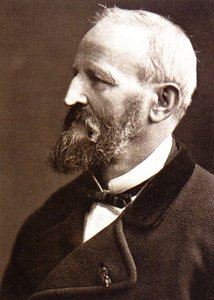
Karl Bodmer
1809 - 1893 , Suiza
Datos clave
- Estilo Artístico: Romanticismo
- Lugar De Nacimiento: Zúrich, Suiza
- Nacionalidad: Suizo-Francés
- Nombre Completo: Karl Bodmer
- Obras Notables:
- Mujer Dacota y Niña Assiniboin
- La Isla de Schwanau
- Teiresias predice a Odiseo
Artículos relacionados
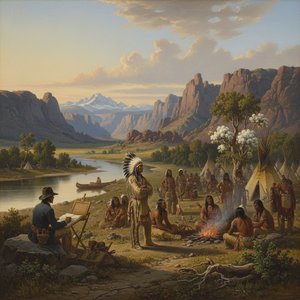
Karl Bodmer: Capturing Indigenous Life & Landscapes of the American West
Explore the captivating art of Karl Bodmer, whose detailed paintings documented Indigenous life along the Missouri River in the 19th century. Discover his legacy and lasting impact on Western art history.

Ephemeral Visions: Exploring the Artistic Legacy & Nuances of Watercolor Painting
Explore the captivating world of watercolor painting! Discover its rich history, essential techniques, influential artists & collecting tips from art experts. A comprehensive guide for enthusiasts.

Acuarelas Legendarias: 10 Obras Maestras que Transformaron el Arte | OriginalUniqueArt
Descubre 10 acuarelas legendarias de Turner, Monet y Sargent que revolucionaron el arte. Explora la historia, técnica y belleza de estas obras maestras impresionistas y románticas. Reproducciones de museo en OriginalUniqueArt.com.

Visiones Efímeras: Historia y Resonancia Emocional de la Pintura Acuarela
Descubre la fascinante historia de la acuarela, desde sus orígenes hasta su expresión contemporánea. Explora técnicas, artistas clave como Paul Klee y encuentra reproducciones de alta calidad en OriginalUniqueArt.

Ephemeral Visions: Exploring the Artistic Legacy & Contemporary Practice of Watercolor Painting
Explore the captivating world of watercolor painting! Discover its rich history, essential techniques, influential artists & collecting tips. A comprehensive guide for art enthusiasts from OriginalUniqueArt.

