 Vista previa
 Compartir
 Compartir
 Ver detalles

 Descargar
 Ver similares
 Radiografía
 Presentación de diapositivas
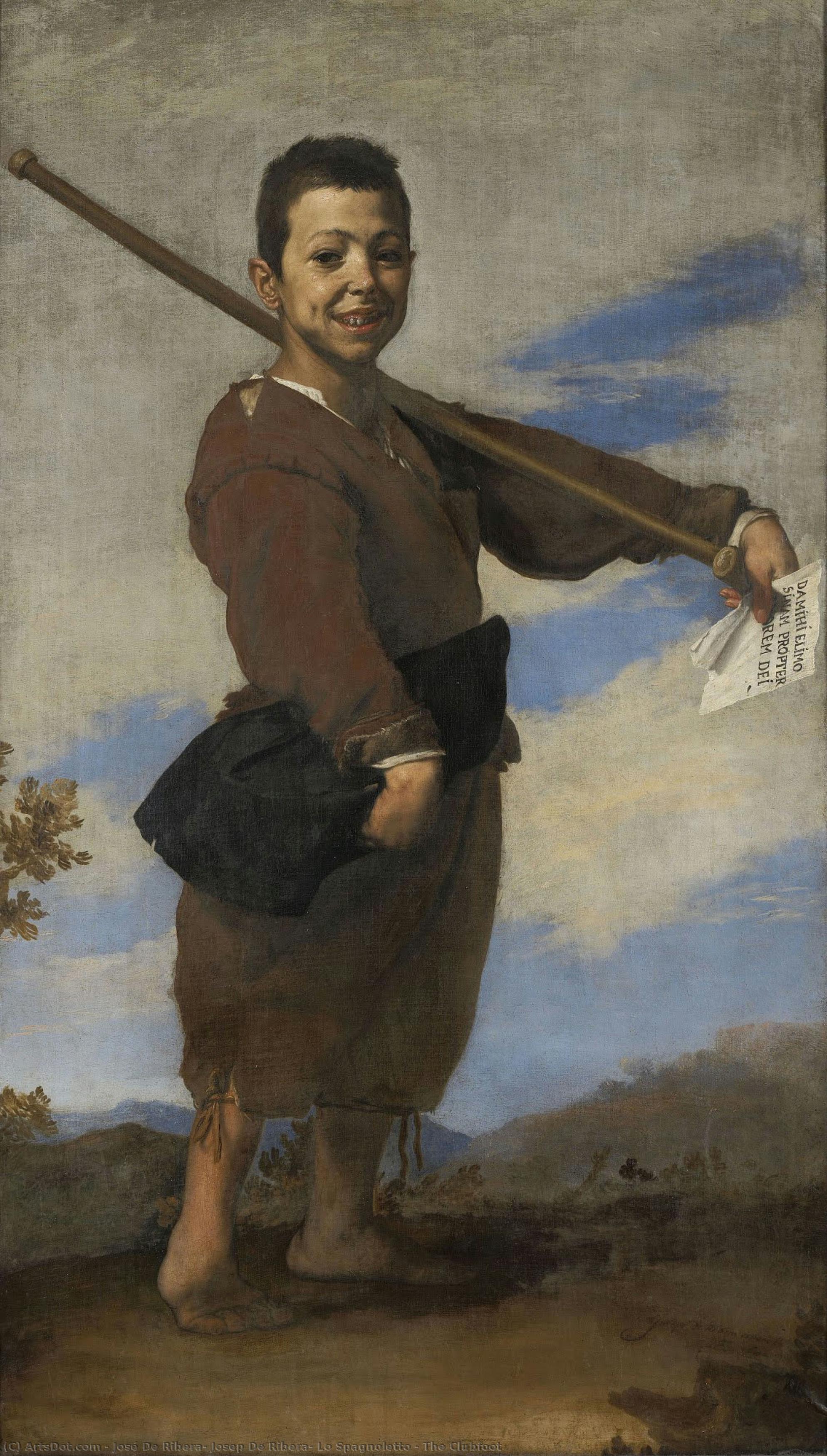
The Clubfoot
 Oil
Oil- WallArt
- Baroque
 Early Modern
 164.0 x 93.0 cm
 Grand Palais
 Leer más
Giclée / Impresión de arte
Impresiones giclée o en lienzo de calidad de museo con producción rápida y opciones de acabado flexibles. ( Encargar reproducción pintada a mano Comprar descarga)




P118B $10

P118H $10

P118W $10

P438Z $10

P508JH $12

P508YH $12

P805H $10

P805Z $10

P919BZ $10

P919G $10

P919XJ $10

P959ZH $10

P968JZ $12

W106C $8

W218G $10

W218JH $8

W218Y $10

W307PJ $10

W316G $10

W316PJ $8

W316Y $10

W398PJ $8

W4111J $10

W500HY $15

W500JH $15

W692G $12

W849H $8

W940BG $15

W953PJ $8




Elija entre nuestros tamaños predefinidos que respetan las proporciones originales de la obra.

Puede introducir sus propias dimensiones para adaptarse a un marco o espacio específico. Si el tamaño seleccionado no coincide con las proporciones de la imagen original, recortaremos la obra de arte o extenderemos la imagen con un borde con efecto espejo o de color sólido. Se enviará una maqueta digital para su aprobación antes de que comience la producción.
Tenga en cuenta que la vista previa en pantalla no refleja el recorte o la extensión real. Solo la maqueta mostrará con precisión la composición final.
Aunque existen tamaños personalizados, recomendamos seleccionar una dimensión de la lista predefinida para preservar las proporciones originales.
Envío a todo el mundo () en 2 semanas en lugar de las 4/5 semanas estándar. (20 agosto)

Envío exprés gratuito a todo el mundo

Lienzo de lino de alta calidad

Seguro de envío completo

Garantía de reembolso de aranceles aduaneros

Garantía de fidelidad cromática exacta

Política de devolución de 60 días (solo por defectos)

Garantía de devolución del 100% del dinero

Oferta por volumen
 La opción de vidrio solo está disponible en tamaños inferiores a 110 cm.

The Clubfoot
Giclée / Impresión de arte
Tamaño de la reproducción
-


Precio total
$ 80
Descripción de la pieza
A Masterpiece of Resilience: The Soul Within Ribera’s Shadows
In the profound stillness of Jusepe de Ribera’s “The Clubfoot,” one encounters more than a mere portrait; one meets a testament to the indomitable human spirit. Painted during the height of the Baroque era, this work serves as a breathtaking window into the artist's ability to find extraordinary dignity within the ordinary. The subject, a young man marked by physical deformity, gazes out with an expression that defies his circumstances. While the painting captures a moment of quietude, there is an underlying current of defiance and strength that vibrates through the canvas, inviting the viewer to look past the surface of physical limitation and into the depths of character.
Ribera, often affectionately known as Lo Spagnoletto, was a master of the Neapolitan school, a style defined by its raw, unvarnished truth. In this piece, his technical prowess is on full display through the masterful use of chiaroscuro. The dramatic interplay between deep, velvety shadows and piercing highlights creates a sculptural quality, making the flesh appear palpable and the textures of the clothing almost tactile. By employing impasto—the thick, expressive application of paint—Ribera lends a physical weight to the subject, ensuring that every wrinkle, every contour of the face, and every fold of fabric contributes to a sense of profound realism that was revolutionary for its time.
Symbolism and the Language of Defiance
Every element within the composition is heavy with narrative significance. The most striking feature is the object held firmly in the young man’s hand: a heavy wooden club, or bat. Far from being a mere incidental prop, this tool serves as a powerful visual metaphor for resistance. It represents the strength required to navigate a world that often overlooks those with disabilities. The contrast between the vulnerability suggested by his "clubfoot" and the sturdy, unyielding nature of the wood creates a poignant tension, suggesting that true power resides not in physical perfection, but in the will to endure and overcome.
The setting, bathed in an atmosphere that suggests the open air under a vast sky, provides a sense of liberation that contrasts with the heavy, earthbound reality of his condition. This juxtaposition of the celestial and the terrestrial is a hallmark of Ribera’s genius. For collectors and interior designers alike, this painting offers a sophisticated layer of meaning; it is a piece that commands attention not just through its aesthetic beauty, but through the intellectual and emotional dialogue it initiates with anyone who stands before it.
An Eternal Legacy for the Discerning Collector
To possess a reproduction of “The Clubfoot” is to bring a piece of art history’s most visceral era into a contemporary space. The painting’s ability to anchor a room with its dramatic lighting and somber, yet hopeful, tone makes it an ideal centerpiece for curated collections or high-end interior design projects. It speaks to a refined taste that values substance over superficiality and finds beauty in the authentic textures of life.
Whether placed in a quiet study, a grand gallery, or a modern living space, this work continues to perform its original function: to provoke thought, to stir empathy, and to celebrate the resilience of the human condition. It remains an enduring icon of the Baroque movement, reminding us that even in the deepest shadows, there is a light that cannot be extinguished.
Biografía del artista
Jusepe de Ribera (Lo Spagnoletto): Una Vida en el Drama Barroco
- Nacido: Xativa, España (1591)
- Fallecido: 1652
Jusepe de Ribera, también conocido como Lo Spagnoletto ("El Españolecito"), fue una figura clave en la pintura barroca española. Nacido en Valencia, España, en 1591, se hizo famoso por sus representaciones dramáticas e intensamente realistas de temas religiosos, martirios, retratos, bodegones y paisajes. Su carrera abarcó tanto España como Italia, siendo Nápoles su principal base artística durante gran parte de su vida.
Vida Temprana, Formación e Influencia Italiana
Los detalles tempranos de la vida de Ribera siguen siendo algo oscuros. Se cree que inicialmente se formó en Valencia antes de trasladarse a Italia alrededor de 1607. Su tiempo en Roma lo expuso a las obras de Caravaggio y Guido Reni, influyendo profundamente en su desarrollo artístico. Ribera absorbió el uso dramático de la luz y la sombra pionero por Caravaggio (tenebrismo) mientras incorporaba elementos de composición clásica de artistas como Reni. Esta síntesis resultó en un estilo único caracterizado por una intensa emotividad, un realismo austero y poderosas narrativas.
Obras Clave y Estilo Artístico
El legado artístico de Ribera se basa en una serie de obras convincentes que ejemplifican la estética barroca. Algunas de sus pinturas más celebradas incluyen:
- Martirio de San Bartolomé: Una representación brutal que muestra la maestría de Ribera en el tenebrismo y el realismo implacable.
- San Jerónimo y el Ángel: Demuestra un lado más suave y contemplativo, manteniendo su característico iluminación dramática.
- Martirio de San Andrés: Otro ejemplo poderoso de sus temas religiosos y la intensa representación emocional.
- Mujer Barbuda: Una obra notable que destaca su capacidad para capturar la forma humana con una precisión y emoción notables.
Su estilo es inmediatamente reconocible a través de:
- Tenebrismo: El uso dramático de fuertes contrastes entre luz y oscuridad, creando una sensación de drama e intensidad emocional acentuados.
- Realismo: El compromiso de Ribera con la representación de figuras con una precisión implacable, a menudo retratando imperfecciones y signos de edad o sufrimiento.
- Intensidad Emocional: Sus obras evocan emociones poderosas a través de las expresiones y los gestos de sus sujetos.
Desarrollo y Legado
La carrera de Ribera se puede dividir ampliamente en dos fases. Su trabajo anterior, fuertemente influenciado por Caravaggio, se caracteriza por un realismo más austero y un uso más dramático del tenebrismo. Más adelante en su carrera, particularmente después de establecerse permanentemente en Nápoles, su estilo evolucionó para incorporar colores más ricos, una iluminación más suave y composiciones más complejas. Si bien mantuvo los elementos centrales de su estética barroca, sus obras posteriores demuestran un mayor grado de refinamiento.
La influencia de Ribera se extendió más allá de España, impactando a artistas en toda Europa. Su innovador uso del tenebrismo y su realismo implacable establecieron un nuevo estándar para la pintura religiosa. Artistas como José de Ribera (un artista posterior influenciado por Jusepe) exploraron aún más estas técnicas. Hoy en día, las obras de Ribera se encuentran en prestigiosos museos de todo el mundo, incluido el Museo del Prado en España, la Galería Nacional de Arte en Washington D.C., y numerosas instituciones en Europa.
Significado Histórico
Jusepe de Ribera es una figura central en el arte barroco español, junto con Francisco de Zurbarán, Bartolomé Esteban Murillo y Diego Velázquez. Sus contribuciones al desarrollo del tenebrismo son innegables, y sus poderosas representaciones de temas religiosos continúan resonando con el público hoy en día. La colección de OriginalUniqueArt ofrece una visión general completa de su producción artística, permitiendo a los espectadores apreciar la totalidad de su talento y su legado perdurable.

Jusepe de Ribera
1591 - 1652 , España
Datos clave
- Artistas Influenciados: ['José de Ribera']
- Artistas Que Influyeron:
- Caravaggio
- Guido Reni
- Fecha De Fallecimiento: 3 noviembre 1652
- Fecha De Nacimiento: 17 febrero 1591
- Lugar De Nacimiento: Xativa, España
- Movimiento Artístico: Barroco español
- Nacionalidad: Española
- Nombre Completo: Jusepe de Ribera
- Obras Notables:
- Martirio de San Bartolomé
- San Jerónimo y el ángel
- Martirio de San Andrés
- Mujer barbuda
Artículos relacionados

The Dramatic Flourish: Exploring the Baroque Movement's Enduring Legacy in Art History
Explore the dramatic world of Baroque art! Discover iconic artists like Caravaggio & Rubens, defining techniques, and its lasting impact on art history. Expert insights for collectors & enthusiasts at OriginalUniqueArt.
Ilusionismo y Emoción en el Barroco: Una Transformación Dramática del Arte del Siglo XVII
Descubra la intensidad y el dramatismo del arte barroco. Explore Caravaggio, Ribera y Zurbarán, y comprenda cómo la Contrarreforma moldeó una era de pasión y realismo. Análisis experto en OriginalUniqueArt.

The Visceral Stage: Exploring Dramatic Narratives & Emotional Intensity in Baroque Art
Explore the dramatic world of Baroque art! Discover iconic masters like Caravaggio & Rembrandt, their techniques, and the movement's lasting impact. Expert insights for collectors & enthusiasts at OriginalUniqueArt.
Decoding Baroque Grandeur: A Guide to the Drama and Emotion of 17th-Century Art
Explore the breathtaking drama of 17th-century Baroque art. Our expert guide decodes the use of chiaroscuro, emotional intensity, and historical grandeur to help you appreciate and curate timeless masterpieces for your collection.

Chiaroscuro & Emotion: Capturing the Dramatic Soul of Baroque Art
Explore the profound drama of Baroque art. Discover how masters used chiaroscuro and intense emotion to capture the soul of the 17th century through light, shadow, and spiritual grandeur in this expert art history guide.