

 Vista previa
 Compartir
 Compartir
 Ver detalles

 Descargar
 Ver artículos similares
 Radiografía
 Presentación de diapositivas
 Estadísticas
Annunciation
 Acrylic On Canvas
- WallArt
- Romanticism
 1818
1818- 19th Century
 120.0 x 92.0 cm
 Nationalgalerie
 Leer más
Reproducción al óleo hecha a mano
Óleo sobre lienzo pintado a mano en el tamaño y marco de su elección, realizado por encargo por nuestros artistas. ( Cambiar a formato impreso Ver versión en imagen digital)




P118B $10

P118H $10

P118W $10

P438Z $10

P508JH $12

P508YH $12

P805H $10

P805Z $10

P919BZ $10

P919G $10

P919XJ $10

P959ZH $10

P968JZ $12

W106C $8

W218G $10

W218JH $8

W218Y $10

W307PJ $10

W316G $10

W316PJ $8

W316Y $10

W398PJ $8

W4111J $10

W500HY $15

W500JH $15

W692G $12

W849H $8

W940BG $15

W953PJ $8




Elija entre nuestros tamaños predefinidos que respetan las proporciones originales de la obra.

Puede ingresar sus propias dimensiones para adaptarse a un marco o espacio específico. Si el tamaño seleccionado no coincide con las proporciones de la imagen original, recortaremos la obra o extenderemos la pintura con elementos adicionales pintados a mano. Se le enviará una maqueta digital para su aprobación antes de comenzar la producción.
Tenga en cuenta que la vista previa en pantalla no refleja el recorte o la extensión reales. Solo la maqueta mostrará con precisión la composición final.
Si bien existen tamaños personalizados, recomendamos seleccionar una dimensión de la lista predefinida para preservar las proporciones originales.
Tras realizar el pedido, el equipo de OriginalUniqueArt.com enviará un correo electrónico al cliente para solicitar instrucciones y proporcionarle una vista previa del boceto.
Envío a todo el mundo () en 3-4 semanas en lugar de las 5 semanas estándar. (19 septiembre). Sin comprometer la calidad.

Envío exprés gratuito a todo el mundo

Lienzo de lino de alta calidad

Seguro de envío completo

Garantía de reembolso de impuestos aduaneros

Garantía de fidelidad cromática exacta

Política de devolución de 100 días (solo por defectos)

Garantía de devolución del 100% del dinero

Oferta por volumen
 La opción de vidrio solo está disponible en tamaños inferiores a 110 cm.

Annunciation
Técnica de reproducción
Tamaño de la reproducción
-


Precio total
$ 300
A Moment of Divine Grace: The Annunciation by Julius Schnorr von Carolsfeld
Julius Schnorr von Carolsfeld’s “Annunciation,” painted in 1818, isn't merely a depiction of a biblical scene; it’s an immersion into the serene beauty and intellectual rigor of the early Romantic era. This work, housed within the Albertinum museum in Dresden, stands as a testament to Schnorr’s deep engagement with both the artistic traditions of the past – particularly the meticulous detail of Renaissance masters – and his own distinctive vision. The painting immediately draws the viewer into a carefully constructed space, imbued with an atmosphere of quiet contemplation and profound spiritual significance. It's a scene brimming with symbolic weight, rendered with a remarkable blend of technical precision and emotional sensitivity.
The composition is anchored by Mary, seated in a simple yet elegant chair, her posture conveying both humility and receptive grace. Her hands are folded before her, not in prayer necessarily, but in an act of attentive listening – she’s the recipient of a momentous revelation. Above her, the angel Gabriel extends his hand, presenting the news of Christ's impending birth. The angel’s gesture is one of gentle authority, yet also of profound respect for Mary’s role as the Mother of God. Notice the careful rendering of the angel’s wings – not flamboyant or dramatic, but subtly feathered and integrated into the overall composition, suggesting a connection to the heavens without overwhelming the earthly scene.
Renaissance Roots, Romantic Expression
Schnorr von Carolsfeld was deeply influenced by the Nazarene movement, a group of artists who sought to revive the artistic principles of the Italian Renaissance. This influence is evident in the painting’s meticulous detail, its use of classical perspective, and its emphasis on idealized beauty. However, unlike some of his contemporaries, Schnorr didn't simply replicate the styles of the past; he infused them with a distinctly Romantic sensibility. The lighting, for example, is soft and diffused, creating a sense of ethereal tranquility. The color palette – dominated by muted earth tones, punctuated by delicate blues and golds – contributes to this atmosphere of serene contemplation.
Furthermore, Schnorr’s training in copying the drawings of John Flaxman, a prominent English neoclassical artist, instilled within him a deep appreciation for line and form. This is particularly evident in the rendering of Mary's face—a study in subtle expression, conveying both surprise and acceptance. The background, featuring a simple bench and vase, serves as a grounding element, anchoring the scene in a recognizable earthly realm while simultaneously hinting at the divine significance of the event unfolding.
Symbolism and Spiritual Resonance
Beyond its formal qualities, “Annunciation” is rich in symbolic meaning. The dove, often associated with the Holy Spirit, hovers above Mary’s head, a subtle reminder of God's presence and divine intervention. The architectural details – the bench, the vase – are not merely decorative; they represent earthly comforts and beauty, juxtaposed against the transcendent nature of the event being depicted. The painting speaks to themes of faith, humility, and the transformative power of grace. It’s a visual meditation on the moment when Mary first learned she would bear the Son of God.
A Timeless Masterpiece: Reproduction Possibilities
Reproductions of “Annunciation” offer an exceptional opportunity to bring this exquisite artwork into your home or office. Available in various sizes and mediums – including high-quality canvas prints, framed art prints, and even luxurious watercolor reproductions – these faithful representations capture the painting’s original beauty and detail with remarkable accuracy. Consider a canvas print for a dramatic statement piece, or a framed art print for a more subtle yet equally impactful addition to your décor. Whether you're an art enthusiast, a collector, or simply seeking a touch of timeless elegance, a reproduction of Schnorr von Carolsfeld’s “Annunciation” is sure to be a cherished treasure.
Biografía del artista
Julius Schnorr von Carolsfeld: Una Vida en el Arte y la Fe
- Nacido: Leipzig, Alemania (1794)
- Fallecido: 1872
- Movimiento: Movimiento Nazarreno
Primeros Años y Formación
Julius Schnorr von Carolsfeld nació en Leipzig, hijo de Veit Hanns Schnorr von Carolsfeld (1764–1841), un dibujante, grabador y pintor. Su padre le proporcionó su educación artística inicial. A los diecisiete años, Julius ingresó a la Academia de Bellas Artes de Viena, donde estudió bajo Friedrich Heinrich Füger. Este período fue significativo ya que coincidió con la expulsión de figuras como Johann Friedrich Overbeck, quienes más tarde formarían el núcleo del movimiento Nazarreno.
El Movimiento Nazarreno y el Período Romano
En 1815, Schnorr siguió a Overbeck y a otros a Roma, uniéndose al floreciente movimiento Nazarreno. Este grupo buscaba un retorno a lo que percibían como la pureza y los valores espirituales del arte del primer Renacimiento, rechazando las tendencias artísticas contemporáneas. Inicialmente influenciado por la pintura italiana del siglo XV, particularmente Fra Angelico, el estilo de Schnorr evolucionó hacia modelos más elaborados del Alto Renacimiento. Los Nazarrenos enfatizaron la pintura al fresco y el arte monumental, lo que llevó a la comisión de Schnorr para decorar el salón de entrada de Villa Massimo cerca del Laterano con frescos que ilustran obras de Ariosto.
Regreso a Múnich y Patronazgo Real
En 1825, Schnorr dejó Roma y se estableció en Múnich. Entró al servicio de Luis I de Baviera, convirtiéndose en una figura clave en la revitalización de la pintura mural dentro de la región. Una comisión significativa implicó decorar cinco salas del nuevo palacio (la Residencia) con frescos que ilustran el Nibelungenlied. Si bien inicialmente imaginaba un programa simbólico complejo que combinara temas históricos alemanes con escenas del Antiguo Testamento, esto finalmente fue limitado por Luis I, quien prefería un enfoque narrativo más directo. A pesar de esta limitación, la obra de Schnorr demostró su habilidad en composición y dibujo, aunque algunos críticos lo encontraron demasiado elaborado.
La "Biblia Pictorial" y los Últimos Años
La carrera posterior de Schnorr se caracterizó por su extensa “Biblia Pictorial”, publicada en Leipzig entre 1852 y 1860, seguida de una edición en inglés en 1861. Esta monumental obra comprendía numerosos dibujos que representaban escenas de la Biblia, reflejando la fe luterana de Schnorr y su amplia perspectiva teológica. Si bien fue admirada por su erudición, algunos críticos encontraron los dibujos complejos y carentes de armonía. También diseñó vidrieras, demostrando su versatilidad como artista. Las comisiones incluyeron diseños para la Catedral de Glasgow y la Catedral de San Pablo en Londres, aunque estos recibieron una recepción mixta, particularmente con respecto a su percibida desviación de la estética medieval tradicional.
Legado e Influencia
El legado de Julius Schnorr von Carolsfeld se basa en sus importantes contribuciones al movimiento Nazarreno y a su prolífica producción de arte religioso. Su "Biblia Pictorial" sigue siendo un logro notable en la ilustración bíblica, mientras que sus frescos y diseños de vidrieras reflejan su compromiso con la revitalización de las tradiciones artísticas históricas. Influyó en generaciones posteriores de artistas con su mezcla de Romanticismo y revivalismo renacentista.

Julius Schnorr von Carolsfeld
1794 - 1872 , Alemania
Datos clave
- Artistas Que Influyeron:
- Fra Angelico
- Johann Friedrich Overbeck
- Fecha De Fallecimiento: 24 de mayo de 1872
- Fecha De Nacimiento: 26 de marzo de 1794
- Lugar De Nacimiento: Leipzig, Alemania
- Movimiento Artístico: Nazareno y Romanticismo
- Nacionalidad: Alemán
- Nombre Completo: Julius Schnorr von Carolsfeld
- Obras Notables:
- La boda en Caná
- Frescos del Nibelungenlied
- Ilustraciones de la Biblia
Artículos relacionados

The Enduring Power of Painting: A Historical & Contemporary Exploration of Form and Emotion
Explore the rich history & enduring techniques of oil painting with OriginalUniqueArt. Discover masterpieces, learn about art collecting, and find authentic handmade reproductions crafted by skilled artists.

El Óleo sobre Lienzo: Historia, Técnica y la Persistencia de un Medio Artístico Atemporal
Descubre la historia y técnica del óleo sobre lienzo. Explora reproducciones fieles hechas a mano, personalización artística y consejos de expertos con OriginalUniqueArt. ¡Colecciona arte con confianza!

El Legado Duradero del Óleo sobre Lienzo: Técnica, Historia y Práctica Contemporánea
Descubre la historia y técnica del óleo sobre lienzo. Explora reproducciones fieles hechas a mano, personalización artística y consejos de expertos con .

The Enduring Legacy of Oil on Canvas: Technique, History & Aesthetic Impact
Explore the rich history & techniques of oil painting – from Renaissance masters to Impressionism. Discover pigments, layering methods, and why this timeless medium endures. Expert insights for artists & art enthusiasts.
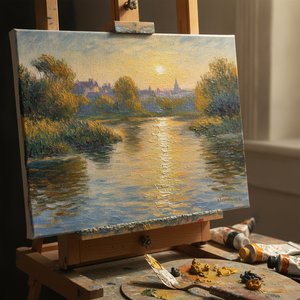
The Soul of Impressionism: Why Oil on Canvas Captures Eternal Light and Timeless Emotion
Discover the enchanting alchemy of Impressionism. Explore how the mastery of oil on canvas, through glazing and impasto, captures eternal light and emotion. Perfect for lovers of Monet and Van Gogh seeking the profound depth of hand-painted fine art.