

 Ver en contexto
 Enviar
 Compartir
 Detalles

 Descargar
 Similares
 Radiografía
 Presentación de diapositivas
 Estadísticas
Landscape with Cows
 Oil On Canvas
- WallArt
- Barbizon School
 1870
1870- 19th Century
 54.0 x 74.0 cm
 Museo del Hermitage
 Ver más
Reproducción al óleo hecha a mano
Óleo sobre lienzo pintado a mano en el tamaño y marco de su elección, realizado por encargo por nuestros artistas. ( Cambiar a Impresión Cambiar a imagen digital)




P118B $10

P118H $10

P118W $10

P438Z $10

P508JH $12

P508YH $12

P805H $10

P805Z $10

P919BZ $10

P919G $10

P919XJ $10

P959ZH $10

P968JZ $12

W106C $8

W218G $10

W218JH $8

W218Y $10

W307PJ $10

W316G $10

W316PJ $8

W316Y $10

W398PJ $8

W4111J $10

W500HY $15

W500JH $15

W692G $12

W849H $8

W940BG $15

W953PJ $8




Elija entre nuestros tamaños predefinidos que respetan las proporciones originales de la obra.

Puede ingresar sus propias dimensiones para adaptarse a un marco o espacio específico. Si el tamaño seleccionado no coincide con las proporciones de la imagen original, recortaremos la obra o extenderemos la pintura con elementos adicionales pintados a mano. Se le enviará una maqueta digital para su aprobación antes de comenzar la producción.
Tenga en cuenta que la vista previa en pantalla no refleja el recorte o la extensión reales. Solo la maqueta mostrará con precisión la composición final.
Si bien existen tamaños personalizados, recomendamos seleccionar una dimensión de la lista predefinida para preservar las proporciones originales.
Tras realizar el pedido, el equipo de OriginalUniqueArt.com enviará un correo electrónico al cliente para solicitar instrucciones y proporcionarle una vista previa del boceto.
Envío a todo el mundo () en 3-4 semanas en lugar de las 5 semanas estándar. (8 septiembre). Sin comprometer la calidad.

Envío exprés gratuito a todo el mundo

Lienzo de lino de alta calidad

Seguro de envío total

Garantía de reembolso de impuestos aduaneros

Garantía de fidelidad cromática exacta

Política de devolución de 100 días (solo por defectos)

Garantía de devolución del 100% del dinero

Descuento por cantidad
 La opción de vidrio solo está disponible en tamaños inferiores a 110 cm.

Landscape with Cows
Técnica de reproducción
Dimensiones de la reproducción
-


Precio total final
$ 300
A Dramatic Vision of Rural Tranquility: Jules Dupré’s Landscape With Cows
Jules Dupré's Landscape With Cows stands as a quintessential embodiment of the Barbizon School, an artistic movement that irrevocably shifted the focus of landscape painting away from idealized beauty towards raw observation and profound emotional resonance. Created in 1870, this oil on canvas masterpiece – measuring 54 x 74 cm – currently resides within the esteemed halls of The Hermitage museum in St. Petersburg, Russia, offering visitors a glimpse into a pivotal moment in French art history.Style and Technique: Embracing Darkness Within Light
Dupré’s artistic approach distinguishes him from his contemporaries like Corot who sought lyrical splendor; instead, he wrestled with the darker facets of nature—the tempestuous fury of storms, the melancholic grandeur of twilight – conveying these experiences with an intensity rarely matched. His masterful brushstrokes and meticulous attention to detail breathe life into the scene, capturing not merely what is seen but what is felt. The use of color is sonorous and resonant, favoring dramatic sunset effects and stormy skies as subjects for his paintings. Influenced by the burgeoning realism movement, Dupré’s technique prioritizes conveying emotion through accurate depiction. Notably, he skillfully manipulates light and shadow—a hallmark of Barbizon art—creating a palpable sense of depth and dimensionality that draws the viewer into the landscape. The soft hues of blue and gray dominate the palette, fostering a harmonious atmosphere that underscores the painting's overarching mood of serenity.Historical Context: The Barbizon School’s Influence
The Barbizon School flourished from 1830 to 1870, reacting against the academic conventions prevalent at the time. Artists like Rousseau and Millet championed an approach rooted in direct experience—spending extended periods outdoors studying nature—a radical departure from studio-bound artistic pursuits. This movement’s ethos profoundly impacted Dupré's oeuvre, shaping his vision of the natural world as a source of both beauty and sorrow. The painting reflects the broader intellectual currents of its era, mirroring a growing fascination with scientific observation alongside an appreciation for emotive expression.Key Features: A Symphony of Detail
The composition itself is carefully considered. Dominating the left side is a towering tree—its branches reaching upwards towards the heavens—rendered in shades of green and brown that subtly hint at autumn or winter. Beneath this arboreal sentinel lies a tranquil expanse populated by grazing cows, depicted with remarkable realism. The artist’s meticulous rendering captures not only their physical form but also their posture and movement, conveying a sense of peaceful coexistence within the landscape. Furthermore, the background hills roll gently beneath a sky adorned with clouds—painted in muted blues and grays—enhancing the painting's atmospheric quality and reinforcing its contemplative spirit.Symbolism: Beyond Representation
Landscape With Cows transcends mere visual representation; it speaks to deeper themes concerning humanity’s relationship with nature. The tree symbolizes resilience and permanence, anchoring the scene amidst the fleeting beauty of the pastoral landscape. Similarly, the cows embody simplicity and contentment—a counterpoint to the complexities of urban life. Dupré's deliberate use of color and light serves not only to depict the environment accurately but also to evoke emotions of tranquility and contemplation – mirroring the Barbizon School’s core artistic mission.Biografía del artista
El Alma Dramática de Barbizon
Jules Dupré (1811–1889) se erige como una figura fundamental dentro de la Escuela de Barbizon, un movimiento artístico que defendió la observación pura y la resonancia emocional en la pintura de paisaje. A diferencia de contemporáneos como Corot, quienes a menudo buscaban la belleza lírica y la quietud tranquila, Dupré luchaba con el lado más oscuro y tempestuoso de la naturaleza. Poseía una capacidad única para capturar la furia de las tormentas, la grandeza melancólica del crepúsculo y la energía implacable de los elementos, transmitiendo estas experiencias con una intensidad sin parangón. Nacido en Nantes, Francia, el viaje artístico de Dupré comenzó en medio de una creciente fascinación por el mundo natural y su capacidad para evocar sentimientos humanos profundos y, a menudo, turbulentos.
Su infancia sentó las bases de una meticulosa atención al detalle y un profundo aprecio por la artesanía, cualidades perfeccionadas gracias al negocio de fabricación de porcelana de su padre. Esta experiencia formativa se traduciría más tarde en sus propios empeños artísticos, siendo particularmente evidente en sus primeras obras donde exploraba las complejidades de la decoración cerámica. Como aprendiz de decorador de porcelana, aprendió la disciplina de las líneas finas y las texturas, un conjunto de habilidades que eventualmente evolucionaría hacia su magistral manejo de la profundidad atmosférica y las formas orgánicas.
Una Visión Forjada por la Tormenta y el Cielo
La trayectoria de la carrera de Dupré se vio irrevocablemente moldeada por su encuentro con los revolucionarios lienzos de John Constable. Esta exposición a las tradiciones del paisaje inglés encendió en él el deseo de capturar la esencia del dinamismo de la naturaleza: el vaivén implacable del follaje impulsado por el viento y el dramático juego de luces y sombras durante las horas más volátiles del día. Al viajar a Gran Bretaña en 1831, Dupré realizó profundos estudios de estos maestros ingleses, regresando a Francia con un portafolio de imágenes que redefinirían su enfoque del paisaje.
Encontró una inspiración particular en los distritos costeros de Southampton y Plymouth. Estas vastas extensiones de agua, que reflejaban cielos turbulentos, le proporcionaron el laboratorio perfecto para estudiar el movimiento tempestuoso de las nubes de tormenta y el vaivén de los mares. Sus pinturas de este período no son meras representaciones de paisajes; son expresiones viscerales de estado de ánimo y sentimiento, imbuidas de un sentido palpable de drama e incluso de pesar. Al abrazar la estética de Barbizon, Dupré priorizó paletas de colores expresivas y pinceladas audaces por encima de representaciones idealizadas o pulidas, permitiendo que la propia textura de la pintura reflejara la aspereza de la tierra.
El Legado del Maestro de Barbizon
Como figura clave del grupo de Barbizon, Dupré desarrolló vínculos estrechos con otros pintores legendarios, incluyendo a Théodore Rousseau. Su ascenso dentro del establecimiento artístico francés estuvo marcado por hitos significativos, como su aceptación en el Salón y el reconocimiento oficial mediante medallas por sus paisajes. Su obra se convirtió en sinónimo de una cierta armonía cromática sonora y resonante, donde la luz de un sol poniente o la penumbra de un vendaval inminente podían ser sentidos por el espectador tanto como vistos.
Hoy en día, Jules Dupré es recordado como uno de los paisajistas franceses más influyentes del siglo XIX. Su contribución al arte reside en su capacidad para tender un puente entre la observación pura y la emoción romántica. A través de obras como La Petite Charrette, Cows Crossing a Ford y sus evocadoras representaciones de paisajes fluviales, enseñó a generaciones de artistas que la naturaleza no es solo un sujeto para ser pintado, sino una fuerza poderosa para ser experimentada. Su legado permanece grabado en las texturas densas y atmosféricas y en los cielos dramáticos y vibrantes que continúan cautivando la imaginación moderna.

Jules Dupré
1811 - 1889 , Francia
Datos clave
- Artistic Movement Or Style: Barbizon School
- Artists Who Influenced This Artist: ['John Constable']
- Date Of Birth: Nantes, Francia (1811)
- Date Of Death: Octubre 6, 1889
- Full Name: Jules Louis Dupré
- Nationality: Francés
- Notable Artworks:
- Morning and Evening at the Louvre
- Crossing the Bridge in the Wallace Collection
- Place Of Birth: Francia
Artículos relacionados

Echoes of Rural Life: Art's Enduring Representations of the Countryside
Explore the rich history of rural life in art! Discover masterpieces from Millet to Mauve & beyond. Learn about Realism, Barbizon School & find inspiration for your home with OriginalUniqueArt.
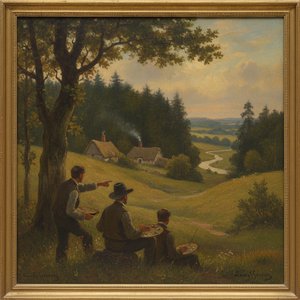
The Barbizon School: The Soulful Origins of Impressionism's Natural Light and Atmospheric Mastery
Discover the profound influence of the Barbizon School on Impressionism. Explore how these masters captured natural light and atmospheric beauty through plein air painting, paving the way for Monet and Renoir. A journey into the soulful origins of landscape art history.

La Escuela de La Haya: Realismo, Atmósfera y el Amanecer del Impresionismo Holandés
Descubre la Escuela de La Haya: el movimiento realista que revolucionó la pintura holandesa del siglo XIX. Analizamos a sus artistas clave, su técnica atmosférica y su influencia en el impresionismo. ¡Un viaje por el arte y la historia!
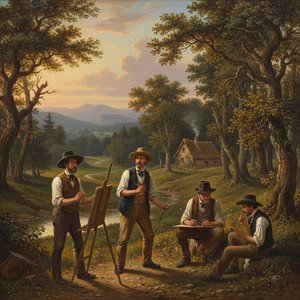
La Escuela de Barbizon: Pioneros del Realismo y la Visión Pastoral en la Pintura Francesa del Siglo XIX
Descubre la Escuela de Barbizon, pionera del realismo francés. Explora su historia, características clave, artistas destacados y el legado que dejó en la pintura moderna. Análisis experto y obras emblemáticas.
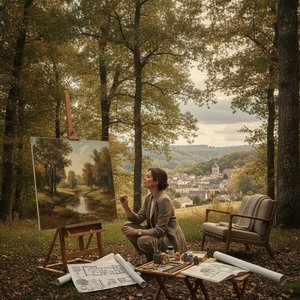
The Barbizon School: A Professional Guide to Naturalism and Landscape Mastery for Interior Designers
Explore the Barbizon School's mastery of naturalism. An expert guide for hotel designers and procurement managers on sourcing high-quality landscape reproductions to elevate hospitality and corporate interiors with authentic, large-scale fine art solutions.
