
 Ver en contexto
 Enviar
 Compartir
 Detalles

 Descargar
 Similares
 Radiografía
 Presentación de diapositivas
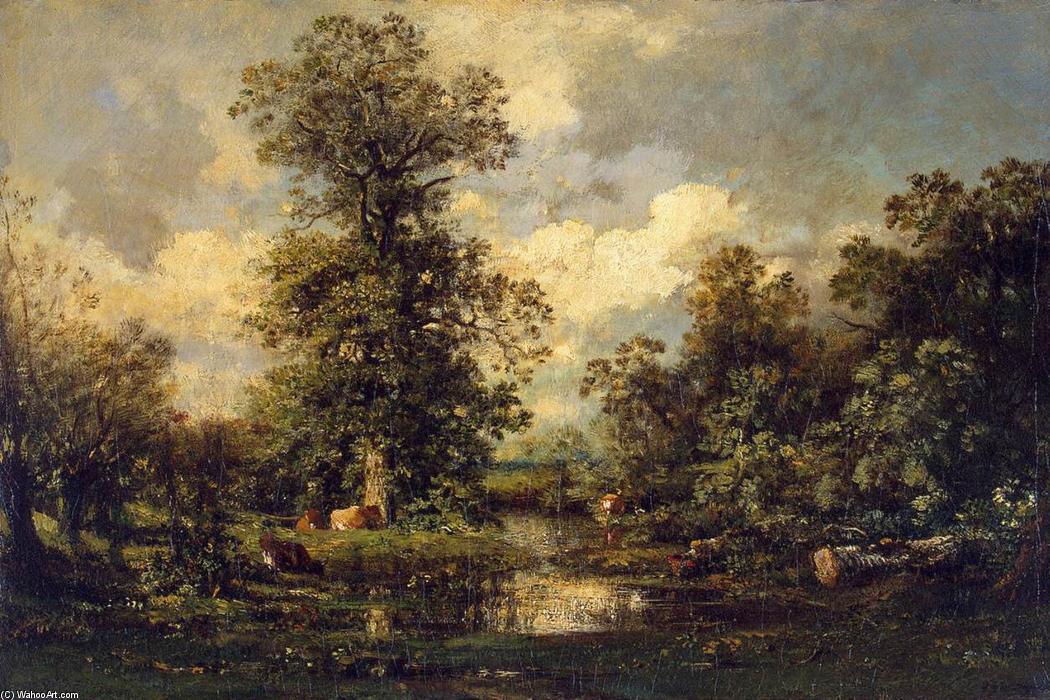
Forest Landscape
 Oil On Canvas
- WallArt
- Barbizon School
 1840
1840 39.0 x 58.0 cm
 Museo del Hermitage
 Ver más
Adquiera una imagen digital de alta resolución y optimizada, muy superior a la vista previa en línea.
Cada archivo es preparado meticulosamente por nuestros especialistas internos mediante el uso de herramientas avanzadas y un experto retoque manual. Nos aseguramos de que cada imagen posea una claridad excepcional, una precisión cromática impecable y un detalle minucioso.
El archivo final se entrega por correo electrónico en un plazo de 72 horas, optimizado para su uso inmediato en entornos profesionales, editoriales y de impresión. Esta es la misma calidad en la que confían los estudios de diseño, las editoriales y las galerías de primer nivel.
Imagen Digital
Descarga un archivo de alta resolución para exhibición personal, impresión y proyectos creativos. ( Comprar impresión Comprar pintura hecha a mano)
Incluido en cada pedido de imágenes digitales
Entrega digital experta, garantizada.
Al elegir OriginalUniqueArt.com, no solo está adquiriendo una imagen; está recibiendo una obra de arte digital mejorada profesionalmente, elaborada con precisión y respaldada por una garantía de satisfacción. Esto es todo lo que incluye su pedido, automáticamente:

Entrega rápida por email
Recibirá su archivo de imagen digital en alta resolución por correo electrónico en un plazo de 72 horas tras realizar su pedido, listo para su uso inmediato.

Archivo digital optimizado por IA
Su obra de arte se optimiza profesionalmente mediante herramientas avanzadas de IA y edición manual, garantizando el máximo detalle, claridad y precisión cromática.

Reenvío gratuito de por vida
¿Has borrado o perdido tu archivo por error? No te preocupes: te lo volveremos a enviar en cualquier momento, sin coste adicional.

Sin gastos de importación, siempre
Disfrute de su obra de arte al instante sin aduanas, aranceles ni gastos de envío; las descargas digitales siempre están libres de impuestos.

Garantía de fidelidad de color
Garantizamos que su imagen digital refleje los colores originales con la mayor fidelidad posible, mediante el uso de herramientas profesionales y gestión del color.

Garantía de satisfacción de 100 días
Si no está satisfecho con su imagen digital, la revisaremos o le reembolsaremos el 100% en un plazo de 100 días, sin preguntas.

100% Garantía de devolución de dinero
¿No está satisfecho? Obtenga un reembolso completo dentro de los 100 días posteriores a la recepción de su archivo digital, sin preguntas.

Descuentos por pedidos grandes
Compra 3 imágenes, ahorra 10% - Compra 5, ahorra 15% - Compra 10+, ahorra 20%. Ideal para proyectos creativos, galerías y agencias.
A Symphony of Earth and Sky: Unveiling Jules Dupré’s “Forest Landscape”
Jules Dupré's "Forest Landscape," painted in 1840, isn’t merely a depiction of trees; it’s an immersion into the heart of the Barbizon School’s philosophy – a profound reverence for nature rendered with raw emotion and meticulous observation. This oil on canvas, currently residing within the esteemed Hermitage Museum in St. Petersburg, transcends simple landscape painting, offering a glimpse into the soul of 19th-century France and the artist's deeply personal connection to the natural world.
The Barbizon School, emerging from the shadow of Romanticism, rejected the idealized landscapes favored by earlier generations. Instead, they sought truth in the everyday – the weathered bark of a tree, the dappled sunlight filtering through leaves, the subtle shifts in color that define a fleeting moment. Dupré embodies this ethos with remarkable clarity. He doesn’t strive for picturesque beauty; he presents the forest as it *is*, imbued with a sense of quiet drama and timelessness. The composition is anchored by a winding river, its surface mirroring the sky above – a clever device that blurs the boundaries between earth and heavens, suggesting an infinite expanse.
Decoding the Palette: Earth Tones and Emotional Resonance
Dupré’s masterful use of color is central to the painting's impact. He eschews bright hues in favor of a rich tapestry of earthy tones – deep greens, browns, ochres, and subtle blues – creating an atmosphere of profound tranquility and introspection. These aren’t merely colors; they are textures, evoking the dampness of moss, the roughness of bark, and the muted light of a forest floor. Notice how he employs loose brushstrokes, allowing the paint to flow freely across the canvas, capturing the movement of branches in the wind and the dappled patterns of sunlight. This technique contributes significantly to the painting’s sense of immediacy and vitality.
The sky itself is a study in atmospheric perspective – a swirling blend of clouds rendered with delicate washes of blue and gray. These aren't static formations; they seem to shift and change, mirroring the ever-changing moods of nature. The light filtering through these clouds casts a gentle illumination on the landscape below, highlighting the play of light and shadow in the foliage and along the river’s edge – creating an illusion of depth and volume that draws the viewer into the scene.
A Window to the Barbizon: Context and Symbolism
To fully appreciate “Forest Landscape,” it's crucial to understand its historical context. The Barbizon School, centered around the Forest of Fontainebleau, rejected the Parisian Salon’s emphasis on academic art and sought inspiration directly from nature. Artists like Dupré, Corot, and Millet spent countless hours observing and painting outdoors, capturing the essence of rural life and the beauty of the French countryside. Dupré's work is often interpreted as a reflection of his own emotional state – a yearning for simplicity, solitude, and connection with the natural world.
Symbolically, the forest itself represents a realm of mystery and introspection. It’s a place where one can escape the pressures of society and connect with something larger than oneself. The winding river serves as a metaphor for the flow of life – its constant movement reminding us to embrace change and accept the inevitable passage of time. The painting, therefore, is not simply a representation of a forest; it’s an invitation to contemplate our place within the grand scheme of nature.
Bringing “Forest Landscape” Home: Reproductions and Artistic Legacy
Handmade oil painting reproductions of this beautiful work are now available for purchase at OriginalUniqueArt.com, offering a tangible connection to Dupré’s artistic vision. Whether adorning your living room wall or serving as a focal point in a serene bedroom, “Forest Landscape” will undoubtedly evoke feelings of peace, tranquility, and wonder. Its timeless appeal ensures that it will remain a cherished addition to any art collection for generations to come.
Biografía del artista
El Alma Dramática de Barbizon
Jules Dupré (1811–1889) se erige como una figura fundamental dentro de la Escuela de Barbizon, un movimiento artístico que defendió la observación pura y la resonancia emocional en la pintura de paisaje. A diferencia de contemporáneos como Corot, quienes a menudo buscaban la belleza lírica y la quietud tranquila, Dupré luchaba con el lado más oscuro y tempestuoso de la naturaleza. Poseía una capacidad única para capturar la furia de las tormentas, la grandeza melancólica del crepúsculo y la energía implacable de los elementos, transmitiendo estas experiencias con una intensidad sin parangón. Nacido en Nantes, Francia, el viaje artístico de Dupré comenzó en medio de una creciente fascinación por el mundo natural y su capacidad para evocar sentimientos humanos profundos y, a menudo, turbulentos.
Su infancia sentó las bases de una meticulosa atención al detalle y un profundo aprecio por la artesanía, cualidades perfeccionadas gracias al negocio de fabricación de porcelana de su padre. Esta experiencia formativa se traduciría más tarde en sus propios empeños artísticos, siendo particularmente evidente en sus primeras obras donde exploraba las complejidades de la decoración cerámica. Como aprendiz de decorador de porcelana, aprendió la disciplina de las líneas finas y las texturas, un conjunto de habilidades que eventualmente evolucionaría hacia su magistral manejo de la profundidad atmosférica y las formas orgánicas.
Una Visión Forjada por la Tormenta y el Cielo
La trayectoria de la carrera de Dupré se vio irrevocablemente moldeada por su encuentro con los revolucionarios lienzos de John Constable. Esta exposición a las tradiciones del paisaje inglés encendió en él el deseo de capturar la esencia del dinamismo de la naturaleza: el vaivén implacable del follaje impulsado por el viento y el dramático juego de luces y sombras durante las horas más volátiles del día. Al viajar a Gran Bretaña en 1831, Dupré realizó profundos estudios de estos maestros ingleses, regresando a Francia con un portafolio de imágenes que redefinirían su enfoque del paisaje.
Encontró una inspiración particular en los distritos costeros de Southampton y Plymouth. Estas vastas extensiones de agua, que reflejaban cielos turbulentos, le proporcionaron el laboratorio perfecto para estudiar el movimiento tempestuoso de las nubes de tormenta y el vaivén de los mares. Sus pinturas de este período no son meras representaciones de paisajes; son expresiones viscerales de estado de ánimo y sentimiento, imbuidas de un sentido palpable de drama e incluso de pesar. Al abrazar la estética de Barbizon, Dupré priorizó paletas de colores expresivas y pinceladas audaces por encima de representaciones idealizadas o pulidas, permitiendo que la propia textura de la pintura reflejara la aspereza de la tierra.
El Legado del Maestro de Barbizon
Como figura clave del grupo de Barbizon, Dupré desarrolló vínculos estrechos con otros pintores legendarios, incluyendo a Théodore Rousseau. Su ascenso dentro del establecimiento artístico francés estuvo marcado por hitos significativos, como su aceptación en el Salón y el reconocimiento oficial mediante medallas por sus paisajes. Su obra se convirtió en sinónimo de una cierta armonía cromática sonora y resonante, donde la luz de un sol poniente o la penumbra de un vendaval inminente podían ser sentidos por el espectador tanto como vistos.
Hoy en día, Jules Dupré es recordado como uno de los paisajistas franceses más influyentes del siglo XIX. Su contribución al arte reside en su capacidad para tender un puente entre la observación pura y la emoción romántica. A través de obras como La Petite Charrette, Cows Crossing a Ford y sus evocadoras representaciones de paisajes fluviales, enseñó a generaciones de artistas que la naturaleza no es solo un sujeto para ser pintado, sino una fuerza poderosa para ser experimentada. Su legado permanece grabado en las texturas densas y atmosféricas y en los cielos dramáticos y vibrantes que continúan cautivando la imaginación moderna.

Jules Dupré
1811 - 1889 , Francia
Breves datos
- Artistic Movement Or Style: Barbizon School
- Artists Who Influenced This Artist: ['John Constable']
- Date Of Birth: Nantes, Francia (1811)
- Date Of Death: Octubre 6, 1889
- Full Name: Jules Louis Dupré
- Nationality: Francés
- Notable Artworks:
- Morning and Evening at the Louvre
- Crossing the Bridge in the Wallace Collection
- Place Of Birth: Francia