

 Ver en contexto
 Enviar
 Compartir
 Detalles
 Guía
Guía

 Descargar
 Similares
 Radiografía
 Presentación de diapositivas
 Estadísticas
Pas Mèche


 Ver más
Giclée / Impresión de arte
Impresiones giclée o en lienzo de calidad de museo con producción rápida y opciones de acabado flexibles. ( Comprar pintura hecha a mano Cambiar a imagen digital)




P118B €10

P118H €10

P118W €10

P438Z €10

P508JH €12

P508YH €12

P805H €10

P805Z €10

P919BZ €10

P919G €10

P919XJ €10

P959ZH €10

P968JZ €12

W106C €8

W218G €10

W218JH €8

W218Y €10

W307PJ €10

W316G €10

W316PJ €8

W316Y €10

W398PJ €8

W4111J €10

W500HY €15

W500JH €15

W692G €12

W849H €8

W940BG €15

W953PJ €8




Elija entre nuestros tamaños predefinidos que respetan las proporciones originales de la obra.

Introduzca el ancho y el alto que necesite para adaptarse a su marco o pared. Una impresión solo puede recortarse, nunca hacerse más grande que la imagen original, por lo que un tamaño con una forma distinta perderá parte de la obra. Le enviaremos una maqueta digital para su aprobación antes de realizar cualquier impresión. La imagen que se muestra en esta página no refleja el recorte real; solo la maqueta lo hace.
Envío a todo el mundo () en 2 semanas en lugar de las 4/5 semanas estándar. (26 octubre)

Envío exprés gratuito a todo el mundo

Lienzo de lino de alta calidad

Seguro de envío total

Garantía de reembolso de aranceles aduaneros

Garantía de fidelidad cromática exacta

Política de devolución de 100 días (solo por defectos)

Garantía de devolución del 100% del dinero

Descuento por cantidad
 La opción de vidrio solo está disponible en tamaños inferiores a 110 cm.

Pas Mèche
Giclée / Impresión de arte
Dimensiones de la reproducción
-


Precio total final
€ 70
A Moment of Rural Grace: Jules Bastien-Lepage’s *Pas Mèche*
Jules Bastien-Lepage's 1882 painting, *Pas Mèche* (which translates to "No Comb"), offers a poignant glimpse into the heart of rural France at the close of the 19th century. This captivating portrait of a young boy with a fishing rod is more than just a depiction of childhood; it’s a carefully constructed meditation on authenticity, connection to the land, and the fleeting beauty of everyday life – hallmarks of Bastien-Lepage's pioneering Naturalism.
- Subject Matter: The central figure, a boy seemingly lost in his task, embodies the spirit of youthful engagement with nature. His determined posture and grip on the fishing rod speak to an unburdened joy and a deep connection to the surrounding environment.
- Setting & Context: The painting’s location – a roadside pathway near what appears to be a village – immediately grounds the scene in a specific time and place. This was a period of significant social change in France, with artists like Bastien-Lepage striving to capture the realities of rural life before it disappeared entirely.
- The Artist’s Vision: Bastien-Lepage's approach aligns perfectly with the Naturalist movement, rejecting idealized representations and instead focusing on honest, unvarnished portrayals of ordinary people and their surroundings. He sought to depict not just what he *saw*, but what he *felt* about what he saw.
Technical Brilliance: Bastien-Lepage’s Naturalist Style
Bastien-Lepage was renowned for his meticulous technique, a blend of Realism and Impressionistic influences that resulted in remarkably detailed yet luminous paintings. He employed a layered approach to painting, building up thin glazes of color to achieve subtle tonal variations and an almost velvety texture. Notice the careful rendering of light and shadow, particularly on the boy’s jacket and the fishing rod – details that contribute significantly to the work's realism.
- Color Palette: The painting utilizes a restrained yet harmonious color palette dominated by earthy tones—ochres, browns, and greens—reflecting the natural environment.
- Brushwork: His brushstrokes are controlled and precise, contributing to the overall sense of stillness and quiet contemplation. He avoided broad, visible strokes characteristic of some Impressionists, favoring a more deliberate and considered approach.
- Light & Shadow: Bastien-Lepage’s masterful use of light creates a strong sense of depth and volume, further enhancing the realism of the scene.
Symbolism and Emotional Resonance
*Pas Mèche* transcends a simple portrait; it carries significant symbolic weight. The boy's solitary activity represents a connection to tradition, a rejection of modern distractions, and an appreciation for the simple pleasures of life. The inclusion of other villagers in the background subtly reinforces this theme of community and shared experience.
- The Fishing Rod: More than just a tool, the fishing rod symbolizes patience, perseverance, and a connection to the natural world – values central to Bastien-Lepage’s philosophy.
- Youth & Innocence: The boy's youthful appearance evokes feelings of innocence, vulnerability, and hope.
- Nostalgia & Loss: Given Bastien-Lepage’s tragically short life, the painting can also be interpreted as a poignant reflection on lost opportunities and the fleeting nature of beauty.
A Timeless Masterpiece – Perfect for Your Collection
This hand-painted reproduction captures the essence of Jules Bastien-Lepage's artistic genius, offering a stunning addition to any art collection or interior design scheme. Its evocative subject matter and masterful technique make it a timeless piece that will continue to captivate viewers for generations to come. Whether you are an admirer of Naturalism, a collector of French Impressionist works, or simply seeking a beautiful and inspiring artwork, *Pas Mèche* is sure to exceed your expectations. OriginalUniqueArt offers museum-quality reproductions meticulously crafted to faithfully replicate the original’s beauty and detail.
Preguntas y respuestas
¿Qué sensación transmiten los colores de "Pas Mèche" de Jules Bastien-Lepage?
La paleta Earthy de "Pas Mèche" de Jules Bastien-Lepage armoniza con su tono emocional Reflective. El color es una de las formas en que una obra transmite sentimiento.
¿En qué técnica está ejecutada "Pas Mèche" de Jules Bastien-Lepage?
"Pas Mèche" está realizada en Oil On Canvas.
¿Dónde y para qué uso se recomienda "Pas Mèche"?
Se sugiere "Pas Mèche" para Reflective, y el espacio recomendado es un Living Room.
Biografía del artista
Jules Bastien-Lepage: Pionero del Naturalismo
- Nacido: Damvillers, Francia (1848)
- Fallecido: 1884
Jules Bastien-Lepage fue un pintor francés estrechamente asociado con el inicio del naturalismo, un estilo artístico que surgió del movimiento realista y allanó el camino para el desarrollo del impresionismo. Sus representaciones al aire libre de la vida campesina en el campo fueron muy influyentes en muchos artistas internacionales.
Vida Temprana y Formación
Bastien-Lepage nació en 1848 en el pueblo de Damvillers, Meuse, donde pasó su infancia. Comenzó su formación artística bajo la tutela de su padre, que también era artista, antes de trasladarse a París en 1867 para estudiar en la École des Beaux-Arts. Allí, trabajó con Alexandre Cabanel y desarrolló sus habilidades como pintor.
Estilo Artístico e Influencias
El estilo de Bastien-Lepage se caracteriza por intrincados trazos y una paleta pura bañada con cálida luz natural. Se centró principalmente en los suburbios occidentales de París, pintando al aire libre siguiendo la tradición del plein air. Su obra estuvo influenciada por el movimiento realista, pero también sacó inspiración de otros artistas, como George Clausen y Tom Roberts.
- Características Clave: Trazos intrincados, paleta pura, cálida luz natural, pintura al aire libre (plein air).
- Influencias: Movimiento Realista, George Clausen, Tom Roberts.
Obras Principales y Reconocimiento
Bastien-Lepage logró un temprano éxito en 1874 con su pintura "Retrato de mi Abuelo", que obtuvo el reconocimiento de la crítica y recibió una medalla de tercer grado. También ganó renombre por sus pinturas históricas, incluyendo “Juana de Arco”, ahora expuesta en el Musée d'Orsay de París.
- Obras Notables:
- "Retrato de mi Abuelo" (1874)
- “Juana de Arco” (Musée d’Orsay, París)
- "Segando el Heno" (Les Foins) – reconocido como líder de la emergente escuela naturalista.
- "En Octubre - recolectando patatas"
- "A la Hora de la Cosecha"
- "Laura, Lady Alma Tadema"
- "Sarah Bernhardt" (1879) – un retrato que le valió importantes encargos.
- "Paisaje con carbón, invierno"
Tras el éxito de "Segando el Heno", Bastien-Lepage fue reconocido como líder de la emergente escuela naturalista. En 1883, un crítico podía proclamar que “todo el mundo pinta tanto hoy en día como m. bastien-lepage que m. bastien-lepage parece pintar como todo el mundo”. Esta fama le valió importantes encargos, incluido un retrato de Sarah Bernhardt en 1879.
Naturalismo y Legado
El naturalismo fue un movimiento artístico que surgió como reacción a la revolución industrial y su impacto en la sociedad. Representaba a la clase trabajadora y a los pobres, centrándose en sus luchas y dificultades. El movimiento comenzó en Francia y se extendió por Europa, convirtiéndose en un estilo artístico ampliamente reconocido.
- Significado: Bastien-Lepage fue una figura significativa en el desarrollo del naturalismo y el impresionismo. Sus pinturas continúan siendo celebradas por su belleza y profundidad emocional, y su influencia puede verse en muchos artistas que le siguieron.

Jules Bastien-Lepage
1848 - 1884 , Francia
Datos clave
- Artistas Influenciados: ['Impresionismo']
- Artistas Que Influyeron:
- Alexandre Cabanel
- George Clausen
- Tom Roberts
- Fecha De Nacimiento: 1848
- Lugar De Nacimiento: Damvillers, Francia
- Movimiento Artístico: Naturalismo, Realismo
- Nacionalidad: Francés
- Nombre Completo: Jules Bastien-Lepage
- Obras Notables:
- Retrato de mi abuelo
- Juana de Arco
- Segando heno (Les Foins)
- Sarah Bernhardt
Artículos relacionados
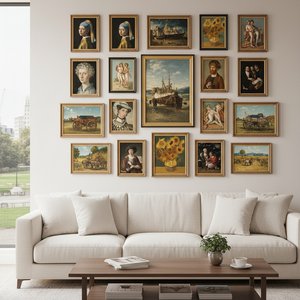
25 Obras Maestras de la National Gallery, Londres: Arte, Historia y Decoración Exclusiva
Descubre 25 obras maestras de la National Gallery, Londres. Explora la historia y el significado de Van Gogh, Monet, Leonardo da Vinci y más. Encuentra reproducciones de arte exclusivas para decorar tu hogar con estilo en OriginalUniqueArt.com.
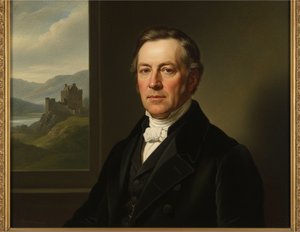
Henry Raeburn: A Scottish Portraitist's Mastery of Light, Character & National Identity
Explore the life & work of Henry Raeburn, a master Scottish portraitist. Discover his innovative techniques, captivating portraits of the Enlightenment era, and lasting legacy in art history. Learn more at OriginalUniqueArt.
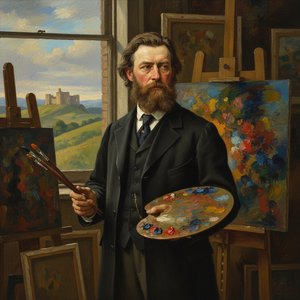
George Paul Chalmers: Rediscovering the Angus Rembrandt & Scottish Colourist Roots
Explore the captivating world of George Paul Chalmers (1833-1878), a pivotal Scottish painter. Discover his landscapes, portraits & connection to the Aesthetic Movement and Colourists. Learn about this 'Angus Rembrandt's' legacy with OriginalUniqueArt.

William Brassey Hole: A Victorian Master of Narrative Watercolour & Scottish Life
Explore the captivating paintings of William Brassey Hole, a Victorian master renowned for his dramatic biblical scenes, Scottish landscapes & industrial life. Discover his technique and lasting legacy.
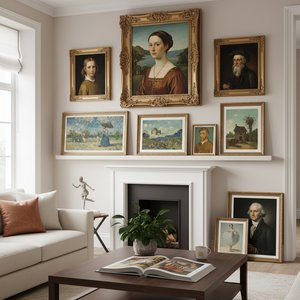
Las 25 Obras Maestras del National Gallery of Art: Arte, Historia y Decoración Exclusiva
Descubre las 25 obras maestras del National Gallery of Art, Washington. Explora la historia de Cézanne, Matisse, Picasso y más. Encuentra reproducciones de arte exclusivas e ideas para decorar tu hogar con lienzos inolvidables en OriginalUniqueArt.com.


