
 Vista previa
 Compartir
 Compartir
 Ver detalles

 Descargar
 Ver similares
 Radiografía
 Presentación de diapositivas
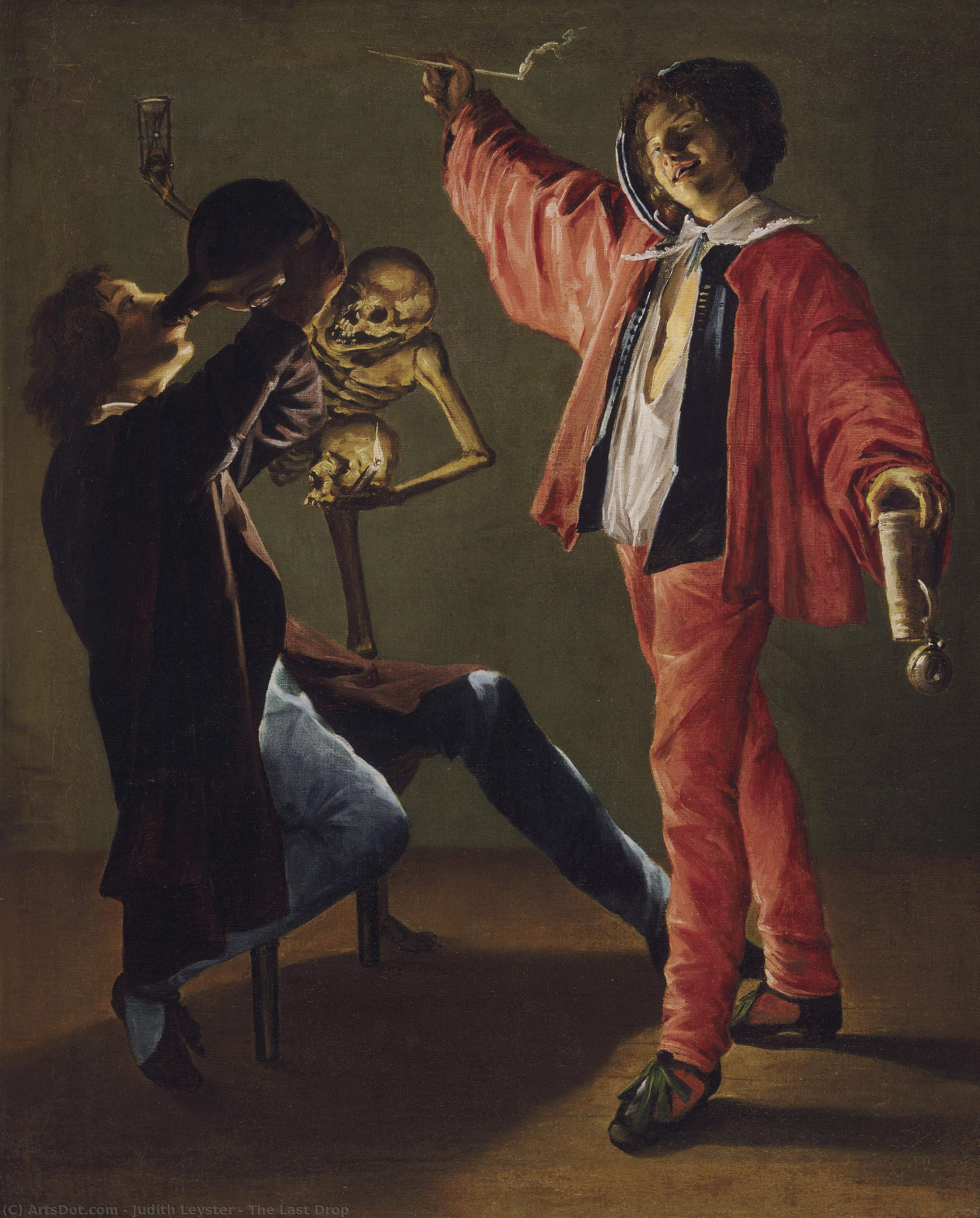
The Last Drop
 Oil On Canvas
- WallArt
- Baroque
 1629
1629 89.0 x 74.0 cm
 Philadelphia Art Museum
 Leer más
Giclée / Impresión de arte
Impresiones giclée o en lienzo de calidad de museo con producción rápida y opciones de acabado flexibles. ( Encargar reproducción pintada a mano Comprar descarga)




P118B $10

P118H $10

P118W $10

P438Z $10

P508JH $12

P508YH $12

P805H $10

P805Z $10

P919BZ $10

P919G $10

P919XJ $10

P959ZH $10

P968JZ $12

W106C $8

W218G $10

W218JH $8

W218Y $10

W307PJ $10

W316G $10

W316PJ $8

W316Y $10

W398PJ $8

W4111J $10

W500HY $15

W500JH $15

W692G $12

W849H $8

W940BG $15

W953PJ $8




Elija entre nuestros tamaños predefinidos que respetan las proporciones originales de la obra.

Puede introducir sus propias dimensiones para adaptarse a un marco o espacio específico. Si el tamaño seleccionado no coincide con las proporciones de la imagen original, recortaremos la obra de arte o extenderemos la imagen con un borde con efecto espejo o de color sólido. Se enviará una maqueta digital para su aprobación antes de que comience la producción.
Tenga en cuenta que la vista previa en pantalla no refleja el recorte o la extensión real. Solo la maqueta mostrará con precisión la composición final.
Aunque existen tamaños personalizados, recomendamos seleccionar una dimensión de la lista predefinida para preservar las proporciones originales.
Envío a todo el mundo () en 2 semanas en lugar de las 4/5 semanas estándar. (17 agosto)

Envío exprés gratuito a todo el mundo

Lienzo de lino de alta calidad

Seguro de envío completo

Garantía de reembolso de aranceles aduaneros

Garantía de fidelidad cromática exacta

Política de devolución de 60 días (solo por defectos)

Garantía de devolución del 100% del dinero

Oferta por volumen
 La opción de vidrio solo está disponible en tamaños inferiores a 110 cm.

The Last Drop
Giclée / Impresión de arte
Tamaño de la reproducción
-


Precio total
$ 80
Descripción de la pieza
Judith Leyster’s “The Last Drop”: A Portrait of Ambiguity and Artistic Innovation
“The Last Drop,” painted in 1629 by Judith Jans Leyster, stands as a remarkable testament to the burgeoning artistic spirit of the Dutch Golden Age. This captivating baroque portrait delves into themes of intimacy, contemplation, and subtle psychological complexity—elements that continue to resonate with audiences today. Examining its stylistic choices, technical prowess, and historical significance unveils a deeper understanding of Leyster’s contribution to art history and her defiance of societal expectations for women artists.Style and Technique: Baroque Sensibility Meets Female Perspective
Leyster's style embodies the hallmarks of baroque painting—characterized by dramatic chiaroscuro (contrast between light and dark), opulent drapery, and meticulous attention to detail. However, unlike many male contemporaries who prioritized grand narratives and heroic figures, Leyster focused on capturing a moment of quiet repose within a domestic setting. The artist skillfully employs oil paint on canvas, layering translucent glazes to achieve luminous skin tones and conveying the velvety texture of fabrics with remarkable precision. Her brushstrokes are deliberate yet fluid, creating an illusion of depth and movement that draws the viewer into the scene. Notably, Leyster’s use of perspective subtly reinforces the intimacy of the portrait, positioning the figures within a confined space—a conscious decision reflecting the artistic conventions of her time while simultaneously asserting female agency.Historical Context: Challenging Gender Roles in Early Modern Art
Judith Leyster's career was fraught with obstacles due to prevailing prejudices against women pursuing professional artistic endeavors. Despite facing considerable resistance from the St Luke’s Guild, she persevered and achieved recognition as one of the era’s foremost painters—a feat that demanded exceptional talent and determination. “The Last Drop” emerges from a period marked by significant social upheaval, including religious reformation and burgeoning mercantile capitalism. The portrait reflects the humanist ideals prevalent during this time, emphasizing human emotion and psychological realism—a departure from earlier artistic traditions that prioritized idealized representations of saints or monarchs. Leyster’s success challenged conventional notions of femininity and demonstrated that women could excel in creative pursuits without compromising their moral integrity.Symbolism: Hints of Emotion Beneath Surface Calm
The composition itself is laden with symbolic significance. The two men depicted—likely Leyster's husband Willem van Hoorn and his son—are positioned close together, conveying a sense of familial connection and mutual affection. However, the man holding the pipe exudes an air of melancholy, suggesting introspection and perhaps unspoken anxieties. This subtle portrayal distinguishes Leyster’s work from more overtly celebratory portraits of the period. The inclusion of a skull—a common motif in baroque art representing mortality—serves as a poignant reminder of the fragility of human existence and underscores the painting's contemplative mood. Furthermore, the carefully arranged drapery contributes to the overall atmosphere of solemnity and reinforces the theme of inner reflection.Emotional Impact: Capturing Transient Moments of Human Experience
“The Last Drop” transcends mere visual representation; it aspires to evoke a profound emotional response in the viewer. Leyster’s masterful technique captures the fleeting expressions of emotion—the subtle nuances of gaze and posture—that define human experience. The painting invites contemplation on themes of love, loss, and remembrance, prompting viewers to consider the complexities of human relationships and the inevitability of death. Its enduring appeal lies in its ability to resonate with audiences across centuries, demonstrating Leyster’s profound understanding of psychology and her capacity to translate inner feelings into compelling visual imagery. The artwork's luminous palette and masterful rendering of texture contribute to its captivating beauty—a testament to Leyster’s artistic genius and her unwavering commitment to portraying the human condition with sensitivity and nuance.Biografía del artista
Primeros años y formación
Judith Jans Leyster, una pintora pionera, nació en julio de 1609 en Haarlem, Países Bajos. Fue la octava hija de Jan Willemsz Leyster, un fabricante de telas que más tarde se dedicó a la elaboración de cerveza. Aunque su formación no está bien documentada, se cree que aprendió pintura de Frans Pietersz de Grebber, un respetado artista con un taller en Haarlem.Carrera artística
Los primeros trabajos firmados conocidos de Leyster, Serenade y Jolly Topper, datan de 1629, cuando ella tenía tan solo veinte años. Para 1633, se convirtió en miembro del gremio de San Lucas de Haarlem, lo que la convirtió en una de las primeras artistas femeninas en formar parte de esta prestigiosa organización.Obras notables y colaboraciones
Entre las obras más destacadas de Leyster se encuentran:- El autorretrato (c. 1633), ahora en la National Gallery of Art, Washington, D.C., que pudo haber sido su pieza de presentación ante el gremio.
- Dos ilustraciones en un libro sobre tulipanes de 1643, que muestran su versatilidad.
- Un retrato de 1652 y un bodegón de 1654, descubiertos en una colección privada en el siglo XXI, demuestran su perdurable habilidad.
Legado y redescubrimiento
A pesar de haber sido muy apreciada por sus contemporáneos, la obra de Leyster fue en gran medida olvidada tras su muerte en 1660. No fue hasta 1893 que fue redescubierta, y los académicos comenzaron a atribuir correctamente sus obras. Hoy en día, sus pinturas son reconocidas como contribuciones significativas al Siglo de Oro neerlandés.- Explore más obras de Leyster en OriginalUniqueArt.com.
- Conozca sobre el Siglo de Oro neerlandés y sus artistas notables en Wikipedia.
- Descubra otras artistas femeninas de la época en la página del movimiento artístico del Siglo de Oro neerlandés.
Conclusión
La carrera pionera de Judith Jans Leyster como pintora en los Países Bajos del siglo XVII ha dejado una marca indeleble en la historia del arte. Su redescubrimiento y reconocimiento sirven como testimonio de su talento perdurable y de la percepción cambiante de las mujeres en el mundo del arte. Nombre del museo: National Gallery of Art, Washington, D.C.
Judith Jans Leyster
1609 - 1660 , Países Bajos
Datos clave
- Artistic Movement Or Style: Siglo de Oro neerlandés
- Artists Or Movements Influenced By This Artist: ['Caravaggisti']
- Artists Who Influenced This Artist:
- Frans Pietersz de Grebber
- Jan Miense Molenaer
- Date Of Birth: Julio 28, 1609
- Full Name: Judith Jans Leyster
- Nationality: Holandesa
- Notable Artworks:
- Serenade
- Jolly Topper
- Retrato
- Place Of Birth: Haarlem, Netherlands
Artículos relacionados

Reflejos de una Época Dorada: La Pintura Barroca Holandesa y la Innovación Cultural
Descubra la riqueza y el detalle de la pintura barroca holandesa del Siglo de Oro. Explore las obras maestras de Rembrandt, Vermeer y otros artistas clave. Análisis experto e historia cultural.

Golden Light & Dutch Skies: The Timeless Magic of Dutch Golden Age Landscapes
Discover the breathtaking beauty of Dutch Golden Age landscapes. Explore the mastery of light, chiaroscuro, and 17th-century realism through an expert art history lens, celebrating the enduring legacy of the Dutch Masters for discerning collectors and art lovers.

Los 10 Maestros del Siglo de Oro Holandés: Arte, Historia y Decoración Exclusiva
Descubre los 10 imprescindibles del Siglo de Oro Holandés: Rembrandt, Vermeer y más. Explora la historia, técnica y belleza de estos lienzos clásicos. Encuentra reproducciones de arte exclusivas para decorar tu hogar en .

Chiaroscuro and Character: A Definitive Guide to Light and Shadow in the Dutch Baroque Era
Explore the dramatic mastery of the Dutch Baroque era. Discover how masters like Rembrandt used chiaroscuro to transform everyday life into timeless art. An expert guide for collectors and enthusiasts seeking to understand the profound interplay of light and shadow.

Los 10 Maestros del Barroco Holandés: Obras que Definen una Época | OriginalUniqueArt
Descubre los 10 imprescindibles del Barroco holandés: Rembrandt, Vermeer y más. Explora la historia, técnica y belleza de estas obras maestras. Reproducciones de arte en OriginalUniqueArt.com para decorar tu hogar con elegancia.

