

 Ver en contexto
 Enviar
 Compartir
 Detalles

 Descargar
 Similares
 Radiografía
 Presentación de diapositivas
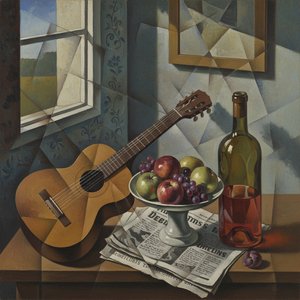
The Bottle


 Ver más
Giclée / Impresión de arte
Impresiones giclée o en lienzo de calidad de museo con producción rápida y opciones de acabado flexibles. ( Comprar pintura hecha a mano Comprar imagen)




P118B $10

P118H $10

P118W $10

P438Z $10

P508JH $12

P508YH $12

P805H $10

P805Z $10

P919BZ $10

P919G $10

P919XJ $10

P959ZH $10

P968JZ $12

W106C $8

W218G $10

W218JH $8

W218Y $10

W307PJ $10

W316G $10

W316PJ $8

W316Y $10

W398PJ $8

W4111J $10

W500HY $15

W500JH $15

W692G $12

W849H $8

W940BG $15

W953PJ $8




Elija entre nuestros tamaños predefinidos que respetan las proporciones originales de la obra.

Puede introducir sus propias dimensiones para adaptarse a un marco o espacio específico. Si el tamaño seleccionado no coincide con las proporciones de la imagen original, recortaremos la obra de arte o extenderemos la imagen con un borde con efecto espejo o de color sólido. Se enviará una maqueta digital para su aprobación antes de que comience la producción.
Tenga en cuenta que la vista previa en pantalla no refleja el recorte o la extensión real. Solo la maqueta mostrará con precisión la composición final.
Aunque existen tamaños personalizados, recomendamos seleccionar una dimensión de la lista predefinida para preservar las proporciones originales.
Envío a todo el mundo () en 2 semanas en lugar de las 4/5 semanas estándar. (2 septiembre)

Envío exprés gratuito a todo el mundo

Lienzo de lino de alta calidad

Seguro de envío total

Garantía de reembolso de impuestos aduaneros

Garantía de fidelidad cromática exacta

Política de devolución de 60 días (solo por defectos)

Garantía de devolución del 100% del dinero

Descuento por cantidad
 La opción de vidrio solo está disponible en tamaños inferiores a 110 cm.

The Bottle
Giclée / Impresión de arte
Dimensiones de la reproducción
-


Precio total final
$ 80
A Masterpiece of Synthetic Cubism
In the vibrant, experimental atmosphere of 1914 Paris, Juan Gris achieved a profound synthesis of reality and abstraction in his seminal work, The Bottle. This composition serves as a breathtaking testament to the era of papier collé, a technique that revolutionized the way artists approached the canvas. Unlike the more fragmented and austere approaches of his contemporaries, Picasso and Braque, Gris utilized a method that felt lush, deliberate, and deeply textured. The painting invites the viewer into a meticulously constructed world where the boundaries between everyday objects and artistic invention blur, creating a sense of organized chaos that is both intellectually stimulating and visually captivating.
The subject matter—a collection of bottles, a cup, and a clock—transcends mere still life. Through the clever use of layered papers and paint, Gris transforms mundane items into a complex architectural arrangement. The central bottle, bearing the name "Philip," acts as an anchor for the eye, its translucent brown tones suggesting the weight and depth of real glass. Surrounding it, the presence of other vessels and the rhythmic geometry of the clock create a dense, layered environment. This is not merely a depiction of objects; it is an exploration of how we perceive space and form through the intersection of different materials and textures.
The Alchemy of Paper and Paint
What distinguishes The Bottle is Gris’s unparalleled mastery of the papier collé technique. During a prolific eight-month period in 1914, Gris experimented with the hybrid medium of adhering diverse paper elements—ranging from newspaper clippings to patterned wallpapers—directly onto the canvas. This method allowed him to introduce "real" textures into the painted realm, challenging the traditional sanctity of oil painting. He did not simply paste shapes; he carefully planned each layer, using cut and matched pieces of paper to build a structural foundation that he would then outline, shade, and highlight with masterful precision.
This technique creates a fascinating tension between trompe l’oeil (deceiving the eye) and pure abstraction. While some elements mimic the appearance of physical depth and light, others remain resolutely flat and graphic. For the discerning collector or interior designer, this duality offers an incredible versatility. The work possesses a rhythmic, decorative quality that can anchor a modern room with its sophisticated geometry, yet it retains a profound historical weight that commands respect in any gallery setting.
A Legacy of Intellectual Beauty
Beyond its visual allure, The Bottle represents the intellectual climax of Gris’s exploration into Cubism. His background in engineering is evident in the structural integrity of the composition; every fragment feels essential to the whole. The work captures a specific moment in art history—the transition from the analytical deconstruction of objects to the synthetic reconstruction of new realities. It is a piece that rewards repeated viewing, as the eye discovers new intersections of color, shadow, and texture with every glance.
For those seeking to bring a piece of the Parisian avant-garde into their personal or professional spaces, a high-quality reproduction of this work offers more than just decoration. It provides an entry point into the revolutionary spirit of 1914. The painting’s rich palette of earth tones, punctuated by the sharp lines of newsprint and geometric forms, makes it an ideal centerpiece for sophisticated interiors that value historical depth, intellectual rigor, and the timeless beauty of the Cubist movement.
Biografía del artista
Juan Gris: Pionero del Cubismo
- Nacimiento: 23 de marzo de 1887, Madrid, España
- Fallecimiento: 11 de mayo de 1927
Primeros Años y Desarrollo Artístico
José Victoriano González-Pérez, conocido como Juan Gris, nació en Madrid, España. Su vida temprana incluyó estudiar ingeniería en la Escuela de Artes y Ciencias desde 1902 hasta 1904. Durante este tiempo, contribuyó con dibujos a publicaciones locales, demostrando una aptitud temprana para la representación visual. De 1904 a 1905, Gris estudió pintura con José Moreno Carbonero, desarrollando aún más sus habilidades artísticas. En 1905, adoptó el seudónimo Juan Gris, un nombre que se convertiría en sinónimo de su estilo distintivo.
Influencias Parisinas y el Ascenso del Cubismo
Un momento crucial en la carrera de Gris llegó en 1906 cuando se mudó a París. Este traslado lo expuso a una vibrante comunidad artística, donde se hizo amigo de figuras influyentes como Henri Matisse, Georges Braque y Fernand Léger. Fue profundamente influenciado por Pablo Picasso, inicialmente presentando ilustraciones humorísticas a revistas como *L'Assiette au Beurre*, *Le Rire*, *Le Charivari* y *Le Cri de Paris*. Alrededor de 1910, Gris comenzó a pintar seriamente, dedicándose a desarrollar un estilo cubista personal. Se alejó de la ilustración satírica hacia composiciones más abstractas.
Obras Clave y Estilo Artístico
La producción artística de Juan Gris se caracteriza por varias características clave:
- Claridad y Orden: Su obra enfatizaba la claridad y el orden, influyendo en el estilo purista defendido por Amédée Ozenfant y Charles Edouard Jeanneret (Le Corbusier).
- Estructura Geométrica: El "período cristalino" de Gris, ejemplificado en obras como *Naturaleza muerta frente a una ventana abierta* y *Place Ravignan* (1915), mostraba una fuerte estructura geométrica.
- Cubismo Sintético: Después de 1913, Gris abrazó el Cubismo Sintético, utilizando técnicas como papier collé o collage extensivamente. Esto implicaba incorporar materiales del mundo real en sus pinturas, agregando textura y profundidad.
Obras notables incluyen:
- Guitarra frente al mar (1925): Demuestra su simplicidad y adherencia a los principios cubistas.
- Homenaje a Pablo Picasso (1912): Su primera exposición en el Salon des Indépendants, un testimonio de su creciente reconocimiento dentro del mundo del arte.
Legado y Significado Histórico
La contribución de Juan Gris al Cubismo es significativa. Se movió más allá de la fase analítica anterior del movimiento hacia un enfoque más estructurado y sintético. Su énfasis en la claridad, las formas geométricas y la incorporación de objetos cotidianos en sus composiciones lo estableció como una figura líder en el arte del siglo XX. Su obra continúa siendo celebrada por su rigor intelectual y belleza estética, influyendo en generaciones posteriores de artistas.

Juan Gris
1887 - 1927 , España
Datos clave
- Artistas Que Influyeron:
- Pablo Picasso
- Georges Braque
- Henri Matisse
- Fecha De Fallecimiento: 11 de mayo de 1927
- Fecha De Nacimiento: 23 de marzo de 1887
- Influenciado Por:
- Amédée Ozenfant
- Charles Edouard Jeanneret
- Lugar De Nacimiento: Madrid, España
- Movimiento Artístico: Cubismo, Cubismo Sintético
- Nacionalidad: Española
- Nombre Completo: Juan Gris
- Obras Notables:
- Guitarra frente al mar
- Homenaje a Pablo Picasso
- Naturaleza muerta ante ventana
- Place Ravignan
- Frutero, vaso y periódico
Artículos relacionados
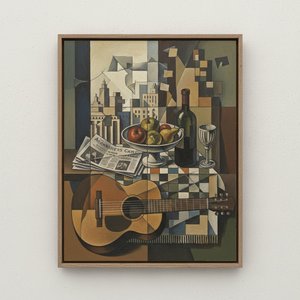
Juan Gris: Cubist Deconstruction & Synthesis – A Comprehensive Exploration
Explore the revolutionary art of Juan Gris – a master of Cubism. Discover his unique approach to deconstruction, vibrant Synthetic Cubist works, and lasting influence on modern art. Expert analysis for collectors.
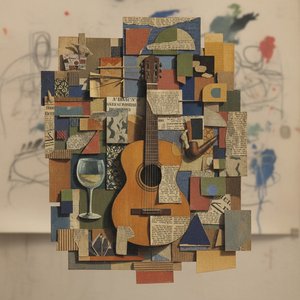
Deconstruyendo la Realidad: Una Exploración Exhaustiva de la Evolución e Impacto del Cubismo Sintético
Explora en profundidad el Cubismo Sintético: su evolución, innovaciones técnicas y figuras clave como Picasso y Braque. Un análisis exhaustivo para amantes del arte y coleccionistas.
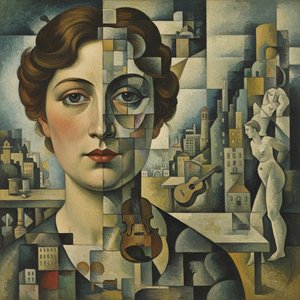
Deconstruyendo la Realidad: El Impacto Revolucionario del Cubismo en el Arte del Siglo XX
Descubra el revolucionario impacto del Cubismo en el arte del siglo XX. Análisis profundo de Picasso, Braque y su legado. Guía para coleccionistas apasionados e inversores.
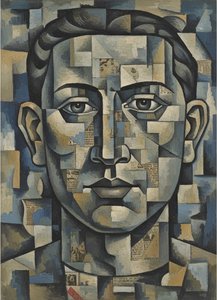
Deconstruyendo la Identidad: El Retrato Cubista como Espejo del Siglo XX
Explora la fascinante historia del retrato cubista con OriginalUniqueArt. Análisis de Picasso, Braque, Dalí y más. Guía para coleccionistas exigentes e inversión en arte moderno.
Deconstructing Reality: A Comprehensive Exploration of Cubist Still Life
Explore the revolutionary world of Cubist Still Life with OriginalUniqueArt. Discover Picasso & Braque's groundbreaking techniques, its philosophical roots, and lasting impact on modern art. Expert insights for collectors.



