
 Vista previa
 Compartir
 Compartir
 Ver detalles

 Descargar
 Ver similares
 Radiografía
 Presentación de diapositivas
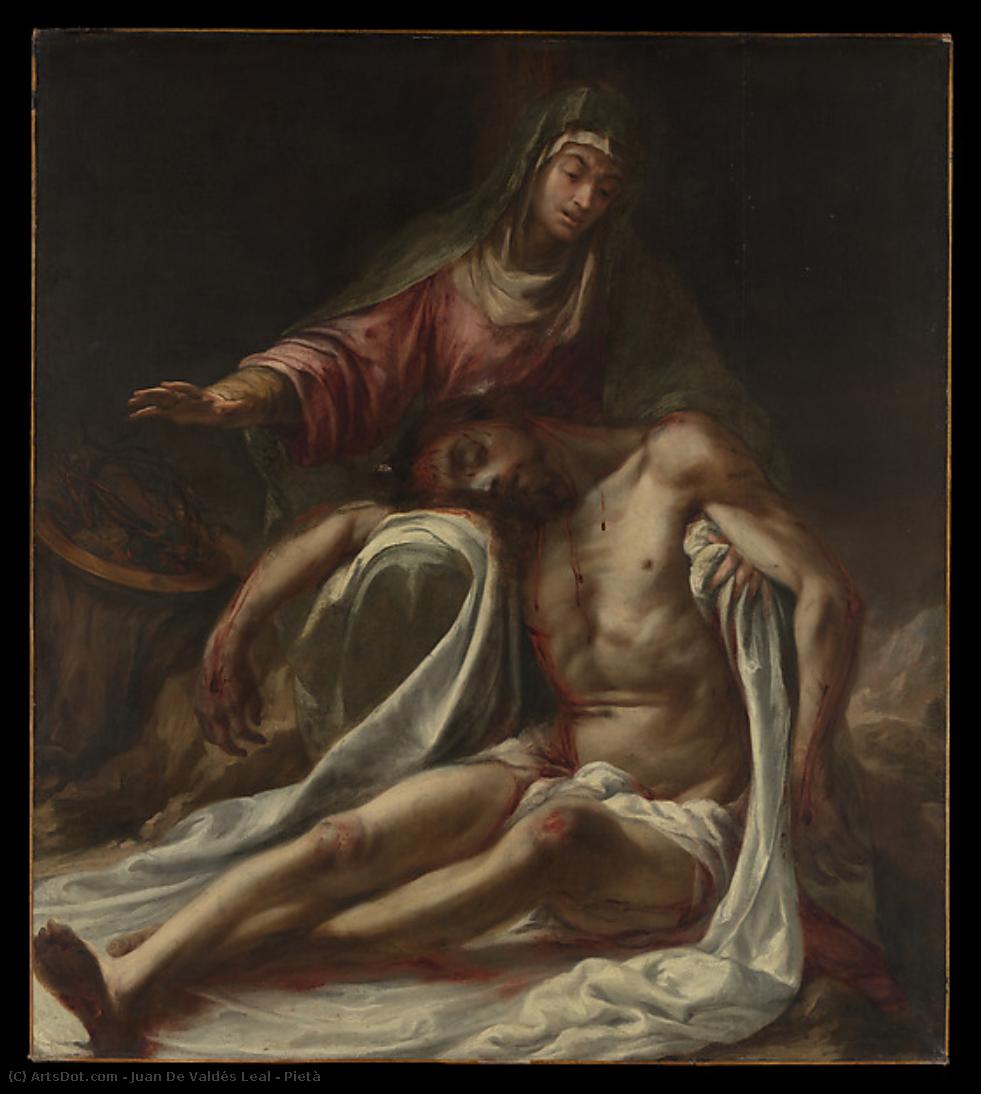
Pietà
 Oil On Canvas
- WallArt
- Baroque
 1657
1657 161.0 x 144.0 cm
 Museo Metropolitano de Arte
 Leer más
Giclée / Impresión de arte
Impresiones giclée o en lienzo de calidad de museo con producción rápida y opciones de acabado flexibles. ( Encargar reproducción pintada a mano Comprar descarga)




P118B $10

P118H $10

P118W $10

P438Z $10

P508JH $12

P508YH $12

P805H $10

P805Z $10

P919BZ $10

P919G $10

P919XJ $10

P959ZH $10

P968JZ $12

W106C $8

W218G $10

W218JH $8

W218Y $10

W307PJ $10

W316G $10

W316PJ $8

W316Y $10

W398PJ $8

W4111J $10

W500HY $15

W500JH $15

W692G $12

W849H $8

W940BG $15

W953PJ $8




Elija entre nuestros tamaños predefinidos que respetan las proporciones originales de la obra.

Puede introducir sus propias dimensiones para adaptarse a un marco o espacio específico. Si el tamaño seleccionado no coincide con las proporciones de la imagen original, recortaremos la obra de arte o extenderemos la imagen con un borde con efecto espejo o de color sólido. Se enviará una maqueta digital para su aprobación antes de que comience la producción.
Tenga en cuenta que la vista previa en pantalla no refleja el recorte o la extensión real. Solo la maqueta mostrará con precisión la composición final.
Aunque existen tamaños personalizados, recomendamos seleccionar una dimensión de la lista predefinida para preservar las proporciones originales.
Envío a todo el mundo () en 2 semanas en lugar de las 4/5 semanas estándar. (19 agosto)

Envío exprés gratuito a todo el mundo

Lienzo de lino de alta calidad

Seguro de envío completo

Garantía de reembolso de aranceles aduaneros

Garantía de fidelidad cromática exacta

Política de devolución de 60 días (solo por defectos)

Garantía de devolución del 100% del dinero

Oferta por volumen
 La opción de vidrio solo está disponible en tamaños inferiores a 110 cm.

Pietà
Giclée / Impresión de arte
Tamaño de la reproducción
-


Precio total
$ 80
Descripción de la pieza
The Heart of Sorrow: An Exploration of Valdés Leal’s Pietà
Juan de Valdés Leal's 1657 “Pietà” is not merely a depiction of grief; it’s an immersion into the profound sorrow and spiritual weight of Christian iconography. Born in Seville during the height of the Spanish Baroque, Leal was deeply influenced by the traditions of theatrical sculpture, particularly the evocative “pasos”—elaborate processions featuring religious figures rendered with intense emotion—a practice common in Spain. This painting transcends simple representation, aiming instead to evoke a visceral response from the viewer, mirroring the agony of Mary Magdalene cradling the lifeless body of Christ.
The subject itself – the Pietà – has resonated through Western art for centuries. It’s a timeless image: the Virgin Mary, serene yet heartbroken, holding her son after his crucifixion. Leal masterfully captures this essence, moving beyond the idealized beauty often associated with depictions of the Madonna. Instead, we see a woman marked by sorrow, her expression a complex blend of grief and acceptance. The composition is deliberately tight, drawing our focus entirely to the central figures – a deliberate choice that intensifies the emotional impact. The diagonal line created by Christ’s body, sloping from left to right, guides the eye through the scene, mirroring the descent into despair.
Baroque Drama: Technique and Composition
Leal's mastery lies in his skillful deployment of Baroque techniques. The painting is dominated by *chiaroscuro*, a dramatic contrast between light and dark that sculpts the figures and imbues the scene with an almost theatrical quality. Light focuses intensely on Mary Magdalene and Christ’s body, casting deep shadows around them – these aren't merely stylistic choices; they symbolize the darkness of sin and suffering. The artist employs impasto—thickly applied paint—to create a richly textured surface, adding depth and physicality to the figures. Brushstrokes are bold and expressive, conveying movement and emotion with every mark.
The flattened perspective, characteristic of Baroque art, prioritizes emotional impact over strict realism. Leal doesn’t strive for photographic accuracy; instead, he uses color and form to create a heightened sense of drama and immediacy. The muted palette—primarily dark browns, reds, and blues—contributes to the somber atmosphere, reinforcing the theme of loss and mourning. The use of strong lines further emphasizes the dynamism of the scene, preventing it from feeling static or lifeless.
Symbolism and Spiritual Resonance
Beyond its visual power, the “Pietà” is rich in symbolism. The image directly references Christian iconography, but Leal imbues it with a distinctly Spanish sensibility. The gruesome details of Christ’s suffering—a hallmark of Spanish religious art—are not presented gratuitously; they serve to heighten the spiritual fervor and underscore the sacrifice made for humanity's salvation. Mary Magdalene’s posture – cradling the body with unwavering devotion – represents faith, loyalty, and acceptance of God’s will.
The scene as a whole speaks to universal themes of grief, loss, and redemption. It invites contemplation on mortality, suffering, and the enduring power of love and compassion. Leal's “Pietà” is more than just a religious painting; it’s a profound meditation on the human condition, rendered with breathtaking skill and emotional intensity.
Biografía del artista
Primeros años y formación
Juan de Valdés Leal, un renombrado pintor y grabador español, nació el 4 de mayo de 1622 en Sevilla, España. Se convirtió en pintor, escultor y arquitecto, mostrando su versatilidad en el mundo del arte. En sus veinte años, estudió bajo Antonio del Castillo en Córdoba, perfeccionando sus habilidades durante la era barroca.Obras destacadas y colaboraciones
Las obras notables de Valdés Leal incluyen:- Historia del profeta Elías para la iglesia de los Carmelitas.
- Martirio de San Andrés para la iglesia de San Francisco en Córdoba.
- Triunfo de la Cruz para La Caridad en Sevilla.
Vida personal y legado
Valdés Leal se casó con Isabella Carasquilla, también pintora, en 1647. La pareja tuvo cinco hijos, varios de los cuales se convirtieron en artistas, incluyendo Lucas, María y Laura. Valdés Leal falleció el 15 de octubre de 1690 en Sevilla, dejando atrás un legado en el mundo del arte.Estilo artístico e influencia
El estilo de Valdés Leal se caracteriza por su dramatismo barroco, con una marcada inclinación hacia temas religiosos y la representación de escenas de sufrimiento y muerte. Su obra refleja la influencia de artistas como Caravaggio, visible en el uso del claroscuro y la intensidad emocional. A diferencia de la serenidad y gracia que caracterizaba a Murillo, Valdés Leal se enfocó en una estética más austera y melancólica, explorando las profundidades de la condición humana y la inevitabilidad de la muerte. Su habilidad para transmitir emociones intensas y su maestría técnica lo convirtieron en un artista respetado y admirado en su época.Legado e impacto
Juan de Valdés Leal es recordado como uno de los pintores barrocos más importantes de Sevilla, contribuyendo significativamente al desarrollo del arte español del siglo XVII. Su obra, aunque a menudo eclipsada por la popularidad de Murillo, ha sido objeto de creciente interés en las últimas décadas, reconociendo su singular visión artística y su capacidad para abordar temas complejos con profundidad y sensibilidad. Su influencia se puede apreciar en generaciones posteriores de artistas españoles que continuaron explorando los temas de la vanitas y la mortalidad en sus obras.
Juan de Valdés Leal
1622 - 1690 , España
Datos clave
- Artistas Influyentes: ['Antonio del Castillo']
- Colaboraciones Destacadas: Bartolomé Esteban Murillo
- Estilo Artístico: Barroco
- Fecha De Fallecimiento: 15 de octubre de 1690
- Fecha De Nacimiento: 4 de mayo de 1622
- Lugar De Nacimiento: Sevilla, España
- Nacionalidad: Española
- Nombre Completo: Juan de Valdés Leal
- Obras Notables:
- Historia del profeta Elías
- Martirio de San Andrés
- Triunfo de la Cruz
Artículos relacionados
Juan de Valdés Leal: Baroque Realism, Memento Mori & Theatricality of Spanish Grief
Explore the powerful Baroque realism of Juan de Valdés Leal (1622-1690). Discover his somber masterpieces, iconic 'In Ictu Oculi', and profound explorations of mortality. Museum-quality reproductions available at OriginalUniqueArt.

Solicitudes Comerciales
APS ofrece reproducciones de bellas artes y encargos personalizados desde 2004. Confían en nosotros corporaciones, hoteles y coleccionistas selectos para obras de arte de calidad museística, servicio discreto y soluciones artísticas completas. ¡Póngase en contacto con nosotros para obtener un presupuesto personalizado!

Goya: Las 25 Obras Maestras del Genio Español | Reproducciones de Arte en OriginalUniqueArt
Descubre las 25 obras maestras de Goya, el genio español. Explora retratos icónicos, 'Los Caprichos' y 'Las Pinturas Negras'. Reproducciones de arte en lienzo de alta calidad para decorar tu hogar con estilo. ¡Encuentra tu obra favorita en OriginalUniqueArt.com!

Acerca de nosotros
Descubre nuestra historia! Llevamos el arte de clase mundial a tu vida gracias a una selección experta, creaciones personalizadas y vistas previas gratuitas. Aprobado por particulares y empresas desde el año 2000.

Drama Barroca: Llevando la Grandeza y la Emoción a los Interiores Contemporáneos
Descubre cómo el drama y la grandeza del arte barroco pueden transformar tus interiores. Guía experta, inspiración y reproducciones de alta calidad en .



