

 Vista previa
 Compartir
 Compartir
 Ver detalles
 Guía
Guía

 Descargar
 Ver artículos similares
 Radiografía
 Presentación de diapositivas
 Estadísticas
The Archangel Michael
 International Gothic
 1490
1490- Renaissance
 127.0 x 78.0 cm
 Museo Nacional de Arte de Cataluña
 Leer más
Giclée / Impresión de arte
Impresiones giclée o en lienzo de calidad de museo con producción rápida y opciones de acabado flexibles. ( Encargar reproducción pintada a mano Ver versión en imagen digital)




P118B $10

P118H $10

P118W $10

P438Z $10

P508JH $12

P508YH $12

P805H $10

P805Z $10

P919BZ $10

P919G $10

P919XJ $10

P959ZH $10

P968JZ $12

W106C $8

W218G $10

W218JH $8

W218Y $10

W307PJ $10

W316G $10

W316PJ $8

W316Y $10

W398PJ $8

W4111J $10

W500HY $15

W500JH $15

W692G $12

W849H $8

W940BG $15

W953PJ $8




Elija entre nuestros tamaños predefinidos que respetan las proporciones originales de la obra.

Puede introducir sus propias dimensiones para adaptarse a un marco o espacio específico. Si el tamaño seleccionado no coincide con las proporciones de la imagen original, recortaremos la obra de arte o extenderemos la imagen con un borde con efecto espejo o de color sólido. Se enviará una maqueta digital para su aprobación antes de que comience la producción.
Tenga en cuenta que la vista previa en pantalla no refleja el recorte o la extensión real. Solo la maqueta mostrará con precisión la composición final.
Aunque existen tamaños personalizados, recomendamos seleccionar una dimensión de la lista predefinida para preservar las proporciones originales.
Envío a todo el mundo () en 2 semanas en lugar de las 4/5 semanas estándar. (27 septiembre)

Envío exprés gratuito a todo el mundo

Lienzo de lino de alta calidad

Seguro de envío completo

Garantía de reembolso de impuestos aduaneros

Garantía de fidelidad cromática exacta

Política de devolución de 100 días (solo por defectos)

Garantía de devolución del 100% del dinero

Oferta por volumen
 La opción de vidrio solo está disponible en tamaños inferiores a 110 cm.

The Archangel Michael
Giclée / Impresión de arte
Tamaño de la reproducción
-


Precio total
$ 80
A Celestial Triumph: The Majesty of The Archangel Michael
In the profound stillness of late fifteenth-century Spanish devotion, certain images were crafted not merely to be seen, but to be experienced as spiritual encounters. The Archangel Michael, a breathtaking masterpiece by the master Juan de la Abadía, stands as one such encounter. Created around 1490, this work captures a moment of eternal conflict and divine victory. The composition is dominated by the celestial warrior, whose presence commands the entire vertical expanse of the canvas. Clad in intricate armor that reflects both the earthly strength of a knight and the divine light of heaven, Michael brandishes a sword with resolute purpose. Beneath his feet, the defeated forces of darkness lie vanquished, creating a powerful visual metaphor for the triumph of good over evil that has resonated through the centuries.
The artistry of de la Abadía reveals a fascinating stylistic crossroads, where the delicate, ornamental elegance of the International Gothic tradition meets the burgeoning weight and anatomical presence of the early Renaissance. The artist employs a meticulous technique to render the textures of the scene—from the cold, hard sheen of the archangel's plate armor to the rhythmic, checkered pattern of the ground that provides a structured, almost theatrical stage for this cosmic drama. This geometric precision in the foreground serves as a brilliant counterpoint to the fluid, emotive movement of the figures, guiding the viewer's eye upward from the earthly struggle toward the triumphant heavens.
Symbolism and the Soul of the Spanish Gothic
Every element within this composition is steeped in profound theological symbolism. The sword held by Michael is more than a weapon; it is an instrument of divine justice, slicing through the shadows of sin. The presence of additional figures at the periphery of the frame adds layers of narrative depth, suggesting a larger celestial hierarchy witnessing this pivotal moment of cosmic order being restored. For the contemporary collector or interior designer, this painting offers much more than mere decoration; it provides a focal point of intense psychological and spiritual gravity. The interplay of light and shadow across the archangel's form creates an atmosphere of solemnity and awe, making it an ideal centerpiece for spaces designed to inspire contemplation, strength, and reverence.
To possess a reproduction of this caliber is to bring a piece of history into the modern home. It is an invitation to surround oneself with the enduring legacy of the Kingdom of Aragon's golden age. Whether placed in a grand library, a formal dining hall, or a curated gallery space, The Archangel Michael serves as a testament to the human desire to capture the sublime. Its dramatic scale and commanding subject matter ensure that it does not merely occupy a wall, but rather transforms the very energy of the room, offering a timeless window into the soul of the late Middle Ages.
Artículos relacionados
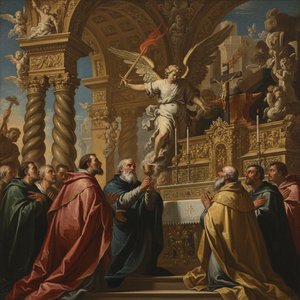
The Golden Age Reforged: Dramatic Realism & Religious Zeal in Spanish Baroque Art
Explore the dramatic world of Spanish Baroque art! Discover masters like Zurbarán & the powerful influence of religious zeal on painting techniques – a guide for collectors and enthusiasts.

Celestial Messengers: A Comprehensive Exploration of Angelic Representation in Art History
Explore the captivating history of angels in art! Discover symbolism, iconic Renaissance masterpieces & renowned artists. Expert insights for art lovers & collectors at OriginalUniqueArt.
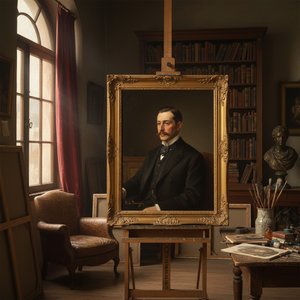
Rafael de Penagos: A Study in Spanish Portraiture & Artistic Identity
Explore the life & art of Rafael de Penagos, a leading Spanish Art Deco illustrator. Discover his iconic 'Penagos Woman', commercial work, and lasting legacy. Learn about this pivotal figure in 20th-century Spanish art history.

Celestial Messengers: Angels in Painting – A Historical & Artistic Exploration
Explore the captivating history of angels in painting! Discover symbolism, iconic Renaissance & Byzantine masterpieces, and renowned artists. Expert insights for art lovers & collectors at OriginalUniqueArt.
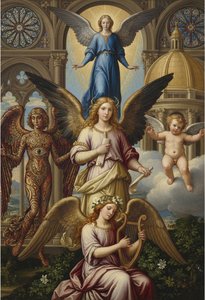
Divine Beauty: A Curated Guide to the Celestial Majesty of Angelic Figures in Art History
Explore the profound beauty of angelic figures in art history. From Renaissance masterpieces to celestial symbolism, our expert guide offers a sophisticated journey through the divine imagery of the Old Masters for discerning collectors and art enthusiasts.