Vista previa
 Compartir
 Compartir
 Ver detalles

 Descargar
 Ver artículos similares
 Radiografía
 Presentación de diapositivas
 Estadísticas
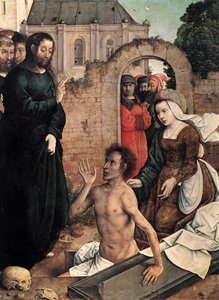
The Nativity
 Oil On Panel
- Early Netherlandish Painting
 1508
1508 111.0 x 79.0 cm
 Galería Nacional de Arte
 Leer más
Giclée / Impresión de arte
Impresiones giclée o en lienzo de calidad de museo con producción rápida y opciones de acabado flexibles. ( Encargar reproducción pintada a mano Ver versión en imagen digital)




P118B $10

P118H $10

P118W $10

P438Z $10

P508JH $12

P508YH $12

P805H $10

P805Z $10

P919BZ $10

P919G $10

P919XJ $10

P959ZH $10

P968JZ $12

W106C $8

W218G $10

W218JH $8

W218Y $10

W307PJ $10

W316G $10

W316PJ $8

W316Y $10

W398PJ $8

W4111J $10

W500HY $15

W500JH $15

W692G $12

W849H $8

W940BG $15

W953PJ $8




Elija entre nuestros tamaños predefinidos que respetan las proporciones originales de la obra.

Puede introducir sus propias dimensiones para adaptarse a un marco o espacio específico. Si el tamaño seleccionado no coincide con las proporciones de la imagen original, recortaremos la obra de arte o extenderemos la imagen con un borde con efecto espejo o de color sólido. Se enviará una maqueta digital para su aprobación antes de que comience la producción.
Tenga en cuenta que la vista previa en pantalla no refleja el recorte o la extensión real. Solo la maqueta mostrará con precisión la composición final.
Aunque existen tamaños personalizados, recomendamos seleccionar una dimensión de la lista predefinida para preservar las proporciones originales.
Envío a todo el mundo () en 2 semanas en lugar de las 4/5 semanas estándar. (18 septiembre)

Envío exprés gratuito a todo el mundo

Lienzo de lino de alta calidad

Seguro de envío completo

Garantía de reembolso de impuestos aduaneros

Garantía de fidelidad cromática exacta

Política de devolución de 100 días (solo por defectos)

Garantía de devolución del 100% del dinero

Oferta por volumen
 La opción de vidrio solo está disponible en tamaños inferiores a 110 cm.

The Nativity
Giclée / Impresión de arte
Tamaño de la reproducción
-


Precio total
$ 80
A Timeless Nativity: Juan de Flandes’s Masterpiece
The painting “The Nativity” by Juan de Flandes stands as a poignant and profoundly moving testament to the Early Netherlandish artistic tradition, offering a glimpse into the heart of 16th-century Spanish courtly life. More than simply a depiction of a biblical event, it’s a carefully constructed tableau brimming with symbolic weight and technical brilliance—a work that continues to resonate with viewers centuries after its creation. Commissioned around 1508 for the “capilla mayor” of the church of San Lázaro in Palencia, this oil-on-panel masterpiece reveals the artist's mastery of light, color, and human form, all filtered through a distinctly Spanish sensibility.
Flandes’s approach is immediately recognizable: he seamlessly blends the meticulous detail characteristic of his Flemish training with an awareness of the prevailing aesthetic preferences in Castile. The scene unfolds within a modest stable setting—a deliberate choice that underscores the humility and simplicity at the heart of the Nativity story. The figures, rendered with remarkable realism, are bathed in a soft, diffused light emanating from an unseen source, creating a sense of intimacy and reverence. Note particularly the delicate modeling of Mary’s face, conveying both serenity and profound emotion as she gazes upon her newborn son. The artist's use of chiaroscuro—the dramatic contrast between light and shadow—deepens the emotional impact, drawing our attention to key elements within the composition.
The Language of Symbolism
Beyond its technical merits, “The Nativity” is rich in symbolic meaning. The positioning of the figures – Mary cradling the infant Jesus, Joseph standing protectively beside her, and the angels hovering above – speaks to the core theological themes of faith, hope, and redemption. The presence of the two angels, one holding a lily (a potent symbol of purity) and another offering a star—a direct reference to the prophesied arrival of the Messiah—reinforces this narrative. The carefully chosen details, from the humble furnishings of the stable to the expressions on the faces of the figures, all contribute to a layered interpretation that invites contemplation.
Furthermore, the inclusion of shepherds, traditionally depicted as simple rural folk, highlights the universality of the Nativity’s message—that salvation is offered to all. Their attentive gaze towards the newborn Jesus suggests a profound sense of wonder and reverence. The artist's skillful depiction of their clothing and demeanor reflects the social realities of the time, grounding the sacred narrative within a tangible human context.
A Window into a Renaissance Court
The painting’s journey through history is as fascinating as its artistic merit. Initially part of the “capilla mayor” of San Lázaro in Palencia, it eventually found its way to the royal collection in Madrid and subsequently to the National Gallery of Art in Washington D.C., where it remains a prized possession. Juan de Flandes’s work reflects the artistic tastes of Queen Isabella I of Castile, who commissioned many works for her court. His style demonstrates an ability to adapt Flemish techniques to Spanish sensibilities, creating a unique and compelling visual language.
The acquisition by the Kress Foundation in 1953 marked a pivotal moment in the painting’s history, bringing it to American audiences. Today, “The Nativity” serves as a powerful reminder of the enduring legacy of Early Netherlandish art and its ability to transcend time and cultural boundaries. It is not merely a beautiful image; it's a profound meditation on faith, family, and the promise of hope—a timeless masterpiece that continues to captivate viewers with its exquisite detail and emotional depth.
Technical Details & Artistic Style
Measuring 111 x 79 cm, “The Nativity” is executed in oil on panel, a technique favored by Flandes for its ability to achieve remarkable luminosity and textural richness. The artist’s meticulous attention to detail is evident in every brushstroke—from the delicate folds of Mary's robe to the intricate patterns of the stable walls. His use of color is restrained yet sophisticated, relying on subtle gradations and tonal variations to create a sense of depth and realism. The painting exemplifies the hallmarks of Early Netherlandish art: precise observation, meticulous rendering, and an emphasis on naturalism—all combined with a distinctly Spanish flair.
About the Artist – Juan de Flandes
Juan de Flandes (c. 1460 – by 1519), whose true identity remains shrouded in some mystery, was a pivotal figure in bridging the artistic traditions of Flanders and Spain during the late 15th and early 16th centuries. Born likely in Flanders, he spent much of his career working at the Spanish court under Queen Isabella I, producing portraits of royalty and elaborate religious altarpieces. His work is characterized by a refined elegance, a masterful command of light and shadow, and an ability to seamlessly blend Flemish techniques with Spanish aesthetic preferences. Further research reveals connections to prominent artists like Joos van Wassenhove and Hugo van der Goes, suggesting a strong foundation in the Ghent School tradition.
Biografía del artista
El Enigmático Maestro de la Corte Española
La identidad de Juan de Flandes sigue siendo uno de los misterios más cautivadores en los anales de la pintura flamenca primitiva. Envuelto en un velo de ambigüedad histórica, los estudiosos han debatido durante mucho tiempo si este maestro era el individuo conocido como Jan van der Straat u otro virtuoso sin nombre cuya pincelada dejó una huella indeleble en la península ibérica. Aunque sus verdaderos orígenes están oscurecidos por el tiempo, su alma artística está inconfundiblemente arraigada en las vibrantes tradiciones de Flandes. Nacido probablemente a mediados del siglo XV, surgió del prestigioso entorno artístico de Gante, una ciudad que entonces pulsaba con las innovaciones de la Escuela de Gante. Fue aquí, entre las sombras de maestros como Joos van Wassenhove y Hugo van der Goes, donde Juan refinó su capacidad para capturar el delicado juego de luces y texturas, estableciendo una base técnica que más tarde cerraría la brecha entre la precisión del norte y la grandeza española.
Su viaje desde los Países Bajos hasta el corazón de España representa un capítulo crucial en la evolución del Renacimiento español. En 1496, su destino quedó inextricablemente ligado a la Corona española cuando aseguró el prestigioso mecenazgo de la reina Isabel I de Castilla. Este nombramiento fue mucho más que un mero hito profesional; lo situó en el epicentro mismo del poder político y religioso. Al desempeñarse como pintor de cámara hasta la muerte de Isabel en 1º504, Juan de Flandes se convirtió en el cronista visual de una edad de oro. A través de sus ojos, la dignidad de la familia real —especialmente la de Isabel y Fernando— fue inmortalizada con una elegancia refinada que equilibraba el detalle meticuloso y microscópico característico del arte flamenco con una nueva y solemne sensibilidad española.
Un Legado de Devoción y Detalle
El verdadero genio de Juan de Flandes se percibe quizás con mayor profundidad en sus composiciones religiosas, donde su maestría técnica se encuentra con una profunda devoción espiritual. Su logro más celebrado reside en la monumental serie de pequeños paneles creados para un magnífico retablo políptico dedicado a la Virgen María. Estas obras son obras maestras de intimidad narrativa, que invitan al espectador a entrar en espacios sagrados a través de paisajes que se sienten tanto de otro mundo como tangiblemente reales. En estos paneles, se puede observar una síntesis impresionante de estilos:
- Precisión Flamenca: La representación meticulosa de los tejidos, la claridad cristalina de los horizontes lejanos y la atención obsesiva al detalle botánico.
- Grandeza Española: Un sentido de quietud monumental y una atmósfera digna y sombría que refleja el fervor religioso de la corte española.
- Innovación Atmosférica: Un dominio temprano de la luz que insufla vida a los paisajes, creando una sensación de profundidad y trascendencia espiritual.
Hoy en día, estos tesoros dispersos —albergados en instituciones prestigiosas como el Museo del Prado en Madrid y la National Gallery of Art en Washington D.C.— sirven como testimonios perdurables de su destreza. La importancia histórica de Juan de Flandes se extiende mucho más allá de sus retratos individuales; actuó como un conducto cultural vital. Al trasplantar las sofisticadas técnicas del Norte al fértil suelo de España, ayudó a dar forma al lenguaje estético de un imperio floreciente. Su obra sigue siendo un recordatorio bellamente evocador de un período en el que el arte sirvió como el puente definitivo entre mundos diferentes, fusionando las intrincadas texturas de Flandes con el espíritu profundo y perdurable del Renacimiento español.

Juan De Flandes
1460 - 1519 , Bélgica
Datos clave
- Artistic Movement Or Style: Early Netherlandish
- Artists Who Influenced This Artist:
- Hugo van der Goes
- Joos van Wassenhove
- Date Of Birth: c. 1460
- Date Of Death: 1519
- Full Name: Juan de Flandes
- Nationality: Flamenco
- Notable Artworks:
- El Retablo de San Juan
- La Crucifixión
- Place Of Birth: Flanders (Belgium)
Artículos relacionados

Acerca de nosotros
Descubre nuestra historia! Llevamos el arte de clase mundial a tu vida gracias a una selección experta, creaciones personalizadas y vistas previas gratuitas. Aprobado por particulares y empresas desde el año 2000.

El Óleo sobre Lienzo: Historia, Técnica y la Persistencia de un Medio Artístico Atemporal
Descubre la historia y técnica del óleo sobre lienzo. Explora reproducciones fieles hechas a mano, personalización artística y consejos de expertos con OriginalUniqueArt. ¡Colecciona arte con confianza!

The Enduring Power of Painting: A Historical & Contemporary Exploration of Form and Emotion
Explore the rich history & enduring techniques of oil painting with OriginalUniqueArt. Discover masterpieces, learn about art collecting, and find authentic handmade reproductions crafted by skilled artists.

The Enduring Legacy of Oil on Canvas: Technique, History & Aesthetic Impact
Explore the rich history & techniques of oil painting – from Renaissance masters to Impressionism. Discover pigments, layering methods, and why this timeless medium endures. Expert insights for artists & art enthusiasts.

Goya: Las 25 Obras Maestras del Genio Español | Reproducciones de Arte en OriginalUniqueArt
Descubre las 25 obras maestras de Goya, el genio español. Explora retratos icónicos, 'Los Caprichos' y 'Las Pinturas Negras'. Reproducciones de arte en lienzo de alta calidad para decorar tu hogar con estilo. ¡Encuentra tu obra favorita en OriginalUniqueArt.com!