
 Vista previa
 Compartir
 Compartir
 Ver detalles

 Descargar
 Ver similares
 Radiografía
 Presentación de diapositivas
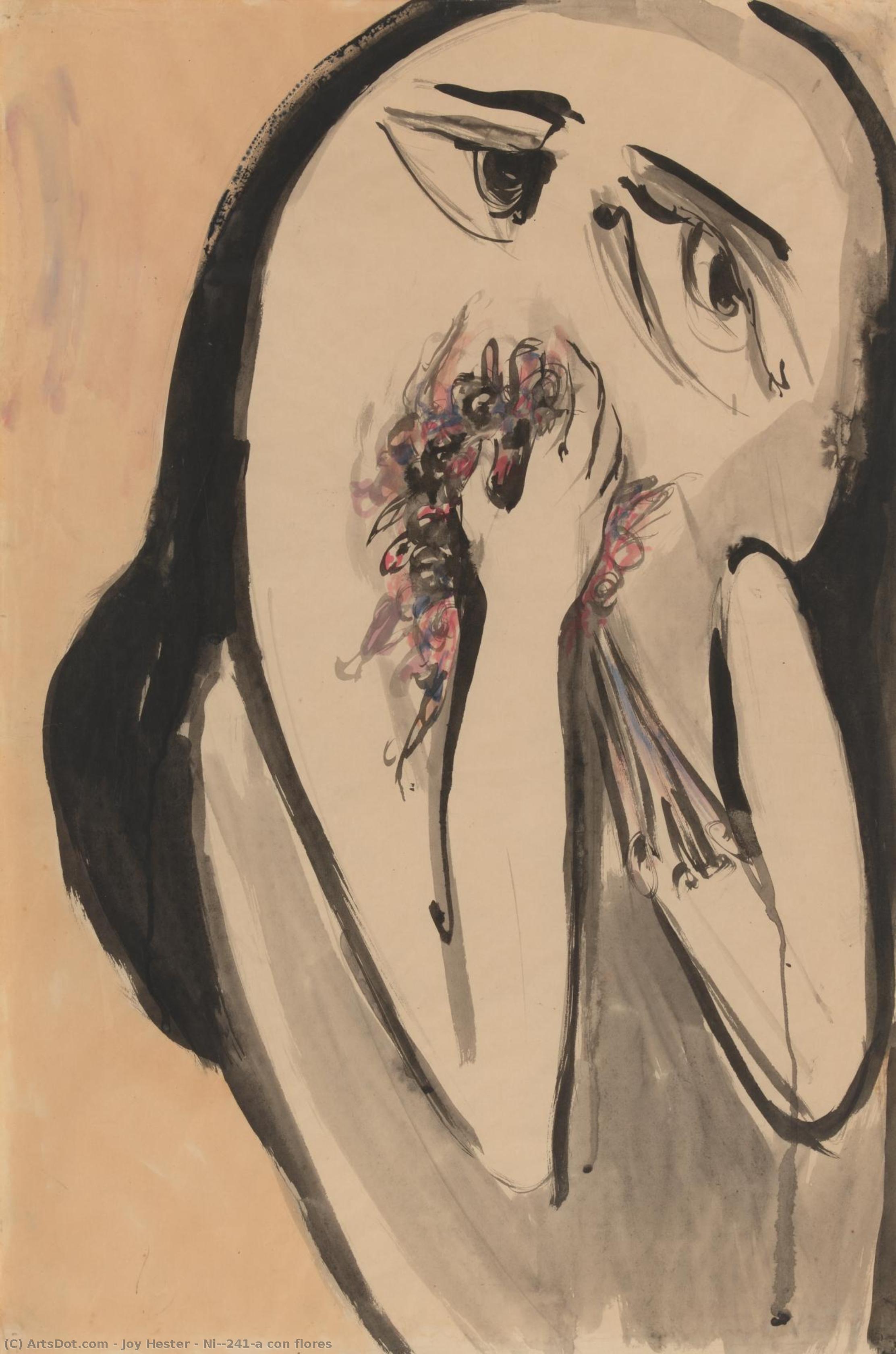
Niña con flores
 Watercolor
- WallArt
- Expressionism
 1956
1956- Modern
 76.0 x 50.0 cm
 Galería Nacional de Victoria
 Leer más
Reproducción al óleo hecha a mano
Óleo sobre lienzo pintado a mano en el tamaño y marco de su elección, realizado por encargo por nuestros artistas. ( Pedir impresión Comprar descarga)




P118B $10

P118H $10

P118W $10

P438Z $10

P508JH $12

P508YH $12

P805H $10

P805Z $10

P919BZ $10

P919G $10

P919XJ $10

P959ZH $10

P968JZ $12

W106C $8

W218G $10

W218JH $8

W218Y $10

W307PJ $10

W316G $10

W316PJ $8

W316Y $10

W398PJ $8

W4111J $10

W500HY $15

W500JH $15

W692G $12

W849H $8

W940BG $15

W953PJ $8




Elija entre nuestros tamaños predefinidos que respetan las proporciones originales de la obra.

Puede ingresar sus propias dimensiones para adaptarse a un marco o espacio específico. Si el tamaño seleccionado no coincide con las proporciones de la imagen original, recortaremos la obra o extenderemos la pintura con elementos adicionales pintados a mano. Se le enviará una maqueta digital para su aprobación antes de comenzar la producción.
Tenga en cuenta que la vista previa en pantalla no refleja el recorte o la extensión reales. Solo la maqueta mostrará con precisión la composición final.
Si bien existen tamaños personalizados, recomendamos seleccionar una dimensión de la lista predefinida para preservar las proporciones originales.
Tras realizar el pedido, el equipo de OriginalUniqueArt.com enviará un correo electrónico al cliente para solicitar instrucciones y proporcionarle una vista previa del boceto.
Envío a todo el mundo () en 3-4 semanas en lugar de las 5 semanas estándar. (14 agosto). Sin comprometer la calidad.

Envío exprés gratuito a todo el mundo

Lienzo de lino de alta calidad

Seguro de envío completo

Garantía de reembolso de aranceles aduaneros

Garantía de fidelidad cromática exacta

Política de devolución de 60 días (solo por defectos)

Garantía de devolución del 100% del dinero

Oferta por volumen
 La opción de vidrio solo está disponible en tamaños inferiores a 110 cm.

Niña con flores
Técnica de reproducción
Tamaño de la reproducción
-


Precio total
$ 300
Descripción de la obra
A Portrait of Sorrow and Resilience: Exploring Joy St Clair Hester’s “Niña con Flores”
Joy St Clair Hester's "Niña con Flores" (Girl with Flowers), created in 1956, is not merely a portrait; it’s a deeply resonant exploration of grief, memory, and the enduring strength of the human spirit. This arresting work, rendered primarily in evocative ink washes and punctuated by flashes of vibrant red and pink, immediately draws the viewer into a world steeped in melancholic beauty. Hester, a pivotal figure within Australia's burgeoning Modernist movement, masterfully employs a restrained yet intensely expressive style, characteristic of her engagement with the Heide Circle and the Angry Penguins.
The subject herself remains partially obscured, veiled by a dark, amorphous shape that suggests concealment or perhaps the lingering shadow of loss. Her face, though fragmented, is dominated by an arresting gaze – large, sorrowful eyes that seem to hold both vulnerability and a quiet defiance. This deliberate ambiguity invites speculation about her story, prompting us to project our own experiences of sadness and remembrance onto the canvas. The use of predominantly dark shades—charcoal greys, deep blacks—creates a sense of profound stillness, while strategically placed bursts of color – particularly the passionate reds and pinks of the blossoms erupting from her mouth – inject moments of startling intensity and symbolic weight.
Technique and Materials: A Dance of Ink and Wash
Hester’s technique is both delicate and assertive. The work is executed primarily in watercolor and ink wash on paper, a combination that lends itself beautifully to the creation of layered textures and subtle tonal shifts. Loose brushstrokes contribute to an atmosphere of immediacy and emotional rawness, while careful shading establishes depth and form. Notice how she utilizes broken washes—allowing the colors to bleed into one another—to create a sense of fluidity and movement within the composition. The deliberate lack of precise detail emphasizes the emotional impact over realistic representation; lines are used expressively to define features rather than as literal depictions.
The choice of ink, particularly black ink, is crucial to Hester’s signature style. It allows for a remarkable control—the ability to build up layers of dark tones with incredible precision, creating both dramatic contrasts and subtle gradations of value. The blossoms themselves are rendered with a surprising degree of detail, their vibrant hues acting as potent symbols within the broader context of the piece. The overall effect is one of controlled chaos – a visual representation of the turbulent emotions that lie beneath the surface.
Symbolism: Flowers, Grief, and Remembrance
The most striking element of “Niña con Flores” is undoubtedly the profusion of flowers emerging from the woman’s mouth. This imagery transcends mere botanical detail; it's a potent symbol of grief, loss, and perhaps even remembrance. The blossoms can be interpreted as representing the bittersweet nature of memory—beautiful yet tinged with sadness. They also suggest a connection to nature, offering a glimmer of hope amidst the prevailing darkness. The veil-like shape obscuring her face further reinforces this theme of concealment and unspoken sorrow.
Considering Hester’s own life – marked by the early loss of her father and later battling Hodgkin's disease – it is not surprising that her work frequently grapples with themes of mortality and resilience. “Niña con Flores” can be seen as a deeply personal meditation on these experiences, transformed into a universal expression of human vulnerability and enduring strength. The image resonates with the broader artistic tradition of exploring psychological states through symbolic imagery.
Historical Context: A Voice in the Australian Modernist Movement
Joy St Clair Hester’s work emerged during a pivotal period in Australian art history – the mid-20th century, when artists were actively seeking to forge a distinctly national identity. She was a key member of both the Heide Circle and the Angry Penguins, groups that challenged established artistic conventions and pushed the boundaries of modernism. Her association with these influential circles provided her with access to a vibrant intellectual and artistic community, but also exposed her work to critical scrutiny. Despite facing challenges in gaining widespread recognition during her lifetime, Hester’s legacy has steadily grown over time, cementing her place as one of Australia's most important Modernist artists.
Resources for further exploration include the National Gallery of Victoria’s collection (where “Niña con Flores” is held), online archives dedicated to Joy St Clair Hester, and scholarly articles examining her work within the context of Australian art history. WikiArt offers a valuable visual resource: https://www.wikiart.org/en/joy-hester/nina-con-flores-1956
Biografía del artista
Joy St Clair Hester: Una Vida en el Arte Moderno Australiano
Infancia y Educación Temprana
- Nacida el 21 de agosto de 1920 en Elwood, Australia, Joy St Clair Hester experimentó una infancia formativa marcada por la temprana pérdida de su padre.
- Asistió a St Michael's Grammar School de 1933 a 1937, comenzando su formación artística a una edad temprana.
- En 1938, se matriculó en Arte Comercial en Brighton Technical School antes de pasar al National Gallery School en Melbourne, donde afinó sus habilidades y comenzó a liberarse de las limitaciones tradicionales.
- Hester demostró un talento temprano, ganando el premio "Dibujo al Vivo" en la Escuela de Galería en 1938.
El Círculo de Heide y los Angry Penguins
- En 1938, Hester conoció a Albert Tucker, comenzando una relación personal y artística significativa.
- Se convirtió en miembro fundador de la Contemporary Art Society (CAS) y se conectó con Sunday Reed, una mecenas clave del arte en Australia.
- Hester se sumergió en el Círculo de Heide, junto a artistas como Sidney Nolan, Arthur Boyd y Charles Blackman, fomentando un ambiente de experimentación artística y colaboración.
- Como miembro de los Angry Penguins, contribuyó a un cambio radical en el arte australiano hacia el modernismo. Ella fue la única mujer destacada en la publicación Angry Penguins.
Desarrollo Artístico y Estilo
- Las primeras obras mostraban influencias tradicionales, pero evolucionaron rápidamente hacia formas más audaces y líneas expresivas.
- En la década de 1940, Hester comenzó a centrarse en representar la vida cotidiana a través de dibujos a tinta de escenas callejeras y trabajadores de fábrica.
- A mediados de la década de 1940, abandonó la pintura al óleo en favor del agua y las tintas, desarrollando un estilo distintivo caracterizado por líneas negras fluidas e intensidad emocional.
- Su obra exploraba cada vez más temas de horror psicológico influenciado por la Segunda Guerra Mundial.
Obras Principales y Temas
- Hester es mejor conocida por su serie Face, Sleep, and Love (1948–49), que profundiza en las complejidades de la emoción y las relaciones humanas.
- Sus obras posteriores, incluyendo The Lovers (1956–58), continuaron explorando temas de amor, pérdida y mortalidad con una calidad cruda y expresiva.
- Motivos recurrentes en su obra incluyen rostros, a menudo representados con intensidad inquietante, y elementos florales simbólicos.
- Una mayor conciencia de la mortalidad – derivada de experiencias personales incluyendo la muerte de su padre y posteriormente el diagnóstico de linfoma de Hodgkin – dio forma profundamente a su visión artística.
Influencias y Legado
- Hester fue influenciada por artistas como Ailsa O'Connor y Danila Vassilieff, quienes compartían sus preocupaciones con la profundidad psicológica e integración del arte y la vida.
- A pesar de enfrentar desafíos para obtener reconocimiento durante su vida, el trabajo de Hester se ha celebrado cada vez más por su poder emocional y su contribución al modernismo australiano.
- Su uso audaz de la línea y estilo expresivo allanó el camino para las futuras generaciones de artistas australianos.
- El legado de Hester reside en su capacidad para transmitir experiencias humanas profundas a través de un lenguaje visual único y evocador.
Vida Tardía y Muerte
- Diagnosticada con linfoma de Hodgkin en 1947, Hester continuó creando arte a pesar de su enfermedad.
- Organizó exposiciones individuales en 1950, 1955 y 1956, pero luchó financieramente y críticamente.
- Joy St Clair Hester falleció el 4 de diciembre de 1960, dejando atrás un poderoso cuerpo de trabajo que sigue resonando con el público actual.

joy st clair hester
1920 - 1960 , Australia
Datos clave
- Artistic Movement Or Style: Modernismo, Expresionismo
- Artists Or Movements Influenced By This Artist: ['Australian Modernism']
- Artists Who Influenced This Artist:
- Ailsa O'Connor
- Danila Vassilieff
- Date Of Birth: August 21, 1920
- Date Of Death: December 4, 1960
- Full Name: Joy St Clair Hester
- Nationality: Australiana
- Notable Artworks:
- Face series
- Love series
- The Lovers
- Place Of Birth: Elwood, Australia
Artículos relacionados
10 Obras de Arte que Inspiran Alegría y Felicidad | OriginalUniqueArt
Descubre 10 obras de arte icónicas que inspiran alegría y felicidad. Explora la historia de Van Gogh, Monet, Renoir y más. Encuentra reproducciones de museo y decoración para el hogar en OriginalUniqueArt.com.

Surrealist Expressionism: A Visual Journey Through Dream Logic and Raw Emotion
Dive into the visceral world of Surrealist Expressionism. Explore how dream logic meets raw emotion through a visual journey of iconic techniques, post-war history, and bold aesthetics to transform your modern space with high-impact, unforgettable art.
Surrealist Dreamscapes: A Curated Journey Through the Subconscious Majesty of Surrealism
Embark on a sophisticated journey through Surrealist dreamscapes. Explore the profound symbolism of masters like Dalí and discover how to curate breathtaking, museum-quality surrealist art for your private collection with expert guidance.
Los 10 Maestros del Surrealismo: Obras que Revolucionaron el Arte y la Decoración
Descubre los 10 lienzos surrealistas más influyentes de artistas como Dalí y Magritte. Explora la historia, el simbolismo y las técnicas del movimiento surrealista. Encuentra reproducciones de arte de museo en OriginalUniqueArt.com.

El Greco: Las 25 Obras Maestras que Definen un Genio del Arte y la Fe
Descubre las 25 obras maestras de El Greco, el genio del Renacimiento español. Explora su arte religioso, manierismo y la historia detrás de cuadros icónicos como 'El Entierro del Conde de Orgaz'. Encuentra reproducciones de alta calidad en OriginalUniqueArt.com.

