

 Vista previa
 Compartir
 Compartir
 Ver detalles
 Guía
Guía

 Descargar
 Ver artículos similares
 Radiografía
 Presentación de diapositivas
 Estadísticas
The Red Rigi


 Leer más
Giclée / Impresión de arte
Impresiones giclée o en lienzo de calidad de museo con producción rápida y opciones de acabado flexibles. ( Encargar reproducción pintada a mano Ver versión en imagen digital)




P118B $10

P118H $10

P118W $10

P438Z $10

P508JH $12

P508YH $12

P805H $10

P805Z $10

P919BZ $10

P919G $10

P919XJ $10

P959ZH $10

P968JZ $12

W106C $8

W218G $10

W218JH $8

W218Y $10

W307PJ $10

W316G $10

W316PJ $8

W316Y $10

W398PJ $8

W4111J $10

W500HY $15

W500JH $15

W692G $12

W849H $8

W940BG $15

W953PJ $8




Elija entre nuestros tamaños predefinidos que respetan las proporciones originales de la obra.

Puede introducir sus propias dimensiones para adaptarse a un marco o espacio específico. Si el tamaño seleccionado no coincide con las proporciones de la imagen original, recortaremos la obra de arte o extenderemos la imagen con un borde con efecto espejo o de color sólido. Se enviará una maqueta digital para su aprobación antes de que comience la producción.
Tenga en cuenta que la vista previa en pantalla no refleja el recorte o la extensión real. Solo la maqueta mostrará con precisión la composición final.
Aunque existen tamaños personalizados, recomendamos seleccionar una dimensión de la lista predefinida para preservar las proporciones originales.
Envío a todo el mundo () en 2 semanas en lugar de las 4/5 semanas estándar. (26 septiembre)

Envío exprés gratuito a todo el mundo

Lienzo de lino de alta calidad

Seguro de envío completo

Garantía de reembolso de impuestos aduaneros

Garantía de fidelidad cromática exacta

Política de devolución de 100 días (solo por defectos)

Garantía de devolución del 100% del dinero

Oferta por volumen
 La opción de vidrio solo está disponible en tamaños inferiores a 110 cm.

The Red Rigi
Giclée / Impresión de arte
Tamaño de la reproducción
-


Precio total
$ 80
A Symphony in Mist and Light: Unveiling Turner’s “The Red Rigi”
Joseph Mallord William Turner's "The Red Rigi," painted in 1842, isn’t merely a depiction of a Swiss mountain; it’s an immersive experience. This watercolor, one of four stunning studies capturing the majesty of Mount Rigi from Lake Lucerne, transcends simple landscape painting to become a profound meditation on light, atmosphere, and the ephemeral beauty of nature. Turner, already a master of capturing fleeting moments, sought to distill the essence of this iconic peak – not through precise detail, but through an evocative dance of color and texture that speaks directly to the soul.
The scene unfolds with breathtaking immediacy. The Rigi itself dominates the composition, its slopes rendered in layers of delicate washes—a blend of blues, purples, and greens that suggest both distance and a palpable sense of moisture. It’s not a sharply defined mountain; instead, Turner employs a technique he perfected during his Swiss sojourn: broken color, where thin layers of paint are applied to allow the underlying white paper to peek through. This creates an incredible luminosity, as if the very air itself is shimmering with reflected light. The foreground is dominated by the lake, its surface mirroring the sky and subtly blurring the boundaries between water and atmosphere. A scattering of small boats – a poignant detail hinting at human presence within this vast wilderness – adds a touch of scale and invites us to contemplate our own place in the grandeur of nature.
The Alchemy of Light: Turner’s Technique
Turner's mastery lies not just in his subject matter, but in his extraordinary ability to capture the *effects* of light. He wasn’t interested in a photographic representation; he aimed to convey the *feeling* of being present at that specific moment – bathed in the golden glow of the setting sun. The “red” of the title isn't literal; it’s an impression, a suggestion of warmth and intensity derived from the way the light interacts with the mountain’s surface. Notice how he uses subtle gradations of color to create a sense of depth and volume, building up the forms gradually through countless layers of translucent washes. He employs a technique known as ‘scumbling,’ where dry paint is brushed over wet paint, creating a hazy, atmospheric effect that further enhances the feeling of distance and mystery.
The use of white gouache – a highly pigmented opaque watercolor – is particularly noteworthy. Turner strategically scratched out areas of the paper with his fingernail to reveal the bright white ground beneath, adding highlights and intensifying the sense of luminosity. This delicate touch, combined with his masterful control of color and texture, elevates “The Red Rigi” beyond mere representation into a realm of pure visual poetry.
A Symbol of Transient Beauty
Mount Rigi itself held a particular significance for Turner during his Swiss travels. It’s not the tallest peak in the Alps, but its unique location – isolated and offering uninterrupted views – made it a favorite haunt for artists and tourists alike. Turner was captivated by its beauty and the way the light constantly shifted across its slopes. “The Red Rigi” can be interpreted as an allegory of time's relentless passage and the fleeting nature of beauty. The warm, vibrant colors suggest a moment of intense joy and wonder, while the misty atmosphere hints at the inevitable decay and transformation that awaits all things.
Furthermore, the inclusion of the boats adds another layer of meaning. They represent humanity’s desire to connect with nature, but also our vulnerability in the face of its overwhelming power. The smallness of the vessels against the vast backdrop of the mountain underscores the humbling reality of our existence.
Collecting a Masterpiece: Reproduction and Beyond
"The Red Rigi" is more than just a beautiful painting; it’s a testament to Turner's genius and his profound understanding of light, color, and atmosphere. Reproductions capture much of the original’s magic, offering a window into this extraordinary world. When selecting a reproduction, consider the quality of the print – archival inks and high-resolution paper are essential to faithfully reproduce Turner’s delicate washes and luminous effects. This artwork would be an exceptional addition to any collection, bringing a touch of Alpine serenity and artistic brilliance to your home or office.
Biografía del artista
Primeros años y formación
Joseph Mallord William Turner, una figura destacada en el arte británico, nació el 23 de abril de 1775 en Maiden Lane, Covent Garden, Londres. Su padre, William Turner, era barbero y fabricante de pelucas, mientras que su madre, Mary Marshall, provenía de una familia de carniceros. A los 14 años, Turner ingresó a la Royal Academy of Art en 1789, marcando el inicio de su ilustre carrera.Estilo artístico e influencias
La obra de Turner se caracteriza por sus colorizaciones expresivas, paisajes imaginativos y mares tempestuosos. Fue un artista profundamente experimental y progresista, influyendo en pintores tan diversos como Claude Monet y Mark Rothko. Su influencia puede verse en las obras de muchos artistas que le siguieron. Sus innovaciones en el uso de la luz y la atmósfera lo convirtieron en una figura clave del Romanticismo.Obras destacadas y colecciones
- La mañana después del diluvio (1843): Una notable pintura al óleo sobre lienzo, ubicada en la Tate Collection, Londres, que muestra la forma estilística de Turner para representar las fuerzas de la naturaleza.
- Canal de Chichester (1828): Comisionada por George Wyndham, 3er conde de Egremont, esta pintura representa el Canal de Chichester y actualmente se encuentra en la Tate Collection.
- Ruinas de Tintern Abbey: Una obra acuática, ahora en el Museo Calouste Gulbenkian (Lisboa, Portugal), que muestra la maestría de Turner para capturar la luz y la atmósfera.
Evolución artística y logros
Turner experimentó constantemente con nuevas técnicas y materiales a lo largo de su carrera. Inicialmente influenciado por los paisajes clásicos, evolucionó hacia un estilo más libre y expresivo, donde la luz y el color se convirtieron en los elementos dominantes. Sus obras tardías, como "La batalla del Temeraire", son ejemplos paradigmáticos de su capacidad para combinar observación realista con una visión poética e imaginativa. Su habilidad para representar fenómenos atmosféricos, como tormentas y nieblas, es legendaria.Legado e importancia histórica
Turner dejó atrás más de 2000 pinturas y 19000 dibujos y bocetos. Es ampliamente considerado uno de los mayores maestros de la pintura paisajística y marina británica en acuarela, a menudo referido como "el pintor de la luz". Su influencia en artistas posteriores es innegable, convirtiéndolo en una figura fundamental en la historia del arte.- Se puede ver más obras de Turner en https://OriginalUniqueArt.com/@/williamturner
- Explorar la colección Tate, Londres, que alberga muchas de las notables piezas de Turner: /es/art/show/art-d3c5y9-es/
- Descubrir el mundo del arte en https://OriginalUniqueArt.com/@@/all-popular-artists, con los mejores artistas de todos los tiempos.
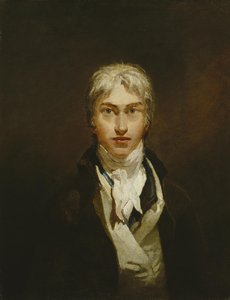
Joseph Mallord William Turner
1775 - 1851 , Reino Unido
Datos clave
- Artistas Que Influyeron:
- Claude Monet
- Mark Rothko
- Estilo Artístico: Romanticismo, Paisajismo
- Fecha De Nacimiento: 23 de abril de 1775
- Lugar De Nacimiento: Covent Garden, Reino Unido
- Nacionalidad: Británico
- Nombre Completo: Joseph Mallord William Turner
- Obras Notables:
- La mañana después del diluvio
- El Temeraire
- Ruinas de Tintern Abbey
Artículos relacionados

Paisajes Románticos: 10 Obras Maestras que Definieron un Movimiento Artístico
Descubre los 10 paisajes románticos más influyentes de artistas como Caspar David Friedrich y Turner. Explora la belleza, el simbolismo y las técnicas del movimiento romántico. Reproducciones de arte exclusivas en OriginalUniqueArt.com.

Ephemeral Visions: Exploring the Artistic Legacy & Contemporary Practice of Watercolor Painting
Explore the captivating world of watercolor painting! Discover its rich history, essential techniques, influential artists & collecting tips. A comprehensive guide for art enthusiasts from OriginalUniqueArt.

Ephemeral Visions: Exploring the Artistic Legacy & Nuances of Watercolor Painting
Explore the captivating world of watercolor painting! Discover its rich history, essential techniques, influential artists & collecting tips from art experts. A comprehensive guide for enthusiasts.

Visiones Efímeras: Historia y Resonancia Emocional de la Pintura Acuarela
Descubre la fascinante historia de la acuarela, desde sus orígenes hasta su expresión contemporánea. Explora técnicas, artistas clave como Paul Klee y encuentra reproducciones de alta calidad en OriginalUniqueArt.

Acuarelas Legendarias: 10 Obras Maestras que Transformaron el Arte | OriginalUniqueArt
Descubre 10 acuarelas legendarias de Turner, Monet y Sargent que revolucionaron el arte. Explora la historia, técnica y belleza de estas obras maestras impresionistas y románticas. Reproducciones de museo en OriginalUniqueArt.com.


