

 Vista previa
 Compartir
 Compartir
 Ver detalles

 Descargar
 Ver artículos similares
 Radiografía
 Presentación de diapositivas
 Estadísticas
Mr. Oldham and his Friends
 Oil On Canvas
- WallArt
- Rococo Period
 1750
1750- Early Modern
 105.0 x 130.0 cm
 Tate Gallery
 Leer más
Reproducción al óleo hecha a mano
Óleo sobre lienzo pintado a mano en el tamaño y marco de su elección, realizado por encargo por nuestros artistas. ( Cambiar a formato impreso Ver versión en imagen digital)




P118B $10

P118H $10

P118W $10

P438Z $10

P508JH $12

P508YH $12

P805H $10

P805Z $10

P919BZ $10

P919G $10

P919XJ $10

P959ZH $10

P968JZ $12

W106C $8

W218G $10

W218JH $8

W218Y $10

W307PJ $10

W316G $10

W316PJ $8

W316Y $10

W398PJ $8

W4111J $10

W500HY $15

W500JH $15

W692G $12

W849H $8

W940BG $15

W953PJ $8




Elija entre nuestros tamaños predefinidos que respetan las proporciones originales de la obra.

Puede ingresar sus propias dimensiones para adaptarse a un marco o espacio específico. Si el tamaño seleccionado no coincide con las proporciones de la imagen original, recortaremos la obra o extenderemos la pintura con elementos adicionales pintados a mano. Se le enviará una maqueta digital para su aprobación antes de comenzar la producción.
Tenga en cuenta que la vista previa en pantalla no refleja el recorte o la extensión reales. Solo la maqueta mostrará con precisión la composición final.
Si bien existen tamaños personalizados, recomendamos seleccionar una dimensión de la lista predefinida para preservar las proporciones originales.
Tras realizar el pedido, el equipo de OriginalUniqueArt.com enviará un correo electrónico al cliente para solicitar instrucciones y proporcionarle una vista previa del boceto.
Envío a todo el mundo () en 3-4 semanas en lugar de las 5 semanas estándar. (17 septiembre). Sin comprometer la calidad.

Envío exprés gratuito a todo el mundo

Lienzo de lino de alta calidad

Seguro de envío completo

Garantía de reembolso de impuestos aduaneros

Garantía de fidelidad cromática exacta

Política de devolución de 100 días (solo por defectos)

Garantía de devolución del 100% del dinero

Oferta por volumen
 La opción de vidrio solo está disponible en tamaños inferiores a 110 cm.

Mr. Oldham and his Friends
Técnica de reproducción
Tamaño de la reproducción
-


Precio total
$ 300
A Glimpse into Georgian Camaraderie
In the soft, amber glow of an imagined mid-eighteenth-century evening, Joseph Highmore’s “Mr. Oldham and his Friends” invites the viewer to step into a world of refined leisure and quiet intellectual intimacy. Painted in 1750, this masterpiece serves as a window into the heart of Georgian England, capturing a moment that transcends mere portraiture to become a celebration of social bond and shared experience. The composition centers on four gentlemen gathered around a mahogany table, their relaxed postures and engaged expressions suggesting a conversation caught mid-sentence. There is an undeniable warmth in the scene; the subtle presence of wine glasses and a communal bowl hints at a ritual of conviviality, where the boundaries between formal status and personal friendship blur under the light of mutual respect.
Highmore, a painter who masterfully navigated the transition from the grandiosity of the Baroque to the delicate grace of the Rococo, utilizes this scene to showcase his profound ability to capture character. One gentleman, distinguished by a hat perched elegantly atop his head, adds a touch of aristocratic flair that anchors the group in their social stratum, yet the overall atmosphere remains remarkably accessible and human. For the collector or interior designer, this piece offers more than just a historical record; it provides an emotional anchor for a room, evoking a sense of timeless stability and the enduring value of companionship.
Mastery of Light and Texture
Technically, the painting is a triumph of chiaroscuro, a technique Highmore adapted from the great Baroque masters like Rembrandt to breathe life into his subjects. By employing dramatic contrasts between deep, velvety shadows and luminous highlights, he sculpts the figures, giving them a three-dimensional presence that feels almost tactile. This play of light does more than define form; it directs the eye through the narrative of the painting, drawing attention to the glint of glass, the rich grain of the wood, and the intricate folds of fine fabrics. The artist’s meticulous attention to detail—the way light catches the rim of a wine glass or the subtle texture of a gentleman's waistcoat—demonstrates a level of craftsmanship that elevates the work from a simple "conversation piece" to a profound study in materiality.
The Rococo influence is felt in the painting’s lighter, more graceful tonal palette, which avoids the heavy somberness of earlier eras in favor of an air of elegance. This delicate balance between shadow and light creates a psychological depth, suggesting that beneath the surface of this pleasant gathering lies a rich inner life and a history of shared secrets and intellectual pursuits. Such technical sophistication makes a high-quality reproduction of this work an exquisite addition to any curated collection, offering a sophisticated interplay of light and shadow that can transform the ambiance of a sophisticated study or a grand dining hall.
Symbolism and the Spirit of an Era
Beyond its aesthetic allure, “Mr. Oldham and his Friends” is steeped in the cultural symbolism of the 1750s. The very act of gathering around wine serves as a metaphor for the era's values: indulgence, pleasure, and the cultivation of taste. In the context of Georgian England, such scenes were not merely decorative but were statements of social identity. The painting subtly underscores the importance of patronage and the role of the landed gentry in fostering a culture of refinement and intellectual curiosity. The presence of the mahogany table—a luxury item of the period—further reinforces the themes of prosperity and the global reach of British commerce during this era.
For those looking to bring a piece of history into their contemporary spaces, this artwork offers a profound sense of continuity. It speaks to the universal human desire for connection and the beauty found in quiet, shared moments. Whether placed in a modern minimalist setting to provide a classical counterpoint or integrated into a traditional period room, Highmore’s work continues to resonate, offering an evocative narrative of friendship that remains as relevant today as it was two and a half centuries ago.
Biografía del artista
Vida Temprana y Carrera
- Nacimiento: Londres, Reino Unido (1692)
- Fallecimiento: 1780
- Joseph Highmore nació en Londres, el tercer hijo de Edward Highmore, un comerciante de carbón, y sobrino de Thomas Highmore, pintor del serjeant para Guillermo III.
- Mostró una temprana habilidad artística pero inicialmente persiguió formación legal a instancias de su familia.
- A los 17 años, abandonó la ley para convertirse en pintor, asistiendo a academias de dibujo dirigidas por Godfrey Kneller y clases de anatomía impartidas por William Cheselden.
Desarrollo Artístico y Estilo
- El estilo de Highmore evolucionó desde influencias tempranas de la pintura barroca hasta abrazar estéticas rococó.
- Su obra se caracteriza por el realismo, la atención al detalle y un enfoque en capturar el parecido y la personalidad de sus sujetos.
- Obtuvo patrocinio de la familia real, particularmente durante las décadas de 1730 y 1740.
- Un recorrido por los Países Bajos y Francia (1732-1734) amplió sus horizontes artísticos.
- Highmore atendió a una clientela de clase media en crecimiento más tarde en su carrera.
Obras Principales y Logros
- Retratos: Highmore es conocido principalmente por sus retratos de figuras prominentes, incluyendo al rey Jorge II y al general James Wolfe. Estas obras demuestran su habilidad para capturar tanto el parecido físico como el carácter.
- Ilustraciones para "Pamela": Su serie de doce pinturas basadas en la novela de Samuel Richardson "Pamela, o Virtud Recompensada" (1744) fueron ampliamente populares y grabadas por Benoist y Louis Truchy. Estas ilustraciones ayudaron a difundir la historia a un público más amplio.
- Pinturas Históricas: También produjo pinturas históricas, reflejando su exposición a las tradiciones artísticas francesas. Hagar y Ismael, donada al Foundling Hospital, ejemplifica este aspecto de su obra.
- Piezas de Conversación: Highmore fue reconocido por sus "piezas de conversación", retratos grupales que representaban familias o reuniones sociales en entornos informales.
Vida Posterior y Legado
- En 1762, Highmore vendió el contenido de su estudio y se retiró a Canterbury, donde vivió con su hija y su yerno.
- Falleció el 3 de marzo de 1780, a la edad de 87 años, y fue enterrado de una manera que cumplía con una ley que fomentaba el comercio de lana.
- Su legado radica en su contribución al retrato inglés durante el período rococó, mostrando la sociedad georgiana y el carácter individual con un detalle y realismo notables.
- También fue autor, conocido por obras como "Un Examen Crítico de las Dos Pinturas de Reubens en la Casa del Banquete".
Familia y Relaciones Notables
- Susanna Highmore (née Hiller): Su esposa era poeta, aunque poca de su obra fue publicada.
- Anthony Highmore: Su hijo, Anthony Highmore (1719–99), también fue artista.
- Anthony Highmore Jr.: Uno de sus quince nietos, Anthony Highmore Jr. (1758–1829), se convirtió en escritor sobre asuntos legales y activista social.
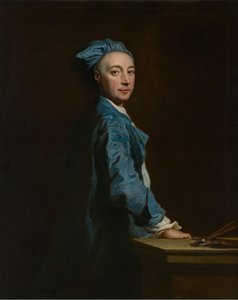
Joseph Highmore
1692 - 1780 , Reino Unido
Datos clave
- Artistas Que Influyeron:
- Godfrey Kneller
- William Cheselden
- Fecha De Fallecimiento: 1780
- Fecha De Nacimiento: 1692
- Lugar De Nacimiento: Londres, Reino Unido
- Movimiento Artístico: Rococó
- Nacionalidad: Inglés
- Nombre Completo: Joseph Highmore
- Obras Notables:
- Hagar y Ismael
- Pamela Muestra a Williams
- Jorge II
- General James Wolfe
Artículos relacionados

The Allure of Elegance in Art: A Historical & Aesthetic Exploration of Refinement & Grace
Explore the exquisite world of Rococo art! Discover its history, masters (Watteau, Boucher & more), and defining elegance. Expert insights for collectors seeking museum-quality reproductions & custom portraits.

Rococó: 10 Obras Maestras que Definieron una Época | Arte y Decoración en
Descubre las 10 obras maestras del Rococó que marcaron una época. Explora la elegancia de Fragonard, Boucher y Watteau en . Reproducciones de arte de calidad museo para decorar tu hogar con estilo.

La Estética Rococó: Opulencia, Rebelión y Placer en el Arte del Siglo XVIII
Descubre la fascinante estética rococó: su historia, características clave y los artistas más influyentes del siglo XVIII. Un análisis profundo para amantes del arte y coleccionistas.
Cultivating Ambiance: A Curatorial Guide to Art Selection for Wine Cellars and Tasting Rooms – Enhancing Oenological Experience Through Landscape, Symbolism, and Interior Harmony
Elevate your wine cellar or tasting room with curated art! Expert guidance on landscape paintings, symbolism & lighting to enhance the oenological experience. Discover how art transforms spaces and tells your winery's story.

Joseph Highmore: Moral Tales & Domestic Genre in 18th-Century British Art
Explore the captivating world of Joseph Highmore, a leading British Rococo painter. Discover his elegant portraits, insightful 'Pamela' illustrations & contributions to 18th-century art history. Learn more at OriginalUniqueArt.
