

 Enviar
 Compartir
 Detalles

 Descargar
 Similares
 Presentación de diapositivas
The Light of Day


 Ver más
Giclée / Impresión de arte
Impresiones giclée o en lienzo de calidad de museo con producción rápida y opciones de acabado flexibles. ( Comprar pintura hecha a mano Comprar imagen)




































Elija entre nuestros tamaños predefinidos que respetan las proporciones originales de la obra.

Puede introducir sus propias dimensiones para adaptarse a un marco o espacio específico. Si el tamaño seleccionado no coincide con las proporciones de la imagen original, recortaremos la obra de arte o extenderemos la imagen con un borde con efecto espejo o de color sólido. Se enviará una maqueta digital para su aprobación antes de que comience la producción.
Tenga en cuenta que la vista previa en pantalla no refleja el recorte o la extensión real. Solo la maqueta mostrará con precisión la composición final.
Aunque existen tamaños personalizados, recomendamos seleccionar una dimensión de la lista predefinida para preservar las proporciones originales.
Envío a todo el mundo () en 2 semanas en lugar de las 4/5 semanas estándar. (25 agosto)

Envío exprés gratuito a todo el mundo

Lienzo de lino de alta calidad

Seguro de envío total

Garantía de reembolso de impuestos aduaneros

Garantía de fidelidad cromática exacta

Política de devolución de 60 días (solo por defectos)

Garantía de devolución del 100% del dinero

Descuento por cantidad
 La opción de vidrio solo está disponible en tamaños inferiores a 110 cm.

The Light of Day
Giclée / Impresión de arte
Dimensiones de la reproducción
-


Precio total final
$ 80
Descripción de la pieza
A Vision of Ethereal Nostalgia
In the evocative piece The Light of Day, we encounter a hauntingly beautiful intersection of photographic realism and surrealist manipulation. Created in 1970, this work serves as a profound meditation on the passage of time and the enduring nature of beauty. The composition centers upon a nude woman captured in a three-quarter pose, her form rendered with a dramatic interplay of light and shadow that emphasizes the soft contours of her body. A singular, striking element—a star tattoo upon her upper left arm—acts as a celestial anchor within the frame, pulling the viewer’s gaze toward a point of symbolic mystery. The lighting is decidedly directional, casting deep, velvety shadows that sculpt the subject against an indistinct, blurred background, ensuring that the focus remains entirely on the intimate connection between the figure and the light.
The aesthetic of the work is defined by its heavily textured, vintage-style appearance, which suggests a relic recovered from a forgotten era. Through what appears to be a masterful combination of photography and digital post-processing, the image is layered with deliberate imperfections: scratches, dust, and subtle discolorations that mimic the natural decay of aged photographic paper. This technique creates a sense of "beauty in decay," where the physical degradation of the medium enhances the emotional depth of the subject. The color cast lends a dreamlike, almost otherworldly quality to the scene, transforming a straightforward portrait into a surrealist window into a private, mythic realm.
Symbolism and Emotional Resonance
Beyond its visual strikingness, The Light of Day invites deep psychological inquiry. The juxtaposition of the vulnerable, organic curves of the human form with the sharp, permanent mark of the star tattoo evokes themes of destiny, permanence, and the celestial influence on the mortal condition. There is a palpable tension within the piece; it is simultaneously soothing in its soft focus and unsettling in its gritty, weathered texture. For the collector or interior designer, this artwork offers a sophisticated layer of narrative complexity. It does not merely decorate a space; it haunts it, providing a focal point that encourages contemplation and conversation.
The work resonates particularly well in environments that value curated, soulful aesthetics—spaces where art is used to evoke memory and mystery. Whether placed in a contemporary gallery setting or integrated into a classic, richly textured interior, the piece acts as a portal. It bridges the gap between the tangible reality of the human form and the intangible whispers of history, making it an exquisite choice for those seeking a reproduction that embodies both the elegance of the past and the experimental spirit of late 20th-century art.
Biografía del artista
Primeros años e influencias
Joseph Cornell, un artista y cineasta estadounidense, nació el 24 de diciembre de 1903 en Nyack, Nueva York. Su vida estuvo marcada por una mezcla única de innovación artística y reclusión personal. Las primeras influencias de Cornell se arraigaron en el movimiento surrealista, que moldeó significativamente su enfoque del arte de ensamblaje.Estilo artístico y ensamblaje
El estilo artístico de Cornell se caracterizó por el uso de artefactos descartados, que transformaba en intrincados ensamblajes tridimensionales. Este artista autodidacta desarrolló un método distintivo que combinaba elementos de collage y cinematografía, lo que le valió reconocimiento como pionero en el movimiento experimental de cine de vanguardia.- Caja con motivo geográfico (1940), una de sus obras notables, muestra su enfoque innovador del ensamblaje.
- Su colaboración con cineastas como Rudy Burckhardt, Stan Brakhage y Larry Jordan solidificó aún más su influencia en la esfera del cine experimental.
Vida personal y años posteriores
La vida de Cornell estuvo marcada por un profundo sentido de responsabilidad familiar, particularmente hacia su hermano menor Robert, quien sufría parálisis cerebral. Esta dedicación, junto con su naturaleza introvertida, limitó sus relaciones personales y viajes. Sin embargo, su relación platónica con Yayoi Kusama, una artista japonesa, fue una excepción notable. Obras notables y legado El legado de Cornell se preserva a través de su extensa obra, que ahora forma parte de varias colecciones de museos, incluido el Museo de Arte Moderno (MoMA) en Nueva York.Referencias y lecturas adicionales
- https://OriginalUniqueArt.com/@/joseph-cornell - Explore las obras de Cornell en OriginalUniqueArt.
- https://en.wikipedia.org/wiki/joseph_cornell - Lea más sobre la vida y las contribuciones artísticas de Joseph Cornell en Wikipedia.
Conclusión
Joseph Cornell, un artista estadounidense visionario, dejó una huella imborrable en el mundo del arte de ensamblaje y el cine experimental. Su enfoque único para transformar artefactos descartados en obras de arte intrincadas continúa inspirando a artistas y entusiastas del arte por igual.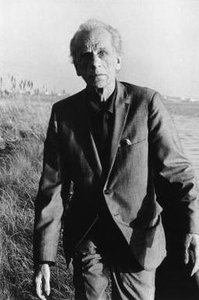
Joseph Cornell
1903 - 1972 , Estados Unidos de América
Datos clave
- Artistas Que Influyeron:
- Max Ernst
- René Magritte
- Kurt Schwitters
- Giorgio de Chirico
- Fecha De Fallecimiento: 29 de diciembre de 1972
- Fecha De Nacimiento: 24 de diciembre de 1903
- Influenciado A Artistas: ['Yayoi Kusama']
- Lugar De Nacimiento: Nyack, Estados Unidos
- Movimiento Artístico: Assemblage, Surrealismo
- Nacionalidad: Estadounidense
- Nombre Completo: Joseph Cornell
- Obras Notables:
- Caja Medici Slot Machine
- The Scho
- Aviarios
- Hotel
- Observatory
Artículos relacionados
Joseph Cornell: Assemblage, Shadow Boxes & the Poetics of Found Objects
Explore the captivating world of Joseph Cornell's assemblage art & shadow boxes. Discover his unique process, Surrealist influences, and lasting legacy with OriginalUniqueArt.

The Enduring Allure of the Nude: A Historical & Artistic Exploration of the Human Form
Explore the captivating history of nude art! Discover iconic paintings & artists from classical to modern eras. Uncover symbolism, techniques & find museum-quality reproductions at OriginalUniqueArt.
Echoes of Time: Nostalgia, Technique & Cultural Significance in Vintage Paintings
Explore the captivating world of vintage paintings! Discover key styles, cultural significance & collecting tips from art experts at OriginalUniqueArt. Find authentic reproductions and elevate your home décor.
Los 10 Maestros de la Fotografía Documental: Obras que Cambiaron el Arte y la Decoración
Descubre los 10 iconos de la fotografía documental que cambiaron el arte. Explora las historias detrás de obras maestras de Dorothea Lange, Robert Capa y más. Reproducciones de alta calidad para decorar tu hogar con arte atemporal en .

The Eloquent Form: A Historical & Aesthetic Exploration of the Nude in Art
Explore the captivating history of the nude in art! From ancient Greece to modern masters, discover its evolving symbolism, techniques & enduring beauty. Expert insights for collectors and enthusiasts.



