

 Compartir
 Compartir
 Ver detalles
 Guía
Guía

 Descargar
 Ver artículos similares
 Presentación de diapositivas
 Estadísticas
St. Onuphrius
 Carved
- Baroque
 1700
1700- Early Modern
 169.0 x 55.0 cm
 Museo Nacional de Arte Antigua
 Leer más
Giclée / Impresión de arte
Impresiones giclée o en lienzo de calidad de museo con producción rápida y opciones de acabado flexibles. ( Encargar reproducción pintada a mano Ver versión en imagen digital)




































Elija entre nuestros tamaños predefinidos que respetan las proporciones originales de la obra.

Puede introducir sus propias dimensiones para adaptarse a un marco o espacio específico. Si el tamaño seleccionado no coincide con las proporciones de la imagen original, recortaremos la obra de arte o extenderemos la imagen con un borde con efecto espejo o de color sólido. Se enviará una maqueta digital para su aprobación antes de que comience la producción.
Tenga en cuenta que la vista previa en pantalla no refleja el recorte o la extensión real. Solo la maqueta mostrará con precisión la composición final.
Aunque existen tamaños personalizados, recomendamos seleccionar una dimensión de la lista predefinida para preservar las proporciones originales.
Envío a todo el mundo () en 2 semanas en lugar de las 4/5 semanas estándar. (25 septiembre)

Envío exprés gratuito a todo el mundo

Lienzo de lino de alta calidad

Seguro de envío completo

Garantía de reembolso de impuestos aduaneros

Garantía de fidelidad cromática exacta

Política de devolución de 100 días (solo por defectos)

Garantía de devolución del 100% del dinero

Oferta por volumen
 La opción de vidrio solo está disponible en tamaños inferiores a 110 cm.

St. Onuphrius
Giclée / Impresión de arte
Tamaño de la reproducción
-


Precio total
$ 80
A Masterpiece of Raw Devotion
In the quiet presence of St. Onuphrius, one encounters more than just a religious relic; one meets a profound dialogue between wood and spirit. Created around 1700 by the masterful hand of José de Almeida, this sculpture stands as a testament to the transition between the ornate Portuguese sculptural traditions and the refined classicism of the late Baroque period. Unlike many contemporary works of its era that sought refuge in vibrant polychrome or the glittering gold of estofado, this piece remains in its raw, unadorned state. This deliberate choice strips away the superficial, leaving only the pure, tactile essence of the wood to convey the hermit's ascetic life. It is a work that breathes through its texture, inviting the viewer to contemplate the beauty found in simplicity and the strength found in austerity.
The technical brilliance of Almeida is most evident in the way he manipulates light and shadow across the saint's form. Having refined his craft in Rome between 1718 and 1728, where drawing was revered as the very foundation of creation, Almeida brought a sophisticated understanding of anatomy and composition back to Lisbon. The sculpture serves as an aesthetic essay on luminosity; notice how the intricate carvings of palm leaves within the garments catch the light, creating a rhythmic interplay of brightness and depth. The meticulous detail in the flowing hair and the weathered features of the saint’s head demonstrates a mastery of form that once served as a definitive model for students at the Academy of Fine Arts in Lisbon.
Symbolism and the Soul of the Sculptor
Beyond its technical prowess, St. Onuphrius carries a heavy emotional weight, embodying the solitude and spiritual endurance of the desert hermit. The choice to leave the wood unpainted is deeply symbolic, mirroring the saint's own rejection of worldly vanities in favor of a life of prayer and penance. Every groove carved into the timber represents a moment of devotion, making the sculpture feel less like an object and more like a living entity. For the collector or the lover of fine art, this piece offers a rare window into the late Baroque soul—a period where the dramatic tension of movement met the quiet dignity of classical restraint.
For interior designers and connoisseurs of historical reproductions, this work provides an unparalleled focal point for spaces that demand character and gravitas. Whether placed in a sunlit gallery or a moody, contemporary study, the sculpture’s monochromatic essence and organic texture harmonize beautifully with both minimalist and traditional decor. Owning a high-quality reproduction of such a significant piece allows one to bring a sense of historical continuity and contemplative peace into the modern home, celebrating a legacy of craftsmanship that has endured for over three centuries.
Biografía del artista
José Ferraz de Almeida Júnior: A Brazilian Realist Pioneer
José Ferraz de Almeida Júnior (1850-1899) stands as a remarkable figure in Brazilian art history, embodying the transition from academic idealism to the burgeoning realism movement that captivated Europe and ultimately reshaped the artistic landscape of his nation. Born in obscurity, his early life was marked by humble beginnings – bellringing at the church of “Our Lady of Candleária” – yet these formative experiences instilled a profound connection to faith and rural traditions that would permeate his oeuvre. This initial engagement with religious themes foreshadowed his stylistic evolution toward depictions of Brazilian peasant life ('caipiras'), capturing the essence of the countryside with unparalleled sensitivity and detail. A pivotal moment arrived when he secured patronage from the priest of Candleária, who organized a fundraising event allowing him to pursue formal art instruction in Rio de Janeiro. Recognizing his talent, Pedro Américo, then director of the Academia Imperial de Belas Artes, championed Júnior’s ambitions, encouraging him to compete for a prestigious travel scholarship to Europe – an opportunity he wisely declined, prioritizing his return to Itu and establishing a studio where he could continue honing his craft. This decision proved prescient as Emperor Pedro II personally recognized Júnior's artistic merit, awarding him a generous stipend of 300 francs per month (approximately USD $60) specifically for European studies. His time in Paris under Alexandre Cabanel’s tutelage solidified his stylistic trajectory and exposed him to the avant-garde currents circulating within the Salon exhibitions. Participating in four salons demonstrated his commitment to artistic excellence and established him as a voice among the burgeoning realist painters of his era. Júnior's unassuming demeanor – described as possessing “simple, country speech and manners” – garnered considerable admiration and pe- He worked as a bell-ringer at the church of “Our Lady of Candleária”.
- His father was a village priest.
- He enrolled at École des Beaux-Arts.
- He studied with Alexandre Cabanel.
- He participated in four Salons.
- He received knighthood in the Order of Rosacea.
- His paintings included religious themes.

José Ferraz de Almeida Júnior
1850 - 1899 , Brasil
Datos clave
- Artistic Movement Or Style: Realism
- Artists Or Movements Influenced By This Artist: ['École des Beaux-Arts']
- Artists Who Influenced This Artist: ['Victor Meirelles']
- Date Of Death: 1899
- Full Name: José Ferraz de Almeida Júnior
- Nationality: Brazilian
- Notable Artworks:
- Portrait of a young woman
- St. Onuphrius
- English The sculptor (Resurrection) Português O estatuário
- Place Of Birth: Itu, Brazil
Artículos relacionados

The Enduring Form: Sculpture Across History, Technique & Emotional Resonance
Explore the rich history of sculpture with OriginalUniqueArt. Discover key techniques, influential artists & investment potential for discerning collectors. Expert insights into valuing and collecting timeless masterpieces.

Esculturas de Bronce Legendarias: 10 Obras Maestras que Transformaron el Arte | OriginalUniqueArt
Descubre las 10 esculturas de bronce más legendarias que revolucionaron el arte. Explora la historia de Rodin, Degas y otros maestros del bronce. Encuentra reproducciones de alta calidad e inspiración para tu hogar en OriginalUniqueArt.com.

The Enduring Form: Exploring Themes & Techniques in Sculpture Across Historical Periods
Explore the rich history of sculpture from ancient masterpieces to contemporary innovations. Discover key techniques, influential artists & investment potential for discerning art collectors.

Las 10 Obras Maestras de Bronce que Revolucionaron la Historia del Arte | OriginalUniqueArt
Descubre las 10 esculturas de bronce más influyentes de la historia del arte. Explora obras maestras de Rodin, Degas y otros genios. Encuentra reproducciones de arte de calidad museo en OriginalUniqueArt.com.
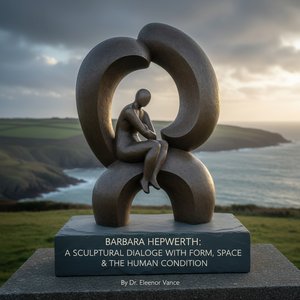
Barbara Hepworth: A Sculptural Dialogue with Form, Space & the Human Condition
Explore the profound world of Barbara Hepworth's sculpture. Discover her artistic evolution, iconic forms, and lasting influence on modern art. A guide for collectors & enthusiasts.