
 Ver en contexto
 Enviar
 Compartir
 Detalles
 Guía
Guía

 Descargar
 Similares
 Radiografía
 Presentación de diapositivas
 Q&A
Q&A Estadísticas
Incubation

- 28.0 x 34.0 cm


 Ver más
La obra de arte que se muestra en esta página está protegida por las leyes de propiedad intelectual, lo que significa que no podemos crear ni vender legalmente una reproducción idéntica. Esta protección se hace cumplir en virtud de acuerdos internacionales como el Convenio de Berna y por las leyes nacionales, incluidas aquellas establecidas por el Ley de derechos de autor de los EE. UU. - Título 17.
Este método cumple plenamente con las normativas de derechos de autor, ya que no implica la copia ni la duplicación de la obra protegida. En su lugar, se trata de una reinterpretación creativa: una nueva pintura influenciada por la original, pero que no es idéntica a ella.
Giclée / Impresión de arte
Impresiones giclée o en lienzo de calidad de museo con producción rápida y opciones de acabado flexibles. ( Comprar pintura hecha a mano Cambiar a imagen digital)




P118B €10

P118H €10

P118W €10

P438Z €10

P508JH €12

P508YH €12

P805H €10

P805Z €10

P919BZ €10

P919G €10

P919XJ €10

P959ZH €10

P968JZ €12

W106C €8

W218G €10

W218JH €8

W218Y €10

W307PJ €10

W316G €10

W316PJ €8

W316Y €10

W398PJ €8

W4111J €10

W500HY €15

W500JH €15

W692G €12

W849H €8

W940BG €15

W953PJ €8




Elija entre nuestros tamaños predefinidos que respetan las proporciones originales de la obra.

Introduzca el ancho y el alto que necesite para adaptarse a su marco o pared. Una impresión solo puede recortarse, nunca hacerse más grande que la imagen original, por lo que un tamaño con una forma distinta perderá parte de la obra. Le enviaremos una maqueta digital para su aprobación antes de realizar cualquier impresión. La imagen que se muestra en esta página no refleja el recorte real; solo la maqueta lo hace.
Envío a todo el mundo () en 2 semanas en lugar de las 4/5 semanas estándar. (2 noviembre)

Envío exprés gratuito a todo el mundo

Lienzo de lino de alta calidad

Seguro de envío total

Garantía de reembolso de aranceles aduaneros

Garantía de fidelidad cromática exacta

Política de devolución de 100 días (solo por defectos)

Garantía de devolución del 100% del dinero

Descuento por cantidad
 La opción de vidrio solo está disponible en tamaños inferiores a 110 cm.

Incubation
Giclée / Impresión de arte
Dimensiones de la reproducción
-


Precio total final
€ 71
Jorge de la Vega: Incubation – A Symphony of Anxiety and Spiritual Observation
Jorge de la Vega (1930-1971) stands as a singular figure within the Argentine Nueva Figuración movement, an artistic rebellion against academic conventions that sought to capture the turbulent spirit of the postwar era. Initially drawn to architecture—a pursuit he abandoned after six formative years at Universidad de Buenos Aires—Vega swiftly recognized the limitations of geometric abstraction and embraced a path toward intensely personal expression.
His early canvases explored both representational forms and stylistic experimentation, establishing a distinctive visual vocabulary characterized by unsettling imagery and a preoccupation with psychological states. The pivotal decision to forgo formal training proved decisive, propelling him into a multifaceted career encompassing painting, songwriting, and sculptural endeavors—a testament to his unwavering commitment to artistic exploration.
“Incubation,” created in 1966, exemplifies Vega’s signature style: a jarring blend of expressionism and Cubist influences. The artwork depicts a chaotic tableau populated by multiple figures engaged in exaggerated facial expressions – screams, stares, and gestures of profound unease dominate the composition. Thick, bold lines delineate these forms, creating a palpable sense of movement and tension.
- Composition: Vega abandons traditional perspective, favoring instead a flattened space that amplifies the claustrophobic atmosphere. Overlapping figures contribute to this feeling of confinement, mirroring anxieties about societal pressures and interpersonal relationships.
- Color Palette: Primarily monochrome—black and white—the palette underscores the artwork’s emotional intensity. Absence of shading reinforces the flatness of the image and directs attention to textural variations achieved through hatching and cross-hatching techniques.
- Technique: Vega employs direct drawing with forceful lines, prioritizing expressive gesture over meticulous realism. The technique is rooted in Cubist principles but infused with an emotive urgency reminiscent of Expressionism’s focus on subjective experience.
Beyond its formal characteristics, “Incubation” resonates with deeper symbolic concerns. The central figure—a man wearing glasses—represents intellectual scrutiny and perhaps a futile attempt to comprehend the overwhelming forces shaping human existence. Simultaneously, the angel positioned on the right serves as a visual counterpoint, embodying spiritual observation and hinting at judgment – a duality that encapsulates Vega’s exploration of existential dilemmas.
Vega's work continues to captivate audiences with its unflinching portrayal of psychological turmoil and its masterful manipulation of artistic language. “Incubation” stands as a poignant reminder of the artist’s ability to transform personal anxieties into powerful visual narratives, cementing his legacy as one of Argentina’s most influential figures in contemporary art.
Additional Context: Santo Domingo de la Calzada – A Cathedral of Legend
Vega's artistic sensibilities extended beyond painting; he possessed a fascination with architectural spaces and religious iconography. The Catedral de Santo Domingo de la Calzada, nestled in Zaragoza, Spain—a UNESCO World Heritage Site—provided inspiration for his visual explorations. Its Romanesque-Gothic grandeur embodies centuries of history and spiritual devotion.
The cathedral’s Rooster Miracle – a miraculous apparition of a rooster perched atop the spire – exemplifies Vega's interest in symbols that transcend mere representation, reflecting deeper beliefs about faith and divine intervention. Visiting this architectural marvel offers a tangible connection to artistic heritage and contemplative reflection.
Exploring Contemporary Artistic Voices: Águeda Ruiz de la Prada
Vega’s influence can be discerned in the work of Águeda Ruiz de la Prada, a prominent Argentine artist known for her distinctive blend of surrealism and abstraction. Like Vega, Ruiz de la Prada challenges conventional artistic boundaries, prioritizing emotional resonance over stylistic adherence.
Her canvases—often characterized by vibrant colors and dreamlike imagery—engage viewers in dialogues about identity, memory, and the complexities of human experience. Ruiz de la Prada’s commitment to artistic experimentation mirrors Vega's pioneering spirit, demonstrating the enduring legacy of Nueva Figuración’s transformative impact on Argentine art.
Beyond Argentina: Maurice Quentin de La Tour – Pastel Innovation
Vega’s stylistic innovations found parallels in the work of Maurice Quentin de La Tour, a French pastel artist who revolutionized portraiture during the Rococo period. De La Tour's pioneering use of pastel—a medium previously considered marginal—allowed for unprecedented tonal subtlety and expressive nuance.
His portraits captured the aristocratic elegance of his era while simultaneously conveying psychological depth – qualities that resonate with Vega’s artistic vision. Studying de La Tour’s techniques offers insights into the broader context of artistic experimentation and stylistic evolution within European art history.
Preguntas y respuestas
¿En qué estancia encaja mejor "Incubation" de Jorge De La Vega, considerando su paleta de colores?
Debido a su paleta de colores Neutrals, se recomienda "Incubation" para un/a Living Room.
¿Es "Incubation" de Jorge De La Vega una obra de tonos claros u oscuros?
Los valores registrados para "Incubation" de Jorge De La Vega son: brilliant de brillo y Luminous de luminancia.
¿Qué nivel de saturación e intensidad presenta "Incubation" de Jorge De La Vega?
"Incubation" de Jorge De La Vega presenta una saturación de Muted y una intensidad de Monochromatic.
Biografía del artista
Jorge de la Vega: Vida y Arte
Primeros Años y Educación
Jorge de la Vega (nacido el 27 de marzo de 1930 en Buenos Aires, Argentina – fallecido el 26 de agosto de 1971) fue un artista multifacético: pintor, artista gráfico, dibujante, cantante y compositor. Inicialmente cursó estudios de arquitectura en la Universidad de Buenos Aires desde 1948 hasta 1952. Sin embargo, finalmente abandonó este camino para dedicarse por completo a la pintura, convirtiéndose en gran medida en un artista autodidacta.
Desarrollo Artístico y Movimientos
Las primeras exploraciones artísticas de De la Vega abarcaron tanto estilos representacionales como abstractos geométricos durante la década de 1950. Un momento crucial en su carrera llegó con la formación del grupo Otra Figuración en 1961, junto a Luis Felipe Noé, Rómulo Macció y Ernesto Diera. Este movimiento, también conocido como Nueva Figuración, representó una reacción contra la abstracción geométrica predominante en el arte argentino de la época.
- El grupo tenía como objetivo reintroducir la figura humana en su obra, trascendiendo la mera imitación y explorando las ansiedades existenciales individuales.
- Un viaje a Europa con el grupo *Otra Figuración* resultó influyente, inspirando una nueva dirección artística.
- Posteriormente, un período en los Estados Unidos lo expuso al floreciente movimiento del Pop Art en la ciudad de Nueva York, lo que impactó significativamente su estilo.
Temas Clave e Influencias
La obra de De la Vega se caracteriza por su compromiso crítico con la sociedad contemporánea. Abordó frecuentemente temas de consumismo, crítica social y las complejidades de la existencia humana. Su arte a menudo presentaba una perspectiva humorística oscura sobre la vida moderna.
- Influencia del Pop Art: La imaginería audaz y el comentario encontrados en el Pop Art influyeron fuertemente en su lenguaje visual.
- Comentario Social: Utilizó su arte para cuestionar las normas sociales y exponer las absurdidades de la cultura consumista.
- Preocupaciones Existenciales: Subyacen a muchas de sus obras exploraciones de la identidad, la alienación y la condición humana.
Logros Destacados y Estilo Artístico
De la Vega desarrolló un estilo distintivo que mezclaba la abstracción con elementos figurativos, empleando a menudo imágenes inquietantes y líneas audaces. Sus pinturas frecuentemente presentan figuras distorsionadas, formas fragmentadas y objetos simbólicos. Era conocido por su estética renderizada digitalmente incluso antes de que el arte digital se popularizara.
- Obras Notables: Algunas de sus piezas más reconocidas incluyen “Alabanza”, “Inténtalo Otra Vez”, “Flirteo”, “Juegos de Amor y Azar”, “Incubación” y la serie de obras titulada "Puzzle".
- Cargo Docente: Fue profesor visitante/artista en Cornell University en 1965, gracias a una Beca Fulbright.
Transición a la Música y Vida Posterior
En los últimos años de su vida, De la Vega realizó un cambio significativo alejándose del arte visual, dedicándose a la música. Se convirtió en un popular cantautor, creando canciones de protesta que reflejaban su visión satírica y conciencia social.
Significado Histórico y Legado
Jorge de la Vega sigue siendo una figura importante en la historia del arte latinoamericano. Su participación con el movimiento *Nueva Figuración* ayudó a redefinir la expresión artística argentina durante un período de importantes cambios políticos y sociales. Su obra continúa resonando hoy por su comentario perspicaz sobre la sociedad moderna y su estilo visual único.
- Sus obras se exhiben en museos de toda Argentina, así como internacionalmente: incluyendo el Phoenix Art Museum, el Museo de Arte Moderno en Río de Janeiro, Brasil, y el Museo de las Américas de la OEA en Washington, DC.
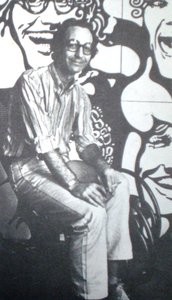
Jorge De La Vega
1930 - 1971 , Argentina
Datos clave
- Artistas Influenciados: ['Nueva Figuración']
- Artistas Que Influyeron: ['Pop Art artists']
- Fecha De Fallecimiento: 26 de agosto de 1971
- Fecha De Nacimiento: 27 de marzo de 1930
- Lugar De Nacimiento: Buenos Aires, Argentina
- Movimiento Artístico: Nueva Figuración, Pop Art
- Nacionalidad: Argentino
- Nombre Completo: Jorge de la Vega
- Obras Notables:
- Alabanza
- Intento
- Coqueteo
Artículos relacionados

Acerca de nosotros
Descubre nuestra historia! Llevamos el arte de clase mundial a tu vida gracias a una selección experta, creaciones personalizadas y vistas previas gratuitas. Aprobado por particulares y empresas desde el año 2000.
Georges de La Tour: Luminosity, Spirituality & Realism in Baroque Painting
Discover the captivating world of Georges de La Tour, a Baroque master renowned for his dramatic chiaroscuro & spiritual realism. Explore key works, influences, and his remarkable rediscovery. Learn more at OriginalUniqueArt.

Dominando las Sombras: Las 25 Obras Maestras de Francisco de Goya
Explora las 25 obras maestras de Goya, del romanticismo a sus pinturas negras. ¡Descubre toda la colección en OriginalUniqueArt.com!

Maurice Quentin de La Tour: Light, Shadow & the Rococo Portrait
Explore the captivating world of Maurice Quentin de La Tour, a master of Rococo portraiture. Discover his innovative pastel techniques, intimate depictions of French aristocracy, and lasting artistic legacy. Learn more at OriginalUniqueArt.
Águeda Ruiz de la Prada: A Study of Eclecticism & Emotional Resonance in Contemporary Spanish Painting
Discover the vibrant world of Ágatha Ruiz de la Prada, a leading figure in contemporary Spanish art. Explore her eclectic style, emotional depth & legacy – a must-read for discerning collectors.