
 Vista previa
 Compartir
 Compartir
 Ver detalles

 Descargar
 Ver similares
 Radiografía
 Presentación de diapositivas
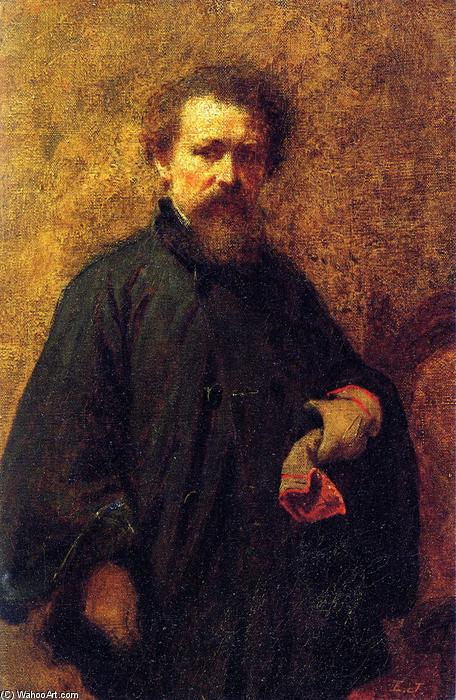
Self Portrait


 Leer más
Giclée / Impresión de arte
Impresiones giclée o en lienzo de calidad de museo con producción rápida y opciones de acabado flexibles. ( Cambiar a pintura hecha a mano Cambiar a imagen)




P118B $10

P118H $10

P118W $10

P438Z $10

P508JH $12

P508YH $12

P805H $10

P805Z $10

P919BZ $10

P919G $10

P919XJ $10

P959ZH $10

P968JZ $12

W106C $8

W218G $10

W218JH $8

W218Y $10

W307PJ $10

W316G $10

W316PJ $8

W316Y $10

W398PJ $8

W4111J $10

W500HY $15

W500JH $15

W692G $12

W849H $8

W940BG $15

W953PJ $8




Elija entre nuestros tamaños predefinidos que respetan las proporciones originales de la obra.

Puede introducir sus propias dimensiones para adaptarse a un marco o espacio específico. Si el tamaño seleccionado no coincide con las proporciones de la imagen original, recortaremos la obra de arte o extenderemos la imagen con un borde con efecto espejo o de color sólido. Se enviará una maqueta digital para su aprobación antes de que comience la producción.
Tenga en cuenta que la vista previa en pantalla no refleja el recorte o la extensión real. Solo la maqueta mostrará con precisión la composición final.
Aunque existen tamaños personalizados, recomendamos seleccionar una dimensión de la lista predefinida para preservar las proporciones originales.
Envío a todo el mundo () en 2 semanas en lugar de las 4/5 semanas estándar. (8 agosto)

Envío exprés gratuito a todo el mundo

Lienzo de lino de alta calidad

Seguro de envío completo

Garantía de reembolso de aranceles aduaneros

Garantía de fidelidad cromática exacta

Política de devolución de 60 días (solo por defectos)

Garantía de devolución del 100% del dinero

Oferta por volumen
 La opción de vidrio solo está disponible en tamaños inferiores a 110 cm.

Self Portrait
Giclée / Impresión de arte
Tamaño de la reproducción
-


Precio total
$ 80
Descripción de la pieza
A Window into American Realism: Eastman Johnson’s “Self Portrait” (1860)
Eastman Johnson's "Self Portrait" of 1860 is more than just a likeness; it’s a meticulously crafted window into the soul of an era and the quiet dignity of a man. Painted during a pivotal period of American artistic development, this oil-on-canvas work embodies the burgeoning realism that would define Johnson's career and, in many ways, shape the course of 19th-century portraiture. The painting immediately draws the viewer in with its direct gaze – Johnson’s eyes meet ours across time, conveying a sense of thoughtful introspection and understated strength.
The composition is deceptively simple yet profoundly effective. Dressed in a dark, well-tailored coat and holding a red cloth—a subtle detail that hints at theatricality or perhaps a deliberate gesture of presentation – Johnson presents himself against a muted wall adorned with a vase and a clock. These elements aren’t merely decorative; they ground the portrait within a domestic setting, suggesting a life lived within the rhythms of everyday existence. The background's subdued palette further emphasizes the subject, allowing his features and demeanor to take center stage.
The Painter’s Palette: Technique and Style
Johnson’s masterful technique is rooted in the academic traditions he studied in Europe, particularly in Düsseldorf, Germany, where he honed his skills alongside other American artists seeking a rigorous artistic education. However, unlike many of his European contemporaries, Johnson didn't simply replicate established styles; he adapted them to reflect the unique character of American life. His brushwork is precise and controlled, yet imbued with a remarkable sensitivity to light and shadow. Note the subtle gradations in tone that define the contours of his face, creating a sense of volume and depth.
The painting’s realism extends beyond mere representation. Johnson captures not just Johnson's physical appearance but also something of his personality – a quiet confidence tempered by a hint of melancholy. The careful attention to detail—the texture of the coat, the slight furrow in his brow—reveals a deep understanding of human anatomy and expression. It’s a testament to Johnson’s ability to translate observation into compelling visual narrative.
A Man of His Time: Historical Context
To fully appreciate “Self Portrait,” it's essential to understand the social and artistic landscape of 1860 America. The nation was grappling with the aftermath of the Civil War, navigating a period of Reconstruction and profound societal change. Johnson’s work reflects this atmosphere of introspection and quiet resilience. He wasn’t interested in grand historical narratives or idealized representations; instead, he focused on capturing the realities of ordinary American life – a theme that would become increasingly prominent in his later genre paintings.
Johnson's connection to Washington D.C. is particularly significant. He lived and worked there for much of his career, documenting the lives of politicians, businessmen, and everyday citizens. His portraits offer invaluable insights into the social fabric of a rapidly evolving nation. The inclusion of elements like the vase and clock—common features of domestic interiors—further anchors the portrait within this specific context.
Symbolism and Emotional Resonance
While seemingly straightforward, “Self Portrait” is rich in subtle symbolism. The red cloth held in Johnson’s hand could represent passion, creativity, or perhaps a theatrical element – reflecting his involvement in stage design and set dressing. The direct gaze of the subject invites contemplation, prompting us to consider not only Johnson's identity but also our own relationship with self-representation and portraiture itself.
Ultimately, “Self Portrait” is a powerful testament to the enduring appeal of realism as an artistic approach. It’s a painting that speaks to the complexities of human experience – capturing both the outward appearance and the inner life of a man who sought to document his time with honesty, nuance, and a profound appreciation for the beauty of everyday existence.
Biografía del artista
Jonathan Eastman Johnson: Una Vida en el Arte Americano
- Nacido: 29 de julio de 1824, Lovell, Maine
- Fallecido: 5 de abril de 1906, Nueva York City
- Nacionalidad: Estadounidense
Primeros Años y Comienzos Artísticos
- Johnson nació en una familia con fuertes vínculos con los negocios y las organizaciones fraternales. Su padre, Philip Carrigan Johnson, desempeñó un papel activo en ambos.
- Creció en Fryeburg y Augusta, Maine, adquiriendo una temprana exposición a la vida comunitaria que más tarde informaría sus temas artísticos.
- Su formación artística formal comenzó en 1840 cuando fue aprendiz de un litógrafo de Boston, marcando el comienzo de su carrera como artista.
- Se mudó a Washington D.C. a fines de la década de 1840 con su familia debido al cargo de su padre en el Departamento de Marina. Este período lo expuso a diversos temas y experiencias que influirían en su obra posterior.
Estilo Artístico, Influencias y Desarrollo
- Pintura de Género: Johnson es mejor conocido por sus pinturas de género – escenas que representan la vida cotidiana. Estas obras ofrecieron una perspectiva única sobre la sociedad estadounidense, capturando las historias de personas comunes.
- Retratismo: Junto con la pintura de género, también fue un retratista habilidoso, creando semblanzas tanto de individuos comunes como de figuras prominentes como Abraham Lincoln, Nathaniel Hawthorne, Ralph Waldo Emerson y Henry Wadsworth Longfellow.
- Influencia de los Maestros Holandeses: Un punto de inflexión significativo en su desarrollo artístico llegó durante la década de 1850 cuando estudió las obras de los maestros holandeses del siglo XVII en La Haya. Esta influencia es evidente en la composición, la iluminación y el realismo de sus pinturas posteriores, lo que le valió el apodo de "El Rembrandt Americano".
- Realismo: El trabajo de Johnson se alinea con el movimiento realista más amplio, enfatizando las representaciones precisas de la vida cotidiana en lugar de representaciones idealizadas o romantizadas.
Obras Principales y Logros
- Vida Negra en el Sur (1859): Considerada una de las pinturas más importantes del arte estadounidense del siglo XIX, esta obra representa a los afroamericanos disfrutando del tiempo libre. Desató un considerable debate sobre las relaciones raciales y las condiciones sociales en el sur antebellum.
- Serie de la Guerra Civil: Johnson documentó el impacto de la Guerra Civil en la vida civil mediante una serie de conmovedoras pinturas que representan a familias ansiosas y escenas lejos del campo de batalla. Ride For Liberty (1862) es un ejemplo notable, representando a una familia esclavizada escapando hacia la libertad.
- Escenas de Nueva Inglaterra: Sus representaciones de la vida rural de Nueva Inglaterra, incluido el corte de azúcar de arce y la recolección de arándanos, celebraron los valores tradicionales estadounidenses y la artesanía.
- Comisiones de Retratos: Johnson obtuvo reconocimiento por sus retratos de figuras prominentes, incluidos los presidentes de EE. UU. Chester Arthur, Grover Cleveland y Benjamin Harrison, así como empresarios influyentes como Jay Gould y John D. Rockefeller.
- Co-fundador del Museo Metropolitano de Arte: El compromiso de Johnson con el arte se extendió más allá de su propia práctica; fue cofundador del Museo Metropolitano de Arte en Nueva York City, con su nombre inscrito en su entrada, lo que significa su importante contribución al mundo del arte estadounidense.
Significado Histórico y Legado
- Pionero de la Pintura de Género: Johnson jugó un papel crucial en el establecimiento de la pintura de género como una forma de expresión artística respetada en Estados Unidos.
- Comentario Social: Sus obras a menudo ofrecían sutiles comentarios sociales, invitando a la reflexión sobre temas como las relaciones raciales, las distinciones de clase y el impacto de la guerra.
- Influencia en el Realismo Americano: La dedicación de Johnson a representar la vida cotidiana con honestidad y detalle ayudó a dar forma al desarrollo de la pintura realista estadounidense.
- Reconocimiento Duradero: Hoy, Jonathan Eastman Johnson es recordado como una figura significativa en la historia del arte estadounidense, celebrado por su habilidad técnica, sus observaciones perspicaces y sus contribuciones perdurables al patrimonio artístico de la nación.
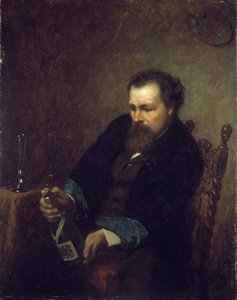
Jonathan Eastman Johnson
1824 - 1906 , Reino Unido
Datos clave
- Artistas Que Influyeron: ['Maestros holandeses (siglo XVII)']
- Fecha De Fallecimiento: 5 de abril de 1906
- Fecha De Nacimiento: 29 de julio de 1824
- Lugar De Nacimiento: Lovell, Reino Unido
- Movimiento Artístico: Pintura de género, Realismo
- Nacionalidad: Estadounidense
- Nombre Completo: Jonathan Eastman Johnson
- Obras Notables:
- Negro Life at the South
- Ride For Liberty
- New England Scenes
Artículos relacionados

Jamie Wyeth: A Legacy of Realism, Regionalism & American Landscapes
Explore the captivating world of Jamie Wyeth, heir to the Brandywine School tradition! Discover his realist paintings of portraits, animals & Maine landscapes – a legacy of American art. Learn more at OriginalUniqueArt.

Realismo Estadounidense: 10 Obras Maestras que Cambiaron el Arte y la Decoración
Descubre 10 obras maestras del Realismo Estadounidense: Winslow Homer, Edward Hopper y más. Explora la historia, técnica y emoción de estos icónicos cuadros. Encuentra reproducciones de arte de museo en OriginalUniqueArt.com.
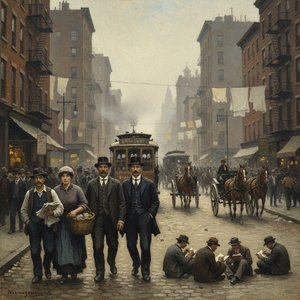
La Escuela del Cubo de Basura: Realismo Urbano y la Democratización del Arte Americano
Exploramos la Escuela del Cubo de Basura y el realismo urbano americano. Descubre cómo este movimiento artístico revolucionó la representación de la sociedad, democratizando el arte y desafiando las convenciones estéticas tradicionales.

Abbott Handerson Thayer: Ethereal Realism & Spiritual Symbolism in American Art
Explore the captivating world of Abbott Handerson Thayer, a pioneer of American realism & Symbolism. Discover his ethereal angel paintings, innovative techniques, and lasting influence on art history. Learn about his scientific pursuits & Transcendentalist spirit.

Del Selfie al Retrato de Estudio: La Transformación Contemporánea del Autorretrato en Óleo
Descubra la fascinante transformación del autorretrato en óleo, desde el 'selfie' hasta obras maestras contemporáneas. Guía experta para coleccionistas y amantes del arte. ¡Encuentre su obra única!



